Insulated Ice Box Seafood Export Supplier: Ein praktischer Bewertungsleitfaden für B2B-Käufer
The search for „insulated ice box seafood export supplier“ usually points to a practical B2B decision: wie man eine temperaturempfindliche oder kälteverpackte Ladung risikoärmer von einem Punkt zum anderen transportiert, weniger Rätselraten, und bessere Wiederholbarkeit. Die richtige Antwort ist selten die Box mit dem lautesten Zurückbehaltungsanspruch. Es ist die Box-and-Packout-Kombination, die zu Ihrer Route passt, Produkt, Reinigungsroutine, und Lieferantenkontrolle.
Deshalb trennen kluge Käufer von Anfang an drei Fragen. Erste, Welche thermische Aufgabe muss das Paket erfüllen?? Zweite, welche mechanischen und hygienischen Anforderungen die Strecke stellen wird? Dritte, Wie konsistent kann der Lieferant die gleiche Spezifikation nach dem ersten Muster reproduzieren?? Sobald diese drei Fragen beantwortet sind, Kostenvergleiche und Lieferantenauswahllisten werden viel nützlicher.
Definieren Sie den Transportauftrag, bevor Sie Kartons vergleichen
Für die Arbeit in der Kühlkette von Meeresfrüchten, Der Container sollte als Teil eines funktionierenden Transportprozesses behandelt werden, nicht als isoliertes Produkt. Nach dem Einfüllen des Kühlmittels benötigen Sie ausreichend nutzbaren Platz, eine Verpackung, die die Nutzlast sowohl vor Erwärmung als auch vor Unterkühlung schützt, und eine Struktur, die die Art und Weise verträgt, wie die Box getragen wird, gestapelt, geöffnet, gereinigt, und kehrte zurück.
Eine gut isolierte Exportbox für Meeresfrüchte muss vier Aufgaben gleichzeitig erfüllen. Es muss die Wärmeentwicklung verlangsamen, Schützen Sie die Nutzlast vor Stößen und Quetschungen, unterstützen eine saubere Handhabung, und passen Sie die Art und Weise an, wie die Route tatsächlich ausgeführt wird. Wenn einer dieser Jobs ignoriert wird, Die Box kann isoliert beeindruckend aussehen und im Feld dennoch eine schlechte Leistung erbringen. Deshalb sollten Käufer das Nutzvolumen vergleichen, Packout-Methode, Öffnungshäufigkeit, und Reinigungsdurchlauf, anstatt sich auf eine einfache „Eisrückhalte“-Erklärung zu verlassen. Für den Export von Meeresfrüchten, Das bedeutet, den Wärmegewinn zu kontrollieren und gleichzeitig die Entwässerung zu steuern, Stapelbarkeit, und Hygiene. Wenn Schmelzwasser, Kreuzkontamination, oder eine schwache Kastengeometrie werden zum eigentlichen Fehlerpunkt, Eine bessere Isolierung allein rettet die Sendung nicht.
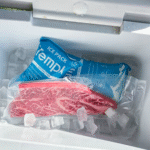
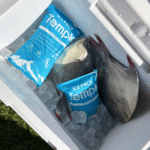
Sogar ein Tresorkarton ist leistungsschwach, wenn die Verpackungsmethode informell ist. Käufer sollten ein schriftliches Verpackungskonzept anfordern, aus dem hervorgeht, wo sich das Kühlmittel befindet, wie die Nutzlast gepuffert wird, wie Hohlräume kontrolliert werden, und wo ein Logger oder Temperaturanzeiger positioniert ist. Das ist wichtig, denn zwei Sendungen, die denselben Karton verwenden, können sich sehr unterschiedlich verhalten, wenn einer eng organisiert und der andere opportunistisch verpackt ist. Für Meeresfrüchte, Eine disziplinierte Verpackung trägt dazu bei, dass das Produkt in engem Kontakt mit dem kalten Medium bleibt und gleichzeitig bei Bedarf eine Entwässerung und erneute Vereisung ermöglicht wird.
Die Passgenauigkeit der Route ist wichtiger als die allgemeine Marketingsprache. Ein einmal gepackter Karton für eine kurze Stadtfahrt kann auf einer längeren Strecke durch mehrmaliges Öffnen versagen, Sonnenaussetzung, Fahrzeugvibrationen, oder verspäteter Empfang. Behauptungen über das Erkältungsleben in öffentlichen Impfstoffspezifikationen veranschaulichen diesen Punkt gut: Das Ergebnis hängt von einer definierten Umgebungsbedingung ab, einen definierten Kühlmittelzustand, und einen definierten Messendpunkt. In der Kaufpraxis, Das bedeutet, dass die Box entsprechend der Zieltemperatur ausgewählt werden sollte, Transitdauer, Öffnungshäufigkeit, und wie viel Packout-Disziplin der Betrieb realistischerweise aushalten kann. Für den Export von Meeresfrüchten, Bei der Routenanpassung muss berücksichtigt werden, wie oft eine erneute Vereisung möglich ist, ob die Ladung gekühlt oder gefroren ist, und wie sich der Karton beim Stapeln von Paletten und bei der Nasshandhabung verhält.
Die technischen Details, die am wichtigsten sind
Passive Kühlboxen funktionieren, indem sie die Wärmeübertragung verlangsamen und ein Kühlmittelreservoir verwenden, um die einströmende Wärme zu absorbieren. In der Praxis, Drei Mechanismen sind wichtig: Leitung durch die Wände, Deckel, Hardware, und Öffnungen; Konvektion, wenn beim Öffnen oder durch Leckage warme Luft eindringt; und thermische Masse, Dabei handelt es sich um die Fähigkeit der Kühlmittel- und Nutzlastanordnung, Temperaturänderungen im Laufe der Zeit abzufedern. Deshalb ist eine dickere Wand allein keine Garantie für eine bessere Leistung. Das Siegel, Riegeldruck, Luftzirkulation um die Nutzlast herum, und die Menge und der Zustand des Kühlmittels können das Ergebnis erheblich verändern. Für Meeresfrüchte, Die thermische Kontrolle ist untrennbar mit der Vereisungspraxis verbunden, Drainage, und wie viel Produktoberfläche während der Route mit kalten Medien in Kontakt bleibt.
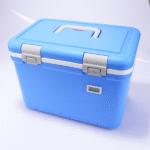
Die meisten Boxen dieser Klasse verwenden eine Kunststoffhülle und einen Schaumstoff-Isolierkern. In handelsüblichen Hartkühlern, Rotationsgeformtes Polyethylen und druckgespritztes Polyurethan sind weit verbreitet, da sie mechanische Festigkeit mit guter passiver Isolierung kombinieren. In medizinischen und Laborformaten, Auch starre Kunststoffschalen und Polyurethanschaum sind üblich, manchmal mit Einlagen, Partitionen, oder weiche Außenkomponenten für leichtere Routen. Die Schale verleiht Struktur und Reinigungsfähigkeit; Der Schaum verlangsamt die Wärmeübertragung. Aber die Deckeldichtung, Verriegelungsgeometrie, Scharnierschutz, und die Art und Weise, wie der Deckel auf den Körper trifft, entscheiden oft darüber, ob die theoretische Isolierung im täglichen Gebrauch funktioniert. In Meeresfrüchteboxen, HDPE und andere langlebige Kunststoffe, die mit Lebensmitteln in Berührung kommen, werden häufig verwendet, da sie leichter zu reinigen und zu desinfizieren sind als Holz, und weil moderne Kartondesigns die Stapelbarkeit verbessern und verhindern können, dass Abfälle oder Schmelzwasser in die darunter liegenden Kartons tropfen.
Bei der Wahl des Schalenmaterials handelt es sich in der Regel um einen Kompromiss hinsichtlich der Schlagfestigkeit, Formbarkeit, Reinigbarkeit, UV-Beständigkeit, und Kosten. Bei harten kommerziellen Kühlern werden häufig rotationsgeformtes Polyethylen oder andere haltbare Kunststoffe verwendet, da diese grobe Handhabung vertragen und dicke isolierte Wandabschnitte ermöglichen. Medizin und Labor Transportboxen häufig werden starre Polypropylen- oder Polyethylenschalen verwendet, manchmal kombiniert mit weichen Außenseiten, je nach Route und Trageanforderung. In beiden Fällen, Die Hülle ist in erster Linie strukturell. Es schützt den Hohlraum und unterstützt die Isolierung.
Bei starren Kästen besteht die Isolierschicht üblicherweise aus Polyurethanschaum, da dieser im Verhältnis zur Dicke eine gute Wärmeleistung bietet und in Formkonstruktionen integriert werden kann. Fortschrittliche passive Systeme können Phasenwechselmaterialien oder vakuumisolierte Paneele hinzufügen, wenn die Route eine strengere Kontrolle oder eine längere Dauer erfordert, aber diese Optionen verändern auch die Kosten, Komplexität der Verpackung, und Reparierbarkeit. Öffentliche Spezifikationen der WHO für Kühlboxen verdeutlichen auch das Materialverhalten, das Beschaffungsteams häufig übersehen: UV-Beständigkeit, Wasser- und dampfdichte Verbindungen, Beständigkeit gegen gängige Desinfektionsmittel, und leicht zu reinigende Oberflächen.
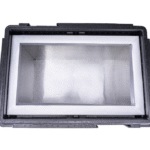
Das nutzbare Volumen ist eine der am häufigsten missverstandenen Zahlen in dieser Kategorie. Die Größe des externen Volumens oder der Überschrift ist nicht dasselbe wie der geschützte Nutzlastraum. Dickere Wände verbessern die Isolierung, verringern jedoch den Hohlraum. Eisbeutel, PCM -Packungen, Tabletts, Trenner, und Datenlogger reduzieren ihn nochmals. Deshalb sollten Sie immer drei Messungen anfordern: Außenmaße, Innenabmessungen des Hohlraums, und Nutzvolumen bei vorgesehener Kühlmittelanordnung. Für Meeresfrüchte, Neben dem Eisverhältnis muss auch das nutzbare Volumen berücksichtigt werden, Entwässerungsweg, und die Kompressionslast durch Stapeln während der Exportabwicklung.
Überwachung und Aufnahmepraxis sollten frühzeitig besprochen werden, nicht nach der Bestellung. Wenn das Programm einen Logger verwendet, Indikator, oder manuelle Temperaturaufzeichnung, Die Box sollte einen freien Platz dafür haben, ohne die Nutzlast zu behindern oder das Personal zum Improvisieren zu zwingen. Empfangsteams sollten auch wissen, wie sie das Paket schnell prüfen können, ohne den Deckel länger als nötig offen zu lassen.
Wo Compliance-Ansprüche und reale Anforderungen auseinanderklaffen
Die Compliance-Sprache wird in dieser Kategorie häufig überstrapaziert. Eine Box kann robust sein, isoliert, und gut gebaut, dennoch nicht das dokumentierte Verpackungssystem erfüllen, das für eine regulierte Route erforderlich ist. Deshalb sollten Käufer nachfragen, was genau behauptet wird: Materialeignung, passive Isolationsleistung, eine qualifizierte Verpackung, oder vollständige Versandkonformität gemäß einem bestimmten Transportstandard.
Für den Export von Meeresfrüchten, Die Compliance-Grenze sieht anders aus, ist aber genauso real. Lebensmittelsicherheitssysteme kümmern sich um die Zeit- und Temperaturkontrolle, hygienische Handhabung, und ob gekühlte und gefrorene Produkte während des Transports und der Lagerung innerhalb angemessener Grenzen bleiben. Saubere Kisten, ausreichend Eis oder gefrorene Medien, Schmelzwasserkontrolle, und Temperaturaufzeichnungen während längerer Transporte sind oft ausschlaggebender als jede Premium-Markensprache auf der Hülle.
Hilfreiche Entscheidungshilfen
Überprüfen Sie die Details, bevor Sie sich für die Verpackung entscheiden
Mit diesen schnellen Tools können Sie das Routenrisiko vergleichen, Größenanforderungen, Kühlmittelauswahl, und Verpackungsdetails, bevor Sie ein Angebot anfordern.
Compliance-Checklisten-Generator
Erstellen Sie eine praktische Checkliste für die Verpackungsüberprüfung, Versand, und Dokumentation.
Checkliste erstellenEisbeutel-Rechner
Schätzen Sie die Menge an Gel-Eisbeuteln für gekühlte Sendungen und nutzen Sie die praktische Routenplanung.
Schätzen Sie EisbeutelFallfestigkeit des Isolationsmaterials
Überprüfen Sie die Fallfestigkeit und die Handhabungsfaktoren, bevor Sie Isoliermaterialien auswählen.
Widerstand prüfenIm Umgang mit Meeresfrüchten, Wärmetechnik ist nicht von Hygiene und Entwässerung zu trennen. Eine technisch isolierte Box versagt trotzdem, wenn sich Schmelzwasser ansammelt, Gerüche bleiben nach der Reinigung bestehen, oder gestapelte Ladungen können zu einer Kontamination zwischen den Kartons führen. Für Exportarbeiten, Die technische Überprüfung muss die sanitäre Sanierung umfassen, Palettenverhalten, und die Fähigkeit, gekühlte Produkte nahe am Eispunkt zu halten oder gefrorene Produkte durch Transferschritte tiefgefroren zu halten.
Eine praktische Lieferanten-Checkliste
Eine gute Auswahlliste schrumpft normalerweise schnell, sobald echte Fragen gestellt werden. Nach dem ersten Bildschirm, Die nützlichsten Lieferanten sind diejenigen, die ein Muster zur Verfügung stellen können, eine klare Zeichnung oder ein Spezifikationsblatt, und direkte Antworten auf Materialien, Abmessungen, Reinigung, Packout-Annahmen, und was passiert, wenn sich eine Komponente später ändert. Vage Antworten in dieser Phase führen in der Regel später zu betrieblichen Problemen.
- Intern, extern, und Nutzmaße. Fragen Sie nach allen dreien, und fragen Sie nach dem nutzbaren Volumen mit der vorgesehenen Kühlmittelanordnung oder dem bereits eingesetzten Einsatzsatz.
- Schalenmaterial, Schaumtyp, und Dichtungsbau. Ein gutes Zitat sollte die Harzfamilie identifizieren, Der Isolationsansatz, und die wichtigsten Verschlussmaterialien, anstatt sich hinter generischen Wörtern wie langlebig oder lebensmittelecht zu verstecken.
- Handhabungsbedingungen. Bestätigen Sie, dass die Box für Ihre reale Umgebung bestimmt ist, inklusive Stapeln, Vibration, Fahrzeugnutzung, Abwaschen, Sonnenlicht, oder wiederholtes Öffnen während der Fahrt.
- Reinigbarkeit und Hygiene. Fragen Sie, wie Ecken, Nähte, Deckeldichtungen, Stecker, oder Hardware gereinigt werden und ob die Materialien gängige Desinfektionsmittel oder Waschchemikalien vertragen.
- Unterstützung bei der Kennzeichnung und Rückverfolgbarkeit. Prüfen Sie, wo Sie Barcodes platzieren können, Routenbeschriftungen, Originalitätssiegel, oder Datenloggern, ohne den Deckel zu blockieren oder die Handhabung zu beeinträchtigen.
- Konsistenz zwischen Muster und Produktion. Fragen Sie, wie der Lieferant die Werkzeuge kontrolliert, Harzveränderungen, schäumende Konsistenz, Abmessungen, und Hardware-Austausch nach Musterfreigabe.
- Entwässerungs- und Schmelzwasserkontrolle. Der Käufer sollte verstehen, wie Wasser aus der Kiste austritt und ob gestapelte Kisten die untere Ladung vor Verschmutzung schützen.
- Anforderungen an Lebensmittelkontakt und Hygiene. Bestätigen Sie, welche Materialien mit dem Produkt oder den Linern in Kontakt kommen, wie die Box gereinigt wird, und wie Deckel oder Innenräume der Geruchsbindung widerstehen.
Einer der größten versteckten Kosten in dieser Kategorie ist Inkonsistenz. Eine Box, die sich von Bestellung zu Bestellung geringfügig ändert, kann neue Verpackungsanpassungen erforderlich machen, Umetikettierung, Umschulung, oder Ausnahmen erhalten, auch wenn die Nennteilenummer gleich bleibt. Aus diesem Grund fragen disziplinierte Käufer nach den Materialien, Abmessungen, Isolierfüllung, Hardware, und Zubehöroptionen werden kontrolliert, sobald ein Muster genehmigt wurde.
So vergleichen Sie die Kosten, ohne an Leistung einzubüßen
Die Kosten lassen sich leichter beurteilen, wenn die Spezifikation definiert ist. Ein niedriger Stückpreis kann eine dünnere Isolierung verbergen, leichtere Hardware, geringeres Nutzvolumen, fehlendes Zubehör, oder schwächere Prozesskontrolle. Ein höheres Angebot kann eine bessere Abdichtung beinhalten, stärkere Verschlüsse, austauschbare Teile, benutzerdefinierte Einsätze, klarere Kennzeichnungsunterstützung, oder eine gleichmäßigere Produktion. Der einzig faire Vergleich erfolgt mit denselben Routenannahmen und demselben Packout-Ziel.
Der beste Anbieter ist selten der mit der längsten Funktionsliste. Es ist derjenige, der die Box klar definieren kann, Beantworten Sie Fragen zu Material und Verpackung, Unterstützung der Probenahme, und behalten Sie die gleiche Spezifikation für zukünftige Bestellungen bei. Wenn der Verkäufer das nutzbare Volumen nicht erklären kann, Dichtungsdesign, oder Annahmen laden, Das Risiko zeigt sich meist später in Beschwerden, Verzögerungen, oder versteckte Nacharbeit. Für jede Kosten- oder Preisdiskussion, Es ist besser, nach einem mehrschichtigen Angebot als nach einer einzelnen Schlagzeile zu fragen. Fordern Sie den Stückpreis an, das MOQ, Zubehör, Musterkosten, Verpackungskosten, Werkzeug- oder Formengebühren, falls vorhanden, Ersatzteilpolitik, und der Handelsbegriff hinter der Sendung. Das verwandelt das Gespräch von vagen Verhandlungen in einen echten Beschaffungsvergleich.
Der nützlichste Vergleich ist nicht der abstrakte Vergleich von Box zu Box. Es handelt sich um eine definierte Arbeitskonfiguration gegenüber einer anderen. Vergleichen Sie den nutzbaren Hohlraum nach dem Einfüllen von Kühlmittel, das geladene Gewicht, das Öffnungs- und Schließmuster, die Reinigungsmethode, und der erwartete Wiederverwendungszyklus. Das sagt Ihnen weit mehr als nur den isolierten Vergleich der Schalendicke oder einer einzelnen Marketing-Retentionszahl.
Die Lebensdauer sollte von Anfang an Teil der Kaufentscheidung sein. Eine isolierte Exportbox für Meeresfrüchte kann auf Stückbasis wirtschaftlich erscheinen, aber die Rendite ändert sich schnell, wenn Scharniere frühzeitig ausfallen, Griffe lockern sich, Dichtungen können nicht ausgetauscht werden, oder die Schale lässt sich nach wiederholtem Gebrauch nur schwer desinfizieren. Fragen Sie, wie die Box gewartet wird, ob Ersatzteile für Verschleißteile vorhanden sind, und was typischerweise zum Ende der Lebensdauer im Feldeinsatz führt.
Häufige Fehlerquellen und wie man sie verhindert
Feldausfälle sind selten auf einen einzelnen dramatischen Defekt zurückzuführen. Häufiger entstehen sie durch Akkumulation: Ungleichmäßige Schaumfüllung, ein Deckel, der nicht gleichmäßig komprimiert wird, Kühlmittel, das in direktem Kontakt mit einer frostempfindlichen Nutzlast geladen wird, Überfüllung, die die Luftzirkulation blockiert, oder wiederholtes Öffnen, das im ursprünglichen Test nie berücksichtigt wurde. Auf mobilen Strecken, Vibrationen und eine schlechte Befestigung können außerdem dazu führen, dass sich die Verpackung verschiebt und heiße oder kalte Stellen im Inneren des Hohlraums entstehen.
Deshalb sollte eine technische Lieferantenbewertung mehr als eine Musterbox umfassen. Fragen Sie, was von Los zu Los kontrolliert wird, ob Maßkontrollen aufgezeichnet werden, wie Scharnier- und Riegelersatz genehmigt werden, ob Ersatzdichtungen oder Stopfen vorhanden sind, und wie Designänderungen kommuniziert werden. Ein Lieferant, der Fehlerarten nicht beschreiben kann, kann diese in der Regel nicht gut beherrschen.
Vor der Vergrößerung, Es lohnt sich, einen kleinen Piloten unter realistischen Bedingungen durchzuführen. Das bedeutet, dass die vorgesehene Nutzlast geladen wird, unter Verwendung der eigentlichen Kühlmittelaufbereitung, nach dem vorgesehenen Eröffnungsmuster, und prüfen, was das empfangende Team am anderen Ende sieht. Ein Pilot muss nicht übermäßig kompliziert sein. Sein Zweck besteht darin, zu bestätigen, dass die Box, die Verpackung, und der menschliche Prozess arbeiten auf dem realen Weg zusammen und nicht nur auf dem Papier. Außerdem erhalten Sie damit eine praktische Möglichkeit zu beurteilen, ob der Lieferant auf Feedback reagieren kann, ohne die Kontrolle über die Spezifikation zu verlieren.
Für Meeresfrüchte, Die Klarheit des Arbeitsablaufs zeigt sich im Icing, Drainage, und Wende. Die Besatzungen müssen wissen, wie die Box gefüllt ist, wenn Schmelzwasser entfernt wird, wie das Produkt vor Kontamination geschützt wird, und wie die Box vor dem nächsten Gebrauch gewaschen wird. Ein Design, das diese Routinen bekämpft, verliert normalerweise schnell an Wert.
Letzte Aufnahme
Die zuverlässigste Kaufentscheidung ist die, bei der die isolierte Exportbox für Meeresfrüchte als kontrolliertes System behandelt wird. Definieren Sie die Nutzlast, das Temperaturband, die Streckendauer, das Eröffnungsmuster, die Handhabungsbedingungen, und die Wartungserwartungen, bevor Sie Lieferanten vergleichen. Dieser Ansatz führt zu einer besseren Leistung, klarere Lieferantengespräche, und aussagekräftigere Kostenvergleiche.
Die richtige isolierte Exportbox für Meeresfrüchte ist diejenige, die zu Ihrer Route passt, Nutzlast, und mit der geringsten Menge an operativem Rätselraten mit Disziplin umzugehen. Wenn Sie die Box nach nutzbarem Volumen definieren, Packout-Methode, Reinigbarkeit, Handhabungsstärke, und Lieferantenkonsistenz, Sie werden eine weitaus bessere Entscheidung treffen, als wenn Sie nach dem Aussehen oder einer generischen Aussage zur Kältebeständigkeit kaufen.
Über Tempk
Und Tempk, wir konzentrieren uns auf Temperaturkontrollierte Verpackung für Unternehmen, die sensible Güter sicherer und vorhersehbarer transportieren müssen. Wir bauen temperaturgeführte Verpackungen für Lebensmittel und andere temperaturempfindliche Logistik, einschließlich Eisbeutel, Isolierte Kisten, Thermobeutel, und kundenspezifische Kühlkettenformate. Auf unserer Website finden Sie auch kundenspezifische Verpackungsoptionen zur Temperaturkontrolle, Dies ist nützlich, wenn eine handelsübliche Standardbox nicht zur Route passt, Nutzlast, oder Handhabungsmuster. Diese Kombination aus Standardprodukten und kundenspezifischer Verpackungsunterstützung hilft Teams, von einer vagen Kartonanfrage zu einer klareren Verpackungsspezifikation überzugehen.
Nächster Schritt
Wenn Sie Partner in die engere Auswahl nehmen, Fordern Sie ein Muster und ein klares Spezifikationsblatt an, das das nutzbare Volumen abdeckt, Materialien, und Packen Sie die Anweisungen aus, bevor Sie fortfahren.