Isolierter Verpackungsliner nach Maß: Geben Sie es vor dem Kauf an
Kauf Isolierte Verpackung liner custom should not begin with the cheapest quoted line item. Der bessere Ausgangspunkt ist die Sendung, die Sie schützen müssen, den Karton, den Sie bereits verwenden, der Zustand des Produkts beim Verpacken, und die Beweise, die Ihr Team nach der Lieferung benötigt. Dieser letzte Leitfaden bringt den Käufer, Material, and operations view together so you can specify a Isolierte Boxauskleidung with fewer assumptions and cleaner supplier conversations.
Praktische Antwort
Treat insulated packaging liner custom as one component in a passive packout. Geben Sie es nach Route an, Ladung, Karton, Kühlmittel, Handhabung, und Dokumentationsbedarf. Vergleichen Sie dann die Lieferanten hinsichtlich der Muster-zu-Produktions-Konsistenz, Maßtoleranz, Verschlussqualität, Verpackungsgeschwindigkeit, und Beweise, die ihre angegebene Leistung belegen.
Definieren Sie das Paket, bevor Sie nach einem Preis fragen
Before comparing suppliers for insulated packaging liner custom, Schreiben Sie ein einseitiges Packout-Briefing. Es sollte das Produkt benennen, Ladungszustand beim Verpacken, erforderliche Temperaturbedingung, voraussichtliche Route, Kartongröße, Kühlmitteltyp, Anzahl der Handhabungspunkte, Kennzeichnungsbedarf, und Empfangskontrollmethode. Diese Kurzfassung hält das Gespräch praktisch. Ohne es, Lieferanten bieten möglicherweise unterschiedliche Konstruktionen unter demselben Produktnamen an und der Käufer vergleicht möglicherweise Preise, die nicht dieselbe Lösung beschreiben.
Im Auftrag sollte auch zwischen einem Liner-Muster und einem Versandsystem unterschieden werden. Eine Probe kann die Materialqualität zeigen, Faltmuster, Nahtfestigkeit, und einfaches Packen. Es kann nicht für jede Spur die Leistung nachgewiesen werden. Wenn Ihr Produkt einen hohen Wert hat, empfindlich, reguliert, oder langen Strecken ausgesetzt sind, Fragen Sie, welche thermischen Nachweise verfügbar sind und ob zusätzliche Tests unter Ihrem tatsächlichen Umgebungsprofil erforderlich sind, Nutzlast, Kühlmittelkonfiguration, und Akzeptanzkriterien.
Eine Käufer-Scorecard zum Vergleichen von Angeboten
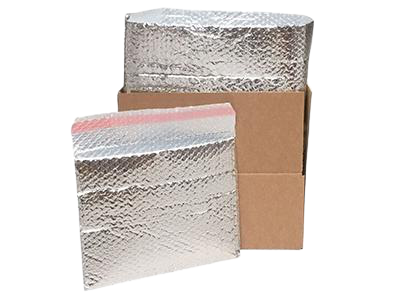
Der gleiche Satz, insulated packaging liner custom, kann mehrere Konstruktionen beschreiben. Ein Lieferant bietet möglicherweise eine dünne Beilage im Mailer-Stil an, Ein anderer zitiert möglicherweise ein dickeres faltbares Gerät Kartoneinlage, und ein dritter kann ein benutzerdefiniertes Panel-Layout enthalten. Wenn in der Angebotsanfrage nur das Schlüsselwort und eine Kartongröße angegeben sind, Die Angebote sehen möglicherweise vergleichbar aus, während die tatsächlichen Waren dies nicht sind. Käufer sollten Lieferanten bitten, den Schichtenstapel zu definieren, Fertigmaße, Dickentoleranz, falls relevant, Verschlussmethode, Verpackungsausrichtung, innere Oberfläche, Außenfläche, und Verpackungsmenge pro Exportkarton.
Die Kosten hängen auch davon ab, wie das Linienschiff versendet. Sperrige Liner verbrauchen Lager- und Containerraum. Flach verpackte Liner können zwar die Frachtkosten senken, erfordern aber mehr Lagerumschlag. Vakuumkomprimierte oder dicht gepackte Formate können das eingehende Volumen verringern, Der Käufer sollte jedoch prüfen, ob sich der Liner sauber öffnet, nimmt seine beabsichtigte Form wieder an, und bleibt für Packer einfach zu bedienen. Ein niedriger Fabrikpreis kann seinen Vorteil verlieren, wenn die gelieferten Waren die Arbeitszeit erhöhen oder die Ausschussquote beim Verpacken ansteigt.
Mindestbestellmengen und Preisnachlässe sollten als Planungsinstrumente und nicht als Drucktaktiken diskutiert werden. Eine höhere Menge kann die Stückkosten senken, Es kann jedoch auch das Bestandsrisiko erhöhen, wenn der Käufer die Kartonabmessungen nicht endgültig festgelegt hat, Kunstwerk, lokale Kennzeichnung, oder die Packout-Methode. Für ein neues Programm, Normalerweise ist es sicherer, ein Arbeitsmuster zu genehmigen, Probieren Sie den Verpackungsfluss aus, und dann mit vereinbarten Zeichnungen und Änderungskontrollerwartungen skalieren.
Ein gutes Angebotspaket beantwortet praktische Fragen. Wie viele Liner sind pro Karton verpackt?? Sind Exportkartons so dimensioniert, dass sie paletteneffizient sind?? Passen die Produktionseinheiten zum Mustermaterial und zum Nahtstil?? Wie werden benutzerdefinierte Abmessungen gesteuert?? Was passiert, wenn sich der Umkarton nach der Genehmigung ändert?? Diese Fragen bremsen die Beschaffung nicht; Sie verhindern, dass ein günstiges Angebot zu einem teuren Produktionsproblem wird.
Custom and OEM Work Should Be Controlled From Sample to Reorder
Custom liner projects often begin with a brand idea, but the cold-chain work should begin with a packout problem. A buyer may want a custom size, drucken, Material, or packing format. Each of those choices can change cost, Handhabung, und manchmal thermisches Verhalten. The safest path is to freeze the functional specification first, then add branding and custom details after the liner fits the carton and packing method.
OEM buyers should also agree on change control. A small change in film, Blasenhöhe, Klebstoff, Nahtbreite, or fold pattern can affect the way the liner sits inside the box. If a supplier must change material availability, Produktionsausrüstung, Packungsanzahl, or export carton size, the buyer should be notified before bulk reorder. This is especially important when the buyer has already tested a packout or trained a warehouse team around a specific format.
Entscheidungstabelle
| Vergleichspunkt | Schwaches Angebot | Stärkeres Angebot |
|---|---|---|
| Passformdefinition | Gibt nur die äußere Kartongröße an. | Bietet Liner-Zeichnung, Fertigmaße, und Musterbestätigung. |
| Leistungssprache | Verwendet umfassende Ansprüche ohne Bedingungen. | Erklärt den Testkontext oder fordert eine routenspezifische Validierung an. |
| Massenlieferung | Bietet einen niedrigen Preis, aber vage Annahmen zu Verpackung und Lieferzeit. | Definiert die Verpackungsmenge, Kartonwürfel, Änderungskontrolle, und Nachbestellvorgang. |
| Nachhaltigkeitsanspruch | Sagt recycelbar ohne lokalen Kontext. | Identifiziert Materialien und bittet den Käufer, den örtlichen Entsorgungsweg zu überprüfen. |
| Anwendungsunterstützung | Behandelt alle Kühlkettengüter gleich. | Trennt Lebensmittel, Fleisch, Essensset, Export, und Gesundheitsanforderungen. |
Verwenden Sie diese Scorecard, bevor Sie einen Lieferanten genehmigen. Es ist nicht erforderlich, dass jedes Programm formelle Labortests durchführt, es erfordert jedoch, dass Lieferant und Käufer dasselbe Produkt definieren, der gleiche Vorgang, und die gleichen Behauptungen.
Überprüfung vor der Skalierung vom Muster zur Produktion
Die Aussage eines Lieferanten zur thermischen Leistung sollte immer mit den damit verbundenen Bedingungen gelesen werden. Die relevanten Fragen sind einfach: Welcher Karton wurde verwendet?, Welche Ladung war drin?, welches Kühl- bzw. Kältemittel enthalten war, wie der Liner geschlossen wurde, welches Umgebungsprofil angewendet wurde, und welche Akzeptanzkriterien verwendet wurden. Wenn diese Bedingungen nicht mit Ihrer Sendung übereinstimmen, Die Nummer kann dennoch als Referenz nützlich sein, aber es sollte nicht als Beweis für Ihre Route angesehen werden.
ISTA-Thermalstandards, einschließlich Standard 7E, kann als Referenz für die thermische Bewertung verwendet werden Transportverpackung in Paketzustellsystemen. Dies entbindet jedoch nicht von der Notwendigkeit einer spurspezifischen Überprüfung, wenn das Produkt empfindlich ist, Die Route ist ungewöhnlich, oder der Käufer muss Entscheidungen für ein Qualitätsteam dokumentieren. Tests sollen die Beurteilung unterstützen; Es sollte kein Slogan in der Spezifikation werden.
Für Lebensmittelsendungen fallen separate Bearbeitungsfragen an. Die USA. FDA-Rahmen für den Hygienetransport, Zum Beispiel, betont die Verhinderung von Praktiken, die ein Risiko für die Lebensmittelsicherheit darstellen, Dazu zählen unter anderem das Versäumnis, Lebensmittel richtig zu kühlen, oder eine unzureichende Reinigung zwischen den Ladungen. Ein Liner kann den Verpackungsschutz unterstützen, es ersetzt jedoch nicht temperaturgeführte Fahrzeuge, hygienische Verfahren, oder produktspezifische Überprüfung der Lebensmittelsicherheit, sofern diese erforderlich ist.
Temperaturempfindliche Gesundheitssendungen erfordern möglicherweise zusätzliche Disziplin bei der Verpackungsdokumentation, Beschriftung, und Spediteurregeln. Die Temperaturkontrollmaterialien der IATA für Fracht im Gesundheitswesen verdeutlichen die Notwendigkeit, die Verpackungsanforderungen und Dokumentation vor dem Versand zu überprüfen. Ein General Isolierter Liner sollte nicht als konform für den Arzneimitteltransport bezeichnet werden, es sei denn, das vollständige System ist vorhanden, Produktanforderung, Trägerroute, und Qualitätsprüfungen stützen diese Behauptung.
Mustergenehmigung und Änderungskontrolle
Die Mustergenehmigung sollte die genaue Konstruktion aufzeichnen, die die Prüfung bestanden hat. Bewahren Sie das genehmigte Muster auf, Zeichnung, Materialbeschreibung, verpacktes Foto, und Produktionsannahmen zusammen. Wenn der Lieferant die Folie wechselt, Blasenstruktur, Komprimierungsmethode, Nahtstil, Panel-Layout, oder Verpackungsmenge, Der Käufer sollte über ein Überprüfungsverfahren verfügen. Das ist keine Bürokratie; Es schützt die Verpackung vor unsichtbaren Veränderungen, die sich später als Verpackungsverzögerungen oder thermische Abweichungen zeigen können.
Hilfreiche Entscheidungshilfen
Überprüfen Sie die Details, bevor Sie sich für die Verpackung entscheiden
Mit diesen schnellen Tools können Sie das Routenrisiko vergleichen, Größenanforderungen, Kühlmittelauswahl, und Verpackungsdetails, bevor Sie ein Angebot anfordern.
Fallfestigkeit des Isolationsmaterials
Überprüfen Sie die Fallfestigkeit und die Handhabungsfaktoren, bevor Sie Isoliermaterialien auswählen.
Widerstand prüfenReferenz zu Isoliermaterialien
Vergleichen Sie die Auswahl an Isoliermaterialien für unterschiedliche Kühlkettenverpackungsanforderungen.
Vergleichen Sie MaterialienRoutenrisiko-Checker
Überprüfen Sie die Fahrspurbedingungen, bevor Sie die Verpackung entsprechend den tatsächlichen Betriebsanforderungen auswählen.
Streckenrisiko prüfenFür wiederholte Bestellungen, Integrieren Sie eine Sprache zur Änderungskontrolle in die Kaufbedingungen. Bitten Sie den Lieferanten, Sie vor einem Materialwechsel zu benachrichtigen, Produktionsmethode, Farbe, drucken, Schließung, Faltmuster, Verpackungskarton, oder Verpackungskonfiguration exportieren. Wenn ein Liner getestet oder in einen Lagerarbeitsablauf eingewiesen wurde, Konsistenz ist Teil des Produkts. Ein etwas anderer Liner kann dennoch akzeptabel sein, Es sollte jedoch überprüft werden, bevor es am Verpackungsband erscheint.
Ausgleich zwischen Schutz und End-of-Life-Anforderungen
Kühlkettenverpackung steht unter wachsendem Druck, Abfall zu reduzieren, Verbesserung der Materialtransparenz, und vermeiden Sie vage Umweltaussagen. Für Liner, Der schwierige Punkt besteht darin, dass die thermische Leistung oft von geschichteten Materialien abhängt. Ein Liner kann leicht und praktisch sein, erfordern dennoch eine sorgfältige End-of-Life-Kommunikation. Käufer sollten vermeiden, zu sagen, dass eine Einlage recycelbar ist, es sei denn, die Materialien sind es, Trennmethode, und lokale Sammelpfade unterstützen diese Aussage.
Die EU-Verpackungsvorschriften gehen in Richtung strengerer Recyclingfähigkeitserwartungen, und Australiens Verpackungsziele fördern auch die Wiederverwendbarkeit, recycelbar, oder kompostierbare Verpackungen. Diese Richtlinienanweisungen machen einen bestimmten Liner nicht automatisch in jedem Markt akzeptabel. Das tun sie, Jedoch, die Fragen des Käufers ändern. Fragen Sie, ob der Liner getrennt werden kann, ob Materialien identifizierbar sind, ob die Anweisungen klar sind, und ob ein wiederverwendbarer Behälter oder ein Rückgabeprogramm für wiederholte Routen besser wäre.
Die Umweltdiskussion sollte den Produktschutz nicht gefährden. Eine beschädigte Fleischlieferung, verdorbenes Essensset, Auch eine abgelehnte Lebensmittelbestellung erzeugt Abfall. Das praktische Ziel besteht darin, nicht mehr Verpackungskomplexität zu verwenden, als die Route erfordert, und schützt gleichzeitig die Produktqualität. Das kann ein einfacher faltbarer Liner für kurze Strecken sein, ein stärker isolierter Einsatz für längere Strecken, oder ein Mehrwegbehältersystem, bei dem eine Rückwärtslogistik möglich ist.
Warnsignale in Lieferantengesprächen
- Der Lieferant vermeidet es, den Schichtaufbau zu erklären oder sagt, dass alle Konstruktionen die gleiche Leistung erbringen.
- Das Angebot definiert nicht, ob es sich bei den Abmessungen um interne Abmessungen handelt, extern, fertig, oder flache Größe.
- Leistungsansprüche werden ohne Testkontext oder mit Bedingungen geltend gemacht, die nichts mit Ihrem Packout zu tun haben.
- Das Muster sieht akzeptabel aus, aber der Lieferant wird die Übereinstimmung des Musters mit der Produktion nicht bestätigen.
- Nachhaltigkeit, Lebensmittelkontakt, oder Compliance-Ansprüche werden als Marketingsprache anstelle von überprüfbaren materiellen Informationen angeboten.
Diese Punkte mögen einfach aussehen, Aber sie machen oft den Unterschied zwischen einem stabilen Liner-Programm und einem Programm aus, das nach dem ersten Produktionsauftrag zu Streitigkeiten führt. Die sicherste Reaktion besteht darin, die Annahme zu dokumentieren, Testen Sie den Arbeitsablauf, und halten Sie die genehmigte Spezifikation für alle Beteiligten sichtbar.
Praktisches Beispiel
Zum Beispiel, a brand owner may request a custom insulated box liner for a subscription delivery carton. The artwork and logo are not the difficult part. The hard part is confirming that the liner sits squarely in the carton, leaves space for coolant, protects the product mix, and can be packed by temporary staff without mistakes. Only after that should the team approve printed film, custom carton quantities, und Massenproduktion.
Die Lektion besteht darin, den Arbeitsprozess zu testen, nicht nur das Material. Ein Liner wird von Menschen gehandhabt, verpackt in einem Karton, kombiniert mit Kühlmittel, von Speditionen bewegt, und von Empfängern geöffnet. Jeder Schritt kann das thermische Ergebnis unterstützen oder abschwächen. Wenn man das Beispiel so betrachtet, Die Fragen des Käufers werden präziser und die Antworten des Lieferanten besser vergleichbar.
Endgültiges Spezifikationstor
The final specification for insulated packaging liner custom should be clear enough that another buyer could reorder the same item without relying on memory. Es sollte das Produkt identifizieren, fertige Größe, Materialstruktur, Verschlussdesign, Verpackungskonfiguration, genehmigtes Probendatum, und alle kundenspezifischen Anforderungen. Wenn auf thermische Beweise verwiesen wird, In der Spezifikation sollten auch die Bedingungen angegeben werden, unter denen dieser Beweis erbracht wurde.
Eine klare Spezifikation beseitigt nicht die Notwendigkeit einer Beurteilung, aber es reduziert vermeidbare Verwirrung. Außerdem bietet es Tempk und dem Käufer eine sauberere Grundlage für zukünftige Verbesserungen, wie zum Beispiel die Anpassung der Kartongröße, Materialwechsel für lokale Entsorgungsbedürfnisse, oder der Übergang von einem Pilotauftrag zu einer größeren Produktionsserie.
FAQ
How do I compare suppliers for insulated packaging liner custom?
Fertigmaße vergleichen, Materialbeschreibung, Probenqualität, thermischer Beweis, Verpackungsmethode, Exportverpackung, Change-Control-Prozess, und Kommunikationsqualität. Vergleichen Sie nicht nur den Preis, es sei denn, die Lieferanten bieten die gleiche Konstruktion an.
Was sollte vor der Produktion behoben werden??
Legen Sie die Kartongröße fest, Liner-Zeichnung, Materialstruktur, Verschlussmethode, Verpackungsanweisung, Exportverpackung, und jegliche Gestaltungs- oder Etikettierungsanforderungen. Falls sich diese noch ändern, Behandeln Sie den Auftrag eher als Pilotprojekt denn als stabiles Produktionsprogramm.
Wann lohnt sich ein individueller Liner??
Wenn Standardauskleidungen Lücken hinterlassen, ist eine Sonderanfertigung eine Überlegung wert, langsames Packen, Platz im Abfallkarton, Kühlmittel beeinträchtigen, oder nicht mit den Branding- oder Entsorgungsanforderungen übereinstimmen. Es sollte ein funktionelles Problem lösen, bevor es einen kosmetischen Mehrwert bietet.
Welche Ansprüche sollten vermieden werden??
Vermeiden Sie garantierte Temperaturen, universelle Compliance, Recyclingfähigkeit auf allen Märkten, oder feste Haltezeitansprüche, es sei denn, sie werden durch das genaue System und die Beweise gestützt. Seien Sie vorsichtig, Verwenden Sie eine anwendungsspezifische Sprache und bitten Sie Lieferanten bei Bedarf um Dokumentation.
Abschluss
A strong insulated packaging liner custom specification links the product, Route, Karton, Kühlmittel, Liner-Struktur, Lieferantenbeweis, und Lagerprozess. Dieser Ansatz hilft Ihnen, einen unzureichenden Schutz der Ladung zu vermeiden, Überkauf von Material, oder Behauptungen zu genehmigen, die nicht unterstützt werden können. Beginnen Sie mit dem Packout-Briefing, Testen Sie das Beispiel im realen Arbeitsablauf, und Skalierung erst, wenn die Details stabil sind.
Über Tempk
Tempk hilft Beschaffungs- und Betriebsteams bei der Bewertung von Kühlkettenverpackungen mit einer praktischen Sicht auf den Weg, Ladung, und Verpackungsmethode. A insulated box liner may be one part of the answer, aber es sollte mit dem Karton ausgewählt werden, Kühlmittel, Lagerprozess, und Erwartungen im Hinterkopf. Wir können Musterbesprechungen und kundenspezifische Verpackungsprüfungen unterstützen, wenn Standardoptionen nicht in das Programm passen.
Discuss your custom cold-chain packaging programs requirements with Tempk before finalizing custom dimensions, Materialien, oder Großeinkaufsbedingungen.