Hersteller von Trockeneisbeuteln für den Transport von Süßigkeiten: Ein routenfertiges Sourcing-Framework
Das Recht Hersteller von Trockeneisbeuteln für den Transport von Süßigkeiten ist nicht das Blatt mit der kühnsten Dauerangabe. Es ist die Komponente, die zu einer definierten Nutzlast passt, Isoliertes Paket, Route, Betriebsprozess, und Annahmeentscheidung, mit Beweisen, die auch im Produktionsmaßstab gültig bleiben. Käufer sollten Trinklaken von festem Kohlendioxid trennen, schützen sowohl vor Erwärmung als auch vor Unterkühlung, und genehmigen Sie das gesamte System und nicht nur das Kühlmittel isoliert.
Dieses Framework ist für eine Süßwarenmarke konzipiert, Vertragspacker, Verteiler, oder ein Beschaffungsteam, das vom Suchbegriff zum kontrollierten Einkauf übergehen muss. Es kombiniert Produktpassform, thermisches Design, Materialqualität, Lieferanten-Governance, Qualifikation, Operationen, und Gesamtlieferkosten. Das Ergebnis ist eine Spezifikation und ein Paket, das verteidigt werden kann, gelehrt, wiederholt, und verbessert.
Definieren Sie das Produktlimit, bevor Sie ein Muster anfordern
Eine fundierte Beschaffungsentscheidung trennt drei Fragen, die oft miteinander vermischt werden: welchen Zustand die Nutzlast benötigt, Welches Kühlmedium kann diesen Zustand unterstützen?, und welche Beweise beweisen, dass das Packout auf der vorgesehenen Route zusammengestellt wurde. Mit einem Produktnamen zu beginnen, kehrt diese Logik um. Beginnend mit der Nutzlast und den Entscheidungskriterien ist der Lieferantenvergleich sinnvoll.
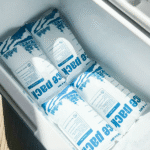
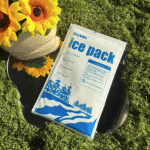
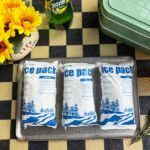
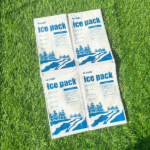
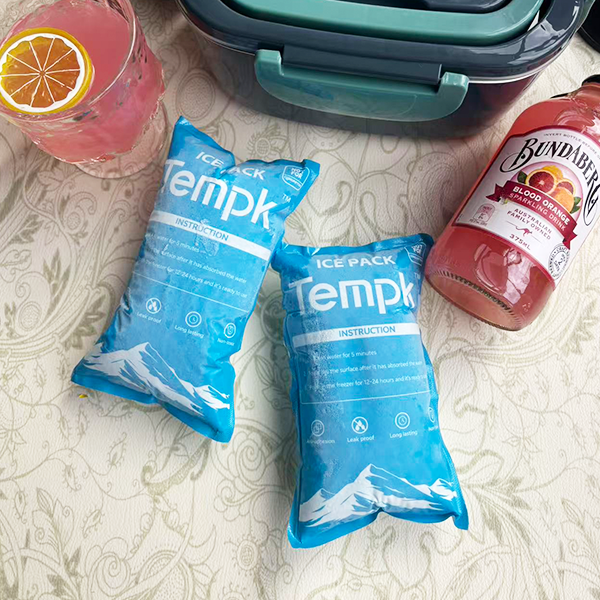
Ein feuchtigkeitsspendender Trockeneisbeutel ist eine durch Wasser aktivierte Zellfolie, die vor der Verwendung eingefroren wird. Es kann breit gefächert sein, Flexible Kühlung rund um Süßigkeiten, aber es bleibt ein Bestandteil des Versandsystems. Es sollte nicht als festes Kohlendioxid behandelt werden, als qualifizierter Versender allein, oder als Beweis einer universellen Dauer. Ziel ist es, die Textur zu schützen, Form, Beschichtungen, und Präsentation, ohne dass schädliche Kältebrücken oder Kondensation entstehen.
Die endgültige Auswahl muss die Komposition verbinden, thermisches Verhalten, materielle Integrität, Isolierung, Nutzlastgeometrie, Konditionierung, Streckenbelichtung, Überwachung, und Betriebskontrolle. Als tatsächliches festes Kohlendioxid wird vorgeschlagen, seine gesonderten Sicherheits- und Transportanforderungen gehen in den Plan ein. Als wasserbasierte Folie wird vorgeschlagen, das Produkt anhand seiner eigenen Dokumentation klassifizieren und genehmigen.
Eine gemischte Süßwarenbestellung kann Bonbons enthalten, Gummibärchen, geschwenkte Stücke, gefüllte Süßigkeiten, und mit Schokolade überzogene Artikel im selben Paket. Ihre Wärmeempfindlichkeit ist nicht identisch. Eine Verpackung, die ein beschichtetes Stück an einer heißen Laderampe schützt, kann für ein stabiles Bonbon unnötig sein und zu Kondensation führen, wenn das Paket in einen klimatisierten Empfangsraum gelangt. Die sinnvolle Designfrage ist daher nicht, ob sich das Kühlmittel kalt anfühlt. Es geht darum, ob das gesamte Paket bei jeder Übergabe jede SKU innerhalb ihrer eigenen Qualitätsgrenzen hält.
Schreiben Sie eine einseitige Versandanforderung, bevor Sie Lieferanten kontaktieren. Geben Sie Produktidentität und -zustand an, Primärpaket, Nutzlastabmessungen und -masse, Versandtemperatur, obere und untere Akzeptanzgrenzen, Route und Übergaben, saisonale Exposition, Isolierung, Empfangsprozess, Überwachungsentscheidung, geplantes Volumen, und geltenden Qualitäts- oder Marktanforderungen. Markieren Sie Unbekannte für den Piloten.
Trennen Sie Produktsicherheitsgrenzwerte von Qualitätspräferenzen und Verpackungsschadensgrenzwerten. Sie können zu unterschiedlichen Sensorpositionen und -aktionen führen. Der Empfänger sollte wissen, welche Beobachtung oder welcher Datensatz die Akzeptanz auslöst, halten, Untersuchung, oder Disposition. Ein thermisches Design kann erst dann optimiert werden, wenn die Entscheidungsregel klar ist.
Wählen Sie die Kühlmittelarchitektur nach Fehlermodus
Vergleichen Sie Technologien mit der Anforderung. Trinklaken bieten eine flache Aufbewahrung vor der Aktivierung, breite Flächenabdeckung, und flexible Zellgeometrie. Gelpackungen kann in einigen gekühlten Paketen einfacher einzusetzen sein. PCM kann um eine engere Phasenänderungsbedingung herum ausgewählt werden. Festes Kohlendioxid unterstützt geeignete Tiefkühlanwendungen, unterliegt jedoch besonderen Handhabungs- und Transportkontrollen. Aktive Ausrüstung kann auf komplexen Fahrspuren mit hohem Risiko gerechtfertigt sein.
Innerhalb von Süßigkeiten, Produkt- und Routenfälle müssen noch segmentiert werden. Die Tabelle zeigt, warum nicht davon ausgegangen werden kann, dass eine einzige Katalog-SKU jeden Fall abdeckt.
| Produkt- oder Routenfall | Hauptexposition oder Misserfolg | Nützliche Designantwort | Annahme, die es zu vermeiden gilt |
|---|---|---|---|
| Bonbons und Lutschtabletten | Hitze, Luftfeuchtigkeit, kleben, und zerkleinerte Einzelhandelspackungen | Verwenden Sie die Kühlung nur, wenn die Produktspezifikation oder die Streckenlage dies rechtfertigen | Feuchtigkeitskontrolle und Kartonfestigkeit sind möglicherweise wichtiger als Tiefenkühlung |
| Gummis und weiche Kausnacks | Erweichung, Verformung, Oberflächenklebrigkeit, und Geschmacksmigration | Nutzen Sie eine breite, aber gepufferte Kühlung mit stabiler Kartongeometrie | Vermeiden Sie direkten Kontakt mit der Verpackung, der das Produkt benetzen oder lokal verhärten kann |
| Bonbons mit Schokoladenüberzug | Erweichung der Beschichtung, Blührisiko, Abrieb, und Präsentationsverlust | Kontrollieren Sie Wärmezunahme und Temperaturschwankungen, nicht einfach die niedrigstmögliche Temperatur | Planen Sie die Akklimatisierung so, dass beim Öffnen der Kühlakkus kein Kondenswasser entsteht |
| Gefüllte oder geschichtete Süßigkeiten | Anderes Fett, Zucker, und Feuchtigkeitsphasen reagieren unterschiedlich | Bestätigen Sie den Endproduktgrenzwert mit dem Qualitätspersonal, bevor Sie Kühlmittel auswählen | Ein allgemeiner Bonbon-Sollwert schützt möglicherweise nicht jede Ebene |
Wählen Sie die einfachste Technologie, die ein angemessenes Ergebnis schafft, demonstrierte Marge, ohne eine größere Kaltseite einzuführen, Feuchtigkeit, Handhabung, oder Compliance-Risiko. Wenn zwei Optionen realisierbar erscheinen, Vergleichen Sie sie mit derselben Nutzlast, Profil, Akzeptanzregel, und Gesamtkostengrenze.
Übersetzen Sie die Routenbelichtung in die Packplatzierung
Bauen Sie die Architektur von außen nach innen auf: Umkarton oder wiederverwendbarer Behälter, Isolierung, Bei Bedarf Liner oder Dampfkontrolle verwenden, Kühlmittelstandort, Puffer, Nutzlasthalter, Produktpakete, Headspace-Management, Sensorpositionen, Schließung, und Etiketten. Jede Schicht sollte einen Job haben. Das Entfernen oder Verschieben einer Ebene nach der Qualifizierung ist eine Designänderung, keine harmlose Verpackungsvorliebe.
Bei der Routenanalyse sollte die lokale Unterkühlung explizit untersucht werden, wenn ein gefrorenes Blatt einen dünnen Einzelhandelskarton berührt, Warme Luft dringt durch den Kopfraum ein und verhindert die Randkühlung, Auf der Verpackung bildet sich Kondenswasser, wenn ein kaltes Paket in feuchter Luft geöffnet wird, Mechanischer Abrieb, wenn sich ein nasses oder schlecht entwässertes Blatt während des Transports verschiebt, und saisonale Packouts, die weiterhin verwendet werden, nachdem sich die Fahrspurbedingungen geändert haben. Verwenden Sie Alternativen wie z. B. kein Kühlmittel mit verbesserter Isolierung für milde Fahrspuren, Konditionierte Gelpackungen für mäßige Hitzeeinwirkung, Phasenwechselmaterial, ausgewählt nach einem produktspezifischen Sortiment, und festes Kohlendioxid nur für einen wirklich gefrorenen Bedarf und eine entsprechende konforme Verpackung, bei der sie die Belastung direkter lösen. Zum Beispiel, Eine bessere Fahrzeugkontrolle kann auf einer dichten Strecke effektiver sein, während ein Paketnetzwerk möglicherweise einen stärkeren passiven Schutz an Wänden und Übergaben benötigt.
Zu den anwendungsspezifischen technischen Überlegungen gehört Zucker, fett, Wasseraktivität, Beschichtungsart, Stückgeometrie, und die Primärverpackung beeinflussen alle, wie ein Süßwarenartikel auf Hitze und Kühlung reagiert., Eine Zellplatte bietet eine größere Oberfläche als ein starrer Block, Dies kann die Wärmeableitung verbessern, erhöht aber auch den Bedarf an einer Pufferschicht., Das in einer absorbierenden Struktur gehaltene gefrorene Wasser speichert Kühlung durch fühlbare Wärme und Phasenwechsel; es reproduziert nicht die Temperatur von festem Kohlendioxid., Luftlücken, Reflektierende Liner, Wellpappe, Isolationsdicke, und die thermische Masse der Nutzlast bestimmen, wie schnell die Wärme das Produkt erreicht., und Der Taupunkt beim Auspacken ist wichtig, da eine kalte Oberfläche, die feuchter Luft ausgesetzt ist, Feuchtigkeit ansammeln kann, selbst wenn das Produkt nie seinen oberen Grenzwert überschreitet. Wandeln Sie jede Materialbetrachtung in ein Zeichnungsmerkmal um, Lieferantenkontrolle, Bedienschritt, Inspektion, oder Protokollvariable. Ansonsten bleibt es eine Beobachtung, die Routinetransporte nicht schützen kann.
Bewerten Sie den Hersteller hinsichtlich Beweisen und Kontrolle
Nutzen Sie Entscheidungs-Gates, um Hersteller zu vergleichen. Dies verhindert, dass die Beschaffung den Stückpreis vor der Zusammenstellung vergibt, Beweis, Produktionskontrolle, und Maßstab wurden überprüft.
| Entscheidungstor | Bedingung bestanden | Warnschild |
|---|---|---|
| Anwendungstauglich | Der Lieferant fragt nach Süßigkeiten, Nutzlast, Route, Isolierung, und Akzeptanzgrenzen | Die Packungsanzahl wird allein anhand des Schlüsselworts oder der Kartongröße angegeben |
| Spezifikation | Abmessungen, Materialien, Aktivierung, Toleranzen, und Verwendungszweck werden beschrieben | Die Probe wird als gesamte Spezifikation behandelt |
| Beweis | Testbedingungen und Systemgrenzen werden offengelegt | Komponentenansprüche werden als universelle Verpackungsleistung dargestellt |
| Qualitätskontrolle | Rückverfolgbarkeit von Chargen, Inspektion, Nichtkonformität, und Änderungsbenachrichtigung definiert sind | Ein Ersatz ist ohne Käuferbewertung zulässig |
| Skala | Kapazität, Kartonverpackung, Annahmen zur Vorlaufzeit, und Spitzenplanung werden besprochen | Es wird nur die nominale monatliche Produktion besprochen |
| Unterstützung | Es stehen produktionsrepräsentative Muster und ein Streckenversuchsplan zur Verfügung | Dem Käufer wird dringend empfohlen, den Pilotfilm zu überspringen |
Nach dem ersten Bildschirm, produktionsrepräsentative Muster und eine schriftliche Spezifikation anfordern. Überprüfen Sie die vom Hersteller vorgeschlagenen Toleranzen, Testmethoden, Losidentifikation, Umgang mit Nichtkonformitäten, Rückstellproben, Beschwerdeantwort, und Ankündigungsfrist für Änderungen. Definieren Sie, wem die Werkzeuge gehören, Kunstwerk, und Genehmigung kundenspezifischer Zellmuster oder Verpackungen.
Kommerzielle Begriffe sollten Annahmen sichtbar machen. Angebotseinheit bestätigen, trockener oder aktivierter Zustand, Kartonmenge, Palettierung, Mindestbestellmenge, Vorlaufzeitbasis, Probenstatus, Frachtbegriff, Dokumentation, und Spitzenkapazität, ohne aus einer unbestätigten Zahl ein Leistungsversprechen zu machen. Vergleichen Sie die Anschaffungs- und Betriebskosten im gleichen Umfang.
Qualifizieren Sie das gesamte Paket, Frieren Sie dann die Spezifikation ein
Die Qualifizierung beginnt mit einem genehmigten Protokoll und endet mit einem kontrollierten Bericht, Zeichnung, Spezifikation, und Arbeitsanweisung. Testen Sie die vorgesehene Nutzlast oder einen begründeten Ersatz, echte Isolierung und Kühlmittel, definierte Konditionierung, Montagevariante, ein repräsentatives oder risikobasiertes Umgebungsprofil, angemessene Dauer, und vorab vereinbarte Akzeptanzkriterien. Beziehen Sie körperliche Inspektion und Empfangsverhalten ein.
Hilfreiche Entscheidungshilfen
Überprüfen Sie die Details, bevor Sie sich für die Verpackung entscheiden
Mit diesen schnellen Tools können Sie das Routenrisiko vergleichen, Größenanforderungen, Kühlmittelauswahl, und Verpackungsdetails, bevor Sie ein Angebot anfordern.
Kühlmittel & PCM-Referenz
Vergleichen Sie Kühlmittel- und PCM-Optionen, wenn eine Route zusätzliche Temperaturunterstützung benötigt.
Vergleichen Sie OptionenVerpackungsauswahl
Vergleichen Sie isolierte Verpackungsoptionen nach Produkt, Route, und Temperaturbedarf.
Verpackung findenBoxliner & Dimensionierung der Palettenabdeckung
Überprüfen Sie die Größenlogik für Kartoneinlagen und Palettenabdeckungen für isolierte Verpackungsprojekte.
Schätzen Sie die GrößePlatzieren Sie Holzfäller an voraussichtlich warmen und kalten Risikostandorten. Bei einer nur in der Mitte befindlichen Karte können Wandwärme und gefrorener Kontakt fehlen. Genauigkeit definieren, Kalibrierungsstatus, Intervall, Synchronisation, Start- und Stopplogik, Dateneigentum, und Behandlung von Anomalien. Wiederholen Sie den Test ausreichend, um die Systemvariation zu verstehen, anstatt einen günstigen Lauf auszuwählen.
Operationalisieren Sie diese Kontrollen: Separater Sommer, Nebensaison, und Anweisungen für mildes Wetter, anstatt sich auf eine Ganzjahresverpackung zu verlassen., Hydratisieren Sie mit einer kontrollierten Methode, überschüssiges Oberflächenwasser abfließen lassen, und die Blätter in einer wiederholbaren Ausrichtung einfrieren., Verwenden Sie einen Abstandshalter, Ärmel, oder Produktschale, wenn der direkte Kontakt mit dem Gefriergut die Verpackungen verfärben oder kalte Stellen erzeugen könnte., Anzahl der Rekordpakete, Konditionierungsstatus, Montagezeit, und Versandbedingungen für Pilotsendungen., und Geben Sie den Empfängern eine Öffnungs- und Akklimatisierungsanweisung, wenn Kondensation die Präsentation beeinträchtigen könnte. Die Schulung sollte die Vermeidung falscher Komponenten beinhalten, Überprüfung des Einfrierstatus, Zurückweisung beschädigter Blätter, Routenvariantenauswahl, und Abweichungseskalation. Beobachten Sie die tatsächlichen Bediener beim Start; Unklarheiten treten oft erst bei Produktionsgeschwindigkeit auf.
Wenden Sie auch die entsprechenden Anspruchsgrenzen an. Süßigkeiten sind Essen, also Hygiene, geeignete Materialien, und Schutz vor Kontamination bleiben auch dann relevant, wenn es bei der Kühlung vor allem um die Qualität geht., Der erforderliche Produktzustand sollte sich aus der Süßwarenspezifikation und den geltenden Marktregeln ergeben, nicht aus einem generischen Kühlmittelanspruch., und wenn das gewählte Blatt kein festes Kohlendioxid enthält, Ein Marketingname, der Trockeneis beinhaltet, begründet allein noch keine UN1845-Klassifizierung; Käufer sollten die Zusammensetzung und Trägerbehandlung bestätigen. Wenn Produkt, Nutzlast, Kühlmittel, Isolierung, Konditionierung, Route, Träger, Jahreszeit, Website, Logger, oder Materialänderungen des Lieferanten, Lassen Sie das Qualitätsteam entscheiden, ob das Dokument überprüft wird, Bestätigungstests, oder es ist eine Umqualifizierung erforderlich.
Verwalten Sie die Kosten, ohne auf die Produktpräsentation verzichten zu müssen
Berechnen Sie die Kosten pro erfolgreicher Sendung, nicht Preis pro trockenem Blatt. Berücksichtigen Sie eingehende Fracht und Cube, Lagerung, Hydratationswasser, Arbeit, Drainage, Energie und Kapazität des Gefrierschranks, Gestelle, Puffer, Isolierung, Montagezeit, Überwachung, Ausschuss, Leckage, Produktschäden, Kundendienst, Entsorgung, kehrt zurück, und die Kosten einer fehlgeschlagenen oder verspäteten Lieferung. Geben Sie an, welche Posten gemessen werden und welche Annahmen vorliegen.
Eine flache, trockene Lagerung kann den eingehenden Würfel vor der Aktivierung reduzieren, aber Flüssigkeitszufuhr, Gefrierenergie, Wasserverbrauch, Filmwiederherstellung, und Produktabfälle gehören in die gleiche Beurteilung.
Eine leichtere Verpackung ist nicht automatisch die Option mit den geringeren Auswirkungen, wenn sie zu mehr beschädigten Süßigkeiten oder zu Notrücksendungen führt.
Eine Wiederverwendung sollte nur aus hygienischen Gründen in Betracht gezogen werden, Inspektion, Trocknen, Rücktransport, und Leistung nach vorherigen Zyklen werden kontrolliert.
Optimieren Sie in kontrollierten Schritten. Überschüssigen Kopfraum entfernen, Verbessern Sie die Passform der Isolierung, Passen Sie die Kühlmittelplatzierung an, Erstellen Sie qualifizierte saisonale Varianten, Vereinfachen Sie die Bewegungen des Bedieners, oder verbessern Sie den Empfangszeitpunkt, bevor Sie den thermischen Spielraum ohne Beweise verringern. Verfolgen Sie die Produktakzeptanz, Ausflüge, Schaden, Beschwerden, Packungsverlust, Arbeit, und Energie nach Routenfamilie.
Ein stabiles Programm bedeutet nicht ein eingefrorenes Design. Das bedeutet, dass Änderungen mit einem Grund vorgeschlagen werden, gegen die Systemgrenze ausgewertet, bei Bedarf getestet, genehmigt, dokumentiert, ausgebildet, und nachgezeichnet. Diese Disziplin ermöglicht Kosten- und Nachhaltigkeitsverbesserungen, ohne das Live-Vertriebsnetz in ein unkontrolliertes Experiment zu verwandeln.
Häufig gestellte Fragen
Benötigt jede Süßigkeitensendung eine Tiefkühlpackung??
NEIN. Einige Hartbonbons vertragen normale Paketbedingungen besser als überzogene, gefüllt, oder gummiartige Produkte. Beginnen Sie mit der Spezifikation des fertigen Produkts, erwartete Streckenexposition, und Präsentationsrisiko. Unnötige Kühlung kann zu Kondensation führen, Gewicht, Arbeit, und Kosten senken, ohne die Lieferqualität zu verbessern.
Kann ein feuchtigkeitsspendender Trockeneisbeutel Süßigkeitenschachteln direkt berühren??
Durch direkten Kontakt können lokale Kältebrücken entstehen, Feuchtigkeitsübertragung, oder Abrieb, insbesondere bei dünnen Einzelhandelskartons. Ein Abstandshalter, Ärmel, Tablett, oder Liner ist oft einen Versuch wert. Die genehmigte Anordnung sollte auf einem Test mit verpackten Produkten und nicht nur auf der Kühlmittelplatte basieren.
Ist ein wasseraktivierter Trockeneisbeutel, der als festes Trockeneis reguliert wird?
Nicht automatisch. Festes Kohlendioxid ist ein spezifischer Stoff mit Transportanforderungen. Eine durch Wasser aktivierte gefrorene Folie kann eine andere Zusammensetzung haben. Fordern Sie die Produktbeschreibung und Sicherheitsdokumentation an, Bestätigen Sie dann die Klassifizierung mit dem Spediteur für den geplanten Modus und die geplante Spur.
Wie sollte eine Süßwarenmarke Muster von Herstellern vergleichen??
Konditionieren Sie jede Probe mit dem gleichen Hydratations- und Gefrierverfahren, Verwenden Sie die gleiche Ladung Süßigkeiten und den gleichen Karton, Setzen Sie die Parzellen demselben Profil aus, und platzieren Sie die Temperatursensoren gleichmäßig. Vergleichen Sie auch die Leckage, Abmessungen, Bearbeitungszeit, Geruch, drucken, und Produktionschargenkonsistenz.
Welche Informationen sollten gesendet werden, bevor ein Angebot angefordert wird??
Geben Sie die Art der Süßigkeiten an, Primär- und Sekundärverpackung, Nutzlastabmessungen, Paketgröße, Streckendauer, saisonale Exposition, Versand- und Empfangsbedingungen, gewünschte Individualisierung, geschätztes Volumen, und die von Ihrem Qualitätsteam geforderten Nachweise. Diese Informationen ergeben einen aussagekräftigeren Vorschlag als die Packungsgröße allein.
Genehmigen Sie ein kontrolliertes System, Kein isolierter Anspruch
Das beste Sourcing-Ergebnis verbindet sechs Entscheidungen: der Nutzlastbedarf, Kühltechnik, Pack-Architektur, Herstellerkontrollen, Qualifikationsnachweis, und Betriebsablauf. Falls ein Link fehlt, Der Käufer verlässt sich auf eine Annahme, die im großen Maßstab oder auf einem anderen Weg scheitern kann.
Für Süßigkeiten, Der praktische nächste Schritt besteht darin, das Produkt zu dokumentieren, Route, Nutzlast, Isolierung, Versand- und Empfangsbedingungen, saisonale Exposition, und Beweisbedarf. Nutzen Sie dieses Briefing, um Produktionsmuster zu vergleichen und einen Versuch zu entwerfen. Erst dann die kommerzielle Spezifikation und den Rollout-Plan einfrieren.
Über Tempk
Tempk bietet wasseraktivierte Zellblätter und ähnliches Kühlkettenverpackung Unterstützung für Lebensmittel, Meeresfrüchte, medizinische Proben, und andere temperaturempfindliche Sendungen. Für Süßigkeiten, Tempk kann Nutzlast- und Routeneingaben überprüfen, Schlagen Sie Blatt- und Zellenformate vor, Besprechen Sie Material- und Druckoptionen, und bereiten Proben für Packout-Versuche vor. Die endgültige Versandkonfiguration sollte anhand der Produktanforderungen des Kunden und der Nachweise für das gesamte isolierte System genehmigt werden, mit angepassten Produktions- und Änderungskontrollen vor der Skalierung.
Senden Sie Tempk Ihre Lieferbeschreibung für Süßigkeiten und den erwarteten Bestellumfang, um die Optionen für Kühlmittelblätter zu besprechen, benutzerdefinierte Zellengeometrie, Produktionsmuster, und eine routenbasierte Packout-Überprüfung.