Versandverpackung für verderbliche Lebensmittel: So wählen Sie eine zuverlässige Kühlkettenverpackung aus
Versandverpackungen für verderbliche Lebensmittel sollten rückwärts gewählt werden, nicht ab einer Katalogseite. Beginnen Sie mit dem Produktzustand, der bei Erhalt erforderlich ist, die Versanddauer, die Übergabepunkte, und den Empfangsprozess. Dann entscheiden Sie, welche Isolierung, Kühlmittel, Karton, und Anweisungen können dieses Profil realistisch unterstützen. Für Fleisch, Meeresfrüchte, Molkerei, Mahlzeiten, Fertiggerichte, frische Produkte, Schokolade, Backwaren, und gefrorene Desserts, Das ist der Unterschied zwischen einem kalt aussehenden Paket und einem kontrollierten, wiederholbare Verpackung.
Dieser Artikel konzentriert sich auf praktische Kaufentscheidungen. Es trennt Verpackungskomponenten von qualifizierter Leistung, zeigt, was Lieferanten zu fragen haben, und erklärt, wo Lebensmittelsicherheit liegt, Handhabung von Trockeneis, Feuchtigkeitskontrolle, und Nachhaltigkeit beeinflussen die endgültige Wahl.
Definieren Sie die akzeptable Ankunft für jede Lebensmittelkategorie
Der nützlichste erste Schritt besteht darin, zu beschreiben, was eine akzeptable Ankunft bedeutet. Für Fleisch, Meeresfrüchte, Molkerei, Mahlzeiten, Fertiggerichte, frische Produkte, Schokolade, Backwaren, und gefrorene Desserts, Die Annahme kann mit der Temperatur zusammenhängen, Aussehen, Feuchtigkeit, Produkttextur, Kartonintegrität, Sicherheitshinweise, oder dokumentierte Eingangsschecks. Wenn das Team die Akzeptanz nicht definieren kann, Es besteht die Versuchung, Verpackungen anhand des Materialnamens oder der Lieferantenangabe zu kaufen. Dies führt in der Regel entweder zu unzureichendem Schutz oder zu unnötigen Kosten.
Für verderbliche Lebensmittel gelten keine einheitlichen Temperaturregeln; gekühlt, gefroren, und hitzeempfindliche Produkte benötigen jeweils einen bestätigten Sollzustand und eine Verpackung, die diesen unterstützt. Dieser Satz sollte in eine praktische Betriebsanforderung für jede SKU-Gruppe umgewandelt werden. Ein gefrorener Gegenstand, ein gekühlter Artikel, und ein hitzeempfindlicher Artikel kann in ähnlichen Kartons transportiert werden, aber sie haben nicht den gleichen Fehlermodus. Definieren Sie zunächst den Fehler: auftauen, Erweichung, Kondensation, Blutergüsse, undicht, Temperaturabweichung, zerkleinerte Einzelhandelsverpackung, oder fehlende Informationen zu Trockeneis.
Sobald die Annahmebedingung klar ist, Vergleichen Sie Materialien mit dieser Bedingung. Die Frage ist nicht mehr, ob ein Liner generell besser ist als ein anderer. Es stellt sich die Frage, ob die gewählte Kombination der Isolierung, Kühlmittel, Produktplatzierung, Kartonstärke, und Empfangsanweisungen unterstützen das genaue Sendungsprofil.
Planen Sie die Route, bevor Sie die Checkliste erstellen
Ein Routenprofil ist eine kurze betriebliche Beschreibung der Art und Weise, wie sich die Sendung bewegt. Es sollte die Startbedingung des Produkts enthalten, Verpackungsort, Inszenierungszeit, Transportdienst, erwartete Verweilpunkte, Jahreszeit, Empfängertyp, und was passiert, wenn sich die Lieferung verzögert. Dieses Profil muss nicht kompliziert sein, aber es sollte ehrlich sein. Ein Paket, das in einem kontrollierten Test funktioniert, kann scheitern, wenn die tatsächliche Route ein warmes Dock oder eine lange Exposition auf der Veranda beinhaltet.
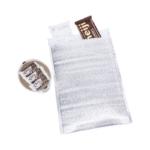
Die Komponentenliste sollte dann ausgehend vom Lebensmittel aufgebaut werden. Typische Elemente sind primäre Lebensmittelverpackungen, sekundäre Leckage oder Feuchtigkeitskontrolle, Isolierung, Kühlmittel oder Kältemittel, Außenkarton, Kennzeichnung und Handhabungshinweise, Checkliste für den Empfang. Jedes Element sollte einen Grund haben. Die Innenhülle schützt das Produkt. Die Feuchtigkeitskontrolle schützt den Karton und die Präsentation. Isolierung verlangsamt die Wärmeentwicklung. Kühlmittel verwaltet die thermische Belastung. Der äußere Karton übernimmt die Kompression, Beschriftung, und Trägersortierung. Wenn ein Element keine eindeutige Funktion hat, Es kann zu höheren Kosten führen, ohne das Risiko zu verringern.
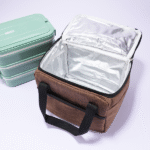
Der Routenabgleich verhindert auch zu sichere Ersetzungen. A Thermobeutel Wird für die Zustellung durch den Fahrer verwendet, funktioniert es möglicherweise nicht als isolierter Paketversender. Eine Kartoneinlage, die für gekühlte Lebensmittel geeignet ist, schützt ein gefrorenes Dessert möglicherweise nicht. Eine Trockeneisverpackung eignet sich möglicherweise nicht für ein Produkt, das durch extreme Kälte beschädigt werden kann, oder für eine Spur, auf der der Versender nicht auf Trockeneismarkierungen vorbereitet ist.
| Verpackungsfrage | Was für eine starke Antwort beinhaltet | Was zu vermeiden ist |
|---|---|---|
| Welcher Zustand muss eintreffen? | Produktstatus löschen, visuelle Anforderung, und Aktion empfangen | Vage Formulierungen wie „Keep it cold“.. |
| Welche Route wird geschützt?? | Träger, Dauer, Übergaben, Jahreszeit, und Empfängertyp | Verwendung eines Packouts für jede Spur ohne Überprüfung. |
| Wie wird das Kühlmittel gemanagt?? | Konditionierung, Platzierung, Trennung, und Trockeneisregeln, falls verwendet | Fügen Sie mehr Kühlmittel hinzu, ohne Produktschäden oder Etiketten zu überprüfen. |
| Ist die Verpackung wiederholbar?? | Einfache Packreihenfolge und produktionsähnlicher Test | Eine Probe, die anders als die Realität im Lager zusammengestellt wurde. |
| Welche Beweise unterstützen es? | Testkontext, Lieferantenspezifikation, und Erhalt von Schecks | Uneingeschränkte Wartezeitansprüche oder weitreichende Compliance-Versprechen. |
Kontrolllecks, Feuchtigkeit, Bewegung, und Anweisungen
Die Temperatur ist nur eine Möglichkeit, warum eine Lebensmittellieferung scheitern kann. Feuchtigkeit kann Kartons aufweichen, Fleckenetiketten, Beschädigung der Geschenkverpackung, und ein Paket unsicher machen. Durch Bewegung können Einzelhandelsverpackungen zerdrückt werden oder Kühlmittel aus dem Bereich verdrängt werden, den es schützen sollte. Kommunikationsfehler können dazu führen, dass Empfänger Trockeneis berühren, Produkte weglassen, oder falsch einschätzen, welche Bedingung akzeptabel ist. Gute Versandverpackungen für verderbliche Lebensmittel gehen bewusst auf diese Risiken ein, die nicht auf die Temperatur zurückzuführen sind.
Zur Feuchtigkeitskontrolle kann eine versiegelte Primärverpackung erforderlich sein, absorbierende Schichten, auslaufsichere Beutel, oder Materialien, die Kondensation vertragen. Bei der Bewegungskontrolle kann es sich um Kartons mit der richtigen Größe handeln, Trenner, Feste Hohlraumfüllung, oder eine Einlage, die passt, ohne zusammenzufallen. Die Kommunikation kann eine einfache Umgangssprache umfassen, Vorsicht bei Trockeneis, sofern zutreffend, und Erhalt von Anweisungen, die zur Lebensmittelkategorie passen. Diese Details sind im Vergleich zur Wahl der Isolierung klein, Aber oft entscheiden sie darüber, ob sich die Sendung professionell behandelt anfühlt.
Der Käufer sollte auch die Kartonfestigkeit unter realen Bedingungen berücksichtigen. Ein im trockenen Zustand stabiler Karton kann schwächer werden, wenn er Kondenswasser oder Produktaustritt ausgesetzt ist. Ein Liner, der im leeren Zustand ordentlich aussieht, kann sich unter dem Produktgewicht verformen. A Kühlmittelpaket das sicher in einer Probe sitzt, kann bei der Paketsortierung verrutschen. Produktionsversuche sollten nach diesen praktischen Fehlerquellen suchen.
Gehen Sie mit Lieferantenansprüchen vorsichtig um
Lieferantendaten sind wertvoll, wenn sie spezifisch sind. Fragen Sie, was getestet wurde, wie es verpackt war, welches Umgebungsprofil verwendet wurde, wo Sonden platziert wurden, und was als Pass galt. Für den Vergleich kann die Behauptung nützlich sein, dass ein Paket eine bestimmte Laufzeit unterstützt, Es sollte jedoch nicht als universelle Routengarantie betrachtet werden. Nutzlast, Kühlmittel, Jahreszeit, und Trägerexposition kann das Ergebnis verändern.
Die Compliance-Sprache erfordert die gleiche Vorsicht. Verpackungen können die Lebensmittelsicherheit oder die Akzeptanz durch Transportunternehmen unterstützen, Es sorgt jedoch nicht automatisch dafür, dass eine Sendung in jedem Markt konform ist. Trockeneis erfordert möglicherweise Verpackungsmarkierungen und eine sichere Entlüftung. Für einige Lebensmittel ist möglicherweise eine spezielle Temperaturkontrolle oder -dokumentation erforderlich. Exportsendungen erfordern möglicherweise eine zusätzliche Überprüfung. Der sicherste Ansatz besteht darin, die Anforderungen mit dem Qualitätsteam zu bestätigen, Träger, und die geltenden lokalen Regeln vor dem Start.
Ein ausgereiftes Lieferantengespräch beinhaltet Grenzen. Fragen Sie, wo die vorgeschlagene Verpackung nicht verwendet werden soll. Fragen Sie, welche Änderung einen erneuten Test oder eine Überprüfung auslösen würde. Fragen Sie nach, ob Muster- und Produktionsmaterialien identisch sind. Fragen Sie, wie wesentliche Änderungen kommuniziert werden. Diese Fragen schützen Käufer davor, sich auf attraktive, aber unvollständige Ansprüche zu verlassen.
Ein Lagerszenario mit mehreren Produkten
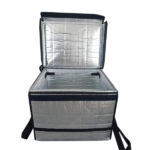
Eine Lebensmittelmarke verschickt Essenssets, Käse, und Dessertproben aus demselben Lager. Aufgrund der Feuchtigkeit kann das Team nicht sicher eine Standardbox für jede SKU verwenden, Temperaturbereich, Kühlmittelkontakt, und die Empfangserwartungen ändern sich je nach Produkt. Eine routenbasierte Überprüfung würde nicht mit einem Katalog beginnen. Es würde mit der Produktgruppe beginnen, gewünschter Ankunftszustand, erwartete Verweildauer, Kartonpräsentation, und Empfängeraktion. Von dort, Der Käufer kann entscheiden, ob er einen testet Isolierte Boxauskleidung, ein starr isolierter Versender, eine Thermotasche für die Lieferung vor Ort, oder eine saisonale Kühlmittelanordnung.
Hilfreiche Entscheidungshilfen
Überprüfen Sie die Details, bevor Sie sich für die Verpackung entscheiden
Mit diesen schnellen Tools können Sie das Routenrisiko vergleichen, Größenanforderungen, Kühlmittelauswahl, und Verpackungsdetails, bevor Sie ein Angebot anfordern.
Kühlmittel & PCM-Referenz
Vergleichen Sie Kühlmittel- und PCM-Optionen, wenn eine Route zusätzliche Temperaturunterstützung benötigt.
Vergleichen Sie OptionenBoxliner & Dimensionierung der Palettenabdeckung
Überprüfen Sie die Größenlogik für Kartoneinlagen und Palettenabdeckungen für isolierte Verpackungsprojekte.
Schätzen Sie die GrößeRoutenrisiko-Checker
Überprüfen Sie die Fahrspurbedingungen, bevor Sie die Verpackung entsprechend den tatsächlichen Betriebsanforderungen auswählen.
Streckenrisiko prüfenDas Erstmuster sollte wie bei der Produktion verpackt werden. Wenn das Lagerpersonal schnell packt, Der Prozess sollte nicht auf einer sorgfältigen, einmaligen Vereinbarung beruhen. Wenn Kühlmittel in einem vorhandenen Gefrierschrank konditioniert werden soll, Der Prozess sollte dasselbe Verfahren verwenden. Wenn Verbrauchersendungen eine Anleitungskarte enthalten, der Prozess sollte es beinhalten. Das Ziel besteht nicht darin, eine perfekte Demonstration zu erstellen; Es geht darum herauszufinden, ob das Packout unter den Betriebsbedingungen funktioniert, die das Unternehmen tatsächlich nutzen wird.
Nach dem Prozess, Überprüfen Sie die Fehlerpunkte konkret. Hat sich der Produktzustand geändert?? War der Karton nass?? Hat sich das Kühlmittel bewegt?? Hat der Empfänger die Anweisungen verstanden?? Hat das Packout zur Packbank gepasst?? Diese Art der Überprüfung führt zu besseren Verbesserungen, als einfach eine dickere Auskleidung oder mehr Kühlmittel zu bestellen.
Kosten und Nachhaltigkeit für verderbliche Routen
Kosten und Nachhaltigkeit werden oft getrennt diskutiert, aber sie haben die gleiche Wurzel: fit. Eine Verpackung in der richtigen Größe reduziert den Frachtabfall, Stauraum, Kühlmittelbedarf, und Materialentsorgung. Eine fehlgeschlagene Lieferung verschwendet alles, was sich im Karton befindet. Eine wiederverwendbare Komponente kann auf einem kontrollierten Rückweg eine gute Option sein, während ein recycelbarer oder einfach zu entsorgender Liner möglicherweise besser für den Einwegversand an Verbraucher geeignet ist.
Verpackung in der richtigen Größe, Wo es geeignet ist, recycelbare Einlagen, wiederverwendbare Kältemittel auf kontrollierten Spuren, und reduzierter Produktabfall durch bessere Routenplanung sind nur dann praktische Optionen, wenn sie zur Route passen. Erzwingen Sie keine Wiederverwendung, wenn die Rücksendelogistik schwach ist. Wählen Sie kein leichtes Material, wenn es den Produktverlust erhöht. Wählen Sie kein Hochleistungssystem für eine lokale Fahrspur mit geringem Risiko, ohne die Gesamtkosten zu prüfen. Die beste Entscheidung ist der Produktschutz, Arbeit, Lagerung, Fracht, Abfall, und Kundenakzeptanz.
Beschaffungsteams sollten die Gesamtauswirkungen auf den Betrieb und nicht nur den Stückpreis vergleichen. Überprüfen Sie die Materialkosten, Packzeit, Gefrier- oder Lagerbedarf, Kartonwürfel, Schadens- oder Ausschussrate, Belastung durch den Kundenservice, und Anweisungen zur Entsorgung oder Rückgabe. Dies gibt Käufern einen besseren Überblick über den Wert, als wenn sie einfach die kostengünstigste isolierte Komponente auswählen würden.
Abschließende Kaufcheckliste für den Versand verderblicher Lebensmittel
Vor der Genehmigung verderblicher Lebensmittelverpackungen, Bestätige fünf Dinge. Erste, Der bei der Ankunft erforderliche Produktzustand ist deutlich angegeben. Zweite, Das Streckenprofil ist realistisch, einschließlich Verweildauer und Empfängerverhalten. Dritte, Die Wahl des Kühlmittels ist mit den Produkt- und Trägervorschriften kompatibel. Vierte, Die Verpackung wurde mit einer produktionsähnlichen Verpackung getestet. Fünfte, Der Lieferant hat Spezifikationen und den verfügbaren Testkontext ohne umfassende Zusagen bereitgestellt.
Bestätigen Sie außerdem, was nach dem Start überprüft wird. Kühlkettenverpackung sollte keine einmalige Entscheidung sein. Jahreszeit, Transportdienst, Produktmix, Bestellgröße, und die Erwartungen der Kunden können sich ändern. Ein Packout, das im Frühling funktioniert, muss im Sommer möglicherweise angepasst werden. Eine kleine SKU-Änderung erfordert möglicherweise eine andere Hohlraumfüllung oder Kühlmittelanordnung. Ein neuer Träger kann andere Verweilpunkte einführen.
Wenn die Checkliste als Teil des Betriebs behandelt wird, Die Verpackung wird einfacher zu handhaben. Teams können erklären, warum eine Komponente verwendet wird, welches Risiko es kontrolliert, und wann es überprüft werden sollte. Diese Klarheit ist nützlicher, als sich auf die allgemeine Behauptung zu verlassen, dass eine Box isoliert ist oder ein Kühlmittel langlebig ist.
FAQ
Woher weiß ich, welche Versandverpackung für verderbliche Lebensmittel für mein Produkt die richtige ist??
Beginnen Sie mit dem Produktzustand, der bei der Ankunft erforderlich ist, nicht mit dem Materialnamen. Bestätigen Sie, ob das Produkt gefroren bleiben muss, gekühlt, vor Hitze geschützt, vor Feuchtigkeit geschützt, oder zur Präsentation geschützt. Passen Sie dann die Isolierung an, Kühlmittel, Karton, und Packanweisungen zur Route. Wenn der Lieferant nicht erklären kann, wie die Verpackung zu Ihrer Nutzlast und Spur passt, Fragen Sie vor der Bestellung nach mehr Kontext.
Sollte ich Trockeneis verwenden?, Gelpackungen, oder PCM-Pakete?
Die Antwort hängt von der Produktempfindlichkeit ab, erforderliche Bedingung, Route, Spediteurakzeptanz, und Handhabungsfähigkeit. Trockeneis kann für einige gefrorene Sendungen nützlich sein, erfordert jedoch möglicherweise eine belüftete Verpackung, Markierungen, und Carrier-Bewertung. Gelpackungen und PCM-Verpackungen können für gekühlte oder wärmeempfindliche Waren einfacher sein, aber sie müssen immer noch richtig konditioniert und platziert werden. Tauschen Sie Kühlmittel nicht aus, ohne die vollständige Verpackung zu überprüfen.
Ist eine Isolierbox für den Versand verderblicher Lebensmittel ausreichend??
Allein die Isolierung verlangsamt die Wärmeübertragung; es entsteht keine kontrollierte Sendung. Für eine funktionsfähige Verpackung ist auch die richtige Produktausgangsbedingung erforderlich, Bei Bedarf Kühl- oder Kältemittel nachfüllen, Leck- oder Feuchtigkeitskontrolle, Kartonstärke, Schließung, und Anweisungen erhalten. Verderbliche Versandmaterialien sind Komponenten; Sie werden erst zu einer brauchbaren Kühlkettenverpackung, wenn sie für das tatsächliche Versandprofil zusammengebaut und getestet werden. Behandeln Sie die Box als eine Komponente eines Systems.
Was sollte ich einen Lieferanten fragen, bevor ich in großen Mengen kaufe??
Fragen Sie nach Innen- und Nutzmaßen, Materialspezifikationen, Kühlmittelkompatibilität, Konsistenz von der Probe bis zur Produktion, und jeglicher Testkontext hinter Leistungsansprüchen. Fragen Sie auch nach, für welche Bedingungen das Paket nicht ausgelegt ist. Ein Anbieter, der Grenzen beschreiben kann, ist oft nützlicher als einer, der eine umfassende Aussage macht, ohne die Nutzlast zu erläutern, Umgebungsprofil, oder Routenannahmen.
Wann sollte ein Packout erneut überprüft werden??
Überprüfen Sie die Verpackung jedes Mal, wenn Sie das Produkt erhalten, Jahreszeit, Route, Transportdienst, Bestellgröße, Kühlmitteltyp, oder Änderungen des Verpackungslieferanten. Überprüfen Sie es auch nach Beschwerden, abgelehnte Lieferungen, nasse Kartons, verspätete Ankunft, oder ungewöhnliche Temperaturaufzeichnungen. Kühlkettenverpackungen sollten wie ein betrieblicher Prozess aufrechterhalten werden, nicht einmal genehmigt und vergessen.
Abschluss
Die beste Entscheidung für die Versandverpackung verderblicher Lebensmittel ist routenbasiert und evidenzbasiert. Definieren Sie eine akzeptable Ankunft, Bauen Sie die Verpackung nach außen vom Produkt aus auf, Feuchtigkeit und Bewegung kontrollieren, und Lieferantenansprüche im Kontext überprüfen. Eine Tasche, Liner, Kühlmittel, oder Karton ist nur ein Teil der Antwort. Das endgültige System muss zur Lebensmittelkategorie passen, Streckendauer, Übergabepunkte, Erwartungen des Empfängers, und Lagerworkflow. Wenn diese Faktoren aufgeschrieben werden, Verpackungen lassen sich einfacher testen, verbessern, und Maßstab.
Über Tempk
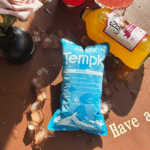
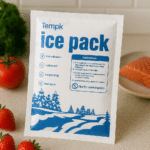
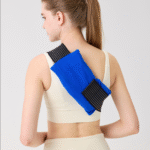
Und Tempk, Wir unterstützen Versender verderblicher Lebensmittel mit praktischen Kühlkettenverpackungskomponenten wie Isoliertaschen, isolierte Boxauskleidungen, Eisbeutel, Trockeneisbeutel mit Feuchtigkeit versorgen, Eisziegel, und Isolierkartons. Wir helfen Käufern dabei, ihre Auswahl rund um die Lebensmittelkategorie zu organisieren, Route, Kühlmittel, und Verpackungsvorgang, anstatt Lieferungen als isolierte Artikel zu behandeln.
CTA
Senden Sie Tempk Ihre Produktkategorie, Versandweg, Nutzlast, und Temperaturanforderungen, um eine praktische Verpackungsempfehlung zu besprechen.