Ein Beschaffungsplan für Lieferanten-Trockeneisbeutel für Käseverpackungen
Der beste Kühlakku ist nicht der, der am längsten gefroren bleibt. Es ist die Person, die Ihr Team identifizieren kann, Zustand, Ort, dokumentieren, und in einer Verpackung reproduzieren, die den jeweiligen Käse schützt. Eine Beschaffungssuche für einen Lieferanten Trockeneisbeutel Für Käseverpackungen sollte daher mit einer kurzen technischen Beschreibung begonnen werden, keine Preisanfrage. Der Auftrag muss auch eine Namensfalle beseitigen: Festes Kohlendioxid-Trockeneis ist ein extremes Kältemittel, das Gas freisetzt, während Trinklaken, Gelpackungen, und PCMs sind wiederverwendbare oder wieder verwendbare Kühlmittel mit unterschiedlichem Verhalten. Sobald diese Grenze klar ist, Der Einkauf kann Lieferanten anhand von Belegen vergleichen, Produktionskontrolle, betriebstauglich, und absolute Lieferqualität.
Erstellen Sie das technische Briefing
Bereiten Sie eine Käse- und Routenbeschreibung vor
Erstellen Sie für jede aussagekräftige Produktfamilie ein Briefing. Es sollte prägnant genug sein, damit ein Lieferant es verstehen kann, aber detailliert genug, um ein allgemeines Angebot zu verhindern.
Identifizieren Sie die Käsesorte, Feuchtigkeits- und Reifekategorie, Einzelhandelsformat, Primärverpackung, Gehäuseabmessungen, Nutzlastmassenbereich, Versandzustand, genehmigte Transportanforderung, voraussichtliche Route, maximale ausgewertete Zeit, und Empfangsprozess. Fügen Sie die Mängel hinzu, die wichtig sind: unsichere Temperatureinwirkung, Einfrieren, bröckelt, säubern, Ölen, Schwartenschäden, Paketleckage, Etikettenfehler, Geruchsübertragung, Kondensation, oder zerdrückte Präsentation.
Nutzen Sie den Lebensmittelsicherheitsplan des Herstellers, Etikett, und Haltbarkeitsnachweise. Allgemeine Transporthinweise lagern Käse häufig im Kühlbereich und warnen sowohl vor Hitze als auch vor Gefrieren, aber die Sorten sind unterschiedlich. Richtig gereifter Hartkäse kann ein anderes Sicherheits- und Qualitätsprofil aufweisen als Frisch- oder Weichkäse. Der Produkteigentümer muss jede SKU klassifizieren.
Kartieren Sie die Route über die Linienlaufzeit hinaus. Berücksichtigen Sie die Kommissionierung im Kühlraum, Montage, Dock-Staging, Spediteur-Sammlung, Cross-Dock, Fahrzeug- oder Flugzeugübergänge, Zoll, falls relevant, Lieferung, und Empfängerhandling. Identifizieren Sie niedrige und hohe Nutzlasten. Eine kleine Bestellung in einer großen Kiste kann ein schwierigerer thermischer Fall sein als eine vollständige.
Im Auftrag sollte angegeben werden, wer Ausflüge genehmigt. Ein Verpackungslieferant kann die thermische Entwicklung unterstützen, Es sollte jedoch nicht darüber entscheiden, ob ein temperaturexponierter Käse sicher oder verkaufsfähig ist.
Machen Sie die Kühlmittelidentität zu einer Frage, bei der es ums Bestehen oder Scheitern geht
Wenn der Lieferant ein Produkt als Trockeneisbeutel bezeichnet, erfordern eine eindeutige Identität.
Tatsächliches Trockeneis ist festes Kohlendioxid um den Minuspunkt 78.5 Grad Celsius bei atmosphärischem Druck. Es sublimiert zu Gas und kann nicht in einer luftdichten Verpackung eingeschlossen werden. Es kann gekühlten Käse einfrieren, Textur verändern, spröde Materialien, und Kohlendioxidgefahren verursachen. Für den Lufttransport ist möglicherweise UN erforderlich 1845 Markierung, Mengenangaben, Dokumentation, Ausbildung, und Carrier-Akzeptanz gemäß den geltenden Regeln.
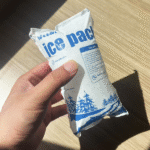
Eine Hydratschicht wird mit Wasser aktiviert und eingefroren. Eine Gelpackung enthält ein versiegeltes Kühlmittel. Eine PCM-Packung enthält eine Formulierung mit einem definierten Phasenübergangsbereich. Diese Produkte sind nicht automatisch Gefahrgüter und kein echtes Trockeneis, Ihre Zusammensetzung muss jedoch noch überprüft werden. Dennoch kann es zu lokalem Gefrieren kommen, wenn sie direkt aus einem Gefrierschrank verwendet werden, ohne dass die geprüfte Konstruktion eine Trennung oder Temperierung vorsieht.
Fragen Sie nach:
- Material- und Kühlmittelidentität.
- Informationen zur Sicherheit und zum Verwendungszweck.
- Phasenübergangsdaten für PCM.
- Aktivierungs- und Konditionierungsverfahren.
- Maße und Masse im gebrauchten Zustand.
- Film, Nähte, Ventile, und Schließungen.
- Beabsichtigtes Kontaktszenario und entsprechende Erklärungen.
- Transportklassifizierung basierend auf der Zusammensetzung.
- Unterstützte Wiederverwendungs- und Inspektionsanweisungen.
Lehnen Sie Formulierungen wie „Lebensmittelqualität“ ab," "lang anhaltende,„ oder „Pharmaqualität“, wenn sie ohne definierte Beweise erscheinen. Keines legt die Leistung eines Käseversenders fest.
Erstellen Sie einen Packout mit zwei Rändern
Eine sinnvolle Verpackung hat einen Spielraum gegen Erwärmung und einen Spielraum gegen Gefrieren. Die Ränder sind allein aufgrund der Kühlmittelanzahl nicht sichtbar.
Die Isolierung widersteht Umgebungswärme. Das Kühlmittel absorbiert Energie. Käse und Verpackung erhöhen die thermische Masse. Trennwände verlangsamen die lokale Kälteleitung. Der Luftraum ermöglicht Bewegung und Konvektion. Deckelnähte und Ecken können zu Wärmebrücken werden. Der direkte Kontakt zwischen einem gefrorenen Ziegelstein und einem dünnen Vakuumbeutel kann zum Kälteextrem werden.
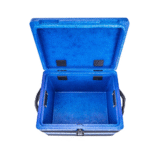
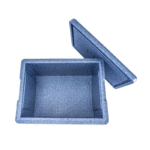
Legen Sie das System anhand einer kontrollierten Zeichnung fest. Identifizieren Sie jede Schicht vom Umkarton bis zum Käse. Fixieren Sie die Position und Sicherung des Kühlmittels. Vermeiden Sie, dass schwere Verpackungen auf Becher oder Geschenkkartons drücken. Verwenden Sie einen definierten Teiler oder Puffer, wenn direkter Kontakt nicht unterstützt wird. Kontrollieren Sie Hohlräume bei geringen Nutzlasten mit einer qualifizierten Einlage statt mit zufälligem Papier.
Für die Konditionierung ist ein schriftliches Rezept erforderlich. Staatsausrüstung, Lastmuster, Temperaturbereich, Mindestzeit, ggf. Anlassen, Bereitschaftsprüfung, und Staging-Grenze. Für Trinklaken, Wasserzugabe definieren, einweichen, Drainage, erweitertes Gewicht oder Zustand, Einfrieren, und Inspektion. Ein kompaktes, trockenes Blatt kann bei der Lagerung effizient sein, aber nur, wenn die Aktivierung wiederholbar ist.
Feuchtigkeit und Geruch sollten Designfaktoren sein. Halten Sie Kondenswasser von den Etiketten fern, Papiertrenner, und freiliegende Oberflächen. Verwenden Sie eine Primärverpackung, die für den vorgesehenen Gas- und Feuchtigkeitsaustausch des Produkts geeignet ist. Bewerten Sie die Isolierung, Tinten, Gel, Filme, Klebstoffe, und Reinigungsmittel gegen unangenehme Gerüche. In gemischten Geschenkboxen, separate Cracker, Schokolade, oder Obst, wenn ihr Feuchtigkeitsbedarf unterschiedlich ist.
Stellen Sie Testberichten die Fragen, die das Marketing auslässt
„Hält zwei Tage kalt“ hat ohne Testmethode wenig Aussagekraft. Fragen Sie nach dem äußeren Karton, Isolierung, Kühlmittelmenge, Konditionierung, Nutzlast, Umgebungsprofil, Sensoren, und Akzeptanzbereich ergaben das Ergebnis. Bestätigen Sie, ob die Komponenten aus der normalen Produktion stammen und ob der Test wiederholt wurde.
Für Ihren Zulassungstest, vordefinieren:
| Protokollelement | Warum ist es wichtig |
|---|---|
| Produktakzeptanzkriterien | Bestimmt, ob die Ablaufverfolgung und der Produktzustand erfüllt sind |
| Minimale und maximale Nutzlast | Erfasst unterschiedliche Massen, Leere, und Kontaktbedingungen |
| Heiße und kalte Außenprofile | Herausforderungen: Erwärmungs- und Gefrierrisiken |
| Sensorstandorte und -befestigung | Findet lokale Extreme statt eines irreführenden Durchschnitts |
| Komponentenchargen und Konditionierung | Verbindet Leistung mit kontrollierten Materialien und Prozessen |
| Qualitätskontrolle nach der Belichtung | Erfasst Textur, säubern, Ölen, Kondensation, Siegel, und Geruch |
Verwenden Sie repräsentative Käsesorten und Verpackungen oder rechtfertigen Sie einen Ersatz. Eine Flasche Wasser mag der Masse entsprechen, aber nicht der Geometrie, fett, Kontakt, oder Paketverhalten. Platzieren Sie Sensoren in der Nähe von mutmaßlich heißen Ecken und Kühlmittelkontaktpunkten, sowie repräsentative Produktpositionen. Geben Sie an, ob es sich bei jeder Messung um Luft handelt, Verpackungsoberfläche, oder Produkt.
Standardparzellenprofile können die Entwicklung und den Vergleich unterstützen. Ein spurspezifisches Programm sollte tatsächliche Übergaben und Ausnahmen beinhalten. Testergebnisse belegen die Leistung innerhalb definierter Grenzen; Sie garantieren nicht eine unbegrenzte Reise oder jede Käsesorte.
Genehmigen Sie einen mit einer Stückliste verknüpften Bericht, Zeichnungen, Fotos, Konditionierungsanweisungen, und Abweichungen. Wenn sich eine Komponente ändert, beurteilen, ob die Beweise noch gültig sind.
Bewerten Sie den Lieferanten hinsichtlich dessen, was die Produktion schützt
Nachdem die technische Eignung festgestellt wurde, Vergleichen Sie Lieferanten mit einer gewichteten Scorecard. Vermeiden Sie es, einen niedrigen Stückpreis zuzulassen, um eine schwache Chargenkontrolle oder einen hohen Aktivierungsaufwand zu verbergen.
Hilfreiche Entscheidungshilfen
Überprüfen Sie die Details, bevor Sie sich für die Verpackung entscheiden
Mit diesen schnellen Tools können Sie das Routenrisiko vergleichen, Größenanforderungen, Kühlmittelauswahl, und Verpackungsdetails, bevor Sie ein Angebot anfordern.
Verpackungsauswahl
Vergleichen Sie isolierte Verpackungsoptionen nach Produkt, Route, und Temperaturbedarf.
Verpackung findenKühlmittel & PCM-Referenz
Vergleichen Sie Kühlmittel- und PCM-Optionen, wenn eine Route zusätzliche Temperaturunterstützung benötigt.
Vergleichen Sie OptionenFallfestigkeit des Isolationsmaterials
Überprüfen Sie die Fallfestigkeit und die Handhabungsfaktoren, bevor Sie Isoliermaterialien auswählen.
Widerstand prüfenBewerten Sie fünf Bereiche:
- Materialkontrolle: Formulierung, Film, füllen, Abmessungen, Siegel, und Phasendaten.
- Qualitätsprozess: Losfreigabe, Rückverfolgbarkeit, Nichtkonformität, Beschwerdeantwort, und Korrekturmaßnahmen.
- Disziplin ändern: Vorankündigung für die Formel, Website, Werkzeuge, Material, Verfahren, und Unterlieferantenwechsel.
- Einsatztauglich: Lagerung, Aktivierung, Konditionierung, Beschriftung, Packgeschwindigkeit, und Gefrierkapazität.
- Kommerzielle Kontinuität: Mindestbestellmenge, Vorlaufzeit, Fallmenge, Proben, Anpassung, und Notstromversorgung.
Behandeln Sie unbekannte Geschäftszahlen als Lieferantenfragen, keine Annahmen. Fordern Sie Muster aus normaler Produktion an. Wohnung vergleichen, hydratisiert, und eingefrorene Dimensionen. Überprüfen Sie die Nähte und den Geruch. Führen Sie vor der vollständigen Einführung einen Test der Verpackungslinie durch, denn eine Komponente, die langsam auf eine Werkbank passt, kann bei saisonaler Lautstärke zu Fehlern führen.
Definieren Sie die Eingangskontrolle rund um das Risiko. Identität und Charge überprüfen, Verpackungszustand, kritische Abmessungen oder Masse, Leckage, Sauberkeit, und Dokumente. Richten Sie Quarantäne und Eskalation für unerklärliche Abweichungen ein. Bewahren Sie Referenzmuster dort auf, wo das Qualitätssystem Wert darauf legt.
Bei der Änderungsbenachrichtigung handelt es sich nicht um ein Verwaltungsdetail. Ein Folienwechsel kann die Siegelfestigkeit oder Kälteflexibilität verändern. Ein Gelwechsel kann das Phasenverhalten verändern. Ein neues Zellmuster kann die Abdeckung und die Passform des Rucksacks verändern. Der Käufer sollte entscheiden, ob eine Bewertung erfolgt, Inspektion, Bestätigungstests, oder eine Umqualifizierung ist erforderlich.
Entwerfen Sie Routinearbeiten vor dem Startdatum
Sorgen Sie dafür, dass die qualifizierte Konfiguration einfach auszuführen ist. Verwenden Sie unverwechselbare Produktcodes, Fotos, Komponentensätze, und Statuszonen. Ähnlich aussehende Kühlmittel sollten getrennt werden. Definieren Sie, wie Packer die Konditionierung überprüfen und was mit einer Packung passiert, die sich zu lange erwärmt hat.
Die Arbeitsanweisung sollte die Ausgangsbedingungen für den Käse enthalten, Nutzlastreichweite, Kühlmittelanzahl und -position, Teiler, Platzierung des Loggers, Schließung, Etiketten, und maximale Montagezeit. Dokumentieren Sie die Verpackungsvollständigkeit und die Sendungsidentität gemäß dem Lebensmittelsicherheits- und Qualitätsprogramm. Koordinieren Sie die Abholung, damit verpackter Käse nicht unnötig lange warten muss.
Die Erhalt von Anweisungen sollte äußere Schäden abdecken, Isolierung, Leckage, Zustand der Käseverpackung, Temperatur oder Anzeigestatus, und Verbringung in ein zugelassenes Lager. Wo das Essen aus Sicherheitsgründen eine Temperaturkontrolle erfordert, Zu den geltenden Hygienevorschriften für den Transport können spezifizierte Betriebsbedingungen und eine Beurteilung beim Empfang gehören. Bestätigen Sie die Regeln für den Markt und die Rollen.
Quarantäneunsicherheit. A Kühlakku Das Verbleib in der Schachtel beweist nicht, dass der Käse akzeptabel geblieben ist. Ein einzelner Luftlogger zeigt nicht jeden Kontaktort an. Befolgen Sie die Anweisungen des Herstellers für Zeit-Temperatur-Abweichungen und physische Schäden.
Für Kundenpakete, Erklären Sie den Umgang mit Kühlmittel im Klartext. Eine wiederverwendbare gefrorene Folie sollte nicht als gefährliches festes Trockeneis bezeichnet werden. Tatsächliches Trockeneis erfordert entsprechende Warnungen. Geben Sie einen einfachen Kontaktweg an, damit sich der Empfänger bei der Beurteilung der Sicherheit nicht auf Geruch oder Geschmack verlässt.
Berechnen Sie Kosten und Nachhaltigkeit pro erfolgreicher Lieferung
Der Stückpreis versteht sich ohne Aktivierungsarbeit, Gefrierenergie, Lagerung, Fracht, kehrt zurück, Reinigung, Leckage, und Käseverlust. Vergleichen Sie die Gesamtkosten pro erfolgreicher Lieferung für dasselbe Produkt und dieselbe Routenanforderung.
Eine durch Wasser aktivierte Folie kann das eingehende Volumen reduzieren, fügt jedoch Wasser und Leitungsschritte hinzu. Ein gefüllter Ziegel kann einfach zu platzieren, aber schwer sein. PCM kann die Temperaturschwankungen in einem entworfenen System reduzieren, kann jedoch höhere Kosten verursachen und eine strengere Qualitätskontrolle erfordern. Wiederverwendbare Container funktionieren am besten, wenn die Rückwege dicht sind und die Vermögenswerte ausreichend Rotationen durchlaufen.
Nachhaltigkeit nutzt die gleiche Systemgrenze. Material einbeziehen, Herstellung, Konditionierung, Waschen, Rückreise, Komponentenverlust, Recycling-Realität, und abgelehnter Käse. Tatsächliches Trockeneis verschwindet als Gas, ist jedoch nicht wirkungsfrei und kann nicht als Kühlmittel wiederverwendet werden. Ein wiederverwendbarer Rucksack ist nicht automatisch vorzuziehen, wenn er über weite Strecken zurückgeschickt wird oder nach einmaligem Gebrauch verloren geht.
Pilot-Mehrwegsysteme. Verfolgen Sie die Wiederherstellung, Schaden, Reinigungszeit, und thermische Leistung nach dem Radfahren. Verwenden Sie zustandsbasierte Stilllegungskriterien für Lecks, Delaminierung, Kontamination, Verformung, oder Etikettenverlust. Veröffentlichen Sie keine nicht unterstützte Wiederverwendungsanzahl.
Durch kontrollierte Tests sorgfältig die richtige Größe ermitteln. Das Entfernen eines Rucksacks kann das Gewicht reduzieren, aber eine warme Ecke freilegen. Durch das Ersetzen des Schaums kann sich die Feuchtigkeitsbeständigkeit ändern. Jede Änderung sollte denselben Änderungs- und Qualifizierungsprozess durchlaufen, der das ursprüngliche Design schützte.
FAQ
Was ist das erste Dokument, das einem Kühlakku-Lieferanten zugesandt wird??
Senden Sie eine Produkt- und Routenbeschreibung mit Angabe der Käsekategorie, genehmigter Zustand, Primärpaket, Nutzlastreichweite, Abmessungen des Versenders, Reise, Ausnahmen, und Qualitätsmängel. Es gibt dem Lieferanten eine Grundlage für Mustervorschläge. Geben Sie keine sensiblen Formulierungsdetails weiter, die über das erforderliche Maß hinausgehen, Geben Sie jedoch genügend Informationen zu Temperatur und Handhabung an, um eine allgemeine Empfehlung zu vermeiden.
Ist ein Trockeneis-Ersatzpack immer sicherer als Trockeneis??
Es vermeidet das spezifische Gas- und Extremtemperaturverhalten von festem Kohlendioxid, wenn es sich tatsächlich um eine wasserbasierte oder PCM-Packung handelt. Es kann immer noch auslaufen, Kondenswasser erzeugen, oder Käse durch direkten Kontakt einfrieren. Überprüfen Sie die Identität und bewerten Sie diese in der gesamten Verpackung. Für die gewählte Nutzung ist weiterhin eine Qualifikation erforderlich.
Hart- und Weichkäse sollten sich einen Versender teilen?
Dies ist nur möglich, wenn der Hersteller kompatible Bedingungen bestätigt und die qualifizierte Vereinbarung beides schützt. Weichkäse kann den Kühlbedarf erhöhen, während Hartkäse durch direkten Frostkontakt beschädigt werden kann. Auch gemischte Packungen benötigen Feuchtigkeit, Geruch, und physische Trennung. Testen Sie das genaue Sortiment oder eine berechtigte Familie.
Was beweist „Gelpackung in Lebensmittelqualität“??
Der Satz allein beweist wenig. Bitten Sie um Materialdokumentation, die für das beabsichtigte Kontaktszenario relevant ist, Zuständigkeit, Temperatur, und Dauer. Überprüfen Sie den Film, Gel, Drucken, und gegebenenfalls Schließungen. Die Eignung des Materials zeigt immer noch keine thermische Beständigkeit oder hygienische Handhabung an. Fragen Sie nach, welche Materialien und Expositionsbedingungen in der Dokumentation abgedeckt sind.
Wann sollte die Verpackung erneut getestet werden??
Führen Sie nach Änderungen, die Auswirkungen auf den Wärmefluss haben könnten, eine erneute Prüfung durch oder führen Sie eine entsprechende technische Bewertung durch, Kapazität, Geometrie, Hygiene, oder Reproduktion. Beispiele hierfür sind Kühlmittelformeln, Masse, Film, Abmessungen, Isolierung, Teiler, Nutzlast, Route, Konditionierungsausrüstung, oder Arbeitsanweisungen. Das Qualitätssystem sollte den Umfang risikobasiert definieren.
Abschluss
Die erfolgreiche Beschaffung von Käsekühlung folgt einem bewussten Ablauf: Produkt und Route definieren, Identifizieren Sie das Kühlmittel, Design mit warmen und gefrorenen Rändern, fordern kontextbezogene Testnachweise, Wählen Sie einen wiederholbaren Lieferanten, und Kontrolle von Routinearbeiten. Festes Kohlendioxid sollte als separates gefährliches Kältemittel behandelt werden, kein Synonym für wiederverwendbar Kühlakkus. Gesamtkosten und Nachhaltigkeit sollten pro verkaufsfähiger Lieferung gemessen werden, mit Käseverlust, Arbeit, Konditionierung, Fracht, und Erholung inklusive.
Über Tempk
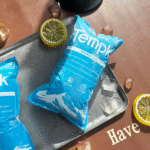
Tempk bietet wiederverwendbare und wasseraktivierte Kühlpackformate an, Gelpackungen, Eisziegel, und isolierte Lebensmittelversandprodukte. Diese Komponenten geben Käsebetrieben verschiedene Geometrien und Konditionierungsabläufe zur Evaluierung an die Hand. Tempk kann die Produkt- und Routenbeschreibung besprechen, Bereitstellung von Komponenteninformationen, und bereiten Proben für Packout-Versuche vor. Der Käsehersteller oder -händler bleibt für die Festlegung von Sicherheits- und Qualitätsgrenzen verantwortlich, Genehmigung von Prüfkriterien, und Freigabe der fertigen Sendung.
Teilen Sie Tempk Ihr Briefing und die vorgeschlagene Verpackungszeichnung mit, um vor der kommerziellen Ausweitung eine Überprüfung der Lieferantenmuster zu planen.