Ein Flower-First-Plan für einen Trockeneisbeutel eines Lieferanten für die Blumenlieferung
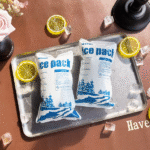
Auswahl eines Lieferanten Trockeneisbeutel Für die Blumenlieferung sollte ein Betriebsplan erstellt werden, nicht nur eine Bestellung. Der "Trockeneisbeutel" In dieser Diskussion handelt es sich um ein Hydratationskühlmittelblatt: es kommt trocken an, nimmt Wasser auf, und wird vor der Verwendung eingefroren. Es handelt sich nicht um festes Kohlendioxid. Sein Wert hängt davon ab, was um ihn herum passiert. Die Blumen müssen in einem geeigneten Zustand hinterlassen werden, Kühlmittel muss konsequent aufbereitet werden, Isolierung und Trennung müssen die Wärme bewältigen, ohne dass das Gewebe einfriert, und die Übergabe auf der letzten Meile muss kontrolliert werden. Das folgende Framework bewegt sich von der Produktidentität über die Weiterleitung von Beweisen bis hin zur täglichen Ausführung.
Tor eins: Definieren Sie, was ankommen muss
Beginnen Sie auf der Empfangsseite. Beschreiben Sie akzeptable Blumen in Begriffen, die für den Betrieb beobachtbar sind. Die Temperatur kann Teil der Spezifikation sein, Zur Ankunftsqualität gehört aber auch die Flüssigkeitszufuhr, Aussehen der Blütenblätter, Stammstärke, Öffnungsverhalten, Sauberkeit, Feuchtigkeit, Geruch, und Quetschfreiheit.
Bauen Sie die Anforderung rund um das tatsächliche Sortiment auf. Ein Standard-Rosenstrauß, ein gemischtes saisonales Arrangement, und ein tropisches Design kann eine andere Handhabung erfordern. Auch innerhalb einer Blumenart, Sorte, Reife, Vorbehandlung, vorherige Lagerung, und Streckendauer beeinflussen die Toleranz. Das Qualitätsteam sollte die anfälligsten Elemente einer gemischten Vereinbarung identifizieren und entscheiden, ob sie zusammen reisen können.
Hier scheitern die universellen Kühlmittelempfehlungen. Ein Verkäufer kann ein Blatt beschreiben und Hinweise zur Handhabung geben, kann aber nicht auf die sicheren Bedingungen für eine unbenannte Blumenmischung schließen. Geben Sie den Lieferanten eine strukturierte Anforderung:
- Blumenarten oder kommerzielles Sortiment;
- Nass- oder Trockenhandhabungsmethode;
- Abflugzustand und Vorkühlvorgang;
- Verpackungsorientierung und physischer Schutz;
- erwartete Route und Verzögerungsbedingungen;
- akzeptable Ankunftsqualitätskriterien;
- Temperatur- oder Überwachungserwartungen, die von Ihren Spezialisten definiert werden;
- Empfängerhandhabung und Wiederherstellungsprozess.
Wenn diese Eingaben unbekannt sind, Lösen Sie diese, bevor Sie fragen, wie viele Blätter Sie bestellen möchten.
Tor Zwei: Bestätigen Sie das Kühlmittel, das Sie kaufen
Beschaffungsunterlagen sollten eine eindeutige Produktbeschreibung enthalten. Eine Trinkschicht enthält eine absorbierende Struktur und erfordert die Aktivierung und Einfrierung von Wasser. A Gelpackung wird mit einem enthaltenen Kühlmittel versorgt. Ein Phasenwechselpaket verwendet eine ausgewählte Formulierung. Festes Kohlendioxid ist ein anderes Material mit unterschiedlichen Gefahren und Transportkontrollen.
Das Wort "trocken" kann den Lieferzustand der Trinkschicht beschreiben, nicht seine Verwendungstemperatur oder chemische Identität. Fordern Sie eine Spezifikation an, die den Aufbau und Arbeitsablauf erläutert. Es sollte Schulungen unterstützen, ohne sich auf Marketingterminologie zu verlassen.
Zumindest, bestätigen:
- Trockenabmessungen und Zellenlayout;
- Aktivierungsmethode und akzeptable Wasserquelle;
- Entwässerungs- und Handhabungsanweisungen;
- Anleitung zur Ausrichtung und Lagerung des Gefrierschranks;
- zulässige Schnittorte, wenn überhaupt;
- Anzeichen von Beschädigung oder unvollständiger Vorbereitung;
- Losidentifikation;
- Anweisungen zur vorgesehenen Entsorgung oder kontrollierten Wiederverwendung;
- Änderungsmitteilungsprozess.
Halten Sie diese Produktdefinition im gesamten Einkauf konsistent, Empfang, Arbeitsanweisungen für das Lager, Packunterlagen, und Empfängerinformationen. Eine korrekte Identität verhindert, dass feste Trockeneisverfahren auf eine wasserbasierte Platte angewendet werden, und verhindert, dass die Platte gegenüber Spediteuren oder Kunden falsch dargestellt wird.
Tor drei: Karte Hitze, Zeit, und Handhabung
Eine Route ist eine Folge von Belichtungen, keine Linie zwischen zwei Adressen. Gehen Sie eine normale Bestellung durch.
Blumen gehen Kühlspeicher und betreten Sie die Versammlung. Sie warten auf eine qualitativ hochwertige Veröffentlichung. Ein Arbeiter verpackt das Arrangement und fügt ein gefrorenes Blatt hinzu. Das geschlossene Paket steht in der Warteschlange für den Versand. Ein Fahrer lädt es in ein Fahrzeug, das möglicherweise bereits warme Retouren oder andere Ladung enthält. Türen öffnen sich wiederholt. Das Paket wird zu einem Gebäude getragen, vielleicht durch Sonne oder Regen, und an der Rezeption abgegeben. Der Empfänger öffnet es später.
Für jeden Schritt, Notendauer, Umweltkontrolle, Paketausrichtung, und verantwortliche Person. Markieren Sie die Punkte, an denen das Paket geöffnet ist, wo die Kühlung verloren gehen kann, und wo eine Verzögerung plausibel ist. Identifizieren Sie auch nahegelegene Ethylenquellen wie Reifeprodukte oder Verbrennung. Eine Kühlmittelfolie kann die Ethylenexposition nicht ausgleichen.
Dann gruppieren Sie Routen mit ähnlichen Mustern. Eine direkte Kühlstrecke erfordert möglicherweise eine andere Lösung als eine Paketstrecke eines Drittanbieters. Mit der Routengruppierung können Sie eine überschaubare Menge an Packouts validieren, ohne vorzugeben, dass jede Lieferung identisch ist.
| Routenfrage | Warum sich die Verpackung ändert | Beweise zum Sammeln |
|---|---|---|
| Sind die Blumen vollständig vorgekühlt?? | Warme Nutzlast verbraucht frühzeitig Kühlmittelkapazität | Abflugzustand und Beobachtung des Packschlusses |
| Wie lange dauert die unkontrollierte Inszenierung?? | Wärme dringt ein, bevor sich das Fahrzeug in Bewegung setzt | Zeitstempel und Überprüfung des Bereitstellungsorts |
| Erreicht Fahrzeugluft das Paket?? | Kartonposition und Türöffnungen sorgen für unterschiedliche Belichtung | Laden Sie Karten- und Routenbeobachtungen |
| Kann sich das Blatt bewegen?? | Durch die Verschiebung kann es zu Kaltkontakt oder Quetschungen kommen | Positions- und Paketkontrolle nach dem Versand |
| Ist eine unbeaufsichtigte Lieferung erlaubt?? | Die Exposition vor der Haustür kann die Route dominieren | Zustellungsereignis und Zeitpunkt des Empfängers |
| Sind Blumen mit Ethylenquellen gemischt? | Kühlung verhindert keine gasbedingten Verletzungen | Überprüfung der Lagerung und Fahrzeugtrennung |
Die Tabelle weist Tests auf betriebliche Unbekannte hin. Es hilft auch dabei, Verpackungsfehler von Planungs- oder Übergabefehlern zu trennen, Korrekturmaßnahmen bekämpfen also die eigentliche Ursache.
Tor vier: Design für Heiß- und Kaltfehler
Thermoverpackung für Blumen hat zwei Kanten. Zu wenig Kühlung kann den Verfall und den Wasserverlust beschleunigen. Zu starke lokale Kühlung kann Blütenblätter oder Stängel beschädigen. Ziel ist eine geeignete Verteilung, nicht der niedrigste Wert.
Platzieren Sie das Laken so, dass es die einströmende Wärme absorbieren kann, ohne auf empfindlichem Gewebe aufzuliegen. Verwenden Sie ein Trennzeichen, Ärmel, Aufbewahrungsfunktion, oder kontrollierter Luftraum nach Bedarf. Denken Sie daran, dass eine dickere Barriere den Kältekontakt, aber auch die Abkühlung verringern kann. Testen Sie den Kompromiss.
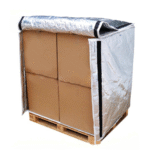
Überprüfen Sie die Verpackung in drei Dimensionen. Lange Blumenkartons können abseits des Kühlmittels ein warmes Ende entwickeln. Ein oben platziertes Blech kann sich verschieben, wenn ein Fahrer die Kiste vertikal trägt. Eine dicht gefüllte Anordnung kann den Luftstrom blockieren und das Blattgewicht auf die Blütenköpfe übertragen. Bei einem nicht ausreichend gefüllten Karton kann es zu einer Kollision zwischen Blumenstrauß und Kühlmittel kommen.
Feuchtigkeit braucht ihren eigenen Weg. Auf den Blüten sollte sich kein Kondens- oder Tauwasser ansammeln, gewelltes Material schwächen, Etiketten ablösen, oder das Auspacken unordentlich machen. Bei einigen Designs können Einlagen und absorbierende Elemente hilfreich sein, Sie können aber auch Feuchtigkeit einschließen oder den Wärmefluss verändern.
Überwachen Sie wahrscheinliche Extreme während der Entwicklung. Ein Sensor neben dem Kühlmittel dient zur Kaltpunktprüfung, kein Beweis für den Rest der Blumen. Beziehen Sie plausible warme Zonen in der Nähe von Schließungen oder entfernten Enden ein. Kombinieren Sie die Temperatur mit der Blüteninspektion nach einer angemessenen Erholungsphase, denn manche Verletzungen sind nach dem Auspacken leichter zu erkennen.
Tor fünf: Beweisen Sie den Workflow, Nicht nur der Prototyp
Frühe Prototypen werden oft sorgfältig von einem kleinen technischen Team erstellt. Tagesaufträge werden unter Termindruck in verschiedenen Schichten vorbereitet. Der Versuch sollte letztendlich normale Bediener und normale Ausrüstung umfassen.
Flüssigkeitszufuhr
Übersetzen Sie die Leitlinien der Lieferanten in eine lokale Methode. Definieren Sie den sauberen Vorbereitungsbereich, Umgang mit Wasser, Blattladen, Drainage, Aktivierungsakzeptanz, und Ablehnungskriterien. Beobachten Sie Unterschiede zwischen Bedienern und Chargen. Wenn das Verfahren vom persönlichen Urteil abhängt, Erstellen Sie einen klaren visuellen Standard oder eine andere geeignete Überprüfung.
Einfrieren
Bestimmen Sie, wie die Laken angeordnet werden, damit der Luftstrom des Gefrierschranks nicht blockiert wird. Überprüfen Sie die durch die Batch-Aktivierung erzeugte Wärmelast, besonders während der Spitzenzeiten. Legen Sie eine Freigaberegel fest, die auf Ihren Ausrüstungs- und Prozessnachweisen basiert. Setzen Sie den Aufenthalt im Gefrierschrank nicht mit der Bereitschaft ohne Bestätigung gleich.
Verpackung
Verwenden Sie eine kontrollierte Stückliste und ein Verpackungsbild. Trennzeichen überprüfen, Blattposition, Straußausrichtung, Isolierverschluss, und Etikett. Notieren Sie die Kühlmittelcharge und die Verpackungsversion, wenn eine Rückverfolgbarkeit erforderlich ist.
Hilfreiche Entscheidungshilfen
Überprüfen Sie die Details, bevor Sie sich für die Verpackung entscheiden
Mit diesen schnellen Tools können Sie das Routenrisiko vergleichen, Größenanforderungen, Kühlmittelauswahl, und Verpackungsdetails, bevor Sie ein Angebot anfordern.
Routenrisiko-Checker
Überprüfen Sie die Fahrspurbedingungen, bevor Sie die Verpackung entsprechend den tatsächlichen Betriebsanforderungen auswählen.
Streckenrisiko prüfenTrockeneisrechner
Schätzen Sie vor dem Verpacken den Bedarf an Trockeneis für gefrorene oder ultrakalte Sendungen.
Schätzen Sie TrockeneisFallfestigkeit des Isolationsmaterials
Überprüfen Sie die Fallfestigkeit und die Handhabungsfaktoren, bevor Sie Isoliermaterialien auswählen.
Widerstand prüfenVersand und Lieferung
Schützen Sie geschlossene Pakete vor unnötiger Bereitstellung. Laden Sie die Treiber herunter, Orientierung, und Regeln für die unbeaufsichtigte Zustellung. Erfassen Sie Verzögerungen oder Auswechslungen. Ein Fahrer sollte die Blattmenge oder -platzierung nicht improvisieren, es sei denn, ein überprüftes Verfahren erlaubt dies.
Empfang
Fordern Sie die Empfänger auf, umgehend auszupacken und das Blatt vorsichtig zu entfernen. Definieren Sie, welche Zustandsrückmeldung nützlich ist und wo eine Ausnahme gemeldet werden soll. Für Geschäftslieferungen, Identifizieren Sie nach den Empfangsschildern, wem die Übergabe gehört.
Ein Packout kann nur dann skaliert werden, wenn dieser End-to-End-Workflow wiederholbar ist.
Tor Sechs: Bewerten Sie den Lieferanten hinter der Probe
Die Beispielantworten, "Kann dieser Artikel berücksichtigt werden??" Die Lieferantenbewertung fragt, "Kann diese Spezifikation kontrolliert bleiben??"
Vergleichen Sie Lieferanten hinsichtlich Beweisen und Kommunikation, keine Adjektive. Fragen Sie nach den Bedingungen, die hinter einer Dauer- oder Leistungsaussage stehen. Die vollständige Testbeschreibung sollte die Isolierung angeben, Nutzlast, Blattvorbereitung, Menge, Platzierung, Umgebungseinflüsse, Sensorpositionen, und Akzeptanzkriterien. Wenn diese Bedingungen von Ihrer Lieferung abweichen, Behandeln Sie den Bericht als Hintergrund und nicht als Routengenehmigung.
Überprüfen Sie die Konsistenz zwischen Muster und Produktion. Vereinbaren Sie kritische Merkmale wie Abmessungen, Zellenlayout, Nahtintegrität, Aktivierungsverhalten, und Außenkonstruktion. Fragen Sie, wie Lose identifiziert werden und wie Änderungen kommuniziert werden. Richten Sie eine dem Risiko angemessene Eingangskontrolle ein.
Besprechen Sie die Problemuntersuchung, bevor ein Problem auftritt. Bestimmen Sie, welche Datensätze, Fotos, Proben, und Zeitplan, den der Lieferant benötigen würde. Klären Sie die Verantwortung für die Antwort. Ein diszipliniertes Beschwerdeverfahren ist sinnvoller als ein breites Versprechen "Qualitätssicherung."
Der kommerzielle Vergleich sollte betriebliche Auswirkungen umfassen:
- Lagerraum für trockene und gefrorene Laken;
- Hydratationsarbeit und Wasserhandhabung;
- Gefrierkapazität und Spitzenlast;
- Separatoren, Liner, und Isolierung;
- Ausschuss und Handhabung beschädigter Blätter;
- Paketgewicht und Packzeit;
- Blumenschäden und Ersatzlieferung;
- zurückkehren, Reinigung, oder ggf. Entsorgung.
Diese Sichtweise kann dazu führen, welches Angebot wirklich wirtschaftlich ist.
Tor sieben: Kontrollieren Sie Änderungen und lernen Sie aus Lieferungen
Einmal veröffentlicht, Die Verpackung benötigt Eigentum. Legen Sie fest, wer die Blumenmischung ändern darf, Blatt, Menge, Separator, Isolierung, Karton, Routenfamilie, oder Unterricht erhalten. Kleine Substitutionen können die Temperaturverteilung oder das mechanische Verhalten verändern.
Das Eigentum sollte sich auf vorübergehende Änderungen erstrecken. Spitzennachfrage, Wartung des Gefrierschranks, Ersatzfahrzeuge, und Lieferantenengpässe können Teams zum Improvisieren verleiten. Erstellen Sie einen Abweichungspfad, der identifiziert, wer das Risiko bewertet, welche temporären Kontrollen erforderlich sind, und ob eine repräsentative Bestätigung erforderlich ist, bevor der Ersatzstoff allgemein verwendet wird. Notieren Sie den Beginn und das Ende der Abweichung, damit die temporäre Methode nicht zu einem undokumentierten Standard wird. Dadurch bleibt die betriebliche Flexibilität erhalten, ohne dass die Beweise hinter der freigegebenen Verpackung verloren gehen.
Definieren Sie außerdem die Bedingungen für die Entnahme eines Packouts. Wiederholte Verletzung durch direkten Kontakt, Unfähigkeit, Blätter konsistent vorzubereiten, ungeklärte Lieferantenvariation, oder eine Routenänderung außerhalb des bewerteten Profils kann eher einen vorübergehenden Stopp als eine weitere informelle Anpassung rechtfertigen. Identifizieren Sie, wer die Nutzung unterbrechen kann und welche Beweise für die Freigabe erforderlich sind. Ein kontrollierter Stopp schützt Blumen und gibt der Untersuchung eine saubere Grenze. Wenn die Verpackung zurückkommt, Aufzeichnen, ob das Mittel die Komponente verändert hat, Vorbereitung, Platzierung, Fahrzeugprozess, oder Anweisungen erhalten, damit zukünftige Überprüfungen verstehen, warum sich die aktuelle Version unterscheidet.
Verfolgen Sie eine begrenzte Anzahl von Indikatoren, die zu Maßnahmen führen. Beispiele hierfür sind Hydratationsabfälle, Probleme mit der Freigabe des Gefrierschranks, Verpackungsabweichungen, warme Inszenierung, verpasste Empfänger, Blattbewegung, Kondensation, Blütenblattverletzung, verwelkt, und Ersatzlieferung. Verknüpfen Sie Trends mit dem Blumentyp, Route, Jahreszeit, Packout-Version, und Lieferantenlos, wenn möglich.
Wenn ein Problem auftritt, Widerstehen Sie dem Drang, sofort Kühlmittel nachzufüllen. Nutzen Sie das Symptom, um eine Ursachenhypothese zu bilden:
- Warme Blüten auf der anderen Seite können auf eine unzureichende Verteilung hinweisen, Isolationsschwäche, oder Verzögerung;
- Kalte Flecken in der Nähe des Blechs können auf Kontakt oder übermäßige lokale Abkühlung hinweisen;
- Welke bei akzeptablen Temperaturen kann auf eine schlechte Flüssigkeitszufuhr oder ein schlechtes Feuchtigkeitsmanagement hinweisen;
- Nasse Blütenblätter können auf ein Versagen der Kondensationskontrolle hinweisen;
- Quetschungen können durch Blechbewegungen oder eine schlechte strukturelle Unterstützung verursacht werden;
- Blütenblatt- oder Blatttropfen erfordern möglicherweise eine Ethylenüberprüfung.
Anschließend können Korrekturmaßnahmen gezielt eingeleitet und erneut getestet werden. Diese Lernschleife zeigt, wie eine Lieferverpackung nützlich bleibt, wenn sich Routen und Sortimente weiterentwickeln.
Häufig gestellte Fragen
Was sollte ein Lieferant wissen, bevor er ein Blatt empfiehlt??
Stellen Sie Blumenarten oder -sortiment bereit, Abreisebedingung, Verpackung und Isolierung, Routenfolge, wahrscheinlich Umgebungsexposition, Lieferausnahmen, physischer Schutz, und Erwartungen entgegenzunehmen. Der Lieferant muss außerdem wissen, ob Blumen nass oder trocken versendet werden und wo gefrorenes Material sicher aufbewahrt werden kann.
Kann eine wasseraktivierte Folie ein Kühlfahrzeug ersetzen??
Es sollte nicht als automatischer Ersatz betrachtet werden. Eine passiv isolierte Verpackung und ein klimatisiertes Fahrzeug bewältigen verschiedene Teile des thermischen Problems. Jede Änderung der Transportart erfordert eine streckenspezifische Bewertung mit repräsentativen Blumen und Handhabungen.
Wie sollte die Plattenleistung zwischen Lieferanten verglichen werden??
Vergleichen Sie äquivalente Konstruktionen und Testbedingungen. Überprüfen Sie die Hydratationsmethode, gefrorene Masse oder Aktivierungskonsistenz, Komplette Verpackung, Umgebungsprofil, Nutzlast, Platzierung, Überwachungspunkte, und Akzeptanzkriterien. Eine Headline-Dauer ohne diese Bedingungen ist kein fairer Vergleich.
Was ist der sicherste Weg, einen Gefrierkontakt zu verhindern??
Es gibt keinen universellen Separator. Verwenden Sie eine spezielle Schicht oder Lücke, die das Blatt hält und die Blumen schützt, Testen Sie dann sowohl den nächstgelegenen kalten Standort als auch den entfernten warmen Standort. Gleichzeitig sollten der mechanische Schutz und das Betauungsverhalten überprüft werden.
Wann muss ein Packout neu bewertet werden??
Überprüfen Sie es beim Blumensortiment, Lieferantenmaterial, Blattabmessungen, Kühlmittelmenge, Karton, Isolierung, Separator, Route, Fahrzeug, Inszenierung, Jahreszeit, oder Prozessänderungen in einer Weise empfangen, die sich auf die Leistung auswirken könnte. Ihr Qualitätsprozess sollte definieren, welche Änderungen eine Überprüfung oder erneute Prüfung der Dokumentation auslösen.
Abschluss
Ein zuverlässiger Blumenlieferplan passiert sieben Tore: Ankunftsvoraussetzung, Kühlmittelidentität, Streckenkarte, ausgewogene Verpackung, wiederholbarer Arbeitsablauf, Lieferantenkontrolle, und Änderungsmanagement. Keines kann durch ein Generikum ersetzt werden "lang anhaltende" beanspruchen. Bestätigen Sie, dass es sich bei dem Produkt um eine durch Wasser aktivierte gefrorene Folie handelt, Blumen vor direkter Kälte und Feuchtigkeit schützen, Fordern Sie die eigentliche letzte Meile heraus, und halten Sie die getestete Konfiguration stabil. Das ist die praktische Grundlage für die Auswahl und Verwendung eines Trockeneisbeutels eines Lieferanten für die Blumenlieferung.
Über Tempk
Für Anfragen zum Blumenversand, Tempk bespricht wasseraktivierte Kühlmittelplatten mit Kühlkettenverpackung Käufer im Rahmen einer definierten Route und Packout. Wir können Ihnen bei der Klärung des Produktformats helfen, Vorbereitungsworkflow, Blattplatzierung, und Lieferanteninformationen, die für einen repräsentativen Blumenversuch benötigt werden. Wir halten die Diskussion an das Blumensortiment des Käufers gebunden, Isolierung, Liefermuster, und Empfangskriterien, da diese Bedingungen bestimmen, ob eine Konfiguration angemessen ist. Die endgültige Abnahme sollte aus der eigenen Qualitäts- und Betriebsprüfung des Käufers erfolgen.
Senden Sie Tempk Ihre Routenkarte, Blumenmischung, Karton- und Isolierungsdetails, und aktuelle Schwachstellen, um eine gezielte Beurteilung von der Probe bis zur Lieferung zu planen.