Leitfaden zur Kühlkettenverpackung für temperaturempfindliche Onkologie-Injektionen
Temperature-sensitive oncology injections need a medicine packout that protects the approved handling range, der Sekundärkarton, das Apothekenetikett, und die Empfangsentscheidung. Der korrekte Bereich muss dem Produktetikett entnommen werden, Herstelleranweisungen, Apotheken-SOP, und die Qualitätsvereinbarung des Kunden.
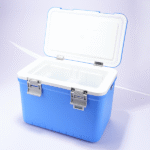
Dieser Leitfaden verwendet als Planungsmodell eine Route für gekühlte Medikamente. Der Versender sollte nicht als einfacher Kühler behandelt werden. Es muss mit der tatsächlichen Produktmasse getestet werden, Kartonanzahl, Kühlmittelaufbereitung, Streckendauer, Übergabezeit, und saisonales Umgebungsprofil.
Packout-Planungsdaten
| Temperaturbereich | Oft 2-8 C for refrigerated injectable medicines, but each product label and oncology pharmacy SOP must define the final range. |
|---|---|
| Feuchtigkeit und Kondensation | Kartons aufbewahren, vial labels, Manipulationsnachweis, and administration documents dry and readable. |
| Vorkühlung | Vorkonditionierter Versender, Kühlmittel, Logger, und Bereitstellungsbereich; avoid loading during uncontrolled room-temperature dwell. |
| Paketdruck | Protect high-value vials, Spritzen, and secondary cartons from compression, Bruch, und Kühlmittelkontakt. |
| Kühlmittelposition | Use conditioned coolant with validated separation from product; add light and tamper protection when required. |
| Transportdauer | Noch am selben Tag 48 h specialty pharmacy or hospital lanes should include handoff timing and receiving quarantine rules. |
| Häufige Verluste | Belichtung einfrieren, herzlicher Ausflug, Fläschchenbruch, nasse Etiketten, Lichteinwirkung, security concern, and unreleased stock. |
| Tempk-Verpackung passt | Tempk validated 2-8 C shipper, Fläschchenunterstützung, tamper-aware outer carton, kontinuierlicher Logger, and receiving release workflow. |
Was ändert sich für dieses Produkt?
Temperature-sensitive oncology injections can fail for reasons that are not visible from the outside carton. Ein Produkt kann scheinbar kalt ankommen, während eine Schicht eine gefrorene Packung berührt hat, oder Kartons können so nass sein, dass Etiketten und Anweisungen schwer zu überprüfen sind. Auch kleine Medikamentenpackungen passen sich den Umgebungsveränderungen schnell an, Daher sind die Position des Loggers und der Kühlmittelabstand von Bedeutung.
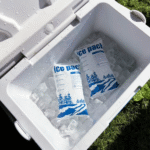
Vor dem Laden sollte eine Vorkonditionierung erfolgen. Wenn der Versender, Kühlmittel, oder der Bereitstellungsbereich beginnt außerhalb des Zielprofils, In den ersten Stunden der Durchreise kann es zu Frost oder warmen Temperaturen kommen. Für gekühlte Medikamente, Der Kontakt mit hartem Kühlmittel ist eines der häufigsten vermeidbaren Risiken.
Hilfreiche Entscheidungshilfen
Überprüfen Sie die Details, bevor Sie sich für die Verpackung entscheiden
Mit diesen schnellen Tools können Sie das Routenrisiko vergleichen, Größenanforderungen, Kühlmittelauswahl, und Verpackungsdetails, bevor Sie ein Angebot anfordern.
Kühlmittel & PCM-Referenz
Vergleichen Sie Kühlmittel- und PCM-Optionen, wenn eine Route zusätzliche Temperaturunterstützung benötigt.
Vergleichen Sie OptionenRoutenrisiko-Checker
Überprüfen Sie die Fahrspurbedingungen, bevor Sie die Verpackung entsprechend den tatsächlichen Betriebsanforderungen auswählen.
Streckenrisiko prüfenFallfestigkeit des Isolationsmaterials
Überprüfen Sie die Fallfestigkeit und die Handhabungsfaktoren, bevor Sie Isoliermaterialien auswählen.
Widerstand prüfenEmpfohlener Tempk-Verpackungsansatz
Benutze einen Tempk 2-8 C Isolierter Versender oder Isolierter Liner mit konditioniert Gelpackungen, eine validierte Produktbarriere, Karton- oder Fläschchenhalterung, und kontinuierliche Überwachung, wenn die Spur eine dokumentierte Freigabe erfordert. Bei kleinen Bestellungen sollte ein Einsatz verwendet werden, damit die Medikamentenkartons im getesteten Produktbereich bleiben und nicht in Richtung Kühlmittel rutschen.
Für hochwertige oder patientenkritische Sendungen, Fügen Sie eine Empfangscheckliste hinzu, die den Loggerstatus abdeckt, Produktanzahl, Trockenheit kennzeichnen, sichtbarer Schaden, und Quarantäneanweisungen. Dies hilft dem Empfänger, eine klare Freigabeentscheidung zu treffen, anstatt anhand der Berührungstemperatur des Kartons zu raten.
Erhalt von Schecks
Beim Empfang, Das Team sollte das Logger-Ergebnis überprüfen, bevor es den Bestand in den nutzbaren Bestand überführt. Wenn das Produktetikett, SOP, oder Qualitätsvereinbarung definiert einen Exkursionsprozess, Die Lieferung sollte zurückgehalten werden, bis der zuständige Apotheker oder das Qualitätsteam diese Überprüfung abgeschlossen hat.
Tempk kann die Größe des Versenders unterstützen, Entwurf einer Kühlmittelkarte, Layout einfügen, und Routenvalidierung. Teilen Sie die Abmessungen des Produktkartons mit, Bestellmenge, Zielbereich, Streckendauer, Umgebungsprofil, und Freigabeverfahren zum Aufbau eines bahnspezifischen Packouts.