Leitfaden zur Kühlkettenverpackung probiotischer Arzneimittel
Probiotische Arzneimittel benötigen eine Arzneimittelverpackung, die den zugelassenen Handhabungsbereich schützt, der Sekundärkarton, das Apothekenetikett, und die Empfangsentscheidung. Der korrekte Bereich muss dem Produktetikett entnommen werden, Herstelleranweisungen, Apotheken-SOP, und die Qualitätsvereinbarung des Kunden.
Dieser Leitfaden verwendet als Planungsmodell eine Route für gekühlte Medikamente. Der Versender sollte nicht als einfacher Kühler behandelt werden. Es muss mit der tatsächlichen Produktmasse getestet werden, Kartonanzahl, Kühlmittelaufbereitung, Streckendauer, Übergabezeit, und saisonales Umgebungsprofil.
Packout-Planungsdaten
| Temperaturbereich | Nutzen Sie den gekennzeichneten Lagerbereich; Viele gekühlte probiotische Produkte werden herumgereicht 2-8 C zum Schutz der Potenz. |
|---|---|
| Feuchtigkeit und Kondensation | Bei Flaschen ist die Feuchtigkeitskontrolle wichtig, Beutel, Kapseln, Etiketten, und Umkartons. |
| Vorkühlung | Vorkonditioniertes Produkt, Absender, und Kühlmittel vor dem Laden, damit keine Wärme in die Box transportiert wird. |
| Paketdruck | Flaschen schützen, Blisterkartons, und Beutelschachteln aus Kartonzerkleinerung und gemischter Ladungsbewegung. |
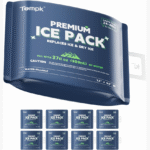
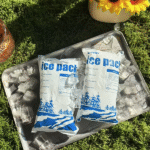
| Kühlmittelposition | Verwenden Sie Gelpackungen oder Phasenwechselpackungen mit einer Trockenbarriere, damit Etiketten und Kartons nicht nass werden. |
| Transportdauer | 24-72 Die E-Commerce- oder Apothekenstraßen müssen im Sommer getestet werden, da Hitzeeinwirkung die Keimzahl verringern kann. |
| Häufige Verluste | Hitzeeinwirkung, Kondensation, nasse Kartons, Flaschenbewegung, Beschädigung des Etiketts, und Potenzbeschwerden. |
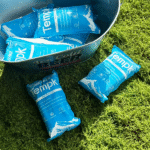
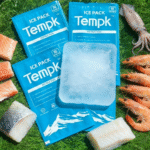
| Tempk-Verpackung passt | Isolierter Tempk-Versand oder Versender, konditioniertes Kühlmittel, Trockenbarriere, Kartonunterstützung, und Routenlogger bei Bedarf. |
Was ändert sich für dieses Produkt?
Probiotische Medikamente können aus Gründen versagen, die auf der Außenseite der Packung nicht sichtbar sind. Ein Produkt kann scheinbar kalt ankommen, während eine Schicht eine gefrorene Packung berührt hat, oder Kartons können so nass sein, dass Etiketten und Anweisungen schwer zu überprüfen sind. Auch kleine Medikamentenpackungen passen sich den Umgebungsveränderungen schnell an, Daher sind die Position des Loggers und der Kühlmittelabstand von Bedeutung.
Vor dem Laden sollte eine Vorkonditionierung erfolgen. Wenn der Versender, Kühlmittel, oder der Bereitstellungsbereich beginnt außerhalb des Zielprofils, In den ersten Stunden der Durchreise kann es zu Frost oder warmen Temperaturen kommen. Für gekühlte Medikamente, Der Kontakt mit hartem Kühlmittel ist eines der häufigsten vermeidbaren Risiken.
Hilfreiche Entscheidungshilfen
Überprüfen Sie die Details, bevor Sie sich für die Verpackung entscheiden
Mit diesen schnellen Tools können Sie das Routenrisiko vergleichen, Größenanforderungen, Kühlmittelauswahl, und Verpackungsdetails, bevor Sie ein Angebot anfordern.
Boxliner & Dimensionierung der Palettenabdeckung
Überprüfen Sie die Größenlogik für Kartoneinlagen und Palettenabdeckungen für isolierte Verpackungsprojekte.
Schätzen Sie die GrößeCompliance-Checklisten-Generator
Erstellen Sie eine praktische Checkliste für die Verpackungsüberprüfung, Versand, und Dokumentation.
Checkliste erstellenFallfestigkeit des Isolationsmaterials
Überprüfen Sie die Fallfestigkeit und die Handhabungsfaktoren, bevor Sie Isoliermaterialien auswählen.
Widerstand prüfenEmpfohlener Tempk-Verpackungsansatz
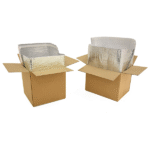
Benutze einen Tempk 2-8 C Isolierter Versender oder Isolierter Liner mit konditioniert Gelpackungen, eine validierte Produktbarriere, Karton- oder Fläschchenhalterung, und kontinuierliche Überwachung, wenn die Spur eine dokumentierte Freigabe erfordert. Bei kleinen Bestellungen sollte ein Einsatz verwendet werden, damit die Medikamentenkartons im getesteten Produktbereich bleiben und nicht in Richtung Kühlmittel rutschen.
Für hochwertige oder patientenkritische Sendungen, Fügen Sie eine Empfangscheckliste hinzu, die den Loggerstatus abdeckt, Produktanzahl, Trockenheit kennzeichnen, sichtbarer Schaden, und Quarantäneanweisungen. Dies hilft dem Empfänger, eine klare Freigabeentscheidung zu treffen, anstatt anhand der Berührungstemperatur des Kartons zu raten.
Erhalt von Schecks
Beim Empfang, Das Team sollte das Logger-Ergebnis überprüfen, bevor es den Bestand in den nutzbaren Bestand überführt. Wenn das Produktetikett, SOP, oder Qualitätsvereinbarung definiert einen Exkursionsprozess, Die Lieferung sollte zurückgehalten werden, bis der zuständige Apotheker oder das Qualitätsteam diese Überprüfung abgeschlossen hat.
Tempk kann die Größe des Versenders unterstützen, Entwurf einer Kühlmittelkarte, Layout einfügen, und Routenvalidierung. Teilen Sie die Abmessungen des Produktkartons mit, Bestellmenge, Zielbereich, Streckendauer, Umgebungsprofil, und Freigabeverfahren zum Aufbau eines bahnspezifischen Packouts.