Lieferant von Impfstoff-Eisboxen für den Transport von Impfstoffen: Von der Spezifikation zum Maßstab
Eine fundierte Entscheidung Impfstoff-Eisbox vaccine transport supplier can be reduced to five linked questions: was es zu schützen gilt, auf welcher Route, mit welcher geladenen Konfiguration, unter deren operativer Kontrolle steht, und mit welchen Beweisen.
Das Ergebnis ist ein integrierter Auswahlrahmen. Es kombiniert Produktschulung, technisches Urteil, Routenrisiko, Lieferantenqualifizierung, Gesamtkosten, und Nachhaltigkeit, damit ein Käufer eine klarere Anfrage stellen kann, Führen Sie einen sinnvollen Versuch durch, und genehmigen Sie eine Konfiguration mit weniger Überraschungen.
Verwenden Sie fünf Entscheidungen, um den Kauf zu steuern
A complete vaccine transport ice box project can be governed through five decisions. Erste, Definieren Sie das geschützte Produkt und die Abnahmebedingung. Zweite, prägen die Gasse und ihre Übergänge. Dritte, Entwerfen Sie die geladene Verpackung, inklusive Kühlmittel, Barrieren, Überwachung, und Nutzfläche. Vierte, Qualifizierung des Lieferanten und Nachweis. Fünfte, beweisen, dass sich Operationen reproduzieren lassen, sauber, zurückkehren, und pflegen Sie die Konfiguration.
Die Reihenfolge ist wichtig. Teams erstellen Nacharbeiten, wenn sie eine Box auswählen, Versuchen Sie dann, das Produkt einzubauen und darin zu verlegen. Ausgehend vom Produkt und der Spur können mehrere Architekturen gleichberechtigt verglichen werden. Dadurch wird auch die Kostenverhandlung nützlicher, weil das Angebot einen definierten Auftrag und nicht einen generischen Container beschreibt.
The central tradeoff is a preconfigured kit can reduce packing variability, while a modular system can fit more routes; modularity needs stronger instructions and configuration control. Das Framework beseitigt keine Kompromisse; es macht sie explizit. Der Einkauf kann entscheiden, welche Konsequenzen akzeptabel sind, Das Engineering kann die technischen Grundlagen dokumentieren, Qualität oder Lebensmittelsicherheit können Beweise liefern, und Operationen können testen, ob die Methode wiederholbar ist.
Entscheidung 1 Und 2: Produktanforderungen mit der Spur verbinden
Write a one-page use-case brief for vaccines, Verdünnungsmittel, and monitoring equipment managed under product-specific instructions. Fügen Sie die aktuelle Produktanleitung bei, Ausgangsbedingung, Menge, Karton- oder Tablettabmessungen, Empfindlichkeit gegenüber Frost, Überhitzung, Licht, Kontamination, Auswirkungen, oder Verzögerung, und der Dispositionsprozess für einen Ausflug. Vermeiden Sie den Import eines gemeinsamen Branchenbereichs in ein Produkt mit unterschiedlichen Anweisungen.
Then map dispatch, Fahrzeugtransport, temporäre Inszenierung, aushändigen, and receipt under a written vaccine transport procedure. Verstrichene Zeit aufzeichnen, saisonale äußere Bedingungen, Inszenierung, Fahrzeugumgebung, Türöffnung, Stoppen Sie die Zählung, Transferflächen, Sorgerechtsänderungen, und Empfangsspeicher. Fügen Sie ein normales Szenario und eine realistische Herausforderung hinzu. Die Herausforderung könnte ein warmes Dock sein, verspäteter Empfänger, Teillast, wiederholtes Öffnen, oder Übergabe im Freien. Es sollte einen glaubwürdigen Betriebstag darstellen, kein künstlicher Worst Case ohne definierte Wahrscheinlichkeit oder Reaktion.
Ordnen Sie jedes Risiko der Verpackung zu, Verfahren, Ausrüstung, oder Eskalation. Isolierung und Kühlmittel können die Umweltbelastung abfedern. Ein Routenfahrplan kann die Verweildauer reduzieren. Für einige risikoreiche Bewegungen kann eine tragbare Aktiveinheit besser geeignet sein. Durch einen Insolvenzverwaltertermin kann eine unkontrollierte Übergabe verhindert werden. Diese Zuordnung verhindert, dass die Passivbox jede Prozessschwäche kompensieren muss.
Entscheidung 3: Genehmigen Sie eine geladene Konfiguration, keine nominelle Box
Das geladene Design muss dieses Kapazitätsproblem lösen: the supplier should state both internal dimensions and the usable payload arrangement after coolant, Barrieren, Originalkartons, und Überwachungsgeräte sind im Lieferumfang enthalten. Erstellen Sie eine Zeichnung und ein physisches Modell, das die Produktausrichtung zeigt, Kühlmittel, Barrieren, Überwachung, Trenner, Toleranzen, und Verschlussspiel. Berechnen oder messen Sie das erwartete Packgewicht. Fahrzeug bestätigen, Regal, Palette, Wagen, und Tür passen, wenn sich die Griffe und der Deckel in ihrer Betriebsposition befinden.
Kontrollieren Sie die lokalen Temperaturen, indem Sie den Zustand und die Platzierung des Kühlmittels definieren. Das Design sollte einen unbeabsichtigten direkten Kontakt vermeiden, unkontrollierte Luftspalte, und Komponenten, die sich verschieben können. Für Entwicklungsarbeiten sind möglicherweise mehrere Sensoren erforderlich, um die Belastung abzubilden, Bei der routinemäßigen Überwachung sollte jedoch ein fester Standort verwendet werden, der die erforderliche Produktentscheidung darstellt. Teilladungen benötigen eine zugelassene Alternative und keine improvisierte Version der Vollladung.
Construction should support repeatable packout geometry, Isolierung, Schließung, Kühlmittelbehälter, product barriers, Beschriftungsbereiche, and controlled components are more important than a generic cooler appearance. Überprüfen Sie die Deckelverbindung, Wärmebrücken, Hochlast-Hardware, Reinigbarkeit, Komponentenaustausch, und gegebenenfalls Kompatibilität mit Sonnenlicht oder Chemikalien. Materialnamen sind Eingaben, keine Schlussfolgerungen. Die genehmigte Spezifikation sollte die Konstruktion so detailliert definieren, dass die Funktion während der Produktion erhalten bleibt.
Entscheidung 4: Qualifizieren Sie den Lieferanten und die Nachweise gemeinsam
Stellen Sie fest, wem das Design gehört und wer die Fabrik kontrolliert. Bei der kommerziellen Partei kann es sich um einen Hersteller handeln, Exporteur, Verteiler, oder Integrator, aber der Käufer braucht einen klaren Weg zu den Zeichnungen, Materialkontrollen, Inspektion, Mängel, und Änderungsmitteilung. Fragen Sie nach, welche Komponenten kritisch sind und wie Produktionseinheiten mit dem freigegebenen Muster verglichen werden.
The request for quotation should cover container, Kühlmittel, Barrieren, Trenner, monitoring compatibility, Verpackungs-SOP, Reinigung, Etiketten, Beweis, Schulungsmaterial, Ersatzteile, und Änderungskontrolle. Normalisieren Sie die enthaltenen Stücklisten und Lieferbedingungen, bevor Sie die Preise vergleichen. Separate Hardware, Kühlmittel, Überwachung, Anpassung, Werkzeuge, Testen, Dokumentation, Verpackung, Fracht, und Ersatzteile. Dies macht Kostentreiber sichtbar und verhindert, dass ein niedriger Leerboxpreis mit einem prozessfertigen Kit verglichen wird.
Request current drawings, Komponentenliste, packout and conditioning instructions, Testdokumentation, calibration expectations for monitoring, Reinigungsanleitung, and written change notification. Lesen Sie Testberichte für Bedingungen, keine Schlagzeilen. Nutzlast prüfen, Starttemperatur, Kühlmittel, Umgebungsprofil, Dauer, Öffnungen, Sensorpositionen, Akzeptanzkriterien, und ob die Probe die Produktion darstellte. Notieren Sie die Lücken zwischen diesen Beweisen und der vorgesehenen Fahrspur, damit das Team entscheiden kann, welche weiteren Arbeiten verhältnismäßig sind.
| Genehmigungstor | Mindestleistung | Grund, warum das Tor existiert |
|---|---|---|
| Produkt und Spur | Kurzbeschreibung des Anwendungsfalls mit Nutzlast, Zustand, Route, Belichtung, und Übergaben | Verhindert, dass das Feld ausgewählt wird, bevor der Job definiert ist |
| Geladene Konfiguration | Zeichnung, Komponentenliste, Kühlmittel, Barrieren, Sensor, Gewicht, und fit | Wandelt die Nennkapazität in eine reproduzierbare Packung um |
| Lieferant und Beweismittel | Kontrollierte Spezifikation, Proben, Berichte, und Regeln ändern | Verbindet die kommerzielle Versorgung mit dem genehmigten Design |
| Betriebsbereitschaft | SOP, Ausbildung, Reinigung, Empfang, zurückkehren, und Ausnahmen | Zeigt, dass Menschen die Methode wiederholen und beibehalten können |
| Umfang und Lebenszyklus | Kontrolle der ersten Charge, Routen-Rollout, Kostenmodell, Vermögensverfolgung, Überprüfungsauslöser | Schützt Leistung und Wert nach der Markteinführung |
Die Genehmigungstore verhindern, dass ein Projekt direkt von einem attraktiven Muster zu einer Großbestellung übergeht. Jedes Tor erzeugt einen greifbaren Output und schließt ein anderes Risiko ab: unklarer Anwendungsfall, nicht reproduzierbare Verpackung, unkontrollierte Versorgung, schwache Operationen, oder ein unbewiesenes Lebenszyklusmodell.
Nutzen Sie regulatorische und technische Leitlinien, ohne zu viel zu beanspruchen
Eine maßgebliche Anleitung hilft dabei, Kontrollerwartungen zu definieren, Aber es verwandelt eine generische Box nicht in ein zugelassenes System. Maßgebend bleiben weiterhin die Produktanweisungen und die geltenden örtlichen Vorschriften. In einer technischen Akte sollte angegeben werden, warum jede Referenz relevant ist und wo streckenspezifische Tests oder Qualitätsprüfungen noch erforderlich sind.
Für Impfstoffe, In den aktuellen CDC-Leitlinien liegt der Schwerpunkt auf produktspezifischen Lagerungs- und Transportinformationen, Bevorzugte tragbare Impfstoffkühlschränke oder geeignete Packouts für den nicht notfallmäßigen Transport, kontinuierliche Überwachung, minimierte Umgebungsexposition, und geschulte Verfahren. Es lehnt auch die Annahme ab, dass CDC oder VFC ein Produkt eines Anbieters durch Marketingbedingungen im Compliance-Stil validiert hätten.
Für Arzneimittel, Die EU-BIP-Leitlinien gehen davon aus, dass die erforderlichen Lagerbedingungen während des Transports durch eine risikobasierte Auswahl eingehalten werden, passende Ausrüstung, Überwachung, Routenbewertung, und Qualifikation, wo nötig. Beim Luftverkehr kann sich die IATA-Zeit verlängern- und temperaturempfindliche Frachtverfahren. Diese Rahmenwerke leiten Beweise und Verantwortung; sie schaffen keine universelle Eignung.
In der Genehmigungsentscheidung sollten der getestete Betriebsbereich und die Bedingungen, die eine Eskalation erfordern, angegeben werden. Wenn die Beweise unvollständig sind, Wandeln Sie das Unbekannte in eine Verifizierungsfrage oder eine Betriebsgrenze um, anstatt die Lücke mit einer selbstbewussten Marketingaussage zu füllen.
Hilfreiche Entscheidungshilfen
Überprüfen Sie die Details, bevor Sie sich für die Verpackung entscheiden
Mit diesen schnellen Tools können Sie das Routenrisiko vergleichen, Größenanforderungen, Kühlmittelauswahl, und Verpackungsdetails, bevor Sie ein Angebot anfordern.
Kühlakku-Rechner
Schätzen Sie die Menge an Gel-Eisbeuteln für gekühlte Sendungen und nutzen Sie die praktische Routenplanung.
Schätzen Sie EisbeutelTrockeneisrechner
Schätzen Sie vor dem Verpacken den Bedarf an Trockeneis für gefrorene oder ultrakalte Sendungen.
Schätzen Sie TrockeneisReferenz zu Isoliermaterialien
Vergleichen Sie die Auswahl an Isoliermaterialien für unterschiedliche Kühlkettenverpackungsanforderungen.
Vergleichen Sie MaterialienEntscheidung 5: Beweisen Sie, dass die Organisation die Methode wiederholen kann
Führen Sie einen Pilotversuch mit den echten Packern durch, Fahrer, Empfänger, Reinigungspersonal, und Prüfer für Qualität oder Lebensmittelsicherheit. Beachten Sie die Komponentenidentifikation, Kühlmittelaufbereitung, Laden, Monitorplatzierung, Schließung, Inszenierung, Heben, Zurückhaltung, Öffnung, aushändigen, zurückkehren, waschen, Trocknen, und Inspektion. Notieren Sie Problemumgehungen; Sie sind ein Beweis dafür, dass der Entwurf oder die Anweisung einer Korrektur bedarf.
Der Rückgabeprozess muss diese Hygieneanforderung umsetzen: reuse requires inspection, Trocknen, and cleaning instructions that do not damage insulation, Siegel, Etiketten, oder Verpackung. Separat schmutzig, sauber, reparieren, Quarantäne, und Ruhestandsstatus. Definieren Sie objektive Freigabekriterien und kontrollieren Sie abnehmbare Teile. Messen Sie den Reinigungsdurchsatz und den Lagerraum, damit die Flottenmenge die tatsächlich verfügbaren Ressourcen widerspiegelt, nicht nur gekaufte Kartons.
Bereiten Sie Ausnahmepfade vor dem Start vor. Das Personal muss wissen, was zu tun ist, wenn eine Kühlmittelkomponente fehlt, Der Monitor fällt aus, Ein Deckel lässt sich nicht schließen, Eine Kiste ist beschädigt, ein Fahrzeug hat Verspätung, Der Empfänger ist abwesend, oder die Produktspur zeigt eine Abweichung. Ein kurzer Eskalationsweg schützt den genehmigten Prozess unter Zeitdruck.
Beurteilen Sie Kosten und Nachhaltigkeit im selben Betriebszyklus
Erstellen Sie die Gesamtkosten anhand der genehmigten Konfiguration: Hardware, Werkzeuge, Proben, Kühlmittel, Überwachung, Etiketten, Verpackung, Fracht, Aufgaben, Arbeit, Fahrzeugwürfel, zurückkehren, Waschen, Trocknen, Lagerung, reparieren, Verlust, Ersatz, und Beweissicherung. Melden Sie die Kosten pro erfolgreicher Fahrt nach Routenkohorte. Dies vermeidet sowohl eine enge Entscheidung über den Stückpreis als auch die unbestätigte Behauptung, dass Wiederverwendung immer Geld spart.
The sustainability question is supplier support for component replacement, Vermögensidentifizierung, and repeatable cleaning can be as important as the base material when building a reusable vaccine transport program. Verfolgen Sie die Auflage, Rückweg, Verlust, reparieren, Ressourcen waschen, Verwendung, und End-of-Life-Handling. Ein wiederverwendbares System schafft Wert, wenn das Netzwerk es in kontrolliertem Betrieb halten kann. Richtige Größe, reparierbare Komponenten, und eine effiziente Rückstapelung kann genauso wichtig sein wie das Grundmaterial.
Die kommerzielle Zulassung kann eine Sensitivitätsprüfung umfassen. Untersuchen Sie, wie sich das Ergebnis ändert, wenn die Rendite sinkt, der Schaden steigt, Nachfrageverschiebungen, oder eine Route benötigt eine andere Größe. Dafür sind keine erfundenen Marktdaten erforderlich. Dabei werden die Betriebsannahmen der Organisation verwendet, um zu ermitteln, wo der Vorschlag robust ist und wo ein anderes Verpackungsmodell beibehalten werden sollte.
Skalieren Sie durch kontrollierte Gates und Änderungsauslöser
Tor 1 genehmigt die Anwendungsfallbeschreibung und die geladene Zeichnung. Tor 2 genehmigt Produktionsmuster und Lieferantendokumente. Tor 3 genehmigt relevante thermische, mechanisch, Reinigung, und Routennachweise. Tor 4 genehmigt die SOP, Ausbildung, Ausnahmeprozess, und Rücklaufschleife. Tor 5 gibt die Produktion nach Erstlosprüfung frei. Jedes Tor hat einen Besitzer und aufgezeichnete Akzeptanzkriterien.
Erweitern Sie die Route um ähnliche Routenkohorten. Beginnen Sie mit einer repräsentativen Spur und einer glaubwürdigen Herausforderung, richtige Probleme, Fügen Sie dann Websites hinzu, die Nutzlast und Präsenz teilen. Gehen Sie nicht davon aus, dass ein erfolgreicher Pilot ein anderes Fahrzeug abdeckt, Klima, Stoppmuster, Produkt, oder Waschvorgang. Entscheiden Sie anhand eines dokumentierten Vergleichs, ob die vorhandenen Beweise erweitert werden können.
Führen Sie nach dem Start ein Änderungsregister. Produktkartons, Kühlmittel, Nutzlastmasse, Sensor, Streckenzeit, Reinigungschemie, Lieferantenmaterial, Siegel, Hardware, oder Werksänderungen können sich auf die Grundlinie auswirken. Weisen Sie Überprüfungsstufen zu, damit kleinere administrative Aktualisierungen keine unnötige Arbeit auslösen, während funktionale Änderungen angemessen verglichen oder neu qualifiziert werden.
Halten Sie die wichtigsten Nichtannahmen sichtbar
Gehen Sie nicht davon aus, dass die Nennkapazität der Nutzlastkapazität entspricht, Diese Isolierung sorgt für die erforderliche Produkttemperatur, dass ein Logger Schutz bietet, oder dass ein Test unter verschiedenen Bedingungen die Fahrspur beweist. Gehen Sie nicht davon aus, dass die Haltbarkeit gleichbedeutend mit der Eignung für Lebensmittel oder Arzneimittel ist, oder dass die Genehmigung eines Programms auf ein anderes übertragen wird. The specific risk here is accepting claims such as CDC-compliant, universal vaccine cooler, or guaranteed duration without product, Auspacken, und Testkontext.
Verwandeln Sie jede Nichtannahme in eine Kontrolle. Verwenden Sie eine geladene Zeichnung für die Kapazität, ein definierter Kühlmittelplan zur thermischen Kontrolle, eine feste Sensorposition zur Beweissicherung, ein Routenvergleich zur Übertragbarkeit, ein Reinigungs- und Trennungsprozess für die Hygiene, und eine kontrollierte Spezifikation für Produktionskonsistenz. Dadurch werden die Grundsätze des Artikels in einer Ausschreibung und einem Pilotprojekt umsetzbar.
Endlich, Unsicherheit ehrlich bewahren. Wenn ein Parameter von den Produktanweisungen nicht unterstützt wird, eine zuverlässige technische Quelle, Lieferantendokumentation, oder testen, Bitten Sie den Lieferanten um eine Bestätigung oder planen Sie eine Überprüfung. Das Entfernen einer nicht unterstützten Zahl ist eine bessere Technik und eine bessere Beschaffung als die Darstellung von Präzision, die die Beweise nicht tragen können.
Fragen zur integrierten Beschaffung
Welche Informationen sollten zuerst an einen Lieferanten gesendet werden??
Senden Sie den Produkttyp und den gewünschten Zustand, Karton- oder Nutzlastabmessungen, Menge, Streckendauer, saisonale Exposition, Stopp- und Öffnungsmuster, Fahrzeug- oder Regalbeschränkungen, Kühlmittelpräferenz, Überwachungsbedarf, Reinigungsmethode, Wiederverwendungsplan, Anpassung, und Auftragsvolumen. Markieren Sie alle Unbekannten, damit sie zu Projektfragen und nicht zu Annahmen werden.
Woher weiß ich, ob die vorgeschlagene Box zu groß oder zu klein ist??
Erstellen Sie das komplette Packout und vergleichen Sie die Anzahl der nutzbaren Nutzlasten, belastetes Gewicht, Außenwürfel, Fahrzeug passen, Teillastverhalten, und Handling. Eine große Kiste kann Kühlmittel und Platz verschwenden; ein kleines kann eine Komprimierung oder zusätzliche Fahrten erzwingen. Nutzen Sie reale Auftragsprofile und genehmigen Sie Lastbänder.
Welche Beweise sind vor der Produktion am wichtigsten??
Die Evidenz sollte zu den vorherrschenden Risiken passen. Zumindest, Kontrollmaße, Materialien, Komponenten, geladene Passform, Handhabung, Reinigung, und relevante thermische Annahmen. Für risikoreichere Gesundheits- oder Lebensmittelwege ist möglicherweise ebenfalls eine Qualifizierung erforderlich, kalibrierte Überwachung, Routenstudien, formelle Aufzeichnungen, und Qualitäts- oder Lebensmittelsicherheitszulassung.
Wie sollen Kostenangebote verglichen werden??
Vergleichen Sie dieselbe Stückliste, Abmessungen, Zubehör, Kühlmittel, Überwachung, Anpassung, Testen, Verpackung, Bestellmenge, Lieferbedingungen, Frachtannahmen, Ersatzteile, und Änderungskontrollumfang. Dann Modellarbeit, zurückkehren, Reinigung, Verlust, reparieren, und erfolgreiche Reisen. Ein Stückpreis für eine leere Hülle ist kein vollständiger Vergleich.
Was sollte eine Neuqualifizierung oder Neubewertung auslösen??
Änderungen an Produktanweisungen, Nutzlast, Karton, Kühlmittel, Sensor, Route, Umgebungseinflüsse, Stoppmuster, Reinigung, Material, Siegel, Hardware, Verfahren, oder Fabrik kann eine Rolle spielen. Legen Sie risikobasierte Auslöser für die Dokumentenprüfung fest, Probenvergleich, gezieltes Testen, Streckenarbeiten, oder vollständige Umqualifizierung.
Endgültige Entscheidung
Treat vaccine ice box vaccine transport supplier as a controlled system decision. Definieren Sie das Produkt und die Spur, Genehmigen Sie die geladene Verpackung, Lieferantenkontrollen und Nachweise qualifizieren, den Betriebsablauf nachweisen, und Modellkosten und Wiederverwendung bei erfolgreichen Reisen. Skalierung erst, nachdem produktionsabsichtliche Stichproben und Routenkohorten überprüft wurden. Dieser Ansatz bewahrt die nützlichen Informationen aus der Produktschulung, Maschinenbau, Einhaltung, Operationen, und Nachhaltigkeit, ohne sich auf universelle Ansprüche zu verlassen.
Über Tempk
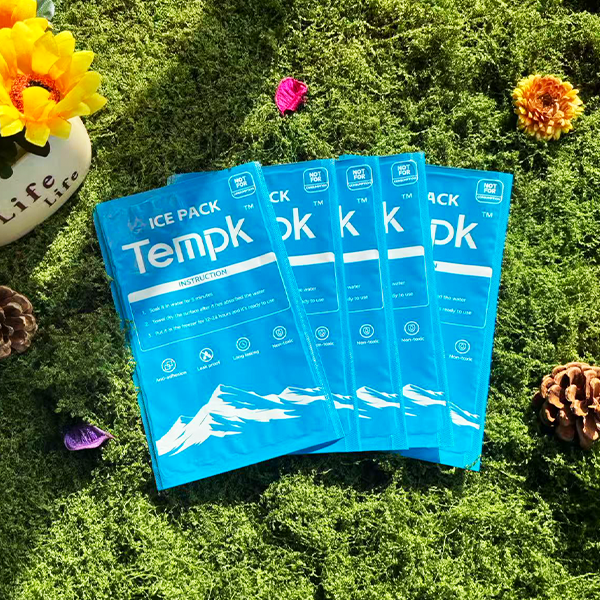
Tempk ist das Kühlkettenverpackung Marke von Shanghai Tempk Industrial Co., Ltd. Das öffentliche Portfolio umfasst Gelpackungen, Eisziegel, Isoliertaschen und Liner, EVP und andere Isolierte Kisten, Medizinische Eisboxen, Palettenabdeckungen, und maßgeschneiderte Verpackungen für die Lebensmittel- und Gesundheitslogistik. Käufer können die Produktgeometrie angeben, Zielzustand, Route, Kühlmittel, Überwachung, Handhabung, Reinigung, Identifikation, und kommerziellen Anforderungen, sodass Tempk eine Konfiguration für die Musterprüfung vorschlagen kann, Testen, und Diskussion vom Muster bis zur Produktion.
Nächster Projektschritt
Ask Tempk to review your vaccine transport ice box suppliers project using the actual payload, Route, Auspacken, Bedienelemente, und Beschaffungsannahmen, bevor ein Massenangebot fertiggestellt wird.