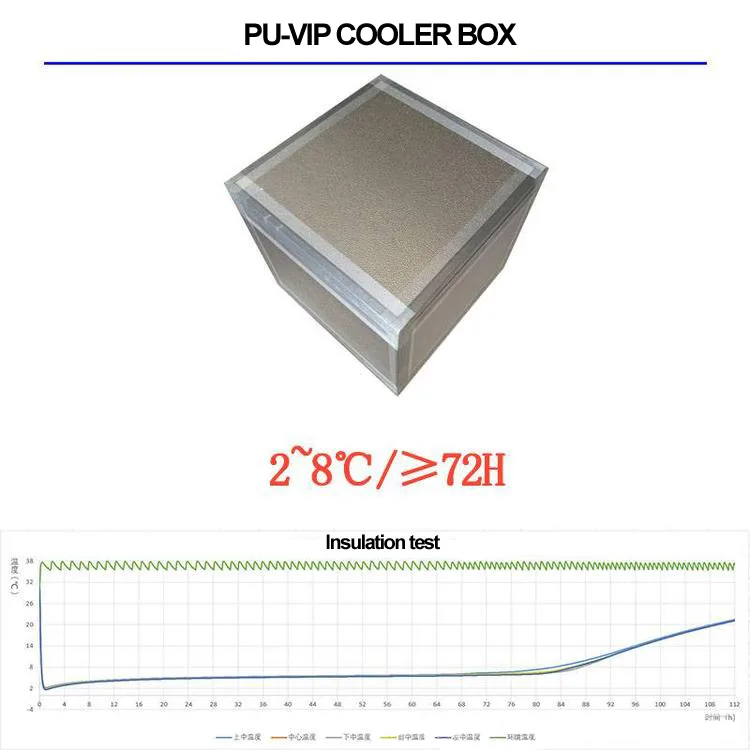
Vakuumpaneelbehälter für leichte Kühlkettenbox: Auswahlrahmen
Die sicherste Wahl für die Kühlkette ist in der Regel diejenige, bei der die Grenzen klar erläutert werden, bevor die erste Bestellung aufgegeben wird. Ein Vakuumpaneelbehälter für geringes Gewicht Kühlkettenbox kann eine gute Option sein, wenn die Sendung einen kompakten Wärmeschutz benötigt, Es sollte jedoch als Teil eines vollständigen passiven Temperaturkontrollsystems bewertet werden. Dieses System umfasst die isolierte Hülle, Kühlmittel- oder PCM-Plan, Vorbereitung der Nutzlast, Verpackungsanweisung, Überwachungsansatz, Umgang mit Kommunikation, und eine Bewertung erhalten. Die Aufgabe des Käufers besteht darin, diese Teile mit dem Produkt zu verbinden, die Spur, und die Entscheidung, die nach der Lieferung getroffen wird.
Für Verpackungsingenieur, Käufer der E-Commerce-Kühlkette, Frachtkostenanalyst, Der nützliche Ausgangspunkt ist die tatsächliche Route: Kühlkettenlieferungen, bei denen Käufer die äußere Größe oder den Versandaufwand reduzieren möchten, ohne dabei die thermische Qualifikation außer Acht zu lassen. Das Hauptrisiko besteht darin, dass ein leichterer Container den Handhabungsaufwand verringern kann, Es können jedoch neue Risiken entstehen, wenn der Nutzlastraum vergrößert wird, Panelschutz, Kühlmittelmasse, oder Haltbarkeit wird nicht überprüft. Wenn der Käufer lediglich eine Kartongröße oder eine angegebene Laufzeit wünscht, Der Lieferant verfügt möglicherweise nicht über genügend Informationen, um eine sichere und wiederholbare Konfiguration zu empfehlen. Eine bessere Beschreibung beschreibt den Produktzustand, erforderlichen Temperaturbereich, voraussichtliche Laufzeit, Übergabepunkte, Verpackungsbeweis, und was das empfangende Team akzeptieren oder ablehnen wird.
Die erste praktische Frage ist, ob das Produkt gekühlt werden muss, gefroren, kontrollierte Raumtemperatur, oder ein anderer definierter Bereich. Der Temperaturbereich kommt immer noch vom Produkt; Leichtbau sollte die Akzeptanzkriterien nicht verändern. Ein VIP-Versender sollte daher anhand der tatsächlichen Produktanforderungen und Routenbedingungen überprüft werden, nicht gegen ein allgemeines Versprechen. Wenn die Informationen zur Produktstabilität begrenzt sind, Die richtige Maßnahme besteht darin, um Aufklärung und Testnachweise zu bitten, die Lücke nicht mit Annahmen zu füllen.
Das leichte Kühlkettendesign sollte mit der vollständigen Versandeinheit verglichen werden, nicht nur die Hülle. Eine dünnere Isolierwand kann das Nutzlastverhältnis verbessern, aber Kühlmittelmasse, äußerer Kartonschutz, und die Notwendigkeit, VIP-Panels zu schützen, kann das Endgewicht verändern. Abmessungsgewicht und nutzbarer Nutzlastraum sollten gemeinsam überprüft werden.
Beginnen Sie mit der Produktempfindlichkeit, kein Containertyp
Ein endgültiger Auswahlrahmen sollte mit der Produktsensitivität beginnen. Für Kühlkettenlieferungen, bei denen Käufer die Außengröße oder den Versandaufwand reduzieren möchten, ohne dabei die thermische Qualifikation außer Acht zu lassen, Die Verpackung muss möglicherweise eine Erwärmung verhindern, Einfrieren, Kondensation, Nutzlastbewegung, oder Beweislücken. Der Temperaturbereich ist nur ein Teil der Anforderung. Sie müssen auch wissen, ob das Produkt frostempfindlich ist, ob die Ladung trocken bleiben muss, ob das empfangende Team einen lesbaren Bericht benötigt, und ob eine Qualitätseinheit Abweichungen überprüft.
Dieser Ansatz verhindert einen häufigen Kauffehler: Wählen Sie einen Behälter, weil er als „Premium“ gekennzeichnet ist, Später stellen wir dann fest, dass die Verpackung nicht zum Produkt passt. Der Behälter verlangsamt die Wärmeübertragung. Es entscheidet nicht darüber, ob ein Ausflug akzeptabel ist, und eine nicht überprüfte Route wird dadurch nicht qualifiziert. Eine sorgfältig verfasste Versandbeschreibung ist wertvoller als eine lange Liste allgemeiner Merkmale.
Verwandeln Sie die Route in einen testbaren Verpackungsauftrag
Ein überprüfbares Briefing verwandelt eine grobe Versandidee in eine lieferantenfertige Anforderung. Darin sollte der Produkttyp angegeben sein, erforderliche Reichweite, Routenfamilie, erwartete maximale Belichtung, Einzelheiten zur Nutzlast, Kühlmittelpräferenz oder -einschränkung, Überwachungsbedarf, und Erhalt der Entscheidung. Für Vakuumplattenbehälter für leichte Kühlkettenbox, In dieser Kurzbeschreibung sollte auch der Hauptfehlermodus identifiziert werden: Ein leichterer Behälter kann den Handhabungsaufwand verringern, Es können jedoch neue Risiken entstehen, wenn der Nutzlastraum vergrößert wird, Panelschutz, Kühlmittelmasse, oder Haltbarkeit wird nicht überprüft.
Das Briefing muss beim ersten Entwurf nicht perfekt sein. Es muss explizit sein. Wenn ein Wert unbekannt ist, Markieren Sie es als Frage zur Qualitäts- oder Logistikprüfung. Zum Beispiel, Schreiben Sie keine feste Haltezeit, es sei denn, Sie kennen das Umgebungsprofil und die Akzeptanzkriterien. Geben Sie keine Nutzlastkapazität an, es sei denn, Sie wissen, ob Sie das Bruttoinnenvolumen oder den nutzbaren Produktraum nach dem Laden von Kühlmittel und Abscheidern meinen.
Entscheidungstabelle zur praktischen Überprüfung
| Entscheidungsbereich | Was zu entscheiden ist | Was man nicht annehmen sollte |
|---|---|---|
| Produktanforderung | Zielbereich, Ausflugspolitik, Frost- oder Feuchtigkeitsempfindlichkeit. | Gehen Sie nicht davon aus, dass für jedes Produkt ein Sortiment geeignet ist. |
| Wärmesystem | VIP-Container, Kühlmittel, Separatoren, Konditionierung der Nutzlast, und Schließung. | Behandeln Sie die Box allein nicht als qualifiziertes System. |
| Routenbelichtung | Transitzeit, saisonales Profil, Zoll, verweilen, und letzte Meile. | Berücksichtigen Sie nicht die geplante Flugzeit als Gesamtexposition. |
| Beweis | Logger-Setup, Kalibrierungsnachweis, Zugriff melden, Empfangsregeln. | Gehen Sie nicht davon aus, dass die Überwachung das Produkt schützt. |
| Skalierung | Probenkonsistenz, Produktionsänderungskontrolle, Ausbildung zum Packer. | Genehmigen Sie die Produktion nicht anhand eines losen Musterversuchs. |
Dieser Rahmen trägt dazu bei, gleichzeitiges Überkaufen und Unterspezifizieren zu verhindern. Es ermöglicht die Beschaffung, Logistik, und Qualitätsteams besprechen dieselben Fakten, bevor die Verpackung genehmigt wird.
Wenn der VIP-Container passt, und wann nicht
Ein VIP-Container passt gut zum Produktwert, Routenrisiko, oder Platzmangel rechtfertigen eine erstklassige Isolierung und eine diszipliniertere Verpackung. Es ist weniger geeignet, wenn das Team den Temperaturbedarf nicht definieren kann, Kühlmittel kann nicht vorkonditioniert werden, Sendungsdaten können nicht abgerufen werden, oder eine aktive Temperaturregelung anstelle einer passiven Isolierung benötigt. Lightweight ist nur dann sinnvoll, wenn das Paket die Nutzlast noch unterstützt, Kühlmittel, Abwicklungsroute, und Beweise entgegennehmen.
Bei der Entscheidung sollte auch der Empfänger berücksichtigt werden. Ein Labor, Krankenhaus, Verteiler, oder Haushaltskunden können ein sehr unterschiedliches Empfangsverhalten haben. Wenn der Empfänger nicht zeitnah auspacken oder einen Loggerbericht interpretieren kann, Der Verpackungsplan sollte klare Empfangsanweisungen und Eskalationskontakte enthalten.
Beweise, die Qualitätsteams normalerweise sehen möchten
Qualitätsteams möchten in der Regel Beweise, die dem Risikoniveau entsprechen. Für Vakuumplattenbehälter für leichte Kühlkettenbox, Hierzu kann auch die Anforderung des Produktversands gehören, Technische Daten des Lieferanten, Verpackungsanweisung, Zusammenfassung des Testprofils, Beispielbewertungsnotizen, Logger-Einstellungen, Kalibrierungsinformationen, und Empfangskontrollregeln. Das genaue Paket hängt vom Produkt und Markt ab, Daher sollte in dem Artikel nicht behauptet werden, dass ein einziges Dokumentationspaket überall obligatorisch ist.
Entscheidend ist die Nachvollziehbarkeit der Entscheidung. Wenn eine Route genehmigt wird, Das Team sollte wissen, welche Verpackungsversion verwendet wurde, welches Kühlmittelsetup getestet wurde, der die Packer ausgebildet hat, und welche Änderung würde eine erneute Überprüfung auslösen. Dies ist besonders wichtig, wenn eine Probe zu einer Produktionslieferung wird oder wenn eine Spur auf eine neue Region ausgeweitet wird.
Lieferantenfragen, die echte Bereitschaft offenbaren
Fragen Sie den Anbieter, wie sich die getestete Konfiguration auf Ihre Route auswirkt, nicht nur, ob der Behälter isoliert ist. Fragen Sie, ob die Nutzlastabmessungen den Kühlmittelraum einschließen. Fragen Sie, was passiert, wenn das VIP-Panel beschädigt ist. Fragen Sie, ob der Umkarton oder die Hülle für die von Ihnen verwendete Handhabungsmethode ausgelegt ist. Fragen Sie, ob die Verpackungsanweisung für Lagermitarbeiter, die die Verpackung nicht entworfen haben, klar genug ist.
Fragen Sie auch, was der Lieferant nicht behaupten wird. Ein sorgfältiger Lieferant sollte bereit sein zu sagen, dass die Leistung von der Route abhängt, Nutzlast, Kühlmittelkonfiguration, und Handling. Diese Vorsicht ist keine Schwäche. Es ist ein Zeichen dafür, dass die Verpackungsdiskussion auf der Realität der Kühlkette basiert.
Hilfreiche Entscheidungshilfen
Überprüfen Sie die Details, bevor Sie sich für die Verpackung entscheiden
Mit diesen schnellen Tools können Sie das Routenrisiko vergleichen, Größenanforderungen, Kühlmittelauswahl, und Verpackungsdetails, bevor Sie ein Angebot anfordern.
Referenz zu Isoliermaterialien
Vergleichen Sie die Auswahl an Isoliermaterialien für unterschiedliche Kühlkettenverpackungsanforderungen.
Vergleichen Sie MaterialienKühlmittel & PCM-Referenz
Vergleichen Sie Kühlmittel- und PCM-Optionen, wenn eine Route zusätzliche Temperaturunterstützung benötigt.
Vergleichen Sie OptionenFallfestigkeit des Isolationsmaterials
Überprüfen Sie die Fallfestigkeit und die Handhabungsfaktoren, bevor Sie Isoliermaterialien auswählen.
Widerstand prüfenBeschaffungshinweise für die Prüfung vom Muster bis zur Produktion
Die Musterfreigabe sollte nicht mit einer visuellen Prüfung enden. Für Vakuumplattenbehälter für leichte Kühlkettenbox, Der Käufer sollte das Muster mit der Produktionseinheit vergleichen, bestätigen Verpackungsmaterialien, Überprüfen Sie die schriftliche Verpackung, und entscheiden Sie, welche Änderung eine erneute Genehmigung erfordern würde. Dies ist wichtig, wenn der erste Versuch von einer technischen Person verpackt wird, Routinesendungen jedoch von Lagermitarbeitern unter Zeitdruck verpackt werden. Ein gut gestaltetes VIP-Paket kann immer noch zu inkonsistenten Ergebnissen führen, wenn der Prozess nicht erlernbar ist.
Eine praktische Beschaffungsdatei kann Beispielfotos enthalten, Packout-Schritte, Materialbeschreibung, Routenannahmen, Überwachungsanforderungen, und Empfangen von Aktionen. Wenn der Lieferant eine Anpassung anbietet, Behandeln Sie jede Änderung als Designvariable. Ein anderer Deckel, Liner, Karton, handhaben, Teiler, oder das Kühlmittelformat können die Art und Weise verändern, wie das System verpackt und gehandhabt wird. Bei der Beschaffung sollten Qualität und Betrieb berücksichtigt werden, bevor das Einkaufsvolumen steigt.
FAQ
Ist ein Vakuumpaneelbehälter für eine leichte Kühlkettenbox automatisch für meine Sendung geeignet??
NEIN. Ein VIP-Container kann Teil eines qualifizierten Verpackungssystems sein, Die Sendung muss jedoch noch anhand des Produkttemperaturbereichs überprüft werden, Streckenprofil, Nutzlast, Kühlmitteleinrichtung, Abwicklungsprozess, und Empfangsregeln. Fragen Sie nach Testkontext und Verpackungsanweisungen, bevor Sie den Behälter als für den Produktionsgebrauch zugelassen behandeln.
Ersetzt die VIP-Isolierung Gelpacks?, PCM, Trockeneis, oder aktive Kühlung?
NEIN. VIP-Isolierung verlangsamt die Wärmeübertragung; es erzeugt selbst keine Kälte. Viele passive Systeme benötigen noch ein für die Produktpalette ausgewähltes Kühlmittel oder Phasenwechselmaterial. Wenn die Sendung eine aktive Temperaturkontrolle erfordert, Eine passive VIP-Loge reicht möglicherweise nicht aus.
Wo soll ein Datenlogger im Paket platziert werden??
Die Platzierung des Loggers sollte zum Überwachungszweck passen. Eine geeignete Position in der Nähe des Deckels spiegelt möglicherweise nicht das Nutzlastrisiko wider, während ein tief vergrabener Holzfäller an den Rändern möglicherweise keine Belichtung erhält. Definieren Sie die Platzierungskarte, Alarmgrenzen, Berichtsformat, und Erhalt einer Überprüfung, bevor mit routinemäßigen Lieferungen begonnen wird.
Was sollte ich einen Lieferanten fragen, bevor ich Muster bestelle??
Teilen Sie die Produktpalette, Route, Nutzlastabmessungen, erwartete Exposition, und Dokumentationsbedarf. Fragen Sie, wie die Probe getestet wurde, Wie viel nutzbarer Nutzlastraum verbleibt nach dem Kühlmittel?, ob die Verpackung deutlich geschrieben ist, und welche Änderungen vor der Skalierung überprüft werden müssten.
Wann ist eine VIP-Verpackung nicht die beste Wahl??
Wenn die Strecke kurz ist, ist dies möglicherweise nicht die beste Wahl, Der Produktwert ist gering, Das Temperaturrisiko ist begrenzt, oder das Team kann die erforderliche Packout-Disziplin nicht einhalten. Eine einfachere Isolierter Versender kann ausreichen, wenn es auf die Route und das Produkt getestet wird.
Ein weiterer Punkt, der überprüft werden sollte, ist der Entscheidungsprozess des empfangenden Teams. Wenn die Sendung mit Alarm eintrifft, beschädigter Umkarton, Fehlender Bericht, oder verspätete Lieferung, Jemand muss wissen, ob er freigeben soll, Quarantäne, oder eskalieren. Diese Entscheidung sollte nicht auf der Anklagebank erfunden werden. Es sollte in der Versandanweisung, also auf dem Paket, vermerkt sein, Daten, und Qualitätsprüfung arbeiten zusammen.
Der Käufer sollte sich auch erkundigen, wie mit saisonalen Veränderungen umgegangen wird. Sommer, Winter, und Strecken in der Zwischensaison können eine andere Kühlmittelaufbereitung oder unterschiedliche Verpackungsspielräume erfordern. Ein VIP-Container kann über die Jahreszeiten hinweg eine nützliche Isolierung bieten, Dennoch sollten das Streckenprofil und die Akzeptanzkriterien überprüft werden, bevor das gleiche Packout das ganze Jahr über verwendet wird.
Der Kostenvergleich sollte mehr als den Stückpreis umfassen. Ein Paket, das den Platz effizient nutzt, reduziert Nacharbeit, verbessert den Freigabenachweis, oder das Packen vereinfacht, kann auf bestimmten Strecken höhere Stückkosten rechtfertigen. Das Gegenteil kann auch der Fall sein: Ein Premium-Container ist verschwenderisch, wenn die Route risikoarm ist und ein einfacher getesteter Versender die Anforderung erfüllt.
Schulungen sind Teil der Verpackungsleistung. Das Personal sollte wissen, wie man Kühlmittel vorkonditioniert, die Nutzlast laden, Vermeiden Sie es, innere Teile zu zerquetschen, Platzieren Sie den Logger, Schließen Sie den Deckel, Etiketten anbringen, und notieren Sie die Versandzeit. Wenn die Anweisung bei jedem Schritt eine fachmännische Beurteilung erfordert, Das Design ist möglicherweise nicht für den Routinebetrieb geeignet.
Ein weiterer Punkt, der überprüft werden sollte, ist der Entscheidungsprozess des empfangenden Teams. Wenn die Sendung mit Alarm eintrifft, beschädigter Umkarton, Fehlender Bericht, oder verspätete Lieferung, Jemand muss wissen, ob er freigeben soll, Quarantäne, oder eskalieren. Diese Entscheidung sollte nicht auf der Anklagebank erfunden werden. Es sollte in der Versandanweisung, also auf dem Paket, vermerkt sein, Daten, und Qualitätsprüfung arbeiten zusammen.
Abschluss
Als komplettes Kühlkettensystem sollte ein Vakuumpaneelbehälter für eine leichte Kühlkettenbox ausgewählt werden, nicht als isolierte Box. Beginnen Sie mit der Produktempfindlichkeit, Definieren Sie die Route, Fordern Sie Beweise an, die zum Anwendungsfall passen, und überprüfen Sie, wie das Paket verpackt und empfangen wird, bevor Sie es skalieren. Wenn ein Anspruch nicht an Bedingungen geknüpft werden kann, Machen Sie daraus eine Lieferantenfrage.
Über Tempk
Tempk arbeitet mit Kühlkettenverpackung Projekte, bei denen Käufer eine praktische Anpassung der Produktempfindlichkeit benötigen, Streckenbelichtung, und Verpackungshandling. Wir konzentrieren uns auf praktische Details wie den erforderlichen Temperaturbereich, Nutzlast passt, Kühlmittelkompatibilität, Streckenbelichtung, und Überwachungsbedarf. Für Projekte mit VIP-Logen, Isolierte Behälter, Gelpackungen, PCM -Packungen, oder entsprechende Kühlkettenverpackungen, Die nützlichste Diskussion beginnt mit Ihrer Route und Ihrem Produktprofil. Tempk muss nicht jede Lieferung in die komplexeste Lösung umwandeln; Ziel ist es, Käufern dabei zu helfen, Optionen sorgfältig zu vergleichen und eine Verpackungsrichtung auszuwählen, die von ihren eigenen Betriebs- und Qualitätsteams überprüft werden kann.
Bitten Sie Tempk, Ihre Route zu überprüfen, Nutzlast, und Temperaturanforderungen, so dass die VIP-Verpackungsdiskussion von der Versandrealität ausgeht, kein allgemeiner Box-Anspruch.