VIP-Thermobehälter für 2-8 Abschlussversand: Auswahlrahmen
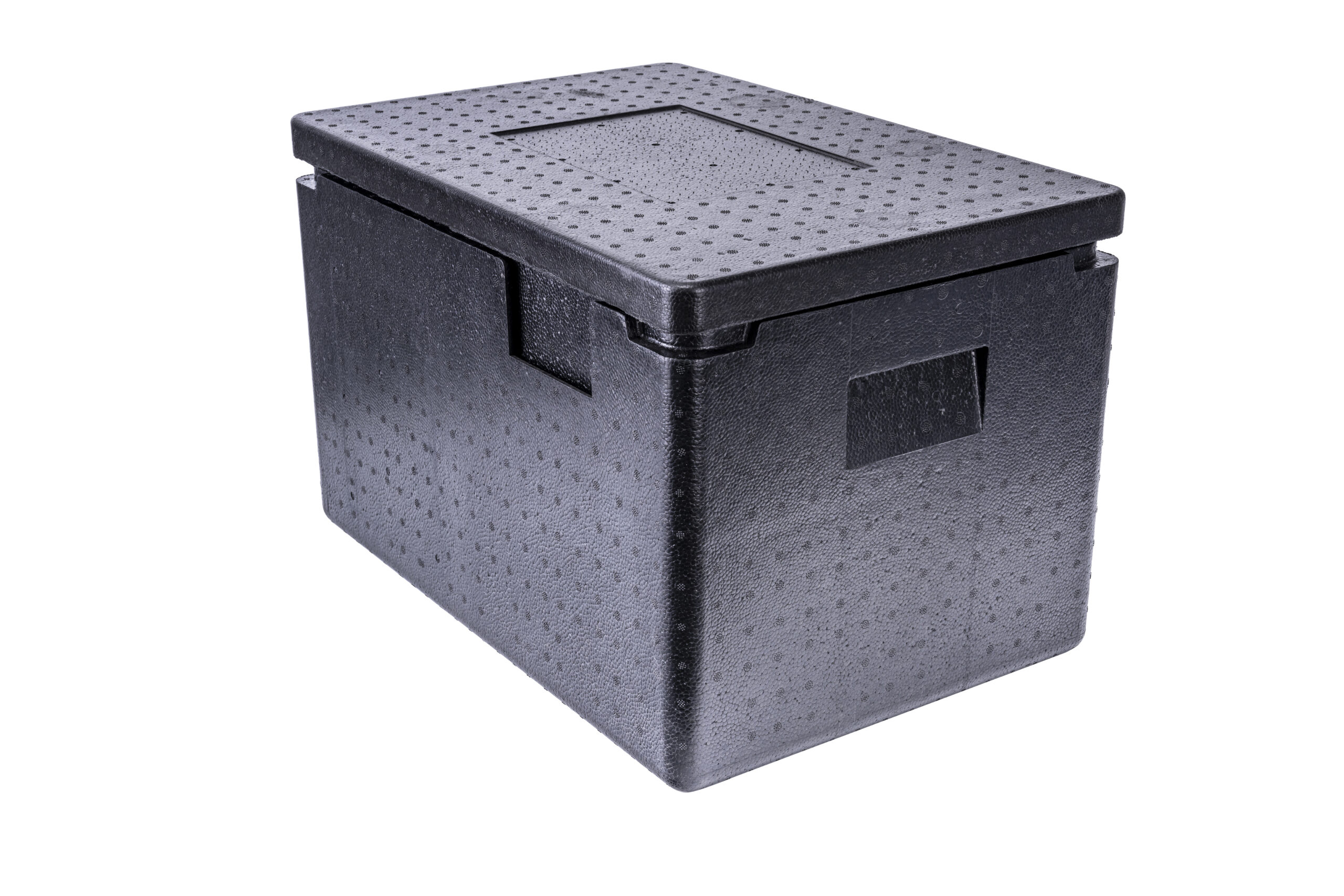
Eine sinnvolle Verpackungsentscheidung beginnt bei der Lieferung, die schief gehen kann, nicht mit einem Katalogbild einer Box. A VIP-Thermobehälter für 2-8 degree shipping can be a strong option when the shipment needs compact thermal protection, Es sollte jedoch als Teil eines vollständigen passiven Temperaturkontrollsystems bewertet werden. Dieses System umfasst die isolierte Hülle, Kühlmittel- oder PCM-Plan, Vorbereitung der Nutzlast, Verpackungsanweisung, Überwachungsansatz, Umgang mit Kommunikation, und eine Bewertung erhalten. Die Aufgabe des Käufers besteht darin, diese Teile mit dem Produkt zu verbinden, die Spur, und die Entscheidung, die nach der Lieferung getroffen wird.
For pharmaceutical logistics buyer, vaccine program operator, Qualitätsmanager, Der nützliche Ausgangspunkt ist die tatsächliche Route: products that must be shipped in the refrigerated range commonly written as 2°C to 8°C, subject to product-specific requirements. The primary risk is that the phrase 2-8 degree shipping is familiar, but buyers can still fail by using the wrong coolant, freezing the payload, ignoring lane delays, or lacking release evidence. Wenn der Käufer lediglich eine Kartongröße oder eine angegebene Laufzeit wünscht, Der Lieferant verfügt möglicherweise nicht über genügend Informationen, um eine sichere und wiederholbare Konfiguration zu empfehlen. Eine bessere Beschreibung beschreibt den Produktzustand, erforderlichen Temperaturbereich, voraussichtliche Laufzeit, Übergabepunkte, Verpackungsbeweis, und was das empfangende Team akzeptieren oder ablehnen wird.
Die erste praktische Frage ist, ob das Produkt gekühlt werden muss, gefroren, kontrollierte Raumtemperatur, oder ein anderer definierter Bereich. 2°C to 8°C is a common refrigerated range for many vaccines and pharmaceuticals, but it does not apply to every product and must be confirmed from the product specification. Ein VIP-Versender sollte daher anhand der tatsächlichen Produktanforderungen und Routenbedingungen überprüft werden, nicht gegen ein allgemeines Versprechen. Wenn die Informationen zur Produktstabilität begrenzt sind, Die richtige Maßnahme besteht darin, um Aufklärung und Testnachweise zu bitten, die Lücke nicht mit Annahmen zu füllen.
For refrigerated pharmaceutical lanes, avoid focusing only on heat. Freeze exposure can be just as damaging for many products. The packout should prevent direct contact with overly cold coolant, use the right separator system, and define logger alarm settings that match the product's reviewed shipping range.
Beginnen Sie mit der Produktempfindlichkeit, kein Containertyp
Ein endgültiger Auswahlrahmen sollte mit der Produktsensitivität beginnen. For products that must be shipped in the refrigerated range commonly written as 2°C to 8°C, subject to product-specific requirements, Die Verpackung muss möglicherweise eine Erwärmung verhindern, Einfrieren, Kondensation, Nutzlastbewegung, oder Beweislücken. Der Temperaturbereich ist nur ein Teil der Anforderung. Sie müssen auch wissen, ob das Produkt frostempfindlich ist, ob die Ladung trocken bleiben muss, ob das empfangende Team einen lesbaren Bericht benötigt, und ob eine Qualitätseinheit Abweichungen überprüft.
Dieser Ansatz verhindert einen häufigen Kauffehler: Wählen Sie einen Behälter, weil er als „Premium“ gekennzeichnet ist, Später stellen wir dann fest, dass die Verpackung nicht zum Produkt passt. Der Behälter verlangsamt die Wärmeübertragung. Es entscheidet nicht darüber, ob ein Ausflug akzeptabel ist, und eine nicht überprüfte Route wird dadurch nicht qualifiziert. Eine sorgfältig verfasste Versandbeschreibung ist wertvoller als eine lange Liste allgemeiner Merkmale.
Hilfreiche Entscheidungshilfen
Überprüfen Sie die Details, bevor Sie sich für die Verpackung entscheiden
Mit diesen schnellen Tools können Sie das Routenrisiko vergleichen, Größenanforderungen, Kühlmittelauswahl, und Verpackungsdetails, bevor Sie ein Angebot anfordern.
Compliance-Checklisten-Generator
Erstellen Sie eine praktische Checkliste für die Verpackungsüberprüfung, Versand, und Dokumentation.
Checkliste erstellenFallfestigkeit des Isolationsmaterials
Überprüfen Sie die Fallfestigkeit und die Handhabungsfaktoren, bevor Sie Isoliermaterialien auswählen.
Widerstand prüfenTrockeneisrechner
Schätzen Sie vor dem Verpacken den Bedarf an Trockeneis für gefrorene oder ultrakalte Sendungen.
Schätzen Sie TrockeneisVerwandeln Sie die Route in einen testbaren Verpackungsauftrag
Ein überprüfbares Briefing verwandelt eine grobe Versandidee in eine lieferantenfertige Anforderung. Darin sollte der Produkttyp angegeben sein, erforderliche Reichweite, Routenfamilie, erwartete maximale Belichtung, Einzelheiten zur Nutzlast, Kühlmittelpräferenz oder -einschränkung, Überwachungsbedarf, und Erhalt der Entscheidung. For VIP thermal container for 2-8 Abschlussversand, In dieser Kurzbeschreibung sollte auch der Hauptfehlermodus identifiziert werden: der Satz 2-8 degree shipping is familiar, but buyers can still fail by using the wrong coolant, freezing the payload, ignoring lane delays, or lacking release evidence.
Das Briefing muss beim ersten Entwurf nicht perfekt sein. Es muss explizit sein. Wenn ein Wert unbekannt ist, Markieren Sie es als Frage zur Qualitäts- oder Logistikprüfung. Zum Beispiel, Schreiben Sie keine feste Haltezeit, es sei denn, Sie kennen das Umgebungsprofil und die Akzeptanzkriterien. Geben Sie keine Nutzlastkapazität an, es sei denn, Sie wissen, ob Sie das Bruttoinnenvolumen oder den nutzbaren Produktraum nach dem Laden von Kühlmittel und Abscheidern meinen.
Entscheidungstabelle zur praktischen Überprüfung
| Entscheidungsbereich | Was zu entscheiden ist | Was man nicht annehmen sollte |
|---|---|---|
| Produktanforderung | Zielbereich, Ausflugspolitik, Frost- oder Feuchtigkeitsempfindlichkeit. | Gehen Sie nicht davon aus, dass für jedes Produkt ein Sortiment geeignet ist. |
| Wärmesystem | VIP-Container, Kühlmittel, Separatoren, Konditionierung der Nutzlast, und Schließung. | Behandeln Sie die Box allein nicht als qualifiziertes System. |
| Routenbelichtung | Transitzeit, saisonales Profil, Zoll, verweilen, und letzte Meile. | Berücksichtigen Sie nicht die geplante Flugzeit als Gesamtexposition. |
| Beweis | Logger-Setup, Kalibrierungsnachweis, Zugriff melden, Empfangsregeln. | Gehen Sie nicht davon aus, dass die Überwachung das Produkt schützt. |
| Skalierung | Probenkonsistenz, Produktionsänderungskontrolle, Ausbildung zum Packer. | Genehmigen Sie die Produktion nicht anhand eines losen Musterversuchs. |
Dieser Rahmen trägt dazu bei, gleichzeitiges Überkaufen und Unterspezifizieren zu verhindern. Es ermöglicht die Beschaffung, Logistik, und Qualitätsteams besprechen dieselben Fakten, bevor die Verpackung genehmigt wird.
Wenn der VIP-Container passt, und wann nicht
Ein VIP-Container passt gut zum Produktwert, Routenrisiko, oder Platzmangel rechtfertigen eine erstklassige Isolierung und eine diszipliniertere Verpackung. Es ist weniger geeignet, wenn das Team den Temperaturbedarf nicht definieren kann, Kühlmittel kann nicht vorkonditioniert werden, Sendungsdaten können nicht abgerufen werden, oder eine aktive Temperaturregelung anstelle einer passiven Isolierung benötigt. 2°C to 8°C should be treated as a product requirement, not as a generic box label. The packout must prevent both warming and freezing.
Bei der Entscheidung sollte auch der Empfänger berücksichtigt werden. Ein Labor, Krankenhaus, Verteiler, oder Haushaltskunden können ein sehr unterschiedliches Empfangsverhalten haben. Wenn der Empfänger nicht zeitnah auspacken oder einen Loggerbericht interpretieren kann, Der Verpackungsplan sollte klare Empfangsanweisungen und Eskalationskontakte enthalten.