Einen VIP auswählen Versandbehälter für die kosmetische Kühlkette
Ein VIP-Versandbehälter für die kosmetische Kühlkette sollte nur dann ausgewählt werden, wenn Produktnachweise ein aussagekräftiges thermisches Risiko definieren und eine Routenanalyse zeigt, dass eine leistungsstarke passive Isolierung gerechtfertigt ist. Für Kosmetika gibt es keine universelle Versandregel von 2 °C bis 8 °C, und viele benötigen keine Kühlung. Ein intaktes VIP verlangsamt den Wärmefluss, kühlt die Nutzlast jedoch nicht; PCM oder ein anderes zugelassenes Wärmemedium, Konditionierung, Geometrie, und Packung erzeugen das Temperaturprofil. Der Käufer muss das System bewerten, Kontrollieren Sie es im routinemäßigen Gebrauch, und die Nachhaltigkeit aller Materialien beurteilen, Produktverlust, Fracht, Erholung, und wiederverwenden. Das sind die Schlussfolgerungen, die eine vertretbare Lösung von einer teuren Box unterscheiden.
Der Produktnachweis kommt vor dem Kühlkettendesign
Der wichtigste Input ist der geprüfte Zustand des Kosmetikums in seiner vermarkteten Primärverpackung. Ein Rohstoffdatenblatt kann einen sensiblen Inhaltsstoff identifizieren, es definiert jedoch nicht automatisch die Stabilität der gesamten Formel. Das Emulsionssystem, Antioxidans-Paket, Konservierungssystem, Kopfspace, Containerbarriere, Schließung, und der Herstellungsprozess können die Reaktion des Produkts auf Hitze verändern, kalt, Licht, Sauerstoff, und Zeit.
Die FDA erklärt, dass Temperaturschwankungen sowie die Einwirkung von Sonnenlicht und Luft die kosmetische Farbe verändern können, Textur, und Geruch. Feuchtigkeit und Hitze können auch die Konservierungsleistung und die Wachstumsbedingungen von Mikroben beeinträchtigen. ISO/TR 18811:2018 stellt ein Stabilitätstest-Framework bereit und verlässt dabei explizit Methoden, Bedingungen, Spezifikationen, und Akzeptanzkriterien an den Hersteller, da kosmetische Produkte und Anwendungen sehr unterschiedlich sind.
Diese Beweise können zu verschiedenen Transportkontrollen führen. Ein Balsam benötigt möglicherweise eine Obergrenze, um ein Erweichen zu verhindern. Eine wasserreiche Emulsion muss möglicherweise sowohl vor Hitze als auch vor Frost geschützt werden. Bei einem flüchtigen Produkt kommt es möglicherweise stärker auf die Integrität der Versiegelung und den Lichtschutz an. Für ein starkes Reinigungsmittel sind möglicherweise nur Vorsichtsmaßnahmen bei der normalen Verteilung erforderlich. Das Wort „Kosmetik“ kann sich nicht unter ihnen entscheiden.
Behandeln Sie VIP, Kühlmittel, und Nutzlast als eine thermische Baugruppe
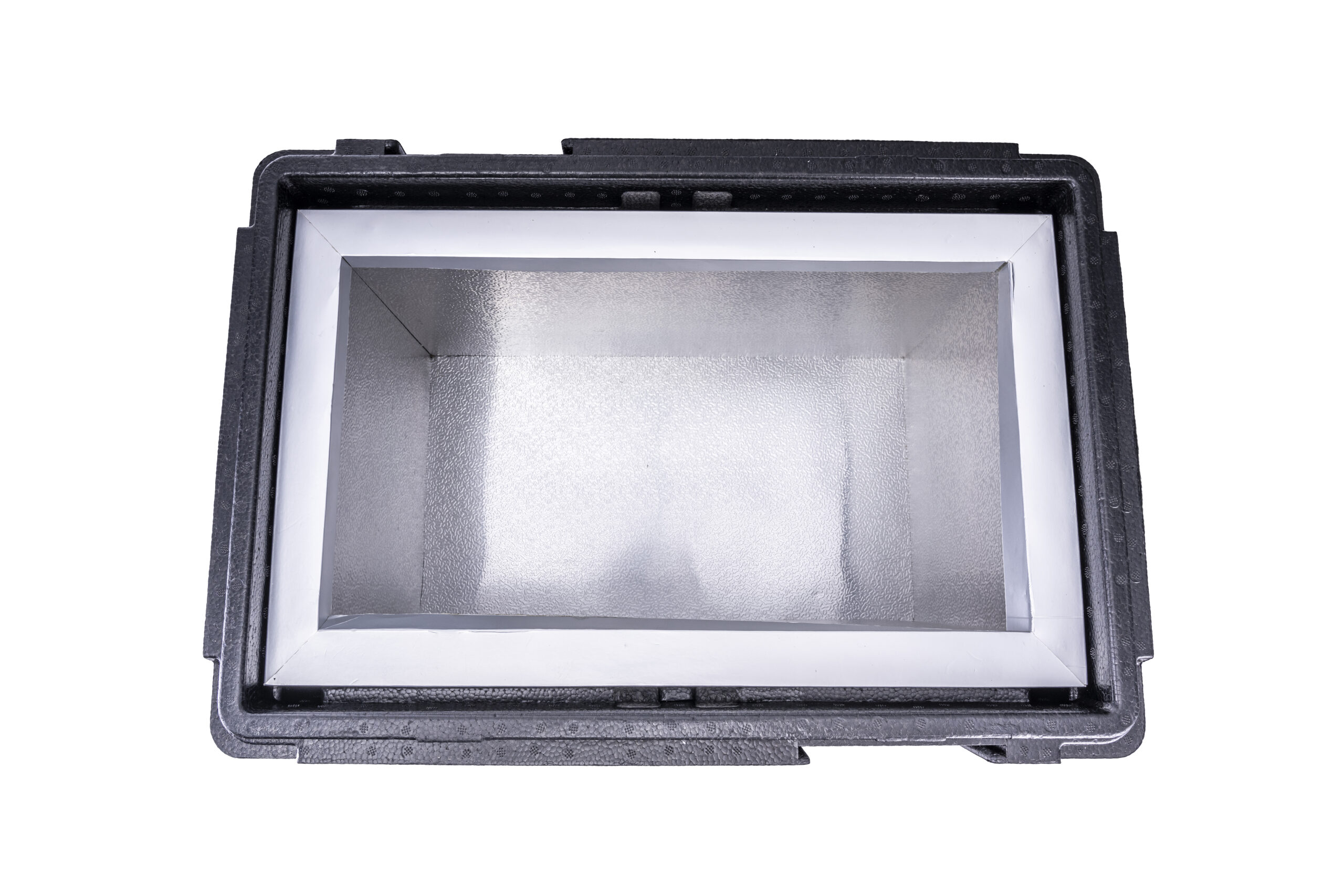
Ein Vakuumisolationspaneel platziert einen porösen Stützkern in einer Hülle mit hoher Barriere und entfernt den größten Teil des internen Gases. Eine geringere Gasleitung verleiht einer intakten Platte im Verhältnis zu ihrer Dicke einen hohen Wärmewiderstand. Das Dünnwandpotenzial ist nützlich, wenn ein Verlader den Nutzlastraum innerhalb einer Paketgrößenbeschränkung beibehalten oder den Wärmewiderstand ohne eine große Schaumwand erhöhen muss.
Das Panel ist ein Wärmeflusselement. Kanten, gefaltetes Umschlagmaterial, Gelenke, Ecken, Deckel, Schließungen, und strukturelle Stützen können die Wärme um die Mitte herum überbrücken. Die effektive Boxleistung kann daher erheblich von einem neuen Leitfähigkeitswert in der Mitte des Panels abweichen. Gas oder Feuchtigkeit, die mit der Zeit in die Hülle eindringen, können die Isolierung beeinträchtigen, während eine Reifenpanne oder ein Versagen der Dichtung zu einem viel schnelleren Verlust führen kann. Die Konstruktion muss die Platten vor Packwerkzeugen schützen, Produktecken, wiederholte Handhabung, und Reinigung.
Ein passiver VIP-Container verfügt über keine angetriebene Kühlung oder Rückkopplungssteuerung. Sein Temperaturverhalten ergibt sich aus den Ausgangsbedingungen und dem Gleichgewicht zwischen dem Wärmefluss in der Umgebung und der Wärmekapazität im Inneren. PCM fügt in der Nähe seines Phasenübergangs einen Latentwärmespeicher hinzu, während Gelpackungen, Eisziegel, oder andere zugelassene Medien können ein unterschiedliches Kühlverhalten bieten. Keiner ist universell geeignet.
Wählen Sie das Kühlmittel sowohl anhand der oberen als auch der unteren Produktgrenzen aus. Ein kälteres PCM ist nicht automatisch sicherer. Gefrorene Oberflächen neben einer frostempfindlichen Flasche können eine lokale Kältezone erzeugen, selbst wenn ein zentraler Luftsensor akzeptabel erscheint. Für die Verpackung sind möglicherweise eher konditionierte als tiefgefrorene Einheiten erforderlich, feste Taschen, Trenner, oder Pufferschichten. Diese Elemente sollten in der kontrollierten Zeichnung angezeigt werden.
Die Nutzlast ist ebenfalls Teil der Baugruppe. Die Produktmasse trägt zur thermischen Trägheit bei, Primärkartons beeinflussen den Luftstrom, und leerer Raum ermöglicht Bewegung. Eine Bestellung einer einzigen Flasche und einer ganzen Kiste kann zu unterschiedlichen heißen und kalten Standorten führen. Das Bruttoinnenvolumen ist daher ein schlechter Einkaufsmaßstab. Fragen Sie nach den nutzbaren Kammermaßen nach VIPs, Kühlmittel, Separatoren, Einsätze, und Überwachungsgeräte vorhanden sind.
Übersetzen Sie eine Lieferspur in testbare Bedingungen
Ein Streckenprofil sollte die gesamte Zeit außerhalb der zugelassenen Lagerbedingung abdecken. Beziehen Sie die Bereitstellung vor dem Träger ein, abholen, Sortierung, Linientransport, Zoll, Fahrzeuge der letzten Meile, Lieferung fehlgeschlagen, Wochenendaufenthalt, und Empfangen. Allein die Servicezeit des Spediteurs schließt mehrere Orte aus, an denen Pakete unkontrollierter Luft oder direkter Sonnenerwärmung ausgesetzt sind.
Getrennte Gefahren in der heißen und kalten Jahreszeit. Ein Entwurf, der die Sommerhitze puffern soll, erfordert möglicherweise eine andere PCM-Konditionierung als ein Entwurf, der vor winterlicher Kälte schützen soll. Wenn eine ganzjährige Konfiguration vorgeschlagen wird, Testen Sie, ob beide Richtungen gesteuert werden, ohne dass eine neue Grenzwertverletzung entsteht. Saisonale Packouts können einfacher optimiert werden, Sie erfordern jedoch klare Umstellungstermine, Komponentenidentität, Ausbildung, und Bestandskontrolle.
Verwenden Sie tatsächliche kommerzielle Nutzlasten oder gerechtfertigte thermische Ersatzstoffe. Dokumentieren Sie die Anzahl der Einheiten, Füllstand, Starttemperatur, Orientierung, und Primärverpackung. Definieren Sie das Umgebungsprofil, Dauer, Sensorpositionen, Loggerfähigkeit, Bestehenskriterien, und erlaubte Vorkonditionierung. Eine Referenz wie ISTA 7E kann dabei helfen, die thermischen Tests von Paketen zu strukturieren, Es müssen jedoch noch produktspezifische Grenzwerte und Spurrelevanz festgelegt werden.
Überwachen Sie wahrscheinlich heiße und kalte Punkte, anstatt sich auf einen zentralen Sensor zu verlassen. Lufttemperatur, Flaschenoberflächentemperatur, und produktsimulierende Masse haben unterschiedliche Reaktionszeiten, Daher sollte im Protokoll angegeben werden, was jede Messung darstellt. Messunsicherheit und Sensorkalibrierung sind wichtig, wenn sich die Ergebnisse einem Grenzwert nähern.
Eine kompakte Go-or-no-go-Rezension
| Überprüfungsfrage | Gehsignal | Signal anhalten oder untersuchen |
|---|---|---|
| Gibt es einen definierten thermischen Bedarf?? | Die Stabilität des Endprodukts und die Qualitätsprüfung setzen Grenzen | Bereich, der von einem anderen Produkt oder einer anderen Branche kopiert wurde |
| Löst VIP ein Routenproblem?? | Belichtung, Raum, oder Dauer macht eine stärkere Isolierung sinnvoll | Die kontrollierte Route birgt kein wesentliches thermisches Risiko |
| Ist das Kühlmittel kompatibel?? | Konditionierung und Platzierung steuern die Hitze, ohne den unteren Grenzwert zu überschreiten | Tiefkühlpackung ausgewählt, weil sie „länger haltbar“ ist |
| Ist leistungsrelevant? | Der geladene Test entspricht der gerechtfertigten Nutzlast, Profil, und Bestehenskriterien | Es werden nur Paneldaten oder ein unabhängiger Test angeboten |
| Können Betreiber es wiederholen?? | Komponenten, Stufen, Positionen, Schließung, und Logger-Schritte sind explizit | Der Erfolg hängt vom informellen Urteil der Bank ab |
| Kann das Design kontrolliert bleiben?? | Spezifikation, Eingangskontrolle, und Änderungsmitteilung werden vereinbart | Kritische Materialien oder Abmessungen können sich stillschweigend ändern |
| Ist der Umweltfall definiert?? | Vollständige Alternativen teilen sich eine Funktionseinheit und Routengrenze | „Wiederverwendbar“ oder „recycelbar“ wird als alleiniger Beweis gewertet |
Diese Überprüfung hilft der Beschaffung, schwache Projekte frühzeitig zu stoppen. Ein „Stopp“-Ergebnis bedeutet nicht immer eine Ablehnung der VIP-Technologie; Es identifiziert fehlende Produktnachweise, Systemdaten, oder Betriebssteuerung. Schließen Sie diese Lücke, bevor Sie Preise vergleichen oder Produktionsmengen genehmigen.
Vom Lieferantenmuster bis zum Routineversand
Beginnen Sie mit einem Design-Briefing und nicht mit einem Katalogcode. Es sollten Produktgrenzen angegeben werden, Nutzlastzeichnungen, Streckenbelichtung, Zweck der Temperaturüberwachung, Konditionierungsausrüstung, Einschränkungen bei Packstationen, Empfangsprozess, und ob das Betriebsmodell einseitig oder wiederverwendbar ist. Der Lieferant kann dann eine Isolierung vorschlagen, Kühlmittel, und Geometrie als koordinierte Konfiguration.
Führen Sie als Nächstes eine Entwicklungskartierung durch, um heiße und kalte Zonen zu finden. Verwenden Sie die Ergebnisse, um die Plattenverbindungen anzupassen, Deckeldesign, PCM-Menge und -Standort, Pufferschichten, oder Nutzlasteinsätze. Ein gescheiterter Versuch ist wertvoll, wenn er einen Mechanismus aufdeckt und zu einer kontrollierten Veränderung führt. Die Wiederholung desselben Tests ohne Dokumentation der Änderung liefert kaum Beweise.
Der Bestätigungstest sollte die vorgeschlagene Produktionskonfiguration und ein genehmigtes Protokoll verwenden. Der Bericht benötigt genügend Kontext, um das Ergebnis reproduzieren zu können: Beispielidentitäten, Komponentenversionen, Konditionierung, abgelaufene Inszenierung, Nutzlast, Umgebungsprofil, Sensorkarte, Rohaufzeichnungen, Abweichungen, und Akzeptanz. Eine ausgeschriebene Haltezeit ohne diese Bedingungen sollte nicht auf das Kosmetikprogramm übertragen werden.
Ein überwachter Routenpilot kann Laborannahmen in Frage stellen. Möglicherweise wird die Verweildauer an der Laderampe angezeigt, Zollvariabilität, Orientierung, Türbelichtung, oder Probleme beim Datenabruf. Das Qualitätspersonal sollte entscheiden, ob die Routenergebnisse eine routinemäßige Freigabe unterstützen, erfordern eine saisonale Anpassung, oder zeigen Sie, dass ein anderes Serviceniveau erforderlich ist.
Hilfreiche Entscheidungshilfen
Überprüfen Sie die Details, bevor Sie sich für die Verpackung entscheiden
Mit diesen schnellen Tools können Sie das Routenrisiko vergleichen, Größenanforderungen, Kühlmittelauswahl, und Verpackungsdetails, bevor Sie ein Angebot anfordern.
Kühlakku-Rechner
Schätzen Sie die Menge an Gel-Eisbeuteln für gekühlte Sendungen und nutzen Sie die praktische Routenplanung.
Schätzen Sie EisbeutelFallfestigkeit des Isolationsmaterials
Überprüfen Sie die Fallfestigkeit und die Handhabungsfaktoren, bevor Sie Isoliermaterialien auswählen.
Widerstand prüfenTrockeneisrechner
Schätzen Sie vor dem Verpacken den Bedarf an Trockeneis für gefrorene oder ultrakalte Sendungen.
Schätzen Sie TrockeneisVor der Skalierung, Sperren Sie die Stückliste und die Arbeitsanweisung. Definieren Sie Eingangskontrollen für Kartonabmessungen, Zustand des Panels, PCM-Identität, Füllen oder massieren Sie, wo es kritisch ist, Versiegelungsintegrität, Einsätze, Etiketten, und kartontauglich. Vereinbaren Sie, welche Lieferantenänderungen benachrichtigt werden müssen und ob eine Überprüfung erforderlich ist, Überbrückungsarbeit, oder ein erneuter Test ist erforderlich. Eine Stichprobe ist nur dann sinnvoll, wenn die Produktionseinheiten in den relevanten Attributen gleich bleiben.
Kontrollieren Sie den Packout dort, wo er tatsächlich fehlschlägt
Konditionierung ist eine häufige Ursache für Abweichungen. Eine Anweisung wie „Über Nacht einfrieren“ definiert keinen Gerätesollwert, Lademuster, Mindestzeit, Aufenthaltsbeihilfe, oder Bereitschaft. Das PCM-Verhalten hängt vom thermischen Zustand ab. Geben Sie an, wie die Pakete in der Konditionierungsausrüstung angeordnet sind, wie fertige Einheiten identifiziert werden, und wie lange sie auf der Bank warten können.
Das Packungsdiagramm sollte visuell und positionell sein. Anzahl der PCM-Platten oder -Steine, Zeigt die Ausrichtung des Trennzeichens an, Definieren Sie die Nutzlastanzahl, Identifizieren Sie den Sensorstandort, und geben Sie die Verschluss- und Versiegelungsschritte an. Wenn unterschiedliche saisonale Konfigurationen vorliegen, Machen Sie Komponentenfarben oder Codes eindeutig, ohne sich allein auf die Farbe zu verlassen.
Durch den Empfang wird aus der Überwachung Taten. Weisen Sie die Verantwortung für den Logger-Abruf zu, Rezension, Exkursionseskalation, und Versanddisposition. Ein Logger erkennt, was an seinem Standort passiert ist; Es verhindert weder eine Abweichung noch beweist es, dass jede Einheit den gleichen Zustand erlebt hat. Kombinieren Sie Daten mit der qualifizierten Sensorkarte, Paketzustand, Routenereignisse, und produktspezifische Entscheidungsregel.
Sorgen Sie für Compliance und mikrobiologische Sicherheit
In den Vereinigten Staaten, Die meisten gewöhnlichen Kosmetika und ihre Inhaltsstoffe erfordern vor der Vermarktung keine FDA-Zulassung, abgesehen von Anforderungen, die für Farbzusätze gelten. Hersteller und Händler bleiben für die Sicherheit und wahrheitsgetreue Kennzeichnung verantwortlich. Ein VIP-Behälter sollte nicht so beschrieben werden, dass er dem Kosmetikum eine allgemeine FDA-Zulassung oder Konformität gewährt.
Produktaussagen können die Klassifizierung ändern. Sonnenschutzmittel, Aknebehandlungen, und andere Produkte, die zur Behandlung oder Vorbeugung von Krankheiten oder zur Beeinflussung der Körperstruktur oder -funktion bestimmt sind, können Arzneimittel oder sowohl Arzneimittel als auch Kosmetika sein. Für diese Produkte gelten zusätzliche Anforderungen, einschließlich Arzneimittelstabilität und Verfallsdatum. Bestätigen Sie die Klassifizierung Lagereinheit für Lagereinheit und Markt für Markt.
Kühlkettenverpackung ersetzt nicht die Konservierung. Die FDA stellt eine unwirksame Konservierung fest, unzureichende Verpackung, schlechter Versand oder Lagerung, kontaminierte Materialien, Herstellungsbedingungen, und Verbrauchergebrauch als eindeutige mikrobiologische Risiken. Eine gekühlte Route kann unter definierten Bedingungen das Wachstum verlangsamen, Es bestätigt jedoch nicht den antimikrobiellen Schutz und macht kontaminierte Produkte nicht akzeptabel. Konservierungswirksamkeit, hygienische Herstellung, Primärpaketschutz, und Transportkontrolle müssen jeweils ihre eigene Aufgabe erfüllen.
Machen Sie Nachhaltigkeit zu einer maßvollen Designbeschränkung
Eine Hochleistungsisolierung kann bei einigen Konstruktionen die Nutzlasteffizienz verbessern, da eine dünnere Wand mehr Innenraum lässt. Es kann auch den Kühlmittelbedarf verringern, der zum Erreichen eines Profils erforderlich ist. Von keinem der beiden Ergebnisse sollte ausgegangen werden; Vergleichen Sie qualifizierte Pakete anhand der Außenabmessungen, Gesamtmasse, nutzbare Nutzlast, Kühlmittel, Produktverlust, und Lieferleistung.
Die VIP-Konstruktion vereint einen Kern, Barriereumschlag, und Schutzschichten oder Hülle. Die Wege am Lebensende hängen von den genauen Materialien und der lokalen Infrastruktur ab. Fordern Sie Materialdeklarationen und Trennhinweise an. Wenn der Zugang zum Recycling eingeschränkt ist, die theoretische Recyclingfähigkeit nicht in einen umfassenden Umweltanspruch umwandeln.
Wiederverwendbare Versandtaschen sorgen für einen zusätzlichen Rücktransport, Reinigung, Inspektion, Verlust, reparieren, und Ruhestand. Ihre Wirkung hängt von der erzielten Nutzung ab, Keine Schlagzeile für den Designzyklus. Geschlossene Routen mit konsolidierten Rücksendungen unterstützen möglicherweise die Wiederverwendung besser als die verteilte Lieferung an Verbraucher, Für den Vergleich müssen jedoch tatsächliche Betriebsannahmen zugrunde gelegt werden.
Für Unternehmen, die Verpackungen in der EU in Verkehr bringen, Die Verpackungs- und Verpackungsabfallverordnung ist im Februar in Kraft getreten 2025 und gilt grundsätzlich ab August 2026, mit unterschiedlichen Maßnahmen, die ihren eigenen Zeitplänen folgen. Es verstärkt die Notwendigkeit, die Minimierung zu überprüfen, Recyclabalität, Beschriftung, recycelter Inhalt, und ggf. Wiederverwendungspflichten. Juristen sollten die genauen Pflichten festlegen; Die thermische Notwendigkeit sollte dokumentiert werden, während unnötiges Volumen und Material ausgesondert wird.
Häufig gestellte Fragen
Wann ist VIP den Aufpreis wert??
VIP ist am vertretbarsten, wenn die Route freigelegt wird, enge Produktgrenzen, hohe Verlustfolgen, oder äußere Größenbeschränkungen machen seinen hohen Widerstand pro Dicke nützlich. Vergleichen Sie es mit einer herkömmlichen isolierten Option bei gleicher Nutzlast und gleichem Umgebungsprofil. Wenn beide die Anforderung zuverlässig erfüllen, das einfachere Gesamtsystem könnte vorzuziehen sein.
Kann ein VIP-Behälter Kosmetika ohne Kühlmittel schützen??
Manchmal besteht das Ziel nur darin, äußere Hitze oder Kälte zu verlangsamen, und Isolierung ohne Kühlmittel können bewertet werden. Wo die Kammer in der Nähe einer Zielregion gehalten werden muss, Ein konditioniertes PCM oder ein anderes thermisches Medium ist normalerweise Teil des passiven Systems. Die richtige Konfiguration hängt von Produktgrenzen und Routenbedingungen ab.
Was sollte in einem Lieferantenangebot enthalten sein??
Außen- und nutzbare Innenmaße anfragen, Komponentenmaterialien, Nutzlastzeichnung, Panelschutz, Kühlmittelspezifikation, Konditionierungs- und Verpackungsanweisungen, Testnachweise, Sensorkarte, Prüfkriterien, Fertigungstoleranzen, und Änderungskontrollbedingungen. Trennen Sie etablierte Fakten von Artikeln, die einen Musterversuch oder eine Käuferqualifizierung erfordern.
Validiert das Bestehen eines ISTA-Wärmeprofils jede Route??
NEIN. Ein standardisiertes Profil kann Vergleiche und Tests unterstützen, aber es repräsentiert möglicherweise nicht jedes Klima, Verweilpunkt, Nutzlast, Service, oder Ausfallszenario. Der Product Owner muss die Akzeptanzkriterien genehmigen und die Profilrelevanz begründen. Möglicherweise sind weiterhin eine Spurüberwachung und eine saisonale Risikobewertung erforderlich.
Kann die Kühlung ein schwaches Konservierungssystem ausgleichen??
NEIN. Temperaturkontrolle und Konservierung berücksichtigen unterschiedliche Risiken. Der Kalttransport kann den antimikrobiellen Schutz der Formel nicht bestätigen, Verunreinigungen entfernen, oder eine gute Herstellung und schützende Primärverpackung ersetzen. Das Erhaltungsprogramm und das Transportprogramm sollten getrennt bewertet werden, Anschließend werden sie gemeinsam für das fertige Produkt überprüft.
Genehmigen Sie ein System, kein Panel
Die richtige Entscheidung beginnt mit einem kosmetikspezifischen Umschlag und endet mit einem Routineprozess, der die getestete Konfiguration reproduzieren kann. VIP bietet leistungsstarke passive Isolierung in dünner Form, während Kühlmittel, Geometrie, Konditionierung, und Nutzlast bestimmen, wie sich dieser Vorteil auf die Produkttemperatur auswirkt. Die Tests müssen die Fahrspur und die kommerzielle Belastung abbilden, und die Überwachung muss mit einer genehmigten Empfangsentscheidung verbunden sein.
Kaufen Sie erst nach dem Beweis, Betriebsbelastung, Lieferantenkontrollen, und Lebenszyklusfall sind sichtbar. Bei diesem Ansatz kann ein VIP-PCM-Packout ausgewählt werden, ein einfacher isolierter Karton, oder nein thermischer Versender überhaupt. Jedes kann richtig sein, wenn es mit dem tatsächlichen Risiko des Produkts in Zusammenhang steht.
Über Tempk
Tempk bietet VIP-Isolierboxen und konfigurierbare passive Packouts, die geschützte Panel-Layouts mit PCM-Packs kombinieren, Gelpackungen, oder Eissteine. Wir können die Abmessungen der Nutzlastkammer überprüfen, Kühlmittelform, Konditionierung, Trennung, Verpackungsreihenfolge, und Nachbestellungskontrollen anhand der vom Käufer angegebenen Anforderungen. Der von Tempk veröffentlichte VIP-PCM-Pharmapaketversender zeigt diese integrierte Architektur, aber es handelt sich nicht um eine kosmetische Validierung. Wir helfen bei der Vorbereitung von Kandidatenmustern und technischen Eingaben, damit die Kosmetikmarke das Gesamtsystem unter ihrer eigenen Stabilität bewerten kann, Route, Qualität, und Nachhaltigkeitskriterien.
Teilen Sie Ihren Produktumschlag, Nutzlastzeichnung, Streckenbelichtung, und Packstation-Einschränkungen mit Tempk. Fordern Sie eine Kandidatenkonfiguration und einen Testplan an, bevor Sie sich zu einer routinemäßigen Verpackung kosmetischer Kühlketten verpflichten.