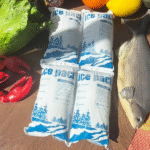
Cómo especificar una bolsa de hielo seco a granel para logística de vegetales
El volumen adecuado hielo seco El paquete para logística de verduras no es el que tiene la temperatura más baja anunciada.. Es el paquete que ayuda a que una carga vegetal definida permanezca dentro de sus propias condiciones aceptables a través de una ruta definida., sin crear lesiones por frío, fuga, acumulación de gas insegura, o un proceso de embalaje irrepetible. Llegar a esa decisión requiere tres puertas: identificar el refrigerante correctamente, Establecer lo que el cultivo puede tolerar., y demostrar el paquete completo bajo la exposición relevante. Si falta alguna puerta, un precio unitario bajo o una reclamación de duración impresionante tienen poco valor de adquisición.
Comience por definir el fracaso
"Mantenlo fresco" no es un criterio de aceptación. El comprador debe indicar qué resultados hacen que el envío sea inaceptable y cómo se detectarán..
Para un cultivo, El principal riesgo puede ser el marchitamiento después de un último kilómetro cálido.. por otro, Puede haber picaduras o decoloración causada por el frío excesivo.. Un tercero puede ser especialmente sensible a la condensación., aplastamiento físico, o carga mixta incompatible. La temperatura es central., pero la calidad del producto también refleja madurez, condición inicial, tiempo, humedad, atmósfera, flujo de aire, y manipulación mecánica.
Utilice orientación específica para productos básicos en lugar de una única gama de productos.. Manual de agricultura del USDA 66 organiza recomendaciones de almacenamiento por producto, mientras que los materiales del Codex y la FAO hacen hincapié en la temperatura, humedad, ventilación, embalaje, y protección contra lesiones. Estas fuentes establecen un principio importante: Las verduras no son cargas térmicas intercambiables..
Por lo tanto, la especificación interna debe definir:
- el producto exacto, variedad o categoría comercial cuando corresponda;
- Condición y temperatura en el momento del embalaje.;
- límites aceptables de temperatura o calidad del producto aprobados por el equipo responsable;
- masa de carga útil, recuento de casos, y variación de relleno permitida;
- embalaje primario y patrón de ventilación;
- duración del envío y retraso creíble;
- recepción de cheques y autoridad de disposición.
Esta información también revela cuándo la acción correctiva real es aguas arriba.. Un paquete pasivo es una mala compensación por el retraso en el preenfriamiento, puesta en escena caliente, casos dañados, o carga inconsistente. Reparar esos controles puede ofrecer una calidad más confiable que aumentar el refrigerante.
Resuelva la identidad del producto antes de comparar cotizaciones
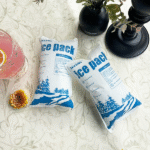
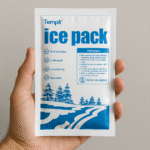
“Bolsa de hielo seco” es un nombre comercial ambiguo. Una hoja activada por agua., paquete de gel reutilizable, paquete PCM diseñado, y el dióxido de carbono sólido no son equivalentes.
Una lámina de hidrato llega seca., Absorbe agua en celdas selladas., y se congela antes de su uso. Un paquete de gel precargado también cambia de temperatura y puede congelarse o derretirse., pero tiene un almacenamiento entrante diferente, masa, y manejo. Un paquete PCM utiliza un medio de cambio de fase formulado seleccionado para un comportamiento térmico particular. El hielo seco real es dióxido de carbono sólido a aproximadamente -78,5 °C bajo presión atmosférica normal y se convierte directamente en gas..
La distinción controla el resto de la decisión.. Los componentes hidratados y en gel no requieren ventilación de dióxido de carbono simplemente porque el nombre de su producto incluye "hielo seco". El dióxido de carbono sólido puede crear un riesgo grave de contacto con el frío, presión en envases sellados, y un peligro de asfixia cuando el gas se acumula. También podrá estar regulado como ONU 1845 durante el transporte aéreo. Para verduras frescas, Sus intensos efectos atmosféricos y de frío hacen que la compatibilidad del producto sea una cuestión de diseño y pruebas especializadas., no suposición.
Solicite a cada postor que complete una declaración de identidad en lenguaje sencillo:
| Declaración requerida | Por qué lo necesitan las adquisiciones |
|---|---|
| Categoría de refrigerante o refrigerante | Previene la confusión entre sábanas hidratadas., gel, PCM, y dióxido de carbono sólido |
| Cambio físico en uso. | Aclara si el producto se derrite., calienta, o se sublima en gas |
| Método de acondicionamiento | Revela congelador, hidratación, orientación, y necesidades de control del tiempo |
| Acuerdo de contacto previsto | Muestra si se requiere una barrera o un espaciador. |
| Información de clasificación de transporte | Admite el modo propio del remitente- y revisión específica del carril |
| Evidencia del sistema completo disponible | Separa los datos de los componentes del rendimiento del paquete calificado |
Esta breve declaración hace que las comparaciones técnicas sean mucho más claras.. También evita que el lenguaje de marketing se convierta en una decisión accidental de seguridad o cumplimiento..
Construya el paquete alrededor de la parte más débil del carril
Mapear el movimiento del producto en tiempo de reloj., pero no te detengas en el tránsito prometido por el transportista. Incluir puesta en escena antes de la recogida, cargando, transferencia entre muelles, clasificación, aduana o inspección, descarga, entrega final, y respuesta del receptor. Observe dónde termina la refrigeración activa, puertas abiertas, Los paquetes se asientan sobre superficies cálidas., o horarios cruzados fines de semana.
La temperatura ambiente es sólo una entrada. exposición solar, viento, precipitación, flujo de aire del vehículo, carga vecina, posición del palet, y la apertura repetida puede cambiar la transferencia de calor.. Un perfil de ruta debe ser lo suficientemente conservador para la variación esperada sin pretender cubrir todos los eventos imaginables..
Luego, el diseño del empaque asigna un trabajo a cada componente.:
- El cartón exterior proporciona estructura y comunicación.;
- El aislamiento ralentiza el movimiento del calor.;
- El refrigerante absorbe parte del calor entrante e interno.;
- Los espaciadores y revestimientos gestionan el contacto., humedad, y geometría;
- El embalaje de verduras favorece la protección y el flujo de aire previsto.;
- un registrador, cuando está justificado, registra las condiciones pero no proporciona refrigeración;
- Las etiquetas y las instrucciones respaldan la manipulación y la trazabilidad..
La colocación del refrigerante debe controlar ambos extremos.. Los sensores cerca de paredes exteriores o tapas pueden revelar un riesgo de calor; Los sensores cerca de las interfaces del refrigerante pueden revelar un sobreenfriamiento.. El centro de la carga puede responder lentamente y no puede representar todas las unidades.. después de la prueba, Inspeccionar las verduras para ver efectos de calidad., incluidos los síntomas que aparecen después de la recuperación.
La calificación representativa identifica el contenedor aislado, lotes o especificaciones de componentes, recuento de refrigerante, acondicionamiento, carga útil o simulante justificado, nivel de llenado, colocación, cierre, mapa de sensores, perfil ambiental, duración, y criterios de aceptación. Un perfil térmico ISTA puede proporcionar una exposición estructurada del paquete, pero no califica automáticamente todos los carriles reales. El riesgo del producto y de la ruta determina si se necesita más trabajo estacional o específico del carril..
Convierta el diseño aprobado en un control de suministro a granel
La calificación demuestra una configuración definida.. La adquisición debe mantener el suministro de producción lo suficientemente cerca de esa configuración para que la evidencia siga siendo relevante..
Para una hoja de hidrato, Los atributos críticos pueden incluir el patrón celular., dimensiones secas, dimensiones condicionadas, distribución absorbente, tolerancia a la masa hidratada, integridad de la costura, construcción de película, y comportamiento de línea de corte. Para un paquete precargado, llenar masa, identidad de formulación, calidad del sello, dimensiones, y la condición en el momento de la recepción puede importar. El comprador y el proveedor deben acordar qué atributos se controlan y cómo se verifican..
Solicitar documentación que coincida con el mercado y uso real. Identificación de materiales, información de contacto con alimentos para la exposición prevista, instrucciones técnicas, trazabilidad del lote, y la notificación de cambios son más útiles que las declaraciones amplias de “seguridad” o “cumplimiento”. Si un paquete permanecerá detrás de un paquete de productos agrícolas primarios, documentar esa configuración. Si pudiera entrar en contacto con el producto sin empaquetar después del daño, evaluar esa condición previsible.
El acuerdo a granel debe abordar la coherencia entre la muestra y la producción.. Conservar una referencia aprobada, dibujo, fotografías, y medidas clave. Compare los lotes de producción iniciales y defina la inspección entrante. Un reemplazo visualmente similar no debe ingresar a un paquete aprobado sin revisión..
Herramientas útiles para tomar decisiones
Comprueba los detalles antes de elegir el embalaje.
Estas herramientas rápidas pueden ayudarle a comparar el riesgo de la ruta, necesidades de dimensionamiento, opciones de refrigerante, y detalles del embalaje antes de solicitar una cotización.
refrigerante & Referencia PCM
Compare las opciones de refrigerante y PCM cuando una ruta necesite soporte de temperatura adicional.
Comparar opcionesCalculadora de hielo seco
Calcule las necesidades de hielo seco para envíos congelados o ultrafríos antes de empacar.
Estimar hielo secoRevestimiento de caja & Dimensionamiento de la cubierta de paleta
Lógica de tamaño de revestimiento de cajas y cubiertas de paletas para proyectos de embalaje aislado.
Estimar el tamañoLos términos comerciales siguen siendo importantes. Discutir MOQ, pronóstico, plazo de entrega, configuración de paleta, continuidad del suministro, personalización, y residuos de envases. Sin embargo, No personalice el diseño de las celdas o la película simplemente para marcar la marca sin evaluar su efecto en el ajuste., acondicionamiento, caza de focas, y comportamiento térmico.
El control de cambios es esencial. Una nueva capa de película, absorbente, patrón de sello, planta, herramienta, o fuente de materia prima puede justificar una revisión técnica. Lo mismo ocurre cuando el transportista cambia el caja aislada, mezcla de verduras, relleno de carga útil, transportador, o ruta. No todos los cambios exigen una recalificación total, pero cada cambio material necesita una decisión documentada.
Haga que el proceso de embalaje sea repetible
La hidratación y el acondicionamiento son parte del paquete., no limpieza de almacén. Escriba un procedimiento operativo que un nuevo empacador pueda seguir sin interpretar la teoría térmica..
Para láminas activadas por agua, definir cómo se hidratan, agotado, identificado, dispuesto en el congelador, y verificado antes de su uso. Controle el tamaño del lote y la carga del congelador para que el aire pueda circular. Establecer criterios de rechazo para celdas insuficientemente llenas., congelación desigual, fugas, puntas, contaminación, o costuras dañadas.
en el banco, Utilice una secuencia visual para cada tamaño de caja aprobado.. Mostrar la capa inferior, sábanas laterales, separador, disposición del producto, capa superior, tratamiento nulo, cierre, y etiquetas. Si se permiten cargas parciales, darles una configuración probada; no les diga a los operadores simplemente que "agreguen más hielo".
La capacitación debe explicar la razón detrás de los dos o tres pasos más importantes.. Es más probable que los empacadores mantengan un separador cuando entienden que previene la congelación local.. Es más probable que rechacen una hoja doblada cuando entienden que el pliegue cambia la distribución del frío..
La verificación de rutina puede estar basada en el riesgo. Puede incluir comprobaciones del estado del paquete., registros de hidratación o acondicionamiento, monitoreo periódico de la temperatura, auditorías de embalaje, retroalimentación del receptor, y revisión de tendencias. Un procedimiento de desviación debe preservar el registro del envío., identificar la versión del paquete y el lote de componentes, y dirigir la disposición del producto al personal autorizado..
El dióxido de carbono sólido real requiere un procedimiento diferente. Los trabajadores necesitan protección adecuada contra el contacto con el frío y formación sobre riesgos, Los paquetes deben liberar gas., y es necesario revisar los controles de espacios cerrados y de transporte. Nunca coloque hielo seco en un paquete rígido hermético. Se deben confirmar los requisitos actuales del operador y de la jurisdicción para cada modo..
Reduzca los residuos sin debilitar la protección
El primer objetivo de sostenibilidad es entregar hortalizas utilizables.. La pérdida de producto evitada puede ser significativa en términos prácticos, pero no debe utilizarse como excusa para el uso de refrigerante innecesario o embalajes difíciles de recuperar..
Comparar opciones a nivel de sistema. Una lámina de hidrato seco puede ser eficaz para transportar y almacenar antes de la activación., sin embargo, utiliza agua local, energía del congelador, y mano de obra. Un paquete reutilizable puede evitar compras repetidas de componentes, pero solo si sobrevive al manejo y regresa a través de una red confiable. Un formato de un solo uso puede ser operacionalmente apropiado para un carril de paquetería abierto, mientras que un ladrillo duradero puede tener más sentido en una piscina cerrada.
Seguimiento de los resultados reales: Consumo de refrigerante por tipo de envío., daño del paquete, tasa de retorno, carga del congelador, masa de embalaje, producir rechazo, y desviaciones. Estas medidas exponen si los reclamos “eco” sobreviven a las operaciones diarias. Solicite a los proveedores descripciones claras de los materiales y orientación realista sobre su eliminación., luego verifique qué rutas de reciclaje o residuos existen localmente.
La segmentación de rutas a menudo reduce tanto el riesgo como el material.. Un carril local corto no debe heredar automáticamente el paquete utilizado durante un largo, ruta de paquetería variable. En cambio, La reducción de material debe probarse bajo la peor exposición creíble esperada antes de su implementación..
Preguntas frecuentes
¿Qué información se debe enviar con una solicitud de muestra??
Enviar el tipo de verdura, dimensiones del producto y del paquete, rango de carga útil, condición inicial, contenedor aislado, ruta y entregas, límites de aceptación deseados, y equipos de acondicionamiento actuales.. Indique si el programa es de un solo uso o retornable. Esto permite al proveedor recomendar un formato relevante en lugar de un tamaño popular genérico..
¿Se puede aprobar un pedido al por mayor a partir del informe de tiempo de espera de un proveedor??
Sólo después de comprobar la relevancia. Revisar la caja probada, aislamiento, refrigerante, cantidad, disposición, carga útil, nivel de llenado, acondicionamiento, perfil ambiental, ubicaciones de sensores, duración, y criterios de aceptación. Si esas condiciones difieren de su operación, utilizar el informe como contexto y realizar una evaluación representativa. El comprador debe documentar las lagunas y cerrarlas antes de la aprobación de la compra..
¿Por qué a veces se necesita un separador entre el paquete y las verduras??
Un separador puede limitar el contacto frío directo, distribuir la presión, proteger contra la abrasión, y gestionar la condensación. Su material y espesor también añaden resistencia térmica., por lo que debe seguir siendo parte de la configuración probada. Quitarlo en el banco de empaque puede invalidar el diseño previsto.. Las instrucciones de embalaje deben identificar su posición y orientación exactas..
¿Las sábanas hidratadas son automáticamente reutilizables??
No necesariamente. La reutilización depende de la construcción exacta., instrucciones del proveedor, programa de higiene, inspección, exposición al daño, y sistema de retorno. Si se permite la reutilización, definir limpieza, redacción, identificación, y reglas de jubilación en lugar de depender únicamente de la apariencia. Revisar periódicamente los datos de fallas para confirmar que el límite de jubilación sigue siendo adecuado..
¿Quién decide si se pueden vender las verduras expuestas a una desviación de temperatura??
El personal autorizado de calidad o seguridad alimentaria de la organización debe decidir según un procedimiento establecido., utilizando el conocimiento de los productos básicos, datos de exposición, condición del paquete, y otras pruebas pertinentes. La lectura de la temperatura del proveedor del paquete o del transportista por sí sola no es una regla de disposición universal. Ese equipo también debe documentar la justificación y cualquier seguimiento requerido..
Conclusión
Una especificación sólida deja explícitas cinco cosas: los límites del cultivo, la verdadera identidad del refrigerante, El desafío térmico del carril, la evidencia del paquete completo, y los controles que lo preservan a escala. También reconoce lo que el componente no puede hacer.. Una lámina congelada no puede sustituir al preenfriamiento, saneamiento, refrigeración activa donde sea necesario, o juicio de calidad.
Cuando esos límites son claros, las compras al por mayor se vuelven más predecibles. Los proveedores pueden cotizar el mismo artículo técnico., Las operaciones pueden reproducir la prueba., y las desviaciones pueden investigarse con registros útiles en lugar de suposiciones.
Acerca de Tempk
El portafolio publicado de Tempk cubre hidratar bolsas de hielo seco y otros formatos de refrigerante, junto con embalaje aislado Componentes utilizados en la logística de alimentos.. Eso hace posible discutir el paquete y el contenedor que lo rodea como opciones de diseño relacionadas, manteniendo sus evidencias separadas.. Tempk puede soportar la identificación de productos, selección de muestra, y debates en formato masivo; El embalaje final de hortalizas debe estar calificado para el cultivo del comprador., carga útil, proceso, y ruta.
Envíe a Tempk una ruta concisa y un resumen del paquete, incluyendo categoría de vegetales, caja, variación de carga útil, límites de aceptación, y proceso de acondicionamiento. Solicite documentación exacta del producto y un conjunto de muestras controladas antes de establecer las especificaciones de producción..