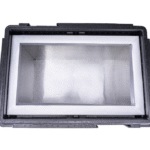
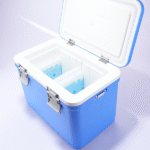
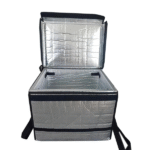
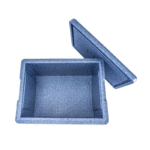
Dairy pallets need a different cadena de frío plan from parcel dairy shipments. Una sola caja de leche o yogur se puede proteger con un cargador aislado, pero un palet depende de almacenamiento en frío disciplina, flujo de aire del remolque, geometría de la paleta, patrón de envoltura, exposición al muelle, y colocación del registrador. El principal fallo no suele ser el núcleo del palet.. es el borde superior, la esquina que da a la puerta, la capa inferior expuesta a un muelle cálido, o una posición de carga mixta junto a productos con olores más fuertes o diferentes requisitos de temperatura.
Datos de planificación del almacenamiento en frío de palets de productos lácteos
| Rango objetivo típico | 0-4 C para distribución de paletas de lácteos refrigerados; aplicar la especificación del productor lácteo cuando sea más estricta. |
|---|---|
| Control de humedad | Proteger cajas, bandejas corrugadas, etiquetas, y cajas exteriores por condensación durante el traslado al muelle y la descarga del remolque. |
| Preenfriamiento | Producto preenfriado, base de paleta, y área de preparación antes de envolver. Es difícil bajar un núcleo de palet caliente después de cargarlo. |
| Presión de embalaje | Usar apilamiento de columnas, tableros de esquina, y controles de resistencia de la caja para que las capas inferiores no se aplasten bajo la envoltura elástica y la altura de la plataforma.. |
| Refrigerante o protección térmica. | Utilice primero el transporte frigorífico. Cobertores térmicos para palets, revestimientos secos, o la asistencia en gel puede soportar una estancia corta en el muelle, no reemplazar un remolque frío. |
| Duración del transporte | Mejor gestionado con almacenamiento en frío validado, control de transferencia de muelle a remolque, y monitoreo continuo de la temperatura del remolque para cada carril. |
| Pérdidas comunes | Bordes cálidos de los palés, casos mojados, niveles inferiores colapsados, tinción de etiquetas, mal olor, y contaminación de carga mixta de mariscos o carnes adyacentes. |
| Ajuste del embalaje Tempk | Cobertor térmico para palets, revestimiento de paletas, protección de esquinas, divisor aislado, registrador de zona de producto, y un informe de validación de ruta. |
Por qué los pallets de productos lácteos necesitan su propia validación
Las paletas de productos lácteos son densas, sensible a la humedad, y a menudo se envían en cajas de venta al por menor o bandejas corrugadas.. Si el producto sale del almacén frigorífico demasiado caliente, El núcleo de la plataforma puede permanecer por encima del objetivo después de la carga.. Si el palet está demasiado apretado, El flujo de aire del remolque puede pasar por alto la zona del producto y hacer que el centro tarde en recuperarse.. Si la envoltura elástica atrapa la condensación, El cartón puede ablandarse y las etiquetas pueden mancharse antes de recibirlas..
La plataforma debe construirse a partir de producto frío en un área de preparación fría.. Los casos deben estar alineados en columnas estables., con esquineros o soportes de borde cuando la carga es alta. La envoltura elástica debe estabilizar la plataforma sin bloquear todas las rutas de flujo de aire.. Para paletas de productos lácteos mixtos, Mantenga los líquidos propensos a fugas alejados de los cartones secos y separe los alimentos con olor fuerte.. Cuando el traslado del muelle es inevitable, utilizar un límite de permanencia planificado y tratar cubiertas térmicas para palets como ayuda de corta exposición, no reemplaza el manejo refrigerado.
Herramientas útiles para tomar decisiones
Comprueba los detalles antes de elegir el embalaje.
Estas herramientas rápidas pueden ayudarle a comparar el riesgo de la ruta, necesidades de dimensionamiento, opciones de refrigerante, y detalles del embalaje antes de solicitar una cotización.
Calculadora de bolsa de hielo
Estimación de la cantidad de bolsas de hielo en gel para envíos refrigerados y planificación práctica de rutas.
Estimar las bolsas de hieloReferencia del material aislante
Compare opciones de materiales aislantes para diferentes necesidades de embalaje de la cadena de frío.
Comparar materialesrefrigerante & Referencia PCM
Compare las opciones de refrigerante y PCM cuando una ruta necesite soporte de temperatura adicional.
Comparar opcionesEnfoque Tempk recomendado
Tempk normalmente definiría las posiciones del registrador antes de la prueba.: núcleo de paleta, borde superior, borde inferior, y el lado que mira hacia la puerta del remolque. La validación debe registrar la temperatura inicial del producto., tiempo de preparación de la cámara fría, habitar en el muelle, punto de ajuste del remolque, tendencia del aire de retorno del remolque, y condición de llegada. Los controles de recepción deben incluir la temperatura interna del producto., sequedad del caso, palet magra, integridad de la envoltura, condensación, olor, fuga, y signos de compresión del caso..
FoodSafety.gov enumera el almacenamiento en el refrigerador en 40 F (4 do) o debajo y almacenamiento en el congelador en 0 F (-18 do) o debajo. La guía del Código Alimentario de la FDA también se utiliza como modelo de protección de alimentos en el comercio minorista para el control del tiempo y la temperatura.. Para la logística comercial de palés de productos lácteos, esas referencias son puntos de partida. La versión final debe seguir las especificaciones del propietario del producto., regulaciones locales, y los datos reales de validación de carril.