Adquisición de bolsas térmicas Biotecnología: Una guía práctica de adquisición y uso
La búsqueda de biotecnología para la adquisición de bolsas térmicas suele comenzar con el nombre de un producto., pero una buena compra comienza con el trabajo que debe realizar el paquete. bolsas más frescas for biotech logistics may help protect goods during short handling windows, entregas de marca, o rutas controladas de transporte en mano. No son sistemas de cadena de frío automáticamente calificados.. El enfoque más seguro es hacer coincidir el material, carga útil, cierre, refrigerante, duración de la ruta, limpieza, y documentación del producto que estás trasladando. Esta guía ofrece a los equipos de adquisiciones y operaciones una forma práctica de emitir ese juicio..
Defina el trabajo antes de elegir el formato.
El primer paso útil en la adquisición de biotecnología para la adquisición de bolsas térmicas es redactar una declaración de trabajo sencilla.. Por ejemplo: Esta bolsa debe contener comidas refrigeradas selladas para una ruta de entrega corta.; Esta bolsa debe proteger los productos minoristas pequeños durante el transporte en mano.; Esta hielera de marca debe respaldar un programa de divulgación, pero no reemplazar un portador de vacunas.; esta mochila debe ayudar a un trabajador de campo a mover muestras mientras mantiene un proceso monitoreado. Una declaración de trabajo clara evita que el comprador compare productos que parecen similares pero que resuelven problemas diferentes..
Para equipos de adquisiciones de biotecnología, gerentes de laboratorio, coordinadores de suministros clínicos, y revisores de calidad, La declaración de trabajo debe incluir la sensibilidad del producto., duración de la ruta, exposición ambiental esperada, carga útil, proceso de carga, frecuencia de apertura, y si se requieren registros después de la entrega. También debe nombrar el límite del producto.. A bolsa termica es un paquete pasivo. Retarda el cambio de temperatura. Puede contener refrigerante. Puede apoyar la presentación de la marca.. No refrigera activamente., y no prueba el cumplimiento sin el proceso circundante..
Un marco de decisión de cinco partes
Un marco útil es más fácil de aplicar que una larga lista de deseos de especificaciones. Comience con el requisito de temperatura, luego pasar a la carga útil, ruta, manejo, y evidencia. El requisito de temperatura define si la compra es un paquete de conveniencia o parte de un proceso logístico controlado.. La carga útil le indica si la bolsa estará estable, sobrecargado, o principalmente aire. La ruta y el manejo deciden cuánta exposición cálida verá el producto.. La evidencia decide si la organización puede defender la elección si ocurre un problema..
| Pregunta de decisión | ¿Por qué cambia la elección? | Mejor redacción de adquisiciones |
|---|---|---|
| ¿Qué producto se está moviendo?? | Alimento, bebida, biotecnología, apoyo a las vacunas, y el uso minorista tienen diferentes niveles de riesgo | Describe el producto y si está sellado., contacto directo, regulado, o promocional |
| ¿Qué expectativa de temperatura se aplica?? | Una bolsa por sí sola no define el rango requerido | Confirme el rango específico del producto y si se necesita refrigerante o monitoreo |
| ¿Cuánto espacio utilizable se necesita?? | El volumen interno se reduce después de agregar refrigerante y separadores. | Solicite dimensiones utilizables con el embalaje previsto, no sólo tamaño exterior |
| ¿Cómo se manejará la bolsa?? | Apertura, que lleva, apilado, y la limpieza afectan el rendimiento diario | Compartir pasos de ruta, detener la cuenta, comportamiento del operador, y proceso de devolución |
| ¿Qué evidencia se requiere?? | La conveniencia comercial y la logística regulada necesitan pruebas diferentes | Solicite datos de prueba relevantes o defina un plan de verificación interna |
Este marco mantiene la compra práctica.. No obliga a todos los compradores a someterse a un proceso de calificación al estilo farmacéutico.. Simplemente pide que el nivel de evidencia coincida con el nivel de riesgo..
Donde ayuda el producto, y donde no es suficiente
Adquisición de bolsas térmicas La biotecnología puede ser una buena opción cuando el objetivo es la amortiguación térmica a corto plazo, transporte más fácil, presentación de marca, organización de carga pequeña, o una rutina de entrega reutilizable. También puede respaldar un proceso de cadena de frío más amplio cuando se diseña el paquete., monitoreado, y aprobado. El formato es menos adecuado cuando el recorrido es largo., sin control, abierto repetidamente, expuesto a alto calor ambiental, o utilizado para productos que requieren un estricto mantenimiento de temperatura documentado sin la evidencia adecuada.
Esta distinción es especialmente importante en vacunas., biológico, y contextos farmacéuticos. Las directrices sobre almacenamiento y manipulación de vacunas generalmente tratan la cadena de frío como un sistema completo de equipos., procedimientos, y responsabilidad compartida. Las expectativas de calidad de los productos farmacéuticos también se centran en las condiciones adecuadas de almacenamiento y transporte.. Una bolsa de marca o aislante puede ser útil en el programa., pero no debe describirse como universalmente compatible. El equipo de calidad debe decidir qué pruebas se necesitan para la ruta y el producto específicos..
Elecciones de materiales y construcción con compensaciones reales
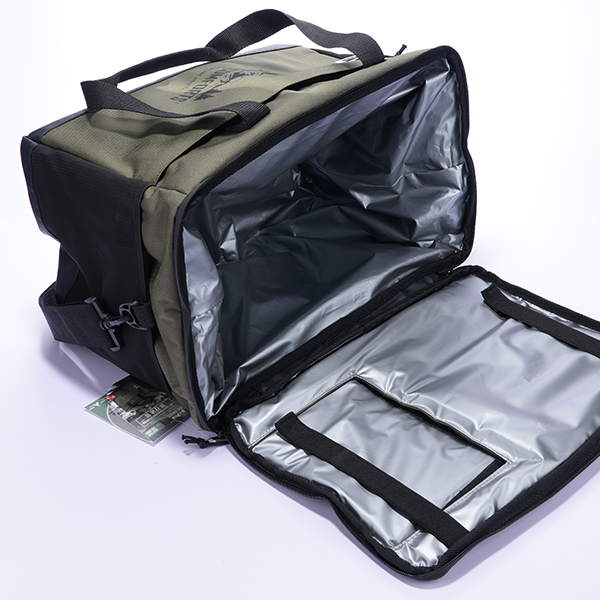
Las opciones de materiales detrás de las bolsas térmicas para la logística biotecnológica generalmente implican compensaciones en lugar de simples actualizaciones.. Una capa de espuma más gruesa puede retardar la transferencia de calor, pero puede reducir el espacio utilizable y aumentar el volumen de envío.. Una cubierta de tela suave puede mejorar la apariencia y la comodidad de la marca, pero puede necesitar reglas de limpieza cuidadosas.. Una superficie a base de papel puede respaldar un determinado mensaje de sostenibilidad, pero las cuestiones de humedad y recubrimiento se vuelven más importantes. Un revestimiento reflectante puede ayudar con el calor radiante y la limpieza visual., sin embargo, las costuras y los cierres aún pueden dominar el rendimiento..
Los cierres merecen especial atención. Una solapa suelta, cremallera débil, o la apertura difícil puede deshacer una pila de material fuerte porque los operadores pueden dejar la bolsa parcialmente abierta. Los tiradores y las bases también importan. Una bolsa que resulta cómoda cuando está vacía puede hundirse cuando se carga con bebidas, paquetes de gel, o recipientes de comida densos. Si el producto es pesado, probar la muestra cargada, no sólo la bolsa vacía. Si la bolsa se devuelve para su reutilización, Inspeccione cómo responden el forro y las costuras después de la limpieza y el secado..
Controles de adquisiciones antes de un pedido al por mayor
Antes de pasar de la muestra a la producción, comprobar si la muestra es verdaderamente representativa. Confirmar dimensiones, acabado del revestimiento, sensación de espuma, puntadas, obra de arte, cierre, manejar la fuerza, embalaje de cartón, y colocación de etiquetas. Pregunte qué sucede si el proveedor cambia un material o método de producción.. Para bolsas impresas o con logotipo, aprobar obras de arte en el mismo material y color que se utilizará en la producción. Para bolsas y formatos de papel, comprobar el sellado de los bordes, respuesta a la humedad, y cómo se abre el paquete después de la compresión en una caja de cartón.
Las compras al por mayor también necesitan un plan de recepción. Decide quién controla la primera entrega, qué defectos requieren rechazo, y como cambia el registro del equipo. Si la bolsa se utiliza en un proceso sensible a la calidad, conectar la inspección de recepción al sistema de calidad. Si se utiliza para distribución minorista o promocional., conectar la inspección con los estándares de la marca y la experiencia del cliente. El plan de inspección correcto depende de la descripción del trabajo, pero cada pedido repetido se beneficia de un estándar escrito.
Controles operativos después de la compra.
Incluso las bolsas térmicas bien seleccionadas para la logística biotecnológica pueden tener un rendimiento inferior si el proceso operativo es débil. Guarde las bolsas secas y limpias.. Productos de preacondicionamiento o refrigerante según lo requiera el proceso.. Evite cargar artículos calientes en una bolsa y esperar que el aislamiento solucione la condición inicial.. Capacite a los operadores para cerrar la bolsa completamente y minimizar la apertura innecesaria.. Definir dónde se ubica la bolsa en un vehículo., especialmente cuando la ruta incluye exposición al sol., muelles cálidos, o traspasos múltiples.
Los equipos receptores también necesitan instrucciones. Si el producto es sensible, Deberían saber si revisar un registrador., inspeccionar el estado del refrigerante, revisar un indicador de temperatura, o poner en cuarentena un envío con evidencia de mal manejo. Si la bolsa es reutilizable, Deberían inspeccionar los daños., olor, residuo, humedad, función de cremallera, y manejar la tensión antes de regresar. Estos pasos son ordinarios., pero a menudo faltan en los programas de embalaje de bajo costo.
Herramientas útiles para tomar decisiones
Comprueba los detalles antes de elegir el embalaje.
Estas herramientas rápidas pueden ayudarle a comparar el riesgo de la ruta, necesidades de dimensionamiento, opciones de refrigerante, y detalles del embalaje antes de solicitar una cotización.
refrigerante & Referencia PCM
Compare las opciones de refrigerante y PCM cuando una ruta necesite soporte de temperatura adicional.
Comparar opcionesCalculadora de hielo seco
Calcule las necesidades de hielo seco para envíos congelados o ultrafríos antes de empacar.
Estimar hielo secoCalculadora de bolsa de hielo
Estimación de la cantidad de bolsas de hielo en gel para envíos refrigerados y planificación práctica de rutas.
Estimar las bolsas de hieloUn escenario típico de comprador
Un equipo de adquisiciones puede necesitar biotecnología para la adquisición de bolsas térmicas para un programa que combina la presentación de la marca con el manejo sensible a la temperatura.. El primer proveedor ofrece un precio bajo y una muestra rápida., pero no puede explicar el volumen utilizable después de la colocación del refrigerante. El segundo proveedor solicita las dimensiones del producto., duración de la ruta, expectativas de limpieza, y método de arte antes de cotizar. La segunda conversación requiere más esfuerzo., sin embargo, le da al comprador una base más segura para comparar.. El proveedor no promete que una bolsa resuelva todas las rutas. El proveedor ayuda a definir las condiciones que debe cumplir la bolsa.
En muchos programas, esa diferencia importa más que una pequeña diferencia de precio unitario. Una muestra mejor definida reduce las sorpresas en las obras de arte, problemas de carga, entregas rechazadas, y afirmaciones de desempeño no respaldadas. También brinda a los equipos de operaciones y calidad un camino más claro para aprobar o rechazar el embalaje antes de comprometer dinero en un pedido grande..
Verificaciones adicionales del comprador antes de la aprobación
Para la adquisición de bolsas térmicas biotecnológicas, La aprobación de la muestra debe incluir más que un vistazo rápido al color y las costuras.. Cargue el producto exactamente como estaba previsto, agregue refrigerante o separadores, cerrar la bolsa como la cerraría un operador, y déjelo en la posición de manipulación esperada.. Si el bolso se llevará en la mano, Pruebe la comodidad y el equilibrio con la carga útil real.. Si la bolsa será devuelta, prueba de limpieza y secado. Si el pedido se repetirá, registrar los detalles de la muestra aceptada para que la siguiente producción pueda compararse con la misma línea base.
Decida también qué afirmaciones están permitidas en sus propios materiales operativos o de venta.. Si la bolsa no ha sido probada para una ruta específica, Evite escribir un reclamo de tiempo de espera fijo. Si el paquete no está aprobado para contacto directo con alimentos, Mantenga los alimentos en envases primarios sellados.. Si no es un transportista médico calificado, describirlo como un paquete de transporte aislado de soporte en lugar de una solución de cumplimiento. Una redacción interna clara evita el uso indebido después de que compras entregue el producto a ventas., logística, o equipos de campo.
Un último control es el embalaje alrededor del embalaje.. Cantidad de cartón, compresión durante la exportación, estabilidad del palet, y la humedad del almacén pueden afectar lo que recibe el comprador. Una bolsa blanda que se ve bien una por una puede llegar arrugada si está demasiado apretada. Una bolsa térmica de papel puede necesitar protección contra la humedad. Una superficie exterior impresa puede rozar las unidades vecinas.. Estos detalles suenan pequeños, pero dan forma a la primera impresión y la usabilidad diaria de un pedido al por mayor..
Preguntas frecuentes
¿Pueden las bolsas térmicas para la logística biotecnológica reemplazar a un transportista calificado de cadena de frío??
No por sí mismos. Una bolsa aislante puede reducir la ganancia de calor durante una entrega o un período de entrega cortos, pero un transportista calificado de cadena de frío depende de un embalaje probado, configuración del refrigerante, carga útil, perfil ambiental, y criterios de aceptación. Para medicamentos regulados, vacunas, biológicos, o muestras clínicas, Pregunte al equipo de calidad qué evidencia se necesita antes de aprobar el uso de la bolsa..
¿Qué información debo enviar a un proveedor antes de pedir presupuesto??
Enviar el tipo de producto, rango de temperatura objetivo, duración prevista de la ruta, cantidad por bolsa, dimensiones del paquete, peso, método de manipulación, necesidades de limpieza, requisitos de marca, y cualquier expectativa de documentación. Si la bolsa tocará alimentos directamente o soportará envíos regulados, di eso claramente. Una mejor discusión con los proveedores comienza cuando el caso de uso se define en lugar de ocultarse detrás de un nombre de producto general..
¿Las bolsas isotérmicas reutilizables son siempre más sostenibles??
No siempre. La reutilización puede reducir los envases de un solo uso repetidos, pero el resultado depende de la tasa de retorno, limpieza, daño, almacenamiento, transporte de regreso al origen, y cuántos viajes realmente completa la bolsa. Una opción reutilizable tiene más sentido cuando las rutas son repetibles, la bolsa se puede recuperar, y el equipo cuenta con un proceso de inspección e higiene..
¿Qué especificación se malinterpreta con mayor frecuencia??
Muchos compradores se centran en el tamaño exterior o en un reclamo general de aislamiento.. El volumen interno utilizable suele ser más importante porque el refrigerante, revestimiento, divisores, y el embalaje del producto reducen el espacio disponible. Para productos sensibles a la temperatura, El rendimiento indicado debe compararse con la misma carga útil y condiciones de ruta que planea utilizar., no es una declaración de marketing genérica.
Conclusión
Una decisión biotecnológica útil sobre la adquisición de bolsas térmicas conecta tres cosas: el riesgo del producto, el paquete fisico, y el proceso operativo a su alrededor. La elección correcta no siempre es la más gruesa., mas decorado, o bolsa de menor costo. Es la opción que se puede explicar claramente., probado sensatamente, manejado consistentemente, y revisado por los responsables de la calidad del producto..
Acerca de Tempk
Tempk apoya a los compradores en la evaluación bolsas aisladas, bolsas más frescas, bolsas térmicas, y relacionados embalaje de cadena de frío opciones. Para este tema, el soporte más útil es el práctico: hacer coincidir el formato de la bolsa con la ruta, sensibilidad del producto, método de manipulación, carga útil, y expectativa de documentación. Cuando el envío es regulado o de alto riesgo, Alentamos a los compradores a confirmar la evidencia de calificación y la aprobación de calidad en lugar de confiar únicamente en las afirmaciones de aislamiento..
CTA
Dale a Tempk tu tipo de muestra, rango de temperatura objetivo, tamaño de carga útil, duración de la ruta, y expectativas de documentación antes de pasar de la aprobación de muestras a la adquisición masiva.