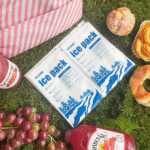
Costumbre embalaje de cadena de frío Funciona mejor cuando el proveedor comprende el envío antes de recomendar una caja., transatlántico, paquete de gel, Paquete de pcm, sistema de hielo seco, o remitente reutilizable. Una solicitud de cotización que solo dice "Necesito una bolsa de hielo" o "Necesito una caja fría" generalmente conduce a que se repita el muestreo., precios poco claros, y un mayor riesgo de fallo de temperatura en la distribución real.
Para compradores B2B, La solicitud de cotización correcta debe describir el riesgo del producto., rango de temperatura requerido, objetivo de tiempo de espera, perfil de ruta, tamaño de carga útil, tamaño de la caja, preferencia de refrigerante, necesidades regulatorias, requisitos de marca, y volumen mensual esperado. Este artículo ofrece una práctica, lista de verificación respaldada por fuentes para alimentos, farmacéutico, congelado, tienda de comestibles, kit de comida, mariscos, cosmético, y transportistas de muestras de laboratorio que necesitan embalaje de cadena de frío personalizado.
Por qué una solicitud de cotización de cadena de frío debería comenzar con el envío, no el producto
El envasado en cadena de frío es un sistema. El aislamiento, refrigerante, cámara de producto, capa absorbente, fuerza del cartón, etiquetado, instrucción de embalaje, y el manejo de rutas afectan el resultado.. Un paquete de gel que funciona bien en una pequeña bolsa aislada puede no ser suficiente para un paquete más grande con una estancia cálida en la última milla.. Es posible que un recipiente de espuma que funcione para alimentos refrigerados no proteja un medicamento a 2-8 °C si el refrigerante toca la carga útil directamente.. Una bolsa de hielo seco puede mantener duros los productos congelados, pero también requiere documentación de ventilación y transporte..
Cuando un comprador le da al proveedor los datos correctos al principio, el proveedor puede limitar el diseño más rápido, estimar la cantidad de muestra, seleccione opciones de materiales realistas, y recomendar una ruta de prueba de paquete. Para clientes empresariales, Esto también crea una especificación repetible que la adquisición, calidad, depósito, y los equipos de operaciones pueden aprobar juntos.
Parámetros respaldados por fuentes para incluir en su RFQ
| Parámetro | Valor de referencia o regla | Por qué es importante el embalaje personalizado |
|---|---|---|
| Objetivo de seguridad de los alimentos refrigerados | Los alimentos fríos deben mantenerse a 40°F. / 4°C o menos según la guía de seguridad alimentaria de la FDA. | Ayuda a definir la comida fría., lácteos, carne, producir, y paquetes de comida preparada. |
| Referencia de almacenamiento congelado | La guía de manipulación segura de alimentos de la FDA utiliza el almacenamiento en congelador a 0°F / -18°C o menos. | Ayuda a separar los paquetes "refrigerados" de los verdaderos paquetes de alimentos congelados.. |
| Rango de aplicación del refrigerante en gel | FedEx describe refrigerantes en gel para productos que deben permanecer entre 34°F / 1°C y 50°F / 10°C. | Ayuda a determinar cuándo son adecuados los paquetes de gel y cuándo puede ser necesario utilizar hielo seco o PCM congelado.. |
| Temperatura del hielo seco | USGS afirma que el hielo seco se sublima a -78,5°C / -109.3°F. | Explica por qué el hielo seco puede congelar productos y por qué necesita separación de cargas útiles sensibles. |
| Cocina refrigerada para vacunas | La guía de almacenamiento de vacunas de los CDC indica entre 2 °C y 8 °C / 36°F a 46°F para almacenamiento en refrigerador. | Útil para solicitudes de cotización de cadena de frío farmacéutica y médica., pero sigue siempre la etiqueta del producto.. |
| Perfiles de prueba térmica | ISTA 7E proporciona perfiles de transporte térmico basados en exposiciones al calor y al frío del mundo real. | Útil cuando un comprador necesita pruebas más allá de un simple envío de muestra. |
| Referencia de pared del cargador de espuma | FedEx recomienda un contenedor de espuma aislado con un mínimo 1.5 en / 4 cm de paredes para envíos de perecederos. | Proporciona una referencia práctica al comparar espuma., transatlántico, y diseños de cargadores reutilizables. |
| Marcado de envío aéreo con hielo seco | PHMSA establece que los paquetes de hielo seco deben permitir la liberación de gas y mostrar "Hielo seco,"UN1845, y masa neta cuando corresponda. | Necesario antes de cotizar paquetes de hielo seco para carriles aéreos o expresos. |
Lista de verificación de solicitudes de presupuesto para embalajes personalizados de cadena de frío
Utilice la siguiente tabla al preparar una solicitud de personalización paquetes de gel, Paquetes de PCM, paquetes de hielo seco, bolsas aisladas, revestimientos de cajas aisladas, Neveras EPP, palcos médicos vip, o cubiertas de paletas.
| Artículo de solicitud de cotización | Que proporcionar | Ejemplo de una respuesta útil |
|---|---|---|
| tipo de producto | Alimento, farmacéutico, mariscos, postre helado, cosmético, tienda de comestibles, muestra de laboratorio, biológico, o mercancías paletizadas. | “Platos preparados refrigerados en bandejas selladas, 1.8 kg de carga útil por caja”. |
| Rango de temperatura requerido | Indique el rango de temperatura y si se permiten excursiones breves.. | “Mantener el producto por debajo de 4°C; Evite congelar las tazas de salsa ". |
| Temperatura inicial del producto | Enfriado, congelado, temperatura ambiente, o preacondicionado. | "El producto se envasa a 2-4°C después de refrigerarlo durante la noche". |
| Objetivo de tiempo de espera | Tiempo puerta a puerta más margen de seguridad. | “36 horas de tránsito, objetivo de diseño 48 horas." |
| Riesgo ambiental | Calor de verano, frio de invierno, residencia en el aeropuerto, retraso del fin de semana, retención transfronteriza, estancia de última milla. | "Ruta de última milla de verano en EE. UU. con posible estadía a domicilio de 4 horas". |
| Detalles de la carga útil | Peso, dimensiones, numero de unidades, geometría del producto, artículos frágiles. | “Seis bandejas de comida más tazas de salsa., total 2.2 kilos.” |
| Tamaño de caja existente | Dimensiones interiores y exteriores del cartón, si la caja ya está arreglada. | “Cartón exterior 430 incógnita 330 incógnita 220 milímetros, corrugado de pared simple”. |
| Aislamiento preferido | Caja de espuma, revestimiento de aluminio, revestimiento de papel, Caja EPP, palco vip, bolsa aislante, o sin preferencia. | "Necesitamos un barco de transporte plano para reducir el espacio del almacén". |
| Preferencia de refrigerante | Paquete de gel, paquete de inyección de agua, Paquete de pcm, ladrillo de hielo, hielo seco, o recomendación del proveedor. | “Prefiere paquetes de gel, pero abierto a PCM si el riesgo de congelación es alto”. |
| Necesidades de marca y OEM | Logo, impresión de película, impresión de cartón, codificación de colores, instrucciones de etiqueta privada. | “Logotipo personalizado en paquete de gel y cartón, Tarjeta de instrucciones en inglés”. |
| Documentación de calidad | SDS, declaración de materiales, curva de temperatura, instrucción de embalaje, lista de control de llegada. | "Necesita SDS y curva de registro de temperatura de prueba piloto". |
| Volumen y fecha de lanzamiento | Cantidad de muestra, volumen piloto, pronóstico mensual, estacionalidad. | “100 muestras, piloto 2,000 cajas/mes, pico de verano 8.000/mes”. |
El rango de temperatura debería impulsar la familia de envases
No elijas el embalaje sólo por precio o tamaño de caja.. El rango de temperatura requerido generalmente decide primero la familia de empaque..
Para comida refrigerada y entrega de comestibles, Los paquetes de gel y los revestimientos aislantes pueden ser apropiados cuando el producto necesita permanecer frío pero no congelado.. Para mariscos congelados, comidas congeladas, o helado, el diseño puede necesitar un aislamiento más fuerte, masa refrigerante congelada, PCM eutéctico, o hielo seco dependiendo de la longitud de la ruta y la sensibilidad del producto. Para medicamentos de 2-8°C, el diseño debe centrarse en la protección contra congelación, separación de refrigerante, colocación del registrador, e instrucciones de embalaje documentadas. Para carga aérea paletizada, La exposición a la temperatura durante la estancia en el aeropuerto puede ser más importante que la propia caja..
La ruta es parte del packout.
Muchos envíos fallidos en la cadena de frío no se deben a un solo producto defectuoso. Fallan porque el paquete fue diseñado para una ruta ideal en lugar de la ruta real.. Centros de clasificación, cambios de orientación, compresión, recogida tardía, retraso del fin de semana, despacho transfronterizo, furgonetas sin acondicionar, y la permanencia en la puerta puede cambiar la carga térmica.
Una buena RFQ debe indicar el tipo de ruta, no solo el destino. Por ejemplo, "Envío de paquetes en 48 horas a direcciones residenciales mixtas de EE. UU. en verano" es más útil que "envío a todo Estados Unidos". Si el carril incluye carga aérea o hielo seco, La solicitud de cotización también debe indicar las reglas del transportista y las marcas requeridas..
Herramientas útiles para tomar decisiones
Comprueba los detalles antes de elegir el embalaje.
Estas herramientas rápidas pueden ayudarle a comparar el riesgo de la ruta, necesidades de dimensionamiento, opciones de refrigerante, y detalles del embalaje antes de solicitar una cotización.
Resistencia a la caída del material aislante
Revise la resistencia a caídas y los factores de manipulación antes de elegir materiales aislantes..
Comprobar resistenciaComprobador de riesgos de ruta
Revise las condiciones del carril antes de seleccionar el embalaje para requisitos operativos reales..
Comprobar riesgo de rutaSelector de embalaje
Compare las opciones de embalaje aislado por producto, ruta, y necesidad de temperatura.
encontrar embalaje¿Qué opciones personalizadas se pueden especificar?
| Componente de embalaje | Opciones personalizadas comunes | Notas para compradores empresariales |
|---|---|---|
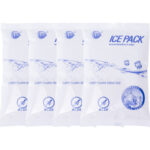
| Paquete de hielo en gel | Tamaño, peso de relleno, espesor de la película, fórmula en gel, impresión del logotipo, instrucción de congelación, embalaje de cartón. | Lo mejor para paquetes refrigerados y refrigerados; Cantidad de prueba por ruta y aislamiento.. |
| Paquete de pcm | Temperatura de cambio de fase, estilo contenedor, peso de relleno, método de acondicionamiento. | Útil cuando la carga útil debe permanecer cerca de una banda de temperatura más estrecha. |
| Paquete de inyección de agua | Formato de envío sin completar, instrucción de hidratación, tamaño, sello, embalaje de cartón. | Ayuda a reducir la carga de carga entrante y el almacenamiento en frío del almacén antes del llenado.. |
| Revestimiento de caja aislado | Ajuste de cartón, estilo plegado, espesor de aislamiento, método de cierre, preferencia de material reciclable. | Útil cuando el comprador quiere conservar su cartón corrugado existente.. |
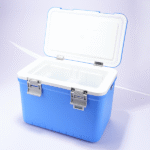
| Nevera EPS o EPP | Tamaño interior, espesor de pared, estilo de tapa, manejar, drenaje, herrada, plan de devolución/reutilización. | Mejor cuando la rigidez, uso repetido, o se necesita una protección mayor. |
| Cobertor térmico para palets | Tamaño de palet, altura, cierre lateral, cubierta superior, capa reflectante, exposición de ruta, reutilización. | Utilizado para transporte aéreo, almacén habitar, y protección de temperatura a nivel de palet. |
Errores en las solicitudes de presupuesto que ralentizan los proyectos personalizados
El primer error común es pedir “solución de 48 horas” sin indicar la masa del producto, temperatura inicial, perfil ambiental, y temperatura de llegada aceptable. Un segundo error es pedir la menor masa de refrigerante posible sin reconocer el retraso en la ruta.. Un tercer error es tratar la marca como una solicitud separada después de que el paquete ya haya sido probado.. Películas impresas, etiquetas de cartón, y las instrucciones del cliente pueden cambiar la forma en que el almacén empaqueta y cómo el receptor maneja el paquete.
Otro error es pedir presupuesto antes de decidir si el embalaje es un sistema unidireccional o un bucle reutilizable.. Esto es importante para la elección del aislamiento., durabilidad, limpieza, almacenamiento en almacén, y logística de devolución. Por ejemplo, una marca de kits de comida puede preferir los transatlánticos de envío plano, mientras que un programa de logística médica puede preferir EPP reutilizable o palcos vip con instrucciones de embalaje controladas.
Preguntas frecuentes
¿Puedo solicitar una cotización sin un paquete probado??
Sí, pero la cotización será más precisa si proporciona el rango de temperatura, carga útil, tamaño del cartón, duración de la ruta, y riesgo ambiental esperado. Para productos farmacéuticos de alto valor, comida congelada, o envíos transfronterizos, una cotización generalmente debe ir seguida de pruebas de muestra.
¿Es suficiente un paquete de gel para un envío en 48 horas??
Depende de la carga útil, aislamiento, temperatura inicial, exposición ambiental, y condiciones de llegada aceptables. FedEx describe refrigerantes en gel para cocinas refrigeradas, mientras que los envíos congelados pueden requerir hielo seco u otro diseño de embalaje congelado.
¿Cuál es la información más importante para un envío a 2-8°C??
Proporcionar el requisito de etiqueta del producto., tamaño de carga útil, duración de la ruta, requisito de no congelación, requisito de registrador, y si el refrigerante puede tocar el producto. El contacto directo con refrigerante congelado puede crear riesgo de congelación.
¿El embalaje personalizado puede incluir la impresión de logotipos??
Sí. Paquetes de gel personalizados, bolsas aisladas, etiquetas de cartón, tarjetas de instrucciones, y a menudo se pueden especificar cajas de cartón de marca privada. La marca debe incluirse antes de la aprobación de la muestra para que el flujo de trabajo de embalaje final sea realista..
¿Necesito pruebas ISTA para cada proyecto??
No todos los proyectos necesitan pruebas térmicas ISTA completas. Sin embargo, ISTA 7E y los estándares térmicos relacionados son útiles cuando un cliente necesita una estructura, perfil basado en evidencia en lugar de solo un envío de prueba.
Comida final para llevar
Una solicitud de cotización sólida y personalizada para embalajes de cadena de frío no es una lista de nombres de productos. Es un perfil de envío.. Antes de pedir muestras o precios, preparar el requisito de temperatura, masa del producto, duración de la ruta, riesgo ambiental, tamaño de la caja, preferencia de refrigerante, preferencia de aislamiento, necesidades de marca, y necesidades de documentación. Esto hace que la recomendación del proveedor sea más rápida., mas realista, y más fácil de aprobar para los equipos de adquisiciones y calidad.