Qué comprobar antes de comprar Distribuidor de hielo seco para envasado de insulina
If you are evaluating distributor bolsa de hielo seco for insulin packaging, la idea más importante es simple: compre el sistema de envío según la condición del producto que debe proteger, no por el nombre del paquete. La frase bolsa de hielo seco puede referirse a varios formatos de refrigerantes muy diferentes., Y en los envases de insulina esas diferencias son importantes.. Algunos envíos realmente necesitan protección contra el frío intenso. Muchos otros necesitan refrigeración controlada, manejo de la humedad, protección estructural, o un diseño de empaque más limpio que necesita la máxima intensidad de frío.
Cuando los compradores solicitan una bolsa de hielo seco de distribuidor para el envasado de insulina, Por lo general, intentan resolver un problema de diseño de paquetes., no simplemente comprar un componente frío. El embalaje debe contener una estufa refrigerada., limitar la exposición a la congelación, y adaptar un método de ensamblaje repetible para su cumplimiento o distribución..
Lo que los compradores suelen querer decir con este tipo de solicitud
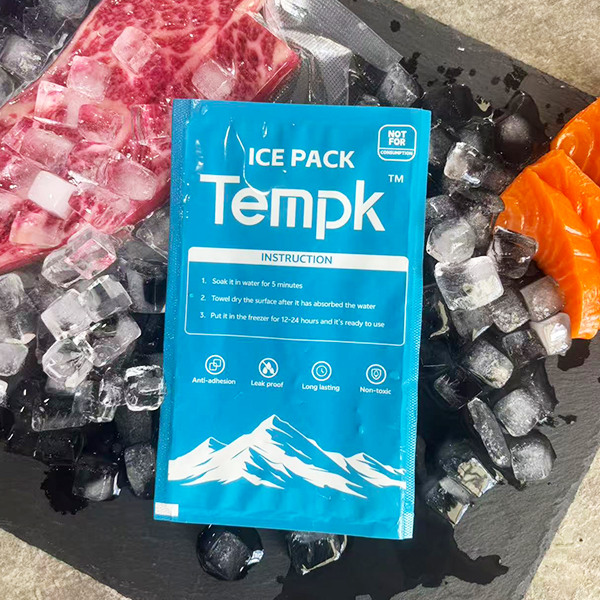
La denominación "bolsa de hielo seco" esconde importantes diferencias.. Un distribuidor puede significar hielo seco real, otro puede significar un paquete de sábanas congeladas, and another may mean a standard paquete de gel. Estos no son equivalentes en el empaque de insulina porque el contacto local con una superficie muy fría puede dañar el medicamento incluso cuando la caja exterior todavía parece estar bien controlada..
Una búsqueda dirigida por distribuidores generalmente proviene de equipos que necesitan productos en existencia., velocidad de reabastecimiento, y especificaciones consistentes en pedidos repetidos.
Cuándo encaja una bolsa de hielo seco y cuándo no
Una mochila estilo hielo seco es adecuada cuando el estado del producto y la ruta realmente lo justifican.. Eso generalmente significa un objetivo congelado o un carril inusualmente severo que ha sido pensado como un sistema completamente aislado.. Esto no significa que el frío más profundo sea automáticamente más seguro.. En envases de insulina, La fuente de frío incorrecta puede provocar daños por congelación., condensación, pérdida de calidad, o complejidad de manejo innecesaria. El paquete debe evaluarse como parte del diseño total.: temperatura inicial del producto, aislamiento, espaciado interno, duración, cambios ambientales, y condiciones de recepción.
Un distribuidor puede agregar valor cuando el refrigerante ofrecido se adapta a un práctico paquete de insulina.. If the distributor only offers deep-paquetes fríos without guidance on spacing and packaging geometry, la oferta puede no ser una buena opción. Muchos proyectos de envasado de insulina funcionan mejor con un refrigerante más controlado y un sistema más sencillo., diseño de paquete más repetible.
Solo componente: Fácil de obtener y almacenar. Limitación principal: No resuelve la geometría del paquete ni el control del riesgo de congelación.
Kit aislado estándar: Lanzamiento más rápido para carriles comunes. Limitación principal: Puede necesitar ajustes si el producto o la ruta cambian.
Construcción de paquete personalizado: Mejor ajuste para la carga útil, mano de obra, y equilibrio térmico. Limitación principal: Lleva más tiempo desarrollarlo y aprobarlo..
Paquete reutilizable: Presentación potencialmente más limpia y menor desperdicio en carriles estables. Limitación principal: Necesita manejo de devoluciones y disciplina de inspección..
Construya el paquete alrededor del producto., no es el nombre del paquete
El embalaje de insulina abarca todo el conjunto.: tamaño del paquete, tamaño de la cavidad, aislamiento, ubicación del refrigerante, espaciado del producto, protección absorbente, embalaje secundario, y repetibilidad en el lado de la línea. Un diseño que sólo funciona cuando lo ensambla un experto en un volumen reducido puede fallar cuando un equipo de almacén lo construye todos los días..
Técnicamente, la respuesta de la carga útil importa más que la etiqueta del paquete. Un mismo refrigerante puede comportarse de forma muy diferente según el aislamiento., espacio muerto, masa del producto, y la brecha entre la insulina y la superficie de la compresa más fría. Es por eso que la geometría del paquete a menudo importa tanto como la química del refrigerante..
Packaging components should not be confused with a qualified shipping system. Requirements vary by route and market, y es posible que se necesite una cualificación adicional. If true dry ice is part of the design, manejo, etiquetado, and venting requirements also become more important.
El refrigerante es sólo una parte de la respuesta. El sistema de paquetes es igualmente importante: tipo de aislamiento, tamaño de la caja, espacio muerto interno, colocación del paquete, espaciadores, divisores, capas absorbentes, y la temperatura inicial de la carga útil dan forma al resultado.. Dos proveedores pueden ofrecer pesos de paquetes congelados similares y aun así producir resultados de carga útil muy diferentes porque un sistema gestiona el flujo de calor y los puntos fríos locales mejor que el otro.. Para compradores B2B, es por eso que una conversación a nivel de sistema suele ser más útil que una conversación solo de componentes.
Un marco de compra práctico
Un marco de compra práctico comienza con cinco preguntas. ¿Qué condiciones de temperatura debe alcanzar el producto en el momento de la entrega?? ¿Cuánto dura la exposición realista puerta a puerta?? ¿Cuál es el ambiente más cálido y más frío que puede ver la ruta?? ¿Cuánta variación de empaque puede tolerar su operación?? ¿Y cómo sería realmente el fracaso?: descongelación, congelación, fuga, pérdida de apariencia, o simplemente exceso de costo de embalaje? Cuando esas preguntas se responden primero, Las recomendaciones de los proveedores se vuelven mucho más fáciles de juzgar..
Solicite datos que reflejen cómo funciona realmente su operación.. Una declaración de tiempo de espera significa poco a menos que conozca la masa de la carga útil., el desafío ambiental, la definición de pasa-falla, y el método de condicionamiento detrás de esto. Las preguntas más útiles son cómo se comporta la carga útil cerca de las caras frías., ¿Qué sucede después de un retraso en la ruta?, y si el paquete permanece dentro del rango previsto después de repetidos impactos ambientales. En la práctica, La disciplina de un proveedor al explicar los supuestos a menudo dice más que la afirmación principal de desempeño..
Éxito de las adquisiciones en embalaje de cadena de frío A menudo depende de la coherencia más que de una muestra impresionante.. Un piloto con buen desempeño aún puede fracasar a escala si la película de producción, relleno de gel, formulación PCM, dimensiones del cartón, o los pasos de acondicionamiento varían con el tiempo. Es por eso que la evaluación de proveedores debe abarcar la coherencia entre la muestra y la producción., control de cambios, practicidad en la línea de embalaje, y manejo de almacenamiento además del rendimiento térmico puro.
Para envases de insulina, ask whether the distributor can support a stable bill of materials, consistencia dimensional, and a clear buffer strategy between the coolant and the medicine. If they only talk about the pack itself and never ask how the package is built, the conversation is incomplete.
What exact coolant category are you distributing for insulin packaging, and what temperature band is it intended to support?
Can you provide dimensional tolerance and fill-consistency information so the package cavity can be designed accurately?
How should the coolant be conditioned before pack-out, y qué tan sensible es el desempeño a ese paso?
que espaciador, bandeja, divisor, o funda recomiendas para evitar el contacto directo con el congelamiento?
Herramientas útiles para tomar decisiones
Comprueba los detalles antes de elegir el embalaje.
Estas herramientas rápidas pueden ayudarle a comparar el riesgo de la ruta, necesidades de dimensionamiento, opciones de refrigerante, y detalles del embalaje antes de solicitar una cotización.
Comprobador de riesgos de ruta
Revise las condiciones del carril antes de seleccionar el embalaje para requisitos operativos reales..
Comprobar riesgo de rutaSelector de embalaje
Compare las opciones de embalaje aislado por producto, ruta, y necesidad de temperatura.
encontrar embalajeRevestimiento de caja & Dimensionamiento de la cubierta de paleta
Lógica de tamaño de revestimiento de cajas y cubiertas de paletas para proyectos de embalaje aislado.
Estimar el tamaño¿Se puede combinar su refrigerante con diferentes cajas o bolsas aisladas para carriles cortos y largos??
¿Qué tan estable es su ciclo de reposición?, consistencia del lote, y controles de especificaciones sobre pedidos repetidos?
¿Ofrecen tamaños personalizados si el paquete actual crea espacios muertos o una distribución desigual de la temperatura??
¿Qué documentación puede compartir sobre la coherencia entre la muestra y la producción y la guía de montaje??
¿Qué impulsa el costo real?
El programa de embalaje más caro a menudo no es el que tiene el precio unitario más alto.. Es el que parece económico hasta que cuentas el deterioro., reenvíos, manejo de quejas, espacio extra en el congelador, peso dimensional, y tiempo perdido en empaques incómodos. En adquisiciones de cadena de frío, El sistema correcto a menudo gana al reducir la fricción operativa tanto como al proteger la carga útil..
La sostenibilidad también se vuelve más clara cuando el paquete se adapta correctamente al producto.. La sobreespecificación añade peso, desperdiciar, y uso de energía. Las especificaciones insuficientes añaden deterioro y envíos repetidos. El mejor camino suele ser ajustar el tamaño del transportista, Elija un refrigerante que coincida con la condición objetivo., y mantener el método de empaque lo suficientemente simple como para repetirlo con precisión a escala.
Los envases de insulina se están volviendo más pequeños, Envíos más distribuidos y métodos de montaje más sencillos.. Eso hace que los compradores estén más interesados en kits del tamaño adecuado., instrucciones de trabajo claras, y refrigerantes que son más fáciles de controlar en operaciones reales en lugar de solo en condiciones de prueba ideales.
Antes de implementar un programa de distribución completo, ejecutar un carril piloto que utiliza los componentes de producción finales, no es una muestra hecha a mano. Empaca la carga útil real, acondicionar el refrigerante de la misma manera que lo hará el almacén, y pruebe el envío en las condiciones de ruta más realistas que pueda simular. Luego revise no solo la temperatura de la carga útil, pero también velocidad de embalaje, huella de almacenamiento, condición de recepción, y la claridad de las instrucciones de trabajo. Ese piloto generalmente le dice más sobre el éxito del lanzamiento que cualquier afirmación en un folleto..
Puntos de falla comunes
Diseñar el paquete de insulina en torno a una etiqueta de refrigerante vaga en lugar de un objetivo de temperatura definido.
Colocar el producto demasiado cerca de la superficie más fría para lograr un mayor tiempo de espera.
Ignorar la variación de ensamblaje entre las muestras piloto y la producción real en el almacén.
Suponer que una caja de cartón aislada y ordenada demuestra automáticamente el rendimiento del envío.
No separar las preguntas sobre embalaje de las preguntas sobre calificación de ruta.
Detalles operativos que los compradores no deben omitir
La disciplina operativa es importante porque el mejor diseño térmico aún puede fallar si el almacén no puede repetirlo.. En envases de insulina, Los compradores deben preguntar cómo se almacena el refrigerante., cuanto tiempo se tarda en acondicionar, cuál es la ventana de ensamblaje aceptable una vez que el paquete sale del almacenamiento congelado, y si las instrucciones de trabajo son realistas para las personas que realmente construyen el envío.. Una búsqueda dirigida por distribuidores generalmente proviene de equipos que necesitan productos en existencia., velocidad de reabastecimiento, y especificaciones consistentes en pedidos repetidos. Una elección de embalaje que parece eficiente sobre el papel pero que resulta incómoda en la línea de embalaje a menudo se convierte en un programa costoso en la práctica..
Recibir cheques también merece atención. El producto no deja de estar en riesgo cuando la caja sale del almacén. Piensa en lo que debería ver el receptor., tocar, y registrar a la llegada. ¿Deberían verificar la integridad del paquete?, busque signos de fugas o condensación, comprobar si la fuente de frío todavía está presente, o intensificar si el producto se siente inesperadamente duro o cálido? En envases de insulina, Una regla de recepción clara puede reducir la pérdida evitable de producto porque convierte observaciones vagas en una respuesta definida..
La huella de almacenamiento y el tiempo de preparación también son parte de la decisión de compra.. Algunas compresas frías necesitan más espacio en el congelador, acondicionamiento más largo, o un control más estricto de primero en entrar, primero en salir que otros. Si un programa se envía en volumen, esa carga operativa puede importar casi tanto como la curva térmica. La mejor solución suele ser aquella que su equipo puede ejecutar limpiamente todos los días., no solo el que parece más fuerte en una sola prueba.
Preguntas frecuentes breves
¿El empaque de insulina es lo mismo que el envío de insulina??
No exactamente. El embalaje se centra en cómo se construye y monta el sistema., mientras que el envío incluye la ruta completa, exposición al portador, y condiciones de recepción.
¿Puede un distribuidor ayudar con el diseño del paquete??
Algunos pueden, especialmente si entienden cómo se comporta su refrigerante dentro de sistemas aislados. Otros venden principalmente el componente..
¿Por qué es tan importante el espacio??
Porque un pequeño paquete de medicamentos colocado contra una superficie muy fría puede congelarse localmente incluso cuando la caja en general parece estable..
¿Qué debo validar antes de escalar el paquete??
Validar la especificación del refrigerante., método de acondicionamiento, pasos de montaje, colocación de carga útil, y si la compilación de producción coincide con la compilación de muestra.
Comida final para llevar
La forma más segura de comprar una bolsa de hielo seco de distribuidor para envases de insulina es comenzar con los requisitos del producto y la ruta., no con el nombre del paquete. Una vez que conozca la condición objetivo, duración del tránsito, riesgo ambiental, y restricciones de embalaje, La fuente de frío adecuada se vuelve más fácil de elegir y escalar.. Los compradores que tratan el paquete como parte de un sistema de envío completo suelen obtener una mejor protección., menor desperdicio, y menos sorpresas tras el lanzamiento.
Acerca de Tempk
somos Tempk, una marca de envases de control de temperatura establecida en 2011. Nuestra gama de productos publicados incluye bolsas de hielo, bolsas aisladas y cajas, cubiertas térmicas para palets, portadores de temperatura de insulina, y personalizado embalaje con temperatura controlada Soluciones para aplicaciones alimentarias y farmacéuticas.. Nos centramos en adaptar los formatos de embalaje a la sensibilidad del producto., condiciones de la ruta, y necesidades prácticas de embalaje para que los compradores puedan elegir una configuración de cadena de frío más adecuada en lugar de depender de una fuente de frío genérica.. Para proyectos de envasado de insulina., La gama de productos públicos de Tempk es relevante porque incluye portadores de temperatura de insulina y envases personalizados con temperatura controlada., Brindar a los compradores un punto de referencia tanto para la protección médica de pequeño formato como para el diseño de envío aislado más amplio..
Siguiente paso
Inicie la discusión con el diseño del paquete., banda de temperatura objetivo, y método de montaje en lugar de pedir el paquete más frío. Si estás comparando distribuidores, pregunta cómo manejan las medias, reposición, y consistencia en envíos repetidos.