Qué comprobar antes de comprar una bolsa de hielo seco de proveedor para logística de alimentos
Si está evaluando proveedor bolsa de hielo seco for food logistics, la idea más importante es simple: compre el sistema de envío según la condición del producto que debe proteger, no por el nombre del paquete. La frase bolsa de hielo seco puede referirse a varios formatos de refrigerantes muy diferentes., Y en la logística de alimentos esas diferencias importan.. Algunos envíos realmente necesitan protección contra el frío intenso. Muchos otros necesitan refrigeración controlada, manejo de la humedad, protección estructural, o un diseño de empaque más limpio que necesita la máxima intensidad de frío.
Una bolsa de hielo seco de proveedor para la logística de alimentos puede resultar útil, pero la logística de los alimentos es demasiado amplia para dar una respuesta general. Comidas congeladas, mariscos, lácteos, confitería, producir, y los alimentos preparados no necesitan todos el mismo tratamiento térmico. El primer trabajo es clasificar los alimentos., No elegir el inserto más frío..
Lo que los compradores suelen querer decir con este tipo de solicitud
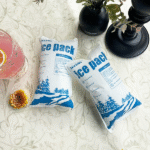
Los compradores de alimentos suelen utilizar el paquete de hielo seco como término general para el envío de refrigerantes.. Ese atajo oculta la diferencia entre el hielo seco real, paquetes de sábanas hidratadas, paquetes de gel, y PCM. Esos materiales se comportan de manera diferente en un transportista y no son intercambiables en todas las categorías de alimentos..
Una búsqueda dirigida por proveedores generalmente significa que necesita capacidad técnica, producción repetible, y una respuesta clara sobre cómo se adapta el paquete al transportista., no solo una cotización de precio.
Cuándo encaja una bolsa de hielo seco y cuándo no
Una mochila estilo hielo seco es adecuada cuando el estado del producto y la ruta realmente lo justifican.. Eso generalmente significa un objetivo congelado o un carril inusualmente severo que ha sido pensado como un sistema completamente aislado.. Esto no significa que el frío más profundo sea automáticamente más seguro.. En logística alimentaria, La fuente de frío incorrecta puede provocar daños por congelación., condensación, pérdida de calidad, o complejidad de manejo innecesaria. El paquete debe evaluarse como parte del diseño total.: temperatura inicial del producto, aislamiento, espaciado interno, duración, cambios ambientales, y condiciones de recepción.
El verdadero hielo seco es una buena opción para los verdaderos programas de alimentos congelados y algunas líneas severas.. Es un ajuste más débil cuando el producto simplemente está frío o su calidad es sensible al frío intenso.. Muchos programas alimentarios funcionan mejor cuando el proveedor ofrece más de una ruta de refrigerante en una misma relación..
Solución única para frío intenso: Modelo operativo sencillo. Limitación principal: A menudo se especifican en exceso y pueden no ser adecuados para alimentos refrigerados o sensibles a la calidad..
Estrategia de refrigerante segmentada: Coincide con las clases de alimentos con mayor precisión. Limitación principal: Requiere una mejor lógica de SKU y disciplina de embalaje.
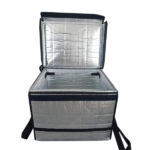
Transportador aislado más refrigerante moderado: Útil para alimentos refrigerados y carriles moderados.. Limitación principal: No es suficiente para rutas verdaderamente congeladas.
Sistema aislado reutilizable: Posible reducción de residuos en carriles estables. Limitación principal: Necesita logística inversa y control de limpieza..
Construya el paquete alrededor del producto., no es el nombre del paquete
La logística mixta de alimentos es un ejercicio de segmentación. Empiece por agrupar los productos en congelados., enfriado, fresco pero no congelado, y clases ambientalmente estables. Luego piensa en la longitud de la ruta., exposición al portador, riesgo de fuga, aislamiento, y qué condiciones de llegada espera el cliente.
La logística de alimentos implica tanto pensar en la seguridad como en la calidad del producto.. La temperatura afecta la vida útil, textura, estado de deshielo, y apariencia, pero el umbral relevante cambia entre productos. Un refrigerante adecuado para platos principales congelados puede ser un desperdicio o ser perjudicial para productos lácteos refrigerados o productos frescos en la misma red..
La logística alimentaria aún necesita control de fugas, integridad del paquete exterior, y manipulación segura de los alimentos. Si se utiliza hielo seco verdadero, La documentación de manipulación y transporte cobra mayor importancia., y algunas categorías de productos, como mariscos vivos, puede descartar el uso del hielo seco incluso si otros productos congelados lo utilizan eficazmente.
El refrigerante es sólo una parte de la respuesta. El sistema de paquetes es igualmente importante: tipo de aislamiento, tamaño de la caja, espacio muerto interno, colocación del paquete, espaciadores, divisores, capas absorbentes, y la temperatura inicial de la carga útil dan forma al resultado.. Dos proveedores pueden ofrecer pesos de paquetes congelados similares y aun así producir resultados de carga útil muy diferentes porque un sistema gestiona el flujo de calor y los puntos fríos locales mejor que el otro.. Para compradores B2B, es por eso que una conversación a nivel de sistema suele ser más útil que una conversación solo de componentes.
Un marco de compra práctico
Un marco de compra práctico comienza con cinco preguntas. ¿Qué condiciones de temperatura debe alcanzar el producto en el momento de la entrega?? ¿Cuánto dura la exposición realista puerta a puerta?? ¿Cuál es el ambiente más cálido y más frío que puede ver la ruta?? ¿Cuánta variación de empaque puede tolerar su operación?? ¿Y cómo sería realmente el fracaso?: descongelación, congelación, fuga, pérdida de apariencia, o simplemente exceso de costo de embalaje? Cuando esas preguntas se responden primero, Las recomendaciones de los proveedores se vuelven mucho más fáciles de juzgar..
Solicite datos que reflejen cómo funciona realmente su operación.. Una declaración de tiempo de espera significa poco a menos que conozca la masa de la carga útil., el desafío ambiental, la definición de pasa-falla, y el método de condicionamiento detrás de esto. Las preguntas más útiles son cómo se comporta la carga útil cerca de las caras frías., ¿Qué sucede después de un retraso en la ruta?, y si el paquete permanece dentro del rango previsto después de repetidos impactos ambientales. En la práctica, La disciplina de un proveedor al explicar los supuestos a menudo dice más que la afirmación principal de desempeño..
Éxito de las adquisiciones en embalaje de cadena de frío A menudo depende de la coherencia más que de una muestra impresionante.. Un piloto con buen desempeño aún puede fracasar a escala si la película de producción, relleno de gel, formulación PCM, dimensiones del cartón, o los pasos de acondicionamiento varían con el tiempo. Es por eso que la evaluación de proveedores debe abarcar la coherencia entre la muestra y la producción., control de cambios, practicidad en la línea de embalaje, y manejo de almacenamiento además del rendimiento térmico puro.
El mejor proveedor en logística alimentaria suele comportarse como un socio del programa de embalaje, no solo un vendedor de paquetes. Pregunte si pueden soportar alimentos congelados., enfriado, y aplicaciones de enfriamiento moderado bajo un marco y si ayudan a definir la lógica de empaque por ruta y clase de producto.
¿Qué clases de alimentos puede admitir su gama de paquetes?: congelado, enfriado, fresco pero no congelado, o productos ambientales sensibles al calor?
¿Ofrecen múltiples formatos de refrigerantes y opciones de embalaje aislado bajo un único programa de proveedores??
¿Qué supuestos de carga útil, perfiles ambientales, y las definiciones de tiempo de espera respaldan sus recomendaciones?
¿Cómo se aborda el control de fugas?, absorbencia, e integridad de la caja para diferentes categorías de alimentos?
Herramientas útiles para tomar decisiones
Comprueba los detalles antes de elegir el embalaje.
Estas herramientas rápidas pueden ayudarle a comparar el riesgo de la ruta, necesidades de dimensionamiento, opciones de refrigerante, y detalles del embalaje antes de solicitar una cotización.
Generador de lista de cumplimiento
Cree una lista de verificación práctica para la revisión del embalaje, envío, y documentación.
Crear lista de verificaciónRevestimiento de caja & Dimensionamiento de la cubierta de paleta
Lógica de tamaño de revestimiento de cajas y cubiertas de paletas para proyectos de embalaje aislado.
Estimar el tamañoReferencia del material aislante
Compare opciones de materiales aislantes para diferentes necesidades de embalaje de la cadena de frío.
Comparar materiales¿Se puede estandarizar el embalaje para la mano de obra del almacén sin simplificar demasiado las diferencias entre productos??
¿Cuáles son las MOQ?, Tiempos de entrega, y opciones personalizadas para picos estacionales?
¿Cómo se gestiona la coherencia de las especificaciones y el control de cambios en los pedidos repetidos??
¿Puede ayudarnos a ajustar el tamaño del paquete para reducir costos y desperdicios sin exponer los alimentos a riesgos adicionales??
¿Qué impulsa el costo real?
El programa de embalaje más caro a menudo no es el que tiene el precio unitario más alto.. Es el que parece económico hasta que cuentas el deterioro., reenvíos, manejo de quejas, espacio extra en el congelador, peso dimensional, y tiempo perdido en empaques incómodos. En adquisiciones de cadena de frío, El sistema correcto a menudo gana al reducir la fricción operativa tanto como al proteger la carga útil..
La sostenibilidad también se vuelve más clara cuando el paquete se adapta correctamente al producto.. La sobreespecificación añade peso, desperdiciar, y uso de energía. Las especificaciones insuficientes añaden deterioro y envíos repetidos. El mejor camino suele ser ajustar el tamaño del transportista, Elija un refrigerante que coincida con la condición objetivo., y mantener el método de empaque lo suficientemente simple como para repetirlo con precisión a escala.
La logística de alimentos continúa avanzando hacia empresas más pequeñas., envíos más frecuentes, expectativas de frescura más fuertes, y un mayor escrutinio de los residuos de envases. Eso empuja a los compradores a optar por empaques más precisos en lugar de simplemente agregar más refrigerante., y aumenta el valor del tamaño correcto y una mejor segmentación de SKU.
Antes de implementar un programa completo de proveedores, ejecutar un carril piloto que utiliza los componentes de producción finales, no es una muestra hecha a mano. Empaca la carga útil real, acondicionar el refrigerante de la misma manera que lo hará el almacén, y pruebe el envío en las condiciones de ruta más realistas que pueda simular. Luego revise no solo la temperatura de la carga útil, pero también velocidad de embalaje, huella de almacenamiento, condición de recepción, y la claridad de las instrucciones de trabajo. Ese piloto generalmente le dice más sobre el éxito del lanzamiento que cualquier afirmación en un folleto..
Puntos de falla comunes
Usar una fuente fría para congelar, enfriado, y alimentos sensibles al calor con diferentes necesidades.
Comprar una bolsa de hielo seco antes de definir la clase térmica del alimento.
Ignorando las fugas, integridad estructural, y repetibilidad del embalaje.
Comparar proveedores en cuanto al costo del paquete sin verificar el deterioro, manejo de quejas, y el impacto laboral.
Asumir más refrigerante significa automáticamente un mejor diseño de logística de alimentos.
Detalles operativos que los compradores no deben omitir
La disciplina operativa es importante porque el mejor diseño térmico aún puede fallar si el almacén no puede repetirlo.. En logística alimentaria, Los compradores deben preguntar cómo se almacena el refrigerante., cuanto tiempo se tarda en acondicionar, cuál es la ventana de ensamblaje aceptable una vez que el paquete sale del almacenamiento congelado, y si las instrucciones de trabajo son realistas para las personas que realmente construyen el envío.. Una búsqueda dirigida por proveedores generalmente significa que necesita capacidad técnica, producción repetible, y una respuesta clara sobre cómo se adapta el paquete al transportista., no solo una cotización de precio. Una elección de embalaje que parece eficiente sobre el papel pero que resulta incómoda en la línea de embalaje a menudo se convierte en un programa costoso en la práctica..
Recibir cheques también merece atención. El producto no deja de estar en riesgo cuando la caja sale del almacén. Piensa en lo que debería ver el receptor., tocar, y registrar a la llegada. ¿Deberían verificar la integridad del paquete?, busque signos de fugas o condensación, comprobar si la fuente de frío todavía está presente, o intensificar si el producto se siente inesperadamente duro o cálido? En logística alimentaria, Una regla de recepción clara puede reducir la pérdida evitable de producto porque convierte observaciones vagas en una respuesta definida..
La huella de almacenamiento y el tiempo de preparación también son parte de la decisión de compra.. Alguno paquetes fríos necesito más espacio en el congelador, acondicionamiento más largo, o un control más estricto de primero en entrar, primero en salir que otros. Si un programa se envía en volumen, esa carga operativa puede importar casi tanto como la curva térmica. La mejor solución suele ser aquella que su equipo puede ejecutar limpiamente todos los días., no solo el que parece más fuerte en una sola prueba.
Preguntas frecuentes breves
¿Es una bolsa de hielo seco de proveedor suficiente para todas las necesidades de logística de alimentos??
No. Los productos alimenticios difieren demasiado en el requisito de temperatura., riesgo de calidad, y exposición de ruta.
¿Cuándo el hielo seco es la elección correcta??
Habitualmente para productos auténticamente congelados o rutas de frío muy exigentes, no como valor predeterminado para todos los alimentos.
¿Cuál es el mejor primer paso antes de comparar proveedores??
Clasifica tus productos en congelados, enfriado, y otros grupos térmicos, luego define el desafío de la ruta.
¿Por qué los proveedores necesitan conocer el carril??
Porque el mismo alimento puede necesitar un embalaje diferente para una entrega regional al día siguiente que para una ruta de paquetería más larga.
Comida final para llevar
La forma más segura de comprar una bolsa de hielo seco de proveedor para logística de alimentos es comenzar con los requisitos del producto y la ruta., no con el nombre del paquete. Una vez que conozca la condición objetivo, duración del tránsito, riesgo ambiental, y restricciones de embalaje, La fuente de frío adecuada se vuelve más fácil de elegir y escalar.. Los compradores que tratan el paquete como parte de un sistema de envío completo suelen obtener una mejor protección., menor desperdicio, y menos sorpresas tras el lanzamiento.
Acerca de Tempk
somos Tempk, una marca de envases de control de temperatura establecida en 2011. Nuestra gama de productos publicados incluye bolsas de hielo, bolsas aisladas y cajas, cubiertas térmicas para palets, portadores de temperatura de insulina, y personalizado embalaje con temperatura controlada Soluciones para aplicaciones alimentarias y farmacéuticas.. Nos centramos en adaptar los formatos de embalaje a la sensibilidad del producto., condiciones de la ruta, y necesidades prácticas de embalaje para que los compradores puedan elegir una configuración de cadena de frío más adecuada en lugar de depender de una fuente de frío genérica.. Para uso amplio en la cadena de frío de alimentos, Gama de productos publicados de paquetes de hielo de Tempk, bolsas aisladas, cajas aisladas, y el embalaje personalizado con temperatura controlada es relevante porque los compradores a menudo necesitan una familia de embalaje que pueda soportar más de una clase de temperatura de alimentos en lugar de un formato de refrigerante fijo..
Siguiente paso
Mapee su cartera de alimentos por clase de temperatura y riesgo de tránsito antes de comparar proveedores. Si está seleccionando proveedores, comience con su banda de temperatura objetivo, duración del tránsito, y los puntos de riesgo que más importan en la ruta.