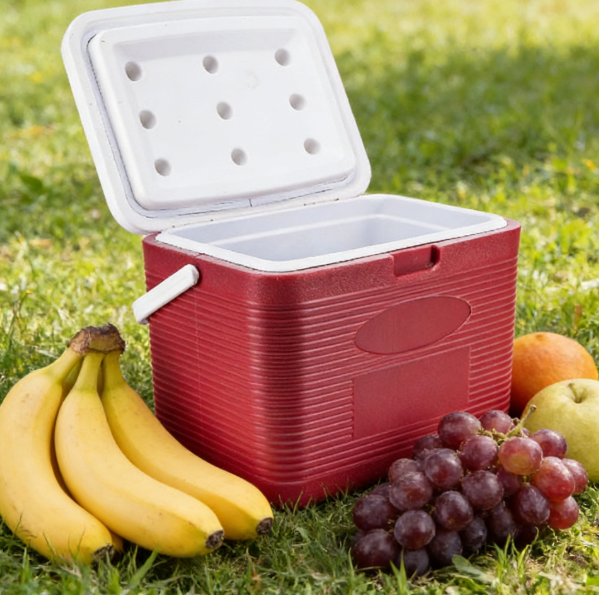
Un método de prueba primero para un contenedor de almacenamiento de EPP ecológico
La primera pregunta equivocada es si el EPP es un material ecológico.. La pregunta útil es si una solución ecológica Contenedor de almacenamiento PPE puede ofrecer un servicio definido de almacenamiento o transporte a través de repetidos, uso verificado en su red. El polipropileno expandido puede ser ligero., aislante, resiliente, y técnicamente reciclable. Esas propiedades crean opciones; no establecen el resultado. Un método de selección de prueba comienza con la protección de la carga útil, luego prueba el circuito de retorno y limpieza, y finalmente verifica la evidencia detrás de las afirmaciones ambientales y de desempeño.. Este enfoque ayuda a las adquisiciones a evitar dos errores costosos: comprar embalajes técnicos innecesarios y comprar una flota “reutilizable” que la operación no puede recuperar.
Defina lo que debe lograr un contenedor de almacenamiento EPP ecológico
Un informe ambiental debe describir un cambio que usted pueda observar.. Los ejemplos incluyen reemplazar un formato de embalaje unidireccional recurrente en una ruta cerrada., Reducir el daño a los componentes sensibles., mejorando la eficiencia del retorno vacío, extender la vida útil de una piscina existente, o crear un flujo de recuperación verificado para unidades retiradas. “Usar espuma más ecológica” no es un resultado medible.
Comience con la línea base del servicio. Registra la carga útil, necesidades de protección, volumen utilizable, patrón de envío o almacenamiento, embalaje actual, controles de daños o deterioro, y ruta al final de su vida útil. Si se trata de mercancías sensibles a la temperatura, indicar la condición requerida del producto, duración del viaje, desafío ambiental, empacar, y necesidades de seguimiento o documentación. La comparación debe mantener constante la calidad del servicio.. Un diseño más ligero que permite una mayor pérdida de carga útil no es funcionalmente equivalente, y un contenedor aislado No debe compararse con una caja simple cuando es necesario el aislamiento..
Próximo, elegir afirmaciones al nivel que la evidencia disponible pueda respaldar:
- Reclamación a nivel de material: El EPP es una espuma termoplástica que se puede reprocesar en una operación de reciclaje adecuada..
- Reclamación a nivel de diseño: El contenedor está diseñado para uso repetido e incluye funciones de inspección., identificación, o reparar.
- Reclamación a nivel del sistema: Se recogen unidades, limpiado, inspeccionado, y redistribuido a través de un bucle definido.
- Reclamación de resultados: Los datos operativos medidos demuestran el resultado dentro de un límite y período establecidos.
Cada paso necesita más evidencia que el anterior.. La reciclabilidad técnica no puede respaldar la afirmación de que las unidades se reciclen localmente. Un diseño duradero no puede demostrar una reutilización real. Un programa de reutilización no puede respaldar una declaración de carbono sin una evaluación transparente de la fabricación., giros exitosos, pérdidas, limpieza, transporte inverso, y jubilación.
Esta escala de reclamos es también un control de lavado verde.. Da marketing, sostenibilidad, obtención, y equipos de calidad un vocabulario compartido. Cuando la evidencia se detiene en la intención del diseño, decir “diseñado para reutilizar,” no “elimina el desperdicio”. Cuando aún se está desarrollando una ruta de recuperación, revelar esa limitación internamente y evitar instrucciones de eliminación que los operadores locales no puedan seguir.
Puerta de decisión uno: Demuestre un ajuste funcional
El EPP se moldea a partir de perlas de polipropileno expandido en una pieza predominantemente de células cerradas.. La estructura celular está asociada con el bajo peso., resistencia térmica, absorción de energía, resiliencia, y baja absorción de agua. El rendimiento final varía según el grado del material., densidad, fusión de cuentas, geometría de la pared, diseño de superficie, y procesamiento. Por lo tanto, el dibujo del producto y la información específica del grado son más importantes que una lista genérica de ventajas del EPP..
El ajuste funcional comienza nombrando el papel del contenedor.. Una bolsa de almacenamiento general organiza y protege los bienes.. Un contenedor de transporte protector gestiona la manipulación de cargas. Un cargador aislado ralentiza la transferencia de calor. A embalaje pasivo con temperatura controlada El sistema combina aislamiento con refrigerante o material de cambio de fase., carga útil, acondicionamiento, empacar, y cierre. Un contenedor activo agrega control motorizado. Un registrador de datos de temperatura registra la exposición. Estos productos pueden funcionar juntos., pero no son intercambiables.
Para almacenamiento ordinario y estiba industrial., Examinar cómo la carga útil entra en contacto con la espuma.. Esquinas afiladas, cargas concentradas, abrasión, aceites, y la inserción repetida puede crear daño local. Pregunte si se puede reemplazar un inserto en lugar de retirar el armazón. Compruebe las dimensiones internas más estrechas., no sólo volumen nominal, y probar el comportamiento de la pila con la carga y orientación previstas.. Manijas, interfaces de tapa, y las zonas de etiquetas son puntos comunes donde un material técnicamente bueno puede convertirse en un contenedor débil.
Para la comida, laboratorio, o ambientes controlados, traducir "limpiable" en un procedimiento. Aclarar si los contenidos están adjuntos., si se pretende el contacto directo, qué suelo se espera, qué agentes se utilizan, cómo se enjuaga y seca el conjunto, y qué daño provoca el rechazo. Las declaraciones de idoneidad son específicas de la formulación., condiciones de uso, y jurisdicción. No deben inferirse de la identidad general del polipropileno..
Para servicio de cadena de frío, un contenedor de EPP puede ser un componente aislante útil, pero ningún nombre de material establece un rango de temperatura o tiempo de retención. El rendimiento depende del espesor y la geometría., ajuste de la tapa, masa de carga útil y condición inicial, tipo de refrigerante y acondicionamiento, secuencia de embalaje, perfil ambiental, manejo, y duración. Evalúe la configuración completa frente a los requisitos del producto y el riesgo de ruta relevante.. Los perfiles térmicos estandarizados pueden respaldar el desarrollo o la calificación; no son datos personalizados automáticamente sobre el peor carril.
La puerta se cierra con una simple decisión.: ¿El EPP agrega una función que la operación realmente necesita?? Si una caja reutilizable básica realiza el trabajo con menos limpieza, devolver, o complicaciones de recuperación, seleccione el formato más simple. La eficiencia de los materiales comienza evitando especificaciones innecesarias.
Puerta de decisión dos: Hacer que la circulación sea ejecutable
A contenedor retornable es un activo que se mueve a través de estados, no es un producto que permanezca permanentemente “reutilizable”. Como mínimo, sus estados están listos, emitido, en uso, devuelto sucio o sin marcar, limpieza, inspección, reparación o cuarentena, y listo de nuevo. Asignar propiedad y una ubicación física a cada estado..
El diseño del retorno debe preceder al tamaño de la flota. Identificar quién vacía la unidad, donde se acumula, cómo está cerrado para el viaje de regreso, ¿Qué vehículo existente lo lleva?, quien lo recibe, y cómo se escalan los activos tardíos o faltantes. El cubo vacío importa. El PPE es ligero, pero un contenedor de poca masa aún puede consumir volumen de vehículos y almacén. Anidación, modularidad, colección regional, y el backhaul consolidado puede mejorar el circuito cuando los requisitos de diseño e higiene lo permitan..
La limpieza debe preservar tanto la higiene como la función.. El proceso debe especificar agentes compatibles., exposición, acción mecánica, enjuague, el secado, y criterios de liberación para el contenedor completo, incluyendo etiquetas, cierres, inserciones, y adhesivos. Separar las unidades sucias y liberadas.. Registre la contaminación u olores repetidos en lugar de lavar repetidamente un activo que debería retirarse. Si un paquete está calificado, evaluar si la limpieza, tener puesto, o componentes sustitutos podrían cambiar la configuración que fue evaluada.
La inspección convierte lo “duradero” en una decisión operativa. Los operadores necesitan fotografías o descripciones de las condiciones aceptables de desgaste y rechazo.. Los controles relevantes pueden incluir caras de sellado., retención de la tapa, manijas, bisagras, cortes profundos, pérdida de cuentas, áreas aplastadas, pandeo, material incrustado, identificación ilegible, y contaminación persistente. Definir reparaciones, piezas de repuesto aprobadas, y autoridad para entregar una unidad reparada. Una reparación que cambia el ajuste o el comportamiento térmico puede requerir revisión técnica.
El seguimiento debería responder a preguntas operativas. Un identificador único puede conectar el envío., custodia, estado de limpieza, inspección, reparar, y jubilación. El seguimiento de lotes puede ser adecuado en circuitos cerrados de menor riesgo; los usos regulados o de alto valor pueden requerir controles más estrictos. Seleccionar el método después de definir la decisión que sustenta. Una etiqueta sofisticada sin eventos de escaneo confiables proporciona menos valor que un simple identificador utilizado en cada transferencia crítica.
Herramientas útiles para tomar decisiones
Comprueba los detalles antes de elegir el embalaje.
Estas herramientas rápidas pueden ayudarle a comparar el riesgo de la ruta, necesidades de dimensionamiento, opciones de refrigerante, y detalles del embalaje antes de solicitar una cotización.
Calculadora de hielo seco
Calcule las necesidades de hielo seco para envíos congelados o ultrafríos antes de empacar.
Estimar hielo secoCalculadora de bolsa de hielo
Estimación de la cantidad de bolsas de hielo en gel para envíos refrigerados y planificación práctica de rutas.
Estimar las bolsas de hieloSelector de embalaje
Compare las opciones de embalaje aislado por producto, ruta, y necesidad de temperatura.
encontrar embalajeLa planificación del final de la vida debería indicar un camino, no solo una resina. El EPP limpio se puede reprocesar mecánicamente mediante una infraestructura adecuada, pero la aceptación real varía. Los recicladores pueden especificar la eliminación de correas o etiquetas., límites de contaminación, bandera, volumen mínimo consolidado, o formato de entrega. Confirme esos detalles para cada región. Si no hay recogida local, considerar la devolución del proveedor, un consolidador especializado, u otra ruta documentada. Donde nada es factible, registrar la eliminación honestamente y el uso que resulten en la comparación del material.
Puerta de decisión tres: Requerir evidencia que coincida con el reclamo
Los equipos de adquisiciones suelen recibir una colección de folletos., declaraciones, e informes de pruebas que describen diferentes productos o condiciones. La siguiente tabla de revisión conecta la decisión con la evidencia y expone sustituciones comunes..
| Decisión | Evidencias que pueden responderla | señal de advertencia |
|---|---|---|
| ¿La unidad propuesta se ajustará a la carga útil y al flujo de trabajo?? | Dibujo controlado, dimensiones utilizables, muestra representativa, revisión de la interfaz | Sólo se proporcionan dimensiones externas o volumen bruto. |
| ¿Puede soportar el desafío de manejo?? | Método de nivel parcial, acondicionamiento, carga útil, orientación, criterios de aceptación, y resultados | Una propiedad genérica de la resina se presenta como rendimiento del contenedor. |
| ¿Se puede limpiar y liberar el conjunto completo?? | Compatibilidad de grados y componentes, proceso documentado, límites de inspección | "Lavable" aparece sin agente, exposición, el secado, o contexto de higiene |
| ¿Un paquete de cadena de frío cumplirá con sus requisitos?? | Informe específico de configuración que cubre la carga útil, refrigerante, acondicionamiento, perfil ambiental, sensores, duración, y limites | Se utiliza una prueba de caja vacía o un valor de aislamiento como afirmación de tiempo de espera universal. |
| ¿Se aplica el contenido reciclado a esta parte?? | Fuente específica de grado, base porcentual, trazabilidad, e idoneidad técnica | La cartera de calidad reciclada de un proveedor se generaliza a todos los productos. |
| ¿Se reciclarán los contenedores retirados?? | Ruta de recolección y reprocesamiento identificada con condiciones de preparación y aceptación. | Un símbolo de reciclaje se trata como prueba de recogida local. |
| ¿Se pueden mantener los resultados después de la ampliación?? | Aprobación de muestra, controles de producción, notificación de cambio, proceso de no conformidad | No existe control sobre el material., estampación, proceso, o cambios de componentes |
La tabla ayuda a evitar errores de categoría.. La ficha técnica de un proveedor de material puede ser válida pero no puede responder si una tapa sella o una ruta está calificada.. Un resultado de laboratorio puede ser creíble pero irrelevante si la carga útil, refrigerante, o el perfil ambiental difiere. Pídale al propietario del documento que identifique la calificación exacta., revisión de parte, configuración, fecha, método, y alcance.
Las comparaciones ambientales necesitan la misma disciplina. Los estándares de evaluación del ciclo de vida exigen un objetivo y un alcance declarados, inventario, evaluación de impacto, interpretación, limitaciones, informar, y revisar. En términos prácticos, solicitar la unidad funcional, base, límite geográfico y temporal, datos primarios y secundarios, supuesto de uso exitoso, pérdida, transporte de regreso, lavado, refacción, y escenario de jubilación. Busque análisis de sensibilidad en torno a variables inciertas. Evitar una sola figura de carbono despojada de estas condiciones.
El lenguaje de cumplimiento debe ser igualmente preciso. Idoneidad para el contacto con alimentos, expectativas de distribución farmacéutica, pruebas de embalaje, y las normas sobre residuos dependen de la aplicación exacta y del mercado.. Un contenedor no cumple universalmente porque la resina base aparece en otra aplicación aprobada.. Solicite al equipo regulatorio o de calidad responsable que confirme qué evidencia se requiere y si los documentos del proveedor se aplican a la configuración comprada..
De la muestra a la escala: Un piloto medido
Imagine una organización de servicios de dispositivos médicos que reabastece consumibles sensibles a la temperatura en depósitos regionales.. Quiere un contenedor reutilizable que proteja la carga útil y reduzca los embalajes unidireccionales recurrentes. Las rutas están programadas., pero la disciplina de residencia en depósito y devolución difieren.
El equipo primero separa los requisitos.. Protección mecánica, volumen utilizable, manejo, y la identificación se aplican al contenedor. La protección de temperatura se aplica al paquete pasivo completo. El monitoreo se aplica a los registros de exposición.. La limpieza y la devolución se aplican a la operación de reutilización.. El desempeño ambiental se aplica al sistema definido en entregas exitosas..
Revisa una muestra representativa del PPE, dibujo, lista de componentes, información material, y compatibilidad de limpieza. Luego se prueba un paquete candidato en las condiciones seleccionadas para el producto y la ruta prevista.. El equipo de calidad aprueba la configuración y especifica qué cambios activarían la revisión.. No se asume ninguna duración universal de la actuación..
El piloto comienza en una ruta densa con retorno existente. Cada unidad está identificada. Los depósitos reciben instrucciones claras para el almacenamiento y la devolución en vacío., mientras que el sitio central separa el stock no controlado y el listo. Envío de registros de personal, devolver, habitar, limpieza, inspección, reparar, rechazo, y perdida. También capturan el movimiento de retorno vacío y cualquier uso de embalaje sustituto cuando la piscina no está disponible..
despues del piloto, el equipo no pregunta sólo si los contenedores sobrevivieron. Pregunta si regresaron a tiempo., si la capacidad de limpieza coincidía con la demanda, ¿Qué áreas se desgastaron primero?, si el grupo creó retrasos operativos, si la protección de la carga útil seguía siendo aceptable, y si la ruta de retiro aceptó el material según lo planeado. Prueba las conclusiones ambientales comparándolas con los giros y devoluciones observados en lugar del potencial teórico de reutilización de un proveedor..
La escala es condicional. La ruta densa puede continuar, un segundo carril puede necesitar más recursos o un punto de lavado regional, y un carril remoto puede permanecer en un solo sentido. La aprobación de producción bloquea el dibujo correspondiente., calificación, componentes, y criterios de aceptación, con notificación esperada antes de los cambios. El piloto se convierte en un modelo de gestión, no es un estudio de caso promocional.
Preguntas frecuentes
¿Es el EPP ambientalmente mejor que el embalaje de cartón corrugado??
No hay una respuesta universal. El EPP puede proporcionar aislamiento, amortiguación, y uso repetido, mientras que los envases de cartón corrugado pueden ofrecer una ruta de recuperación unidireccional más sencilla en algunos mercados. Compare la protección de carga útil equivalente con respecto al sistema de distribución real. Incluir la producción de materiales., usos exitosos, pérdida de producto, limpieza, devoluciones vacías, refacción, y tratamiento local al final de la vida. La estructura de la ruta a menudo cambia el resultado..
¿Cuántas veces se puede reutilizar un contenedor de EPP??
No se puede inferir un recuento de reutilización defendible a partir del nombre del material.. Calificación, densidad, diseño, carga, impacto, abrasión, limpieza, exposición, mantenimiento, y la pérdida afecta el servicio. Los proveedores pueden proporcionar información de prueba relevante., pero los compradores deben definir reglas de inspección y retiro y medir los giros completados en su propio circuito.. No publique un reclamo de bicicleta sin evidencia del contenedor y las condiciones exactas..
¿El aislamiento de EPP elimina la necesidad de un registrador de temperatura??
No. El aislamiento ralentiza la transferencia de calor, mientras que un registrador registra la exposición ambiental según su configuración. Si se requiere monitoreo depende del riesgo del producto, procedimientos de calidad, ruta, estrategia de calificación, y expectativas aplicables. Ni el aislamiento ni un registrador sustituyen a un paquete diseñado adecuadamente. Confirmar la precisión del dispositivo, estado de calibración, colocación, intervalo, alarmas, y revisión de datos para el uso específico.
Qué se debe confirmar antes de un pedido al por mayor?
Confirmar el dibujo controlado y el espacio utilizable., identidad del material y del componente, criterios de muestra a producción, Compatibilidad de manipulación y limpieza., condiciones de prueba relevantes, identificación, piezas de reparación, notificación de cambio, devolver la propiedad, y ruta de retiro verificada. Para uso en cadena de frío, aprobar el paquete completo y la evidencia de respaldo por separado. Detalles comerciales desconocidos, como el plazo de entrega., personalización, o se debe solicitar una cantidad mínima en lugar de asumirla.
Conclusión: Escale sólo lo que pueda operar y probar
EPP ofrece una plataforma de material útil para materiales ligeros, protector, aislante, y diseños de contenedores reutilizables. El caso medioambiental se crea fuera del folleto de materiales.. Depende de seleccionar solo las funciones que necesitas, recuperar activos, limpiarlos e inspeccionarlos, preservando cualquier configuración calificada, y encaminar el material retirado a un proceso disponible. Relacione cada afirmación con su nivel de evidencia, pilotar un carril representativo, y probar el resultado contra pérdidas y logística inversa. Un contenedor de almacenamiento de EPP ecológico obtiene esa descripción gracias a un servicio medido, no a través de la reciclabilidad en teoría.
Acerca de Tempk
suministros temporales embalaje de cadena de frío opciones que pueden incluir formatos EPP aislados, estándar paquetes de gel y opciones de materiales de cambio de fase diseñados, y soporte de pruebas o diseño de paquetes. Trabajamos desde las condiciones de envío hacia el exterior., considerando la carga útil, condición de temperatura requerida, ruta, traspaso, refrigerante, escucha, y documentación. Ese enfoque ayuda a los compradores a separar la función del gabinete EPP del desempeño del sistema completo e identificar qué supuestos aún necesitan pruebas o aprobación de calidad..
Comience con un carril: Comparte la carga útil, ruta, patrón de retorno, y requisitos de temperatura con Tempk para enmarcar una evaluación práctica antes de comprometerse a escalar.