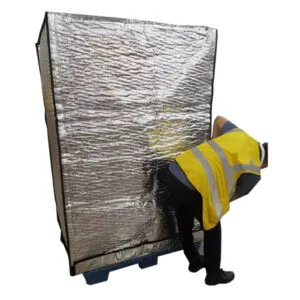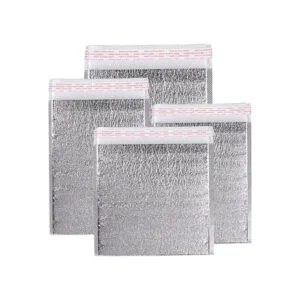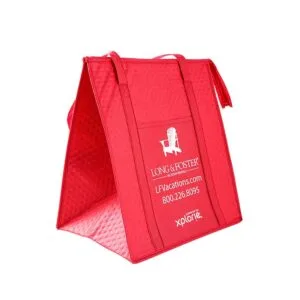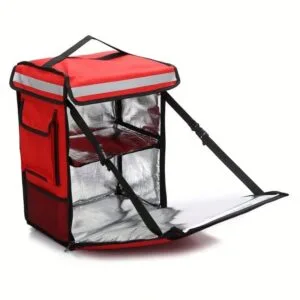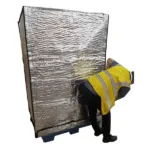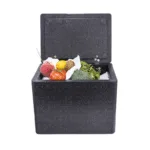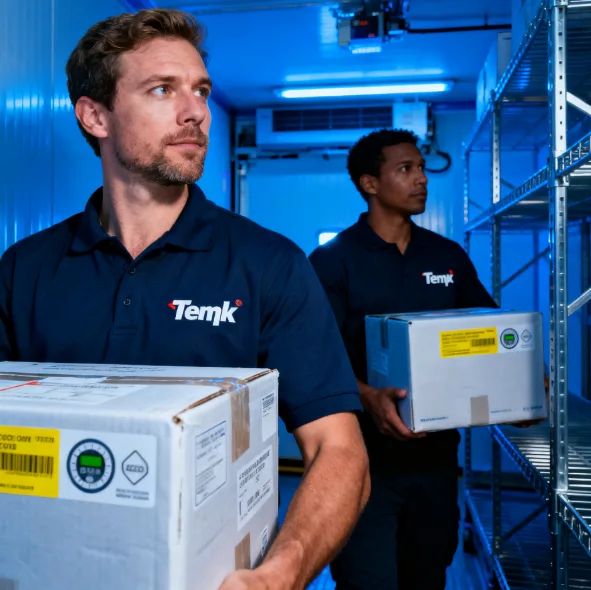
Cuidado de la salud embalaje de cadena de frío should be selected from the product requirements outward, not from a catalog of boxes inward. The correct system depends on what is being shipped, the allowable temperature exposure, geometría de carga útil, duración de la ruta, riesgo estacional, pasos de manejo, and the evidence the quality team requires. un paquete de gel, revestimiento aislado, shipping case, and data logger can all be useful components, but none of them alone proves that a shipment is protected.
This system-level view is consistent with the World Health Organization model guidance for time- y productos farmacéuticos sensibles a la temperatura, which addresses storage and distribution while recognizing that local legislation takes precedence. It is also reflected in the European Union Good Distribution Practice guidelines, which link packaging selection to product requirements, espacio de carga útil, anticipated temperature extremes, tiempo máximo de tránsito, y estado de calificación.
Control de llave
- Start with the product-specific acceptance condition, not a standard box or familiar temperature range.
- Qualify the complete packout against defined payload, ruta, ambiente, duración, y manejar suposiciones.
- Control assembly, recepción, excursiones, reutilizar, and change so performance remains inside the tested operating envelope.
Comience con el requisito del producto
The phrase healthcare product covers medicines, biológicos, vacunas, Materiales de diagnóstico, suministros clínicos, and some medical devices. These categories do not share one universal temperature range or one regulatory pathway. The shipping specification must therefore begin with the approved label, instrucciones del fabricante, datos de estabilidad, acuerdo de calidad, or other controlled product requirement that applies to the actual product and market.
The quality team should convert that requirement into a transport acceptance statement. It needs to define the acceptable product temperature conditions, whether freezing is prohibited, whether light or humidity matters, what constitutes an excursion, who may release affected product, and what evidence must accompany a shipment. A broad instruction such as keep cold is not enough to design or qualify a packout.
| Input to define | Why it changes the packaging decision | Pruebas a solicitar |
|---|---|---|
| Condición del producto | Defines the acceptable range, sensibilidad a la congelación, orientación, protección de la luz, y límites de manejo. | Etiqueta aprobada, prospecto, datos de estabilidad, or controlled product specification. |
| Carga útil | Masa, dimensiones, espacio vacío, and thermal mass change heat flow and coolant balance. | Minimum and maximum load drawings, usable payload dimensions, and representative samples. |
| Ruta | Tránsito, centros, aduanas, fines de semana, puerta de entrada, and failed delivery determine the time at risk. | Mapa de carriles, service data, subsidio de demora, puntos de transferencia, y horas de recepción. |
| Exposición ambiental | Estación, origen, destino, vehículos, rampas de aviones, and uncontrolled hubs shape the challenge profile. | Route temperature data or a justified laboratory profile. |
| Quality requirement | Determines the qualification protocol, plan de seguimiento, proceso de desviación, y retención de registros. | Protocolo aprobado, criterios de aceptación, informes, registros de calibración, y cambiar la historia. |
Define the Packaging as a System
A passive healthcare shipper normally combines an outer container, aislamiento, material refrigerante o de cambio de fase, espacio de carga útil, spacers or barriers, and a controlled assembly method. An active system uses powered heating or cooling. The choice between them is not a simple contest between high and low performance. Passive systems can be practical for parcel routes and defined durations, while active systems may be justified for large loads, largos períodos de permanencia, acceso repetido, or lanes where powered control and telemetry provide operational value.
El aislamiento ralentiza la transferencia de calor; it does not create a target temperature. Coolant absorbs or releases heat; it does not by itself make a shipment qualified. A temperature logger records conditions at its sensing location; no protege la carga útil. The complete packout only has meaning when component selection, acondicionamiento, colocación, configuración de carga útil, cierre, and route assumptions are documented together.
Separate coolant selection from temperature claims
A base de agua paquetes de gel, materiales de cambio de fase diseñados, frozen bricks, y hielo seco comportarse diferente. The correct option depends on the target condition and on product sensitivity. A coolant that is much colder than the acceptable product temperature can create a local freezing risk even when the average air temperature in the shipper appears acceptable. Barreras, espaciado, acondicionamiento, and pack placement should therefore be part of the design, not left to operator judgment.
Treat payload space as an engineering variable
Usable payload volume is more important than nominal external dimensions. A small payload inside a large cavity may experience different airflow and temperature gradients than a full payload. If the system will ship multiple configurations, each allowed load pattern needs a documented basis. The team should not assume that evidence for a full case automatically covers a nearly empty case, or the reverse.
Match Evidence to the Decision
Supplier data should answer a specific question. A material datasheet may support insulation or coolant properties. A chamber test may show how a defined packout performed under a stated ambient profile. A qualification report may support repeatable use within specified boundaries. None of those documents alone guarantees every route or every product. Buyers should check whether the tested payload, empacar, acondicionamiento, colocación del sensor, perfil ambiental, duración, and acceptance limits match the intended shipment.
Herramientas útiles para tomar decisiones
Comprueba los detalles antes de elegir el embalaje.
Estas herramientas rápidas pueden ayudarle a comparar el riesgo de la ruta, necesidades de dimensionamiento, opciones de refrigerante, y detalles del embalaje antes de solicitar una cotización.
Generador de lista de cumplimiento
Cree una lista de verificación práctica para la revisión del embalaje, envío, y documentación.
Crear lista de verificaciónRevestimiento de caja & Dimensionamiento de la cubierta de paleta
Lógica de tamaño de revestimiento de cajas y cubiertas de paletas para proyectos de embalaje aislado.
Estimar el tamañoReferencia del material aislante
Compare opciones de materiales aislantes para diferentes necesidades de embalaje de la cadena de frío.
Comparar materialesFor one jurisdiction-specific example, Health Canada's guidance on environmental control during drug storage and transportation states that drugs should be transported according to labeled or data-supported conditions, calls for documented excursion decisions, and defines a qualified shipping package in terms of documented testing against acceptance criteria. The document is guidance for Canada, not a universal legal rule, but its evidence logic is useful for supplier review.
Ask what the test does not cover
A credible report should make exclusions visible. It may cover one box size, one payload load, one orientation, one conditioning process, or one summer and winter profile. It may not cover partial loads, reused components, unusually long customs holds, or a new courier service. These are not minor footnotes. They define the operating envelope of the system.
Control the Packout in Daily Operations
A design that works in a chamber can still fail during assembly or receipt. The packout instruction should specify component identity, preconditioning temperature and time, orden de carga, posición de carga útil, colocación de barrera, logger location when used, método de cierre, etiquetas, and maximum time allowed outside controlled storage. Photographs or diagrams can reduce ambiguity, but they should be version controlled with the written instruction.
The operating process should also address receiving and excursions. The consignee needs to know who should receive the package, how quickly it must be transferred to controlled storage, que inspeccionar, how to read any indicator or logger, and whom to contact before using or discarding affected product. A courier delivery scan is not proof that the product remained within its acceptance conditions.
Plan for change
Cambios en el aislamiento., formulación de refrigerante, proveedor, dimensiones de la caja, carga útil, secuencia de montaje, ruta, servicio de transportista, or monitoring device can alter performance. A change-control review should decide whether the evidence remains applicable or whether additional testing is required. Reuse also needs a defined inspection and retirement process; the word reusable does not establish thermal performance after damage, exposición a la humedad, o manipulación repetida.
Use a Practical RFQ for Supplier Comparison
A useful request for quotation gives suppliers enough information to propose a system and enough structure for the buyer to compare evidence. Include the following fields:
- Product storage or transport condition and prohibited exposures
- Minimum and maximum payload dimensions, masa, and allowed orientations
- Origen, destino, tipo de ruta, servicio de transportista, y puntos de transferencia
- Planned transit time plus a justified delay allowance
- Seasonal ambient profiles or route data to be used
- Passive or active system constraints, including dry ice or battery restrictions
- Required test protocol, criterios de aceptación, formato de informe, y expectativas de control de cambios
- Instrucción de embalaje, capacitación, etiquetas, escucha, recepción, and excursion workflow
The final choice should be based on fit to the approved shipping specification and the quality system, not on a headline hold time. A hold-time claim is only meaningful with its test conditions and operating boundaries.
Prepare the Information Needed for a Packaging Proposal
Before requesting a proposal, prepare the controlled product requirement, carga útil mínima y máxima, ruta, estación, duración, subsidio de demora, y expectativas de evidencia. These inputs allow a packaging supplier to propose a testable configuration instead of an unqualified collection of components.
Referencias
The links below support the regulatory and technical boundaries discussed in this article. Local requirements and product-specific instructions still take precedence.
- WHO Technical Report Series 961 Anexo 9
- EU Guidelines on Good Distribution Practice of medicinal products for human use
- Health Canada Drug Storage and Transportation Guidance