Guía de envasado de cadena de frío de filetes de pescado blanco para entrega de mariscos
Embalaje de cadena de frío guía para filetes de pescado blanco, cubriendo manipulación en frío, control de goteo y olores, preenfriamiento, protección de presión, colocación de refrigerante, duración de la ruta, pérdidas comunes, y selección de paquetes Tempk.
Por qué los filetes de pescado blanco necesitan un envase específico para marisco
Los filetes de pescado blanco son delicados y magros.. necesitan un resfriado, limpio, embalaje de baja presión que controla el goteo y el olor sin secar ni marcar la superficie del filete. El embalaje de productos del mar debe proteger conjuntamente la temperatura y la calidad visible de recepción.. Un paquete puede llegar frío pero aun así fallar si tiene fugas, huele cálido, aplasta el producto delicado, o moja la caja exterior.
El envasado debe partir de un producto frío., use un forro interior apto para mariscos, mantenga el refrigerante separado del paquete de mariscos, e incluir la recepción de controles de temperatura., olor, goteo, textura, y condición del cartón.
Herramientas útiles para tomar decisiones
Comprueba los detalles antes de elegir el embalaje.
Estas herramientas rápidas pueden ayudarle a comparar el riesgo de la ruta, necesidades de dimensionamiento, opciones de refrigerante, y detalles del embalaje antes de solicitar una cotización.
Calculadora de bolsa de hielo
Estimación de la cantidad de bolsas de hielo en gel para envíos refrigerados y planificación práctica de rutas.
Estimar las bolsas de hieloComprobador de riesgos de ruta
Revise las condiciones del carril antes de seleccionar el embalaje para requisitos operativos reales..
Comprobar riesgo de rutaReferencia del material aislante
Compare opciones de materiales aislantes para diferentes necesidades de embalaje de la cadena de frío.
Comparar materialesTabla de requisitos de embalaje
| Factor de cadena de frío | Requisito de filetes de pescado blanco |
|---|---|
| Temperatura objetivo | 0-2 C refrigerado para filetes de pescado blanco fresco |
| Humedad y condensación | Moderado a alto; controlar el goteo, transferencia de olores, cartones mojados, y daños en la etiqueta |
| Preenfriamiento | Cargue los filetes desde el almacenamiento en frío y mantenga los paquetes cerrados hasta la carga final. |
| Presión de embalaje | Medio a alto. Los filetes magros pueden abrirse, escama, o mostrar marcas de presión desigual |
| Posición del refrigerante | Utilice paquetes de gel superiores o laterales con un divisor y una capa absorbente.; Evite la presión directa del hielo sobre los filetes. |
| Duración del tránsito | el mismo día para 48 h rutas enfriadas después de la validación de la ruta |
| Pérdidas comunes | olor cálido, boquiabierto, fuga de goteo, secado de superficies, empacado del paquete, y mala apariencia del filete |
| Respuesta del embalaje Tempk | Transportador de mariscos con aislamiento Tempk y revestimiento sellado, almohadilla absorbente, soporte de bandeja plana, paquetes de gel separados, y registrador de productos |
Notas de diseño de ruta
Mapea cada punto cálido de la ruta: tiempo de banco de embalaje, traspaso de operador, permanencia en el centro de clasificación, vehículo de entrega habitar, y retraso del receptor. Los mariscos con mucha humedad o de tamaño pequeño pueden calentarse y filtrarse más rápido que los filetes densos., por lo que el diseño interior debe aprobarse con el paquete de venta real.
Utilice revestimientos sellados, capas absorbentes, soporte de bandeja, y separados paquetes de gel donde sea necesario. Para mariscos vivos, Evite el contacto con la congelación y el agua estancada.. Para mariscos procesados refrigerados, centrarse en la temperatura del producto, control de goteo, control de olores, y sequedad del paquete.
recomendación temporal
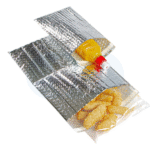
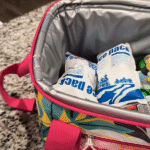
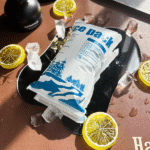
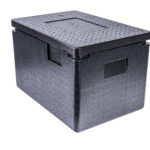
Un paquete típico de mariscos Tempk utiliza un cargador aislado, paquetes de gel acondicionados o mariscos bolsas de hielo, revestimiento a prueba de fugas, almohadilla absorbente, divisor de producto, separador de refrigerante, y un registrador a nivel de producto. Aprobar el embalaje después de comprobar la temperatura., olor, goteo, textura, daños en la carcasa o bandeja, y sequedad del cartón después de la ruta real.