Los envíos de sangre entera necesitan una vía refrigerada controlada y una cuidadosa protección física. El paquete debe mantener la carga útil dentro del rango aceptado por el establecimiento autorizado., proteger la bolsa y los segmentos, mantener las etiquetas legibles, y proporcionar registros que respalden las decisiones de recepción o devolución. Un paquete de sangre completa no es lo mismo que un paquete de alimentos o medicamentos porque es posible que el equipo receptor deba inspeccionar la evidencia de temperatura., condición del sello, integridad del segmento, y condición visible del producto antes del lanzamiento.
Datos de planificación del transporte de sangre total
| Rango de temperatura típico | El almacenamiento es comúnmente 1-6 do, con controles de envío a menudo planificados alrededor 1-10 C cuando lo permita el SOP del establecimiento autorizado. |
|---|---|
| Humedad y condensación | Mantener etiquetas, envuelve, bolsas secundarias, y el papeleo seco; La condensación puede dificultar la inspección visual y la revisión de la cadena de custodia.. |
| Preenfriamiento | Acondicionar previamente el transportista aislado, espaciadores de carga útil, y refrigerante antes de cargar; No utilice el transportador para bajar el producto caliente.. |
| Presión de embalaje | Sostenga la bolsa de sangre sin presionar el tubo., puertos, o accesorios de segmentos contra refrigerante congelado o paredes duras. |
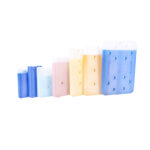
| Posición del refrigerante | Utilice compresas frías acondicionadas con una capa amortiguadora.. Evite el contacto directo del congelamiento con la bolsa., tubería, o puertos. |
| Duración del transporte | Utilice rutas locales y regionales validadas, con posiciones de registrador en el núcleo de carga útil y en el borde orientado a la pared. |
| Pérdidas comunes | Temperaturas fuera de rango, riesgo de contacto por congelación, etiquetas mojadas, abrasión de la bolsa, estrés portuario, registros faltantes, y rechazó decisiones de regreso al inventario. |
| Ajuste del embalaje Tempk | Transportador médico aislado, PCM acondicionado o paquetes de gel, capa de amortiguamiento, forro absorbente, inserto de soporte para bolsa, sello de manipulación, y registro de registro. |
Por qué la sangre total necesita su propio envase
La sangre entera puede ser vulnerable tanto a la exposición al calor como al contacto con el frío. Agregar más refrigerante congelado puede crear un nuevo riesgo si una bolsa, tubo, o segmento descansa contra una superficie congelada. La carga útil debe amortiguarse y mantenerse en una cavidad estable para que la bolsa no se deslice., doblar bruscamente, o presionar contra paquetes fríos durante la vibración de la carretera, clasificación de mensajería, o llevar en la mano.
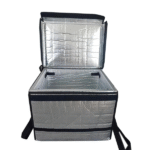
Para distribución validada, Tempk usaría un calificado cargador aislado con refrigerante acondicionado, protección absorbente, un inserto de soporte para bolsa, y al menos un registrador en la zona del producto. Las rutas más largas o de mayor riesgo deben incluir un registrador de borde cerca del punto más cálido o más frío esperado.. Los cheques recibidos deben cubrir los datos de temperatura., condición del sello, abrasión de la bolsa, apariencia visible, legibilidad de la etiqueta, y tiempo de ruta.
Herramientas útiles para tomar decisiones
Comprueba los detalles antes de elegir el embalaje.
Estas herramientas rápidas pueden ayudarle a comparar el riesgo de la ruta, necesidades de dimensionamiento, opciones de refrigerante, y detalles del embalaje antes de solicitar una cotización.
Referencia del material aislante
Compare opciones de materiales aislantes para diferentes necesidades de embalaje de la cadena de frío.
Comparar materialesrefrigerante & Referencia PCM
Compare las opciones de refrigerante y PCM cuando una ruta necesite soporte de temperatura adicional.
Comparar opcionesRevestimiento de caja & Dimensionamiento de la cubierta de paleta
Lógica de tamaño de revestimiento de cajas y cubiertas de paletas para proyectos de embalaje aislado.
Estimar el tamañoEnfoque Tempk recomendado
Comience desde el POE del establecimiento y la etiqueta del componente.. Definir el rango permitido, tiempo máximo de ruta, ubicación del registrador, y criterios de aceptación antes de seleccionar la masa de refrigerante. Utilice una capa intermedia entre el producto y cualquier refrigerante congelado., y utilizar un cierre a prueba de manipulaciones cuando la cadena de custodia sea importante. La prueba final debe incluir el recuento real de bolsas., temperatura inicial, acondicionamiento del refrigerante, tamaño del listón, perfil ambiental, y proceso de recepción.
La regulación de productos sanguíneos eCFR incluye requisitos para el almacenamiento y los rangos de envío de sangre completa., y también enfatiza la integridad del contenedor., archivos, e inspección. El empaquetado Tempk debería soportar esos flujos de trabajo; no reemplaza los procedimientos ni la responsabilidad regulatoria del establecimiento de sangre autorizado.