Keeping perishable products safe isn’t just about storage; it’s about continuous cold chain control. Par 2025 the global cold chain market is booming, yet losses remain high because many supply chains still lack real time control and monitoring. Recent reports show temperature controlled goods worth more than USD 2.7 trillion were shipped in 2022, with trucks handling 90 % of the volume. En même temps, innovations like AI driven routing, blockchain traceability and sustainable packaging are transforming the industry. This guide answers your biggest questions about cold chain control, explains how to implement it effectively, and highlights the latest trends as of November 2025.
What is cold chain control? A simple explanation of how controlling the cold chain protects product quality and safety.
How do cold chain control points work? Critical stages where temperature and handling must be carefully managed.
Which technologies improve cold chain control? Overview of IoT sensors, IA, blockchain and digital twins driving modern control towers.
How can you implement a control tower strategy? Practical steps for setting up monitoring, compliance and contingency plans.
Que sont les 2025 tendances? Insights into sustainability, regulation and market growth shaping cold chain control.
What is cold chain control and why does it matter?
Cold chain control is the coordinated management of temperature, humidity and handling across the entire supply chain for perishable goods. It goes beyond making high quality products; it ensures that quality and integrity are preserved from manufacture to the final user. Pharmaceutical quality consultants note that cold chain control keeps medicinal products compliant with current Good Manufacturing Practice (GMPc) while maintaining quality throughout shipping and distribution. En logistique alimentaire, a cold chain is defined as “the continuity of successively employed means to maintain the temperature of foods from receiving through processing, transport, storage and retailing”. When control fails, the consequences are significant: estimates suggest more than 25 % of vaccines arrive degraded due to mishandling, and each food recall in the U.S. costs companies about USD 10 million.
Effective cold chain control matters because temperature deviations, delays or mishandling can destroy product potency and erode trust. Temperature sensitive goods such as biologic medicines, produits frais, fruit de mer, flowers and speciality chemicals require strict temperature windows. Par exemple, biologics often need to be kept between 2 °C et 8 °C, while some cell and gene therapies require ultra cold storage at −70 °C or below. A two hour delay or a single degree off can compromise product integrity. Maintaining control at every node—manufacturing, conditionnement, stockage, transport and delivery—prevents spoilage, reduces waste and ensures compliance with regulatory standards.
Critical control points in the cold chain
Cold chain control points are locations where temperature and environmental conditions must be carefully regulated. These include production facilities, packaging lines, storage warehouses, transport vehicles and points of sale. Industrial consultants emphasise that successful cold chain control requires qualification of packaging lines, shipping validation and facility mapping to ensure compliance. Shipping validation plans define responsibilities, describe shipping materials, map processes, assess risk and include protocols for testing under various temperature extremes. Facility mapping documents temperature and humidity profiles throughout storage areas, identifies zones unsuitable for sensitive products and assesses recovery time after power failures.
The table below summarises common risk categories and their impacts on pharmacies and food logistics based on industry research. It shows why each control point must be managed proactively.
| Catégorie de risque | Exemple | Impact sur vos opérations | Votre point de relance |
| Excursions de température | Vaccines or frozen foods exposed outside the 2 °C–8 °C or frozen ranges | Degraded potency, rappelle, perte de produit, atteinte à la réputation | Install continuous monitoring and validated equipment to detect deviations and take corrective action |
| Retards d'expédition & perturbations | Catastrophes naturelles, traffic or bottlenecks | Late deliveries jeopardise treatment schedules or shelf life; costly replacements | Diversifier les transporteurs, plan contingency routes and maintain buffer stocks |
| Dommage & mauvaise manipulation | Vibrations ou chocs pendant le transport | Broken seals or compromised packaging leading to contamination | Utilisez un emballage robuste avec absorption des chocs et formez le personnel à une manipulation appropriée |
| Vol & failles de sécurité | Diversion of high value biologics or premium foods | Perte de produit, regulatory penalties and possible patient harm | Utiliser des sceaux inviolables, restrict access and track shipments in real time |
Astuces et conseils pratiques
Perform quarterly risk assessments: Evaluate your entire process—from supplier to last mile—for temperature, risques de sécurité et de transit. Document results and update mitigation plans regularly.
Use validated packaging and equipment: Choose containers tested for your shipping durations and environmental extremes. Pour les produits ultra froids, portable cryogenic freezers can maintain −80 °C to −150 °C even in remote areas.
Formez minutieusement votre personnel: Ensure teams understand temperature ranges, data logger use and emergency protocols. Implement training drills to reduce human error.
Tirer parti de l’analyse prédictive: AI tools can forecast weather impacts, trafic et goulots d’étranglement potentiels, letting you adjust logistics proactively.
Élaborer des plans d’urgence: Create clear procedures for responding to temperature excursions or delays, including secondary routes, backup power and communication channels.
Exemple de cas réel: A regional health network handling GLP 1 agonist medications discovered that manual handling consumed 40 % of labour while only accounting for 8 % de volume unitaire. En automatisant les flux de travail de la chaîne du froid et en adoptant des réfrigérateurs de grande capacité avec scanners intégrés, le réseau a réduit les coûts de main-d'œuvre de 30 % et une meilleure précision des commandes. This illustrates how investment in automation and smart storage yields immediate efficiency gains.
How can you implement cold chain control in your operations?
Implementing cold chain control means building an infrastructure that delivers continuous visibility, rapid intervention and regulatory compliance. The approach typically involves four pillars: surveillance, optimisation, compliance and training.
Surveillance continue: Modern control towers use IoT sensors and data loggers to capture temperature, humidité et localisation en temps réel. These devices send alerts when deviations occur. Par exemple, IoT sensors installed on trucks can report unsafe temperature levels and trigger immediate corrective actions. Advanced systems integrate GPS to provide real time position tracking so logistics managers can respond quickly. Sensors also monitor shock and vibration to protect delicate cargo.
Optimisation des itinéraires et analyses prédictives: Artificial intelligence transforms cold chain logistics by analysing traffic, weather and delivery windows to generate optimised routes. AI powered route optimisation reduces transit time and fuel consumption while lowering the risk of temperature excursions. Predictive models can flag high risk lanes or times of day and suggest adding extra coolant or adjusting the route before a deviation occurs. En pratique, this means shipping managers can plan deliveries during cooler hours and avoid congested routes.
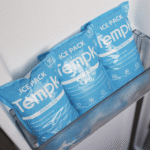
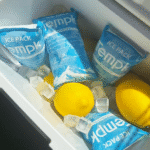
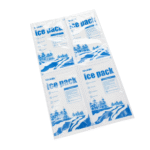
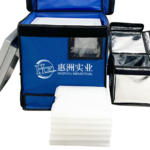
Packaging innovation and automation: Packaging suppliers now offer high performance insulated containers with vacuum panels and phase change materials that can maintain ultra cold temperatures for days. Software algorithms such as IceGen calculate the exact number of gel packs and optimal arrangement based on product temperature requirements, weather forecasts and transit time. Automation and robotics handle refrigerated drugs, lowering labour costs and improving accuracy. Portable cryogenic freezers provide –80 °C to –150 °C storage for biologics and gene therapies with built in tracking and warning systems.
Centralised control towers: Many pharmaceutical companies and 3PL providers operate control towers staffed 24/7 that aggregate data from shipments worldwide. These centres triage data using AI tools so that staff focus only on shipments needing intervention. Control towers integrate sensors, GPS and predictive models to maintain end to end visibility. This strategy ensures product quality by enabling rapid adjustments, such as instructing drivers to refill dry ice or reroute shipments before conditions compromise goods.
Technologies de surveillance en temps réel
IoT sensors and smart packaging: Les capteurs IoT enregistrent la température, humidité et emplacement en continu, sending immediate alerts when deviations occur. L'emballage intelligent intègre des capteurs, GPS and sometimes blockchain tags. Data loggers track temperature from manufacturing to delivery and provide an audit trail for regulators.
Analyses basées sur l'IA: AI systems analyse sensor data to detect anomalies and predict potential failures. Machine learning models learn normal temperature curves and raise alerts when values deviate. Predictive analytics can identify high risk shipments before they fail and suggest preventive measures.
Blockchain et jumeaux numériques: Blockchain ensures end to end traceability by recording immutable transactions. Pharmaceutical logistics experts note that blockchain provides transparent and tamper proof logs for temperature, humidité et temps de trajet. Digital twins—virtual replicas of supply chains—simulate operations and help identify vulnerabilities while supporting predictive maintenance.
Control towers and central dashboards: Control towers integrate all data streams—sensor readings, logistics information, predictive analytics and compliance records—into a single platform. They allow managers to monitor shipments, track product provenance and orchestrate responses to excursions. Such towers support proactive intervention, for example contacting a carrier to adjust cooling if a shipment’s temperature is trending upward.
Regulatory and compliance guidelines
Compliance is a core pillar of cold chain control. Dans le secteur pharmaceutique, la loi sur la sécurité de la chaîne d'approvisionnement en médicaments (DSCSA) requires electronic traceability of transaction information, histoire et déclarations. Les fabricants et les reconditionneurs doivent se conformer 27 Peut 2025, grossistes par 27 Août 2025 et grands distributeurs (chaîne de pharmacies) par 27 Novembre 2025. Under URAC 5.0 accréditation, pharmacies must define ideal temperature ranges, determine packaging and shipping durations, perform qualification testing and integrate sustainability into their practices.
Pour les produits biologiques, regulators expect companies to use qualified equipment, validate packaging and document all deviations. Bonne pratique de distribution (PIB) guidelines require qualified equipment, validated processes and systems to monitor conditions; deviations must be investigated and documented. NOUS. Réglementations FDA (21 CFR 211 et 21 CFR 203) demand distribution procedures that ensure drug quality and require that samples be stored and handled under labelled conditions. European regulations such as the Packaging & Packaging Waste Regulation limit empty space to 40 % par 2026 and set recycled content thresholds by 2030.
Formation et procédures opérationnelles standard (Sops)
Human error is a major source of cold chain breaches. Training programmes ensure that everyone involved—from warehouse workers to drivers—understands how to handle temperature sensitive goods. Experts recommend training staff on pre cooling trucks, minimising exposure during transfers, checking container seals and immediately reporting excursions. Standard operating procedures should outline steps to quarantine products after an excursion, retrieve data logs, perform a scientific assessment and decide whether to use or discard the product. En outre, training should cover new technologies such as IoT dashboards and blockchain interfaces so staff can interpret data and respond swiftly.
Implementation checklist: are you ready?
Use the following self assessment checklist to gauge your readiness for cold chain control. For each item, marquez-vous 1 (just starting), 2 (progressing) ou 3 (pleinement mis en œuvre). Total your score to identify gaps and prioritise improvements.
Real time sensor coverage: Do all cold storage units, vehicles and packages have IoT sensors or data loggers? Are alerts integrated into a central dashboard?
Predictive route optimisation: Are you using AI or route optimisation software that accounts for weather, trafic et fenêtres de livraison?
Qualified packaging and equipment: Have you validated your containers, freezers and gel pack configurations through test shipments in different seasons?
Documents de conformité: Do you maintain electronic records of transaction history, temperature logs and product provenance to meet DSCSA and GDP requirements?
Formation du personnel et SOP: Are employees trained on temperature ranges, protocoles de manipulation et intervention d’urgence? Are SOPs regularly updated?
Planification d'urgence: Do you have backup power, alternative routes and emergency communication plans for each shipment?
Notation: 15–18 = strong control, 10–14 = moderate readiness with some gaps, 6–9 = urgent improvement needed.
Latest developments and trends in cold chain control (2025)
Aperçu de la tendance
Technological innovation and sustainability are reshaping cold chain control in 2025. The global cold chain market continues to grow rapidly; research indicates it was valued at USD 228.3 milliards en 2024 et devrait atteindre USD 372 milliards 2029, représentant un TCAC de 10.3 %. The pharmaceutical cold chain alone is estimated at USD 436.3 milliards en 2025 and projected to exceed USD 1.3 mille milliards par 2034. Innovations such as AI powered routing, traçabilité de la blockchain, sustainable packaging and solar powered refrigeration are driving this growth. Entre-temps, climate change and consumer demand for transparency are pushing companies to adopt greener practices and improve end to end visibility.
Dernier progrès en un coup d'œil
Optimisation des itinéraires grâce à l'IA: AI systems adjust routes in real time based on traffic patterns, météo et fenêtres de livraison, améliorer l'efficacité et réduire la consommation de carburant.
Blockchain pour la traçabilité: Blockchain provides immutable records of product journeys, enhancing transparency and ensuring compliance. Pharmaceutical companies use blockchain to log temperature, humidité et temps de trajet, enabling regulators and patients to verify product integrity.
Réfrigération à énergie solaire: Solar powered cold storage units provide sustainable solutions in regions with unreliable electricity grids. They reduce energy costs and help reach remote communities.
Smart shipping containers and IoT: Léger, insulated containers equipped with IoT sensors monitor temperature, humidité et localisation en temps réel. Portable cryogenic freezers offer ultra cold storage with built in tracking.
Emballage durable: Expéditeurs réutilisables, biodegradable insulation and modular packaging reduce waste and align with environmental regulations. Hydrogen powered refrigeration vehicles and renewable energy facilities also lower carbon footprints.
Market insight and sustainability
International trade and e commerce are expanding cold chain opportunities. Les États-Unis. Department of Agriculture reported that U.S. baked goods exports increased from USD 3.73 milliards en 2021 en USD 4.21 milliards en 2022, with major markets in Canada, Mexique, Japon, South Korea and the Philippines. Programmes like the UK Dairy Export Programme, lancé dans 2023, highlight government support for exports valued at over USD 2.47 milliards par an. These initiatives fuel demand for advanced cold chain solutions and drive companies to invest in technology.
Sustainability is now a requirement, not an option. Latin American logistics providers note that environmental sustainability pressures cold chain operators to adopt green practices, gestion de l’énergie et résilience au changement climatique. The Move to −15 °C initiative promotes energy efficient refrigeration and aims to reduce the carbon footprint of frozen storage. Companies are adopting renewable energy at facilities, using biofuels or hydrogen for refrigerated fleets and implementing reusable packaging.
The following chart visualises projected growth in the global cold chain market from 2021 à 2034. Note the steep rise after 2024, underscoring the urgency of implementing robust control measures.
Questions fréquemment posées (FAQ)
What is the difference between cold chain management and cold chain control?
Cold chain management refers to the overall process of planning, implementing and supervising temperature controlled logistics. Cold chain control focuses on maintaining continuous temperature compliance and quality at every stage. Control emphasises real time monitoring, rapid intervention and regulatory documentation to ensure that perishable goods remain within their required conditions.
What temperature ranges are safe for pharmaceuticals?
Most biologic medicines require storage between 2 °C et 8 °C; some cell and gene therapies need ultra cold conditions of −70 °C or below. You should consult the product’s labelled specifications and stability data to define the allowed excursions; regulators may permit limited exposure to higher temperatures if supported by stability studies.
How do IoT sensors improve cold chain control?
Les capteurs IoT mesurent en continu la température, humidité et emplacement. They send alerts when conditions approach critical thresholds, allowing immediate intervention. Sensors also provide a verifiable record of temperature compliance for audits.
Que dois-je faire en cas d'excursion de température?
Immediately quarantine affected products, retrieve data logs and document the incident. Perform a scientific assessment using the product’s stability data and regulatory guidance to decide whether the product can still be used. Mettre en œuvre des actions correctives (Par exemple, adjust cooling, reroute shipment) and update your risk management plan.
What is DSCSA and how does it impact cold chain control?
La loi sur la sécurité de la chaîne d’approvisionnement en médicaments (DSCSA) est un américain. regulation requiring electronic traceability of pharmaceutical products. Les fabricants et reconditionneurs doivent se conformer d’ici mai 27 2025, grossistes d'ici août 27 2025 et grands distributeurs d'ici novembre 27 2025. DSCSA mandates package level serialization and data sharing, so your cold chain control system must capture transaction information, environmental logs and product history to meet these requirements.
Résumé et recommandations
Effective cold chain control is your insurance policy against spoilage, recalls and regulatory penalties. Les principaux points à retenir sont:
Understand critical control points: Identify where temperature, handling and security risks are highest—packaging lines, shipping lanes and storage zones—and map them thoroughly.
Investir dans la technologie: Implémenter des capteurs IoT, Routage alimenté par l'IA, blockchain and control towers to gain real time visibility and predictive capabilities.
Valider les emballages et les équipements: Use qualified containers, high performance insulation and cryogenic freezers tested for your worst case scenarios.
Assurer la conformité: Prepare for DSCSA and URAC 5.0 deadlines by implementing electronic traceability and documentation.
Prioritise training and contingency planning: Train staff on SOPs and maintain backup plans for power failures, route disruptions and emergencies.
Prochaines étapes réalisables:
Conduct a gap analysis using the readiness checklist above; prioritise areas scoring lowest.
Pilot IoT sensors and AI route optimisation on a limited lane, measure ROI and scale successful technologies.
Review DSCSA and URAC compliance requirements with your quality team; implement digital traceability systems by mid 2025.
Partner with your suppliers and logistics providers to share real time dashboards and coordinate contingency plans.
À propos du tempk
Tempk specialises in temperature controlled packaging and monitoring solutions that support robust cold chain control. Nous investissons massivement dans R&D and hold patents on reusable gel pack designs and high performance insulated liners. Our packaging solutions maintain temperatures from –50 °C to +8 °C jusqu'à 120 heures, helping clients minimise excursions and reduce waste. Our integrated sensors and cloud dashboards provide real time visibility and compliance reporting.
Appel à l'action: To discuss how Tempk can enhance your cold chain control, contact our experts for a free consultation. We’ll help you design a customised solution that meets regulatory requirements, reduces costs and improves reliability.