Emballage de la chaîne froide pour les échantillons de laboratoire et les produits biologiques, il faut effectuer deux tâches en même temps: protéger les exigences de température et protéger les personnes contre les fuites ou l'exposition pendant le transport. Une glacière pouvant contenir entre 2 et 8 °C ne suffit pas si l'échantillon n'est pas correctement confiné. Un triple emballage conforme ne suffit pas si l'échantillon se réchauffe, gèle, fuites, ou manque de documentation appropriée. Pour les expéditeurs B2B, la conception de l'emballage doit relier la classification des échantillons, objectif de température, mode de transport, endiguement, liquide de refroidissement, isolation, étiquetage, et flux de travail du récepteur.
Ce guide est destiné aux ingénieurs packaging, équipes d'exploitation du laboratoire, fournisseurs de recherche clinique, fournisseurs de kits de diagnostic, distributeurs de produits biologiques, et les équipes achats sous chaîne du froid. Il ne s'agit pas de conseils juridiques ou de formation sur les marchandises dangereuses.. Suivez toujours les réglementations applicables, exigences du transporteur, et des procédures de marchandises dangereuses formées pour votre expédition spécifique.
Commencez par la classification et la plage de température
Les échantillons de laboratoire et les produits biologiques peuvent inclure des spécimens humains exemptés, Substances biologiques de catégorie B, échantillons cliniques, échantillons diagnostiques, matériel de recherche, enzymes, réactifs, matériel de support pour la thérapie cellulaire, vaccins, et autres produits de santé sensibles à la température. La spécification de l'emballage doit commencer par deux questions: quelle est la classification des transports, et quelle plage de température doit être maintenue?
Pour les substances infectieuses de catégorie B aux États-Unis, 49 CFR 173.199 nécessite un triple emballage: un réceptacle principal, emballage secondaire, et un emballage extérieur rigide. Instruction d'emballage IATA 650 décrit également les exigences relatives aux substances biologiques, Envois de catégorie B par voie aérienne, y compris le marquage UN3373 et la désignation officielle d'expédition. Les directives de l’OMS sur le transport des substances infectieuses mettent l’accent sur la formation, classification, conditionnement, marquage, étiquetage, documentation, et livraison en toute sécurité.
Tableau 1. Premières décisions concernant le conditionnement des échantillons de laboratoire et de la chaîne du froid des produits biologiques.
| Question de conception | Pourquoi ça compte | Direction de référence |
|---|---|---|
| Quelle est la classification de l'échantillon? | La classification détermine l'emballage, marquage, étiquetage, et règles de documentation. | UN3373 Catégorie B, spécimen exempté, Catégorie A, glace carbonique, ou autre classification applicable. |
| Quelle est la plage de température? | Le liquide de refroidissement et l'isolation doivent correspondre aux besoins de stabilité du produit. | Les plages courantes incluent la température ambiante, 2-8°C, congelé, ou ultra-faible, mais les exigences du produit contrôlent. |
| L'échantillon est-il liquide? | Les liquides nécessitent un contrôle des fuites et un matériau absorbant. | Le triple emballage et le matériau absorbant sont au cœur de nombreux systèmes d’expédition d’échantillons. |
| La glace carbonique est-elle utilisée? | La glace carbonique introduit un marquage supplémentaire, ventilation, et exigences réglementaires. | La PHMSA exige que les emballages de glace carbonique permettent la libération de gaz et présentent un marquage approprié tel que Glace carbonique/UN1845 et masse nette.. |
| Quel mode de transport est utilisé? | Air, route, courrier, et les expéditions internationales peuvent avoir des exigences différentes. | Les réglementations du transporteur et du mode doivent être vérifiées avant l'expédition. |
Triple emballage: Le confinement passe avant l’isolation
Pour les envois d’échantillons biologiques réglementés, le confinement ne peut pas être remplacé par un refroidisseur à mousse ou expéditeur isolé. Un système de triple emballage typique comprend un réceptacle principal, emballage secondaire étanche ou anti-pulvérisation, matériau absorbant pour liquides, et un emballage extérieur rigide. La couche de chaîne du froid peut être ajoutée autour de ce système de confinement, mais cela ne devrait pas compromettre la clôture, marquage, ou l'intégrité du colis.
Tableau 2. Composants d'emballage triple et notes de conception thermique.
| Couche | Fonction typique | Note de conception sur la chaîne du froid |
|---|---|---|
| Prise primaire | Contient l'échantillon directement. | Doit être scellé et protégé contre la casse; ne comptez pas sur l’isolation pour éviter les fuites. |
| Matériau absorbant | Absorbe le liquide en cas de fuite du récipient principal. | Placer correctement afin que les fuites n'atteignent pas l'expéditeur extérieur. |
| Emballage secondaire | Fournit un confinement étanche ou anti-pulvérisation. | Doit s’adapter à l’intérieur de l’expéditeur isolé sans écrasement ni interférence avec le couvercle. |
| Emballage extérieur rigide | Protège le colis et porte les marques requises. | Doit rester visible même lorsqu'il est placé dans des suremballages ou des expéditeurs thermiques. |
| Couche thermique | Isolation, liquide de refroidissement, et composants de contrôle de la température. | Doit être conçu autour du système de confinement conforme, pas l'inverse. |
Options d'emballage à température contrôlée
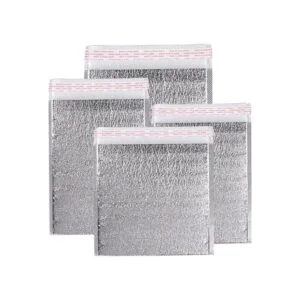
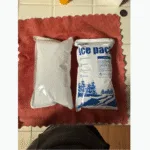
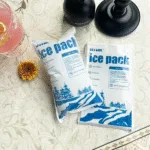
Le bon emballage dépend de la nécessité ou non pour l'échantillon de rester réfrigéré., congelé, ou protégé des températures extrêmes. Un emballage réfrigéré à 2-8°C utilise souvent du packs de gel ou packs PCM avec séparation des produits. Les envois congelés peuvent nécessiter glace carbonique ou des packs congelés, en fonction des règles du produit et du transporteur. Certains produits biologiques peuvent être sensibles au gel, ce qui signifie que le contact direct avec le liquide de refroidissement gelé doit être évité. D'autres matériaux peuvent nécessiter un stockage congelé ou ultra-faible et nécessiter un emballage complètement différent.
Tableau 3. Direction d'emballage de la chaîne du froid par exigence de température.
| Besoin de température | Direction d'emballage possible | Risque clé |
|---|---|---|
| Protection ambiante | Expéditeur isolé, doublure thermique, ou tampon de température. | Surchauffe ou choc thermique lors d’une exposition saisonnière. |
| 2-8°C réfrigéré | Expéditeur isolé qualifié avec liquide de refroidissement conditionné ou PCM. | Dommages causés par le gel dus à un contact direct avec le liquide de refroidissement ou à un mauvais conditionnement. |
| Congelé | Système de glace carbonique ou de liquide de refroidissement gelé lorsque cela est autorisé et approprié. | Ventilation par glace carbonique, marquage, sublimation, et la sécurité des produits. |
| Ultra-faible | Expéditeur actif/passif spécialisé à base de glace carbonique. | Durée, limites de glace carbonique, manipulation formée, et préparation à la destination. |
| Courrier local court | Refroidisseur qualifié, enregistreur de données, et processus de transfert défini. | Fréquence d'ouverture, retard d'itinéraire, et documentation de température. |
Placement du liquide de refroidissement et protection contre le gel
Une défaillance courante de la chaîne du froid consiste à placer du liquide de refroidissement congelé directement contre un échantillon ou un produit biologique sensible au gel.. Pour matériaux 2-8°C, le colis peut nécessiter un conditionnement par liquide de refroidissement, une chambre de produit, séparateurs, matériau tampon, ou packs PCM avec une température de changement de phase appropriée. La conception doit définir l'emplacement de l'enregistreur de données, où se trouve l'échantillon, où se trouve le liquide de refroidissement, et comment l'expéditeur doit être chargé après le préconditionnement.
Outils de décision utiles
Vérifiez les détails avant de choisir l'emballage
Ces outils rapides peuvent vous aider à comparer le risque d'itinéraire, besoins de dimensionnement, choix de liquide de refroidissement, et les détails de l'emballage avant de demander un devis.
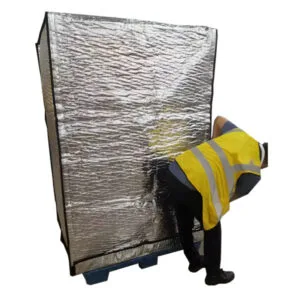
Doublure de boîte & Dimensionnement des couvertures de palettes
Vérifiez la logique de dimensionnement du revêtement de boîte et du couvercle de palette pour les projets d'emballage isotherme.
Dimensionnement estiméVérificateur de risque d'itinéraire
Examinez les conditions des pistes avant de sélectionner l'emballage en fonction des exigences opérationnelles réelles..
Vérifier le risque d'itinéraireRésistance aux chutes du matériau isolant
Examinez la résistance aux chutes et les facteurs de manipulation avant de choisir des matériaux d'isolation..
Vérifier la résistanceLes ressources de stockage et de manipulation des vaccins du CDC mettent l’accent sur les méthodes de stockage et de transport appropriées, utilisation de la surveillance de la température, et procédures conçues pour éviter des conditions de stockage compromises. Bien que les vaccins ne soient pas les mêmes que tous les produits biologiques ou échantillons de laboratoire, le principe est pertinent: les emballages de la chaîne du froid doivent être reproductibles, documenté, et surveillé lorsque la qualité du produit dépend de la température.
Considérations sur la glace carbonique et UN1845
La glace carbonique est utile pour les envois congelés et ultra-faibles, mais il est réglementé car du dioxyde de carbone est libéré lors de sa sublime. Les directives de la PHMSA indiquent que paquets de glace carbonique doit permettre la libération du gaz pour empêcher l'accumulation de pression, et les colis doivent indiquer le nom d'expédition/le numéro d'identification approprié, tel que la glace carbonique., UN1845, et la masse nette de neige carbonique. UPS et FedEx fournissent également des instructions spécifiques au transporteur pour la glace carbonique et les denrées périssables.. Si de la neige carbonique est utilisée avec des échantillons biologiques, l'expéditeur doit confirmer toutes les exigences applicables en matière de marchandises dangereuses.
Tests et documentation des packs
Un emballage d'échantillons de laboratoire doit être testé comme un système complet: récipient, isolation, liquide de refroidissement, échantillon de masse ou charge utile de substitution, matériau absorbant, position de l'enregistreur, carton, et profil ambiant. Tester uniquement un pack de gel ou uniquement un boîte de mousse n'est pas suffisant. Si l'envoi est de grande valeur, récurrent, ou réglementé, préparer une instruction d'emballage écrite et former l'équipe d'emballage.
Tableau 4. Documents recommandés pour les emballages d'échantillons de laboratoire sous chaîne du froid.
| Document | But |
|---|---|
| Instruction d'emballage | Affiche chaque couche, état du liquide de refroidissement, placement, et méthode de fermeture. |
| Résumé du test de température | Enregistre le profil ambiant, durée, charge utile, masse de liquide de refroidissement, position de l'enregistreur, et résultat. |
| Instructions de fermeture | Garantit que l'emballage est fermé de la manière dont il a été testé ou certifié. |
| Liste de contrôle pour le marquage et l'étiquetage | Empêche le UN3373 manquant, glace carbonique, flèches d'orientation, ou les détails du responsable. |
| Liste de contrôle du récepteur | Température d'arrivée des documents, état du colis, et décision d'acceptation. |
Liste de contrôle des demandes de prix pour les échantillons de laboratoire et les emballages de produits biologiques
- Type d'échantillon et classification du transport.
- Plage de température et limites d'excursion maximales autorisées.
- Mode de transport: courrier, colis, route, air, domestique, ou international.
- Volume d'échantillon, nombre de conteneurs primaires, et état liquide/solide.
- Système de confinement requis et si UN3373 ou d'autres marques s'appliquent.
- Type d'isolation, type de liquide de refroidissement, conception de la chambre de produit, et position de l'enregistreur.
- Durée d'expédition, profil ambiant, préparation à destination, et flux de travail du récepteur.
- Exigences en matière de documentation, exigences de formation, et les exigences d'approbation du transporteur.
FAQ
Une boîte en mousse isolée est-elle suffisante pour les échantillons de laboratoire?
Non. Le expéditeur thermique doit être combiné avec le système de confinement approprié, marquage, étiquetage, et la documentation pour la classification des échantillons.
Que signifie UN3373?
UN3373 est utilisé pour les substances biologiques, Envois de catégorie B. Les exigences incluent un emballage spécifique, marquage, et la documentation en vertu des règles applicables telles que IATA PI650 et 49 CFR 173.199.
Les packs de gel peuvent-ils être placés directement à côté des produits biologiques?
Uniquement si le produit le permet et que l'emballage est conçu pour cela. Les produits sensibles au gel doivent souvent être séparés, liquide de refroidissement conditionné, ou packs PCM.
Quand faut-il de la glace sèche?
De la glace carbonique peut être nécessaire pour les envois congelés ou ultra-faibles, mais il introduit le marquage sur glace carbonique, ventilation, et les exigences de conformité des transporteurs.
Les expéditions d’échantillons de laboratoire devraient-elles utiliser des enregistreurs de température?
Pour une valeur élevée, réglementé, ou des expéditions récurrentes sensibles à la température, les enregistreurs de données sont fortement recommandés pour documenter les performances de l'emballage et les conditions d'arrivée.