Coutume sacs de livraison isothermes sont un outil pratique de la chaîne du froid pour les restaurants, plateformes d'épicerie, entreprises de préparation de repas, cuisines sombres, traiteurs, et les opérateurs locaux de livraison de nourriture. Mais un sac isotherme n'est pas une glacière magique. Cela ralentit le transfert de chaleur; il ne crée pas de froid tout seul. Les aliments doivent démarrer à la bonne température, le temps de parcours doit être réaliste, et packs froids peut être nécessaire lorsque les produits réfrigérés sont exposés à de longues fenêtres de livraison ou à des conditions ambiantes chaudes.
Ce guide explique comment les acheteurs B2B peuvent choisir des sacs de livraison isothermes par modèle d'itinéraire, type de charge utile, objectif de température, structure matérielle, taille, fermeture, processus de nettoyage, marque, et compatibilité des emballages.
Définir d’abord l’objectif de sécurité alimentaire
Pour la livraison de plats réfrigérés et d'épicerie, la question de conception la plus importante est la température cible à la livraison. Les directives du consommateur de la FDA utilisent 40°F / 4°C ou moins pour le stockage des aliments réfrigérés, tandis que le modèle FDA Food Code utilise 41°F / 5°C ou moins pour la conservation au froid des aliments TCS dans la restauration. Certaines directives locales en matière de livraison de nourriture utilisent également 41 °F ou moins pour les aliments froids et 135 °F ou plus pour les aliments chauds.. Ces références aident les marques à construire un plan de température pratique, mais chaque entreprise doit toujours suivre ses règles locales et ses exigences spécifiques au produit.
Tableau 1. Références de température pour la planification de sacs de livraison isothermes personnalisés.
| Application | Référence de température | Implications dans l'emballage |
|---|---|---|
| Epicerie fraîche et préparation de repas | 40°F / 4°C ou moins est une référence courante en matière de sécurité des aliments réfrigérés. | Utiliser des produits pré-réfrigérés, sacs isolés, et des packs de gel lorsque le temps de trajet ou la température ambiante nécessitent un refroidissement supplémentaire. |
| Restauration à froid | 41°F / 5°C ou moins est utilisé dans le maintien au froid de style FDA Food Code. | Une référence adaptée aux restaurants, commissaires, et programmes de livraison de nourriture préparée. |
| Livraison de plats chauds | 135°F / 57°C ou plus est une référence de maintien à chaud courante. | Utilisez des sacs chauds séparés; ne mélangez pas des plats chauds et des aliments réfrigérés dans le même compartiment. |
| Commandes d'épicerie mixtes | Réfrigéré séparé, congelé, ambiant, et des plats chauds. | Des sacs à plusieurs compartiments ou des règles d'emballage peuvent être nécessaires. |
Choisissez le type de sac par modèle d'itinéraire
Un coursier à vélo transportant deux commandes de restaurant a besoin d'un sac différent de celui d'un chauffeur d'épicerie transportant du lait, produire, aliments surgelés, et biens ambiants. Une marque de préparation de repas avec un itinéraire de retour peut préférer un sac réutilisable durable. Un marché de restauration peut avoir besoin de sacs bon marché que de nombreux conducteurs peuvent transporter. Le modèle d'itinéraire doit décider de la conception du sac avant de discuter de la marque..
Tableau 2. Direction des sacs de livraison par modèle économique.
| Modèle d'itinéraire | Direction de conception de sac recommandée | Point de conception clé |
|---|---|---|
| Livraison au restaurant | Sacs de livraison légers isolés chaud/froid avec doublures faciles à nettoyer. | Le chargement rapide et le confort du conducteur sont importants. |
| Livraison de courses | Sacs isothermes de style fourre-tout plus grands, éventuellement un code couleur par zone de température. | Réfrigéré séparé, congelé, ambiant, et produits fragiles. |
| Abonnement préparation de repas | Sacs isothermes de marque réutilisables ou fourre-tout isothermes pliables. | Prise en charge d'un déballage propre et d'un comportement de boucle de retour. |
| Restauration | Grands sacs rigides ou semi-rigides avec poignées renforcées et nettoyage facile. | La charge utile lourde et le contrôle des déversements sont plus importants que la compacité. |
| Coursier en pharmacie ou en soins de santé | Sac/boîte plus contrôlé avec des packs de gel, séparateurs, et surveillance de la température. | Évitez tout contact direct avec une source de froid avec des produits sensibles au gel. |
Structure matérielle: Ce que les acheteurs doivent spécifier
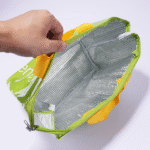
La plupart des sacs de livraison isothermes combinent une coque extérieure, couche d'isolation, doublure intérieure, système de fermeture, poignées ou sangles, et parfois des films réfléchissants ou des panneaux rigides. Les choix de matériaux affectent le nettoyage, durabilité, résistance à l'eau, résistance thermique, qualité de la marque, et coûter. Les références techniques définissent la conductivité thermique comme la capacité d'un matériau à conduire la chaleur.; une conductivité thermique plus faible permet généralement une meilleure isolation lorsque la structure est conçue correctement. La mousse de polyéthylène est communément décrite comme étant à cellules fermées, léger, résistant à l'humidité, et isolant, ce qui explique son utilisation fréquente dans sacs thermiques et emballage.
Tableau 3. Composants clés dans une spécification de sac de livraison isotherme personnalisé.
| Composant | Options communes | Notes de sélection |
|---|---|---|
| Coque extérieure | Polyester, nylon, tissu non tissé, tissu laminé, Tissu enduit de PVC. | Choisissez en fonction de la résistance à l'abrasion, marque, résistance à l'eau, et nettoyage. |
| Couche d'isolation | Affamé, Mousse EPE, Mousse PU, isolation réfléchissante, isolation multicouche. | L'épaisseur et la densité affectent les performances, mais les tests d'itinéraire sont plus fiables que les seules réclamations matérielles. |
| Doublure intérieure | AUJOURD'HUI, stratifié de papier d'aluminium, TPU, Doublure sans PVC, doublure compatible avec le contact alimentaire. | Privilégier les surfaces faciles à nettoyer, résistance aux fuites, et contrôle des odeurs. |
| Fermeture | Fermeture éclair, crochet et boucle, rabat, boucle, rabat magnétique. | Une mauvaise fermeture peut créer des fuites thermiques et de la frustration chez le conducteur. |
| Structure | Sac souple, fourre-tout semi-rigide, cube pliable, sac à dos, sac à pizza, fourre-tout d'épicerie. | Adaptez la forme à la charge utile et à la manipulation du véhicule. |
| Marque | Sérigraphie, transfert de chaleur, étiquette tissée, broderie, logo réfléchissant, codage couleur. | La marque ne doit pas interférer avec le nettoyage, pliant, ou performances thermiques. |
Taille du sac: Commencez par la charge utile, Pas de dimensions de catalogue
Les sacs surdimensionnés gaspillent la capacité thermique car l'espace d'air supplémentaire se réchauffe ou se refroidit plus rapidement qu'une charge emballée.. Les sacs trop petits écrasent les contenants alimentaires, réduire la circulation de l'air, dommages aux joints, et obliger les chauffeurs à laisser le sac ouvert. Une bonne spécification de sac commence par la charge utile: boîtes repas, sacs d'épicerie, plateaux de fruits de mer, bouteilles de boissons, contenants pour produits laitiers, paquets congelés, et contraintes de conduite du conducteur.
Outils de décision utiles
Vérifiez les détails avant de choisir l'emballage
Ces outils rapides peuvent vous aider à comparer le risque d'itinéraire, besoins de dimensionnement, choix de liquide de refroidissement, et les détails de l'emballage avant de demander un devis.
Générateur de liste de contrôle de conformité
Créer une liste de contrôle pratique pour l'examen des emballages, expédition, et documentation.
Construire une liste de contrôleLiquide de refroidissement & Référence PCM
Comparez les options de liquide de refroidissement et de PCM lorsqu'un itinéraire nécessite une prise en charge supplémentaire de la température.
Comparez les optionsSélecteur d'emballage
Comparez les options d'emballage isotherme par produit, itinéraire, et besoin de température.
Trouver un emballage- Mesurer la plus grosse commande attendue, pas la commande moyenne seulement.
- Laissez suffisamment d'espace pour les packs de gel ou les briques de glace lorsque la livraison réfrigérée l'exige.
- Évitez les espaces libres excessifs qui augmentent la dérive de température.
- Vérifiez si les récipients doivent rester debout pour éviter les fuites de sauce ou de liquide..
- Confirmez si le sac doit être adapté aux porte-vélos, scooters, coffres de voiture, ou chariots de préparation en magasin.
Compatibilité des sources froides
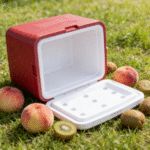
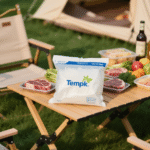
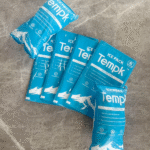
Un sac isotherme ralentit le transfert de chaleur, tandis que la source froide absorbe la chaleur. Pour les itinéraires réfrigérés plus longs, utiliser packs de gel, briques de glace réutilisables, ou packs PCM dans un placement contrôlé. Le paquet ne doit pas écraser la nourriture, fuite sur les étiquettes, ou créer des dégâts directs dus au gel. Pour les articles surgelés, notamment des colis de glaces ou de fruits de mer surgelés, un simple sac de livraison isotherme peut ne pas suffire; un refroidisseur ou un emballage compatible avec la glace carbonique peut être nécessaire.
Tableau 4. Compatibilité source de froid pour les sacs de livraison isothermes.
| Source froide | Meilleur ajustement | Prudence |
|---|---|---|
| Packs de glace en gel | Plats frais, épicerie, laitier, desserts, courtes routes de fruits de mer. | Adaptez la quantité au temps d'acheminement et au volume du sac. |
| Briques de glace réutilisables | Préparation de repas et itinéraires d'épicerie en boucle fermée. | Exiger une récupération, nettoyage, et capacité du congélateur. |
| Packs PCM | Des objectifs de température plus contrôlés, y compris certaines applications à 2-8°C. | Doit sélectionner la bonne température de changement de phase. |
| Glace sèche | Articles congelés là où ils sont autorisés et correctement emballés. | Nécessite une ventilation, marquage, et la conformité des transporteurs; pas pour les sacs hermétiques. |
Nettoyage, Odeur, et la conduite du conducteur
Les sacs de livraison échouent dans les opérations réelles lorsqu'ils sont difficiles à nettoyer, absorber les odeurs, casser au niveau de la poignée, s'effondrer sous la charge, ou sont gênants pour les conducteurs. Les acheteurs B2B doivent spécifier la méthode de nettoyage, produits chimiques de nettoyage autorisés, temps de séchage, gérer la charge, durabilité de la fermeture éclair, conception des coutures de la doublure, et si le sac peut se plier pour le stockage de retour. Un sac qui fonctionne bien en laboratoire mais qui n'est pas utilisé par les chauffeurs ne protégera pas la chaîne du froid.
Image de marque personnalisée et codage couleur
L'image de marque peut améliorer la confiance des clients et la conformité des conducteurs. Le codage couleur peut également réduire les erreurs opérationnelles: bleu pour réfrigéré, rouge pour chaud, vert pour les produits, noir pour congelé, ou un système personnalisé pour la préparation de commandes en entrepôt. Pour les marques d'épicerie et de préparation de repas, l'impression d'un code QR sur le sac peut amener les clients ou les conducteurs à renvoyer des instructions, conseils de nettoyage, ou règles de gestion de la température.
Liste de contrôle de la demande de prix pour les sacs de livraison isolés personnalisés
- Modèle économique: restaurant, épicerie, préparation des repas, restauration, coursier en pharmacie, ou livraison mixte.
- Objectif de température des aliments et délai de livraison maximum.
- Dimensions de la charge utile, poids, et exigences en matière d'orientation des conteneurs.
- Type de véhicule et méthode de conduite du conducteur.
- Source de froid requise: paquet de gel, brique de glace, PCM, ou pas de liquide de refroidissement.
- Processus de nettoyage, résistance à l'eau, contrôle des odeurs, et exigences en matière de doublure.
- Marque, logo, codage couleur, étiquette, et exigences relatives au code QR.
- Exemple de plan de test pour les conditions de livraison estivales et hivernales.
FAQ
Combien de temps un sac de livraison isotherme peut-il garder les aliments au frais?
Il n'y a pas de temps universel. Cela dépend de la température de départ des aliments, taille du sac, isolation, température ambiante, durée de l'itinéraire, fréquence d'ouverture, et si des packs de gel ou des briques de glace sont utilisés.
Les sacs isothermes ont-ils besoin de blocs de glace?
Pour les trajets courts, des aliments pré-réfrigérés et une isolation peuvent suffire. Pour les itinéraires réfrigérés plus longs ou les conditions ambiantes chaudes, des packs de gel ou des briques de glace sont souvent nécessaires.
Le même sac peut-il être utilisé pour des aliments chauds et froids?
Le même style de sac peut être conçu pour une utilisation chaude ou froide, mais les produits chauds et froids ne doivent pas être mélangés dans le même compartiment chargé. Le nettoyage et le contrôle des odeurs sont également importants.
Quel est le meilleur matériau pour les sacs de livraison isothermes?
Il n’existe pas de meilleur matériau. Un bon sac équilibre la durabilité extérieure, couche d'isolation, nettoyabilité du revêtement, qualité de fermeture, et manipulation opérationnelle.
Les sacs de livraison isothermes peuvent-ils porter une marque privée?
Oui. Impression de logos, codage couleur, étiquettes tissées, balises d'instructions, Codes QR, et les emballages de vente au détail peuvent être personnalisés pour les marques de livraison de nourriture.