Distributeur de sacs à dos isothermes, fourniture de restaurant: De l’aperçu de l’itinéraire au déploiement
Une commande en gros de sacs à dos isothermes doit commencer par un plan de service, pas un choix de tissu. L'acheteur définit d'abord ce que le restaurant déplace, quelles conditions doivent être contrôlées, comment se comporte l'itinéraire, qui porte la charge, et comment le sac revient. Un programme d'approvisionnement de restaurant avec distributeur de sacs à dos isothermes peut ensuite convertir ce plan en une spécification stable., un échantillon significatif, et un plan de réapprovisionnement maîtrisé.
Cette séquence évite un échec d'approvisionnement courant: approuver un sac attrayant et découvrir plus tard que les conteneurs ne conviennent pas, les coureurs l'évitent, la doublure ne peut pas sécher entre les quarts de travail, ou une réclamation thermique n'a aucun lien avec le véritable emballage.
Rédigez une enveloppe de service d'une page
L'enveloppe de service est l'ensemble des conditions dans lesquelles le sac à dos doit fonctionner. Il devrait être suffisamment court pour les opérations, sécurité alimentaire, achat, et le fournisseur à revoir ensemble. Commencez par le menu ou la famille de produits. Répertorier les empreintes principales du conteneur, combinaisons de pile normales, formats de boissons ou de sauces, orientation du paquet, et la charge maximale crédible. Utiliser des conteneurs physiques ou des dessins contrôlés; les noms de menu ne définissent pas la géométrie.
Suivant, indiquer l'objectif thermique. Le sac contient-il des aliments chauds ?, contrôle du temps et de la température de refroidissement pour la sécurité des aliments, produit congelé, articles de boulangerie ambiants, ou une combinaison qui doit être séparée? Enregistrer les conditions d'entrée et d'accueil requises selon les procédures approuvées de l'établissement et les règles applicables. Ne demandez pas à un distributeur de choisir un objectif de température universel au nom de l'acheteur.
Décrire l'itinéraire sous forme de séquence. Inclure la mise en scène, en attendant, véhicule ou segment de marche, s'arrête, ouvertures, transferts, et reçu. Notez une condition typique et une condition difficile crédible. Soleil direct, un véhicule chaleureux, exposition hivernale, retards dans les ascenseurs, et les accès répétés peuvent avoir plus d'influence que la distance en ligne droite.
Ajoutez les contraintes humaines et matérielles. Identifier le mode de transport, plage de hauteur du personnel, escaliers, supports de véhicules, espace de comptoir, produits chimiques de nettoyage, zone de lavage, temps de séchage, stockage, et renvoyer la logistique. Un sac qui réussit un test thermique mais ne peut pas être manipulé ou désinfecté dans le système disponible n'est pas adapté à l'enveloppe de service..
Enfin, définir la propriété. Nom qui charge, sorties, transports, reçoit, nettoie, inspecte, quarantaines, réparations, et remplace chaque unité. Cet exercice simple révèle des lacunes qu'aucun matériau isolant peut résoudre.
Traduire les opérations en une spécification de sac à dos contrôlée
Le cahier des charges doit exprimer les fonctions requises et les caractéristiques mesurables sans enfermer l'acheteur dans une étiquette marketing inutile.. Les dimensions internes et les dimensions d'ouverture protègent l'ajustement de la charge utile. Les dimensions extérieures protègent le véhicule, étagère, et rangement. Il faut les deux. Le volume brut de la cavité peut à lui seul masquer l'espace perdu autour des murs effilés, coutures, isolation, séparateurs, et lèvres zippées.
Décrire l'assemblage à un niveau qui protège les performances. Cela peut inclure un tissu extérieur ou un type de revêtement, structure d'isolation, doublure intérieure, renfort de base, couvercle et fermeture, coutures, fixation de la sangle, poignées, séparateurs, caractéristiques d'identification, couleur, œuvres d'art, et jeu d'accessoires. Des tolérances critiques doivent être convenues lorsque des variations pourraient affecter les conteneurs ou les racks..
La nettoyabilité fait partie de la définition du produit. Nécessite un accès aux coins et sous les inserts amovibles, une surface compatible avec la méthode de nettoyage approuvée, et un design qui peut rester ouvert pour le séchage. Si des aliments non emballés peuvent toucher directement un composant, demander une documentation contact alimentaire spécifique au matériau, conditions prévues, et marché cible. Si les aliments restent toujours dans un emballage primaire scellé, enregistrer cette limite plutôt que de demander une revendication générale ambiguë.
| Ligne de spécification | Raison opérationnelle | Méthode d'approbation |
|---|---|---|
| Empreinte interne et hauteur utile | Empêche l'écrasement, inclinaison, et capacité nominale inutilisable | Charger les ensembles de conteneurs normaux et maximum |
| Géométrie d'ouverture et de fermeture | Contrôle la vitesse de chargement, échange d'air, et nettoyabilité | Contrôle de chargement minuté et inspection d'ouverture répétée |
| Continuité de l'isolation | Réduit les zones faibles au niveau du couvercle, coins, coutures, et socle | Dessin en coupe, inspection physique, essai thermique pertinent |
| Construction de la doublure et des coutures | Prend en charge le contrôle des déversements, nettoyage, et séchage | Cycle de nettoyage, défi liquide si nécessaire, inspection visuelle |
| Base et système de transport | Protège l’orientation des colis et la manipulation du personnel | Essai d'itinéraire chargé avec des utilisateurs représentatifs |
| Diviseurs et positions du liquide de refroidissement | Rend le pack reproductible | Dessin d'emballage et observation des quarts de travail |
| Identification et oeuvre d'art | Empêche la confusion SKU ou température-rôle | Preuve de l'intention de production et approbation des échantillons |
| Contrôles des cartons et du change | Protège les réceptions multi-sites et les commandes futures | Données de base approuvées et conditions de notification écrites |
La méthode d’approbation est aussi importante que l’exigence. "Sangles durables" est ouvert à l'interprétation; un essai de manutention en charge et un point d'inspection défini créent une décision partagée. Le tableau évite également à l'acheteur d'exiger une documentation qui ne concerne pas l'utilisation prévue..
Séparer les preuves thermiques du langage de vente
Un doux sac à dos isolé ralentit le transfert de chaleur. Il ne réfrigère pas activement les aliments, et il n'a pas de temps de maintien significatif en dehors d'un système testé. Masse de charge utile, température de départ, type et conditionnement du liquide de refroidissement, placement, espace vide, exposition ambiante, ouvertures, construction de conteneurs, et les limites d'acceptation influencent toutes le résultat.
Lorsqu'un fournisseur déclare qu'un sac conserve les aliments au froid ou au chaud pendant une période, demander les conditions de test avant d'utiliser la déclaration dans une spécification ou un catalogue. Les preuves doivent identifier la construction complète du sac, conditionnement des échantillons, charge utile ou simulant, liquide de refroidissement, type et emplacement du capteur, profil ambiant, horaire d'ouverture, et définition du succès. Un sac fermé testé dans une pièce tempérée n'établit pas de performances sur un itinéraire estival à arrêts multiples.
La méthode de surveillance doit répondre à la question opérationnelle. La température de l'air interne peut révéler des ouvertures ou des conditions locales, mais cela peut changer plus vite que la nourriture et varier selon que le capteur est près d'une fermeture éclair ou pack de liquide de refroidissement. Les mesures du produit ou du simulant représentatif peuvent donner des informations différentes. Le responsable de la sécurité alimentaire ou de la qualité doit décider de ce qui est mesuré, quelle limite s'applique, comment les instruments sont vérifiés, et comment une excursion est évaluée.
Les réclamations mécaniques doivent également être étendues. Résistant à l'eau, résistant aux fuites, lavable, et adapté au contact alimentaire ne sont pas synonymes. Demandez si un test de liquide inclut les coutures et l'inclinaison; si les instructions de nettoyage couvrent les produits chimiques réels; et si une déclaration matérielle s'applique au fournisseur nommé et à l'utilisation prévue. Les preuves doivent voyager avec le SKU approuvé afin qu'une nouvelle commande ultérieure n'hérite pas d'une réclamation non fondée.
Concevoir un pilote capable de révéler le mauvais choix
Un projet pilote est précieux lorsqu'il crée une opportunité réaliste d'échouer avant la commande importante.. Commencez avec un échantillon d'intention de production, pas un prototype d'affichage avec une mousse différente, matériel, ou couture. Marquez l'échantillon, photographier sa construction, mesurer les dimensions critiques, et enregistrez le pack proposé.
Le premier essai est l'ajustement du conteneur. Charger la commande commune, une commande de boissons lourdes, et la pile maximale crédible. Vérifier la pression du couvercle, pourboire, espace vide, mouvement du diviseur, et accès à la première livraison. Placez le sac chargé dans le porte-bagages ou le plancher du véhicule et sur l'étagère de rangement prévue.
Le deuxième essai concerne la gestion. Incluez du personnel de différentes tailles et demandez-leur de se soulever du sol, ajuster les bretelles, marcher, tourner, monter les escaliers, entrer dans le véhicule, et placez le sac lors d'un transfert. Observer les solutions de contournement. Si le personnel laisse la fermeture partiellement ouverte pour gagner de la hauteur ou retire la base parce que cela semble gênant, la conception a échoué même si l'enquête indique qu'elle est acceptable.
Le troisième essai couvre l'objectif thermique défini. Reproduire la température de chargement, charge utile, conditionnement du liquide de refroidissement, étapes du parcours, ouvertures, et une exposition stimulante. Enregistrer la méthode et les résultats. Un essai ne doit pas se transformer en une promesse pour d’autres saisons, charges utiles, ou des itinéraires. Les modifications importantes après approbation peuvent également nécessiter un examen ou un nouveau test..
Le quatrième essai est l’assainissement. Appliquer la procédure de nettoyage et de séchage approuvée à plusieurs reprises. Inspecter la doublure, coutures, piste de fermeture éclair, insert de base, poches, imprimer, et le dessous. Mesurez si l'appareil peut sécher avant d'en avoir à nouveau besoin. Humidité persistante, résidu piégé, délaminage, ou un sol inaccessible est une découverte de conception, pas seulement une question de formation du personnel.
Exécutez le pilote sur plus que le site phare lorsque le réseau varie. Inclure un changement à volume élevé, un parcours difficile, et un emplacement avec un nettoyage ou un stockage limité. Recueillir des observations structurées des opérations, sécurité alimentaire, et les utilisateurs. Le service d'approvisionnement peut alors approuver le sac avec des conditions documentées ou le rejeter pour une raison indiquée qui éclaire l'échantillon suivant..
Outils de décision utiles
Vérifiez les détails avant de choisir l'emballage
Ces outils rapides peuvent vous aider à comparer le risque d'itinéraire, besoins de dimensionnement, choix de liquide de refroidissement, et les détails de l'emballage avant de demander un devis.
Résistance aux chutes du matériau isolant
Examinez la résistance aux chutes et les facteurs de manipulation avant de choisir des matériaux d'isolation..
Vérifier la résistanceCalculateur de banquise
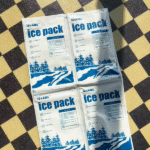
Estimation de la quantité de pain de glace pour les expéditions réfrigérées et planification pratique des itinéraires.
Estimer les packs de glaceCalculateur de glace carbonique
Estimer les besoins en glace carbonique pour les envois congelés ou ultra-froids avant l'emballage.
Estimation de la neige carboniquePlacez le sac à dos dans le plan de sécurité alimentaire
Aux États-Unis, le FDA Food Code est un modèle proposé à l'adoption par les juridictions, les exigences du restaurant doivent donc être vérifiées par rapport au code local applicable. Le 2022 le modèle fait généralement référence au maintien au froid du contrôle du temps/température pour la sécurité des aliments à 41°F, ou 5°C, ou moins et maintien au chaud à 135°F, ou 57°C, ou au-dessus, avec des dispositions et exceptions détaillées. Ces valeurs décrivent le contrôle alimentaire; ce ne sont pas des indices d'isolation.
La procédure d'expédition doit relier l'emballage approuvé au plan de sécurité alimentaire. Il peut couvrir l'identité du sac, propreté et sécheresse, condition physique, emballage alimentaire, séparation, condition de départ, placement du liquide de refroidissement, fermeture, étiquette, et publier le dossier si nécessaire. Les produits chauds et réfrigérés doivent utiliser des espaces thermiques séparés. Aliments crus pour animaux, aliments prêts à manger, et les allergènes nécessitent une séparation adaptée au processus de l'établissement; une cloison flexible ne doit pas être considérée comme formant une barrière sanitaire.
La réception nécessite un chemin de décision tout aussi clair. Le personnel vérifie l'identité, dommage, contamination, temps écoulé, et toute température requise ou résultat de surveillance. Une doublure déchirée, échec de fermeture, étiquette manquante, ou une charge douteuse doit entrer dans un processus de mise en attente ou d'escalade défini.. Le livreur ne doit pas inventer une règle d’acceptation à la porte.
Les exigences sanitaires de la FDA en matière de transport peuvent s'appliquer à des expéditeurs définis, chargeurs, transporteurs, et les séquestres impliqués dans certains États-Unis. transport automobile ou ferroviaire. Ils se concentrent sur les pratiques qui empêchent les aliments de devenir dangereux, y compris un contrôle de température approprié, équipement sanitaire, et protection contre la contamination. La couverture et les responsabilités dépendent de l’activité et des exemptions ou dérogations disponibles. Un sac à dos commercial est un équipement dans un processus, il ne s'agit pas d'un certificat de conformité autonome.
Le nettoyage boucle la boucle. Écrivez la méthode, produits chimiques approuvés, fréquence, séchage, stockage, et critères d'inspection. Définir quand une unité peut être réparée et quand les dommages nécessitent une mise hors service. Mousse exposée, coutures ouvertes, odeur persistante, une doublure perforée, socle instable, ou un accessoire de transport endommagé peut créer différents risques, mais aucun ne devrait rester en service par défaut.
Construire le contrat de distribution autour de la cohérence
Une fois que l'échantillon fonctionne, le programme commercial doit le préserver. Le dossier d'achat doit identifier l'échantillon approuvé, dessin, construction, accessoires, œuvres d'art, instructions d'entretien, configuration des cartons, points de contrôle, et les documents requis. Si l’étiquetage privé est impliqué, confirmer les tolérances de couleur et d'impression, approbations de marques, texte d'emballage, et traitement des stocks obsolètes.
Demandez au distributeur quels matériaux ou sous-composants pourraient changer et quel processus de notification s'applique. Mousse, film de doublure, revêtement, fermeture éclair, fil, ruban de couture, renforcement, plinthe, et l'adhésif peut influencer l'ajustement, nettoyage, apparence, ou des performances. Un changement peut être raisonnable, mais l'acheteur a besoin d'un préavis suffisant pour décider si les documents, un échantillon, ou un nouvel essai est nécessaire.
Planifier la quantité de commande en fonction de la demande et du risque de service. Un prix unitaire bas peut être compensé par un stock excédentaire de marque, volume de l'entrepôt, ou des changements de conteneurs avant que l'inventaire ne soit utilisé. Inversement, commander trop peu peut créer des substitutions d’urgence. Vérifier la commande minimum, délai de mise en œuvre, coffret, fret, étiquetage de destination, des pièces de rechange, exemples de frais, et réorganiser la stabilité en tant que variables connectées. Où un distributeur détient des stocks, confirmer exactement quelle spécification approuvée ce stock représente.
L’inspection à la réception peut être basée sur les risques. Mesurer les dimensions critiques sur un échantillon convenu, confirmer les étiquettes et les accessoires, inspecter la continuité de la doublure et des coutures, opérer des fermetures, et vérifiez la fixation de la sangle et imprimez. Définir la manière dont les cartons non conformes sont isolés, signalé, et résolu. Pour un drop shipping multi-sites, fournir à chaque emplacement un bref guide visuel et un contact central d'escalade.
Le distributeur doit également prendre en charge la restriction des SKU. Une nouvelle couleur ou un changement mineur de taille crée des données de base, stockage, entraînement, et travaux de réapprovisionnement. Ajoutez un modèle uniquement lorsqu'il sert une tâche de livraison distincte. Un assortiment discipliné facilite la disponibilité du bon sac à dos et l'analyse des performances sur le terrain..
Mesurez le coût total et la réutilisation avec la même honnêteté
Le coût total du programme comprend l'acquisition, personnalisation, fret, devoirs, stockage, inspection, liquide de refroidissement, travail de nettoyage, espace de séchage, réparation, perte, remplacement, et formation. Le dénominateur pertinent pourrait être des cycles de livraison terminés, jours ouvrables, ou une autre unité que l'acheteur peut mesurer de manière cohérente. N'attribuez pas un nombre de réutilisation supposé simplement pour donner l'impression qu'une option préférée est peu coûteuse..
Découvrez pourquoi les sacs à dos quittent le service. Échec de la fermeture éclair, dommage à la sangle, perforation de la doublure, odeur, délaminage, unités perdues, et une image de marque obsolète suggèrent différentes solutions. Un insert de base remplaçable peut prolonger la durée de vie; une couture inaccessible peut nécessiter une refonte; une perte élevée peut nécessiter un processus d'identification et de retour plutôt qu'un tissu plus résistant.
La réutilisation peut soutenir la réduction à la source lorsque les actifs sont effectivement restitués et utilisés de manière répétée.. Son dossier environnemental devrait tenir compte du nettoyage, réparation, transport inverse, et fin de vie. Les sacs multicouches peuvent être difficiles à recycler dans la pratique, même si les matériaux individuels sont techniquement recyclables.. Demander l'identification du matériel, supprimer les composants mélangés inutiles lorsque cela est possible, et vérifier les options de récupération locales avant de publier une allégation de recyclabilité.
Un tableau de bord compact post-lancement peut combiner sécurité, service, finance, et durabilité: exceptions d'itinéraire, écarts de température pertinents, échecs de nettoyage, problèmes d'utilisateur, retours, réparations, pertes, cycles terminés, et raisons de retraite. Vérifiez-le avant la prochaine commande. Les données observées donnent au distributeur un meilleur brief d'amélioration et donnent au financement une comparaison des coûts plus crédible.
Sachez quand un sac à dos n'est pas dans le bon format
Un sac à dos plus frais est bien adapté aux déplacements mains libres sur les itinéraires urbains, escaliers, et des véhicules compacts lorsque les conteneurs peuvent rester stables à l'intérieur d'une cavité souple. Cela peut être erroné pour les fortes charges de liquide, casseroles larges, décoration fragile, produits qui doivent rester précisément de niveau, ou des itinéraires qui nécessitent un système thermique rigide qualifié. C'est également un ajustement faible lorsque le personnel ne peut pas le nettoyer et le sécher ou lorsque la boucle de retour n'est pas fiable..
Comparez les alternatives sans les traiter comme des échecs. Un fourre-tout isolé porté à la main peut offrir un accès plus rapide. Une boîte rigide peut protéger les charges utiles délicates et prendre en charge un emballage plus contrôlé. Un transporteur à roues peut réduire la tension de transport. Une armoire chauffée, véhicule frigorifique, ou un autre système actif peut être nécessaire pour les itinéraires plus longs ou à risque plus élevé. Conditions des enregistrements de surveillance; il ne remplace pas la protection thermique.
La bonne décision du distributeur est parfois de refuser le sac à dos et de spécifier un autre outil. Ce jugement protège le restaurant contre la mise à l'échelle d'un facteur de forme pratique au-delà de son enveloppe de fonctionnement sûre..
Approuver un processus, Pas seulement un produit
Les programmes de sacs à dos isothermes pour restaurants les plus puissants ont une ligne traçable depuis le besoin d'itinéraire jusqu'aux spécifications du produit., preuve, pilote, mode opératoire, et réorganiser. Chaque lien réduit l'incertitude. L’enveloppe de services évite les vagues achats. L'échantillon contrôlé transforme les choix de matériaux en quelque chose que le personnel peut tester. Les règles de sécurité alimentaire établissent les limites opérationnelles. Les contrôles commerciaux et de changement préservent la décision à grande échelle. Les données de terrain montrent si les attentes en matière de coûts et de réutilisation sont valables.
Avant de passer la commande groupée, pose une dernière question: un nouvel employé dans un nouvel emplacement peut-il recevoir ce sac à dos, charge-le correctement, utilisez-le sur l'itinéraire approuvé, nettoyez-le, inspectez-le, et savoir quand le retirer du service? Si la réponse est documentée et pratique, le programme est prêt à évoluer.
À propos du tempk
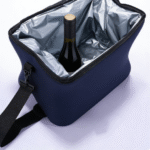
Offres Tempk sacs de livraison thermiques, y compris les formats de sacs à dos isothermes pour les itinéraires alimentaires et d'épicerie. Un projet peut être discuté autour des dimensions du conteneur, garniture, isolation, fermetures, sangles, séparateurs, logo, couleur, emballage en carton, et options de liquide de refroidissement compatibles. Tempk prend également en charge des échantillons pour des vérifications telles que l'ajustement de la charge utile, confort de portage, nettoyage, et gestion des itinéraires. Les acheteurs doivent définir les conditions alimentaires requises et valider l'emballage complet dans leur propre contexte opérationnel plutôt que de se fier uniquement au sac..
Partagez votre enveloppe de service d'une page avec Tempk pour comparer les conceptions appropriées et préparer un échantillon destiné à la production.. Inclure la charge utile, étapes du parcours, objectif de température, mode de transport, méthode de nettoyage, besoins en matière de documentation, et volume de déploiement attendu.