Médecine Emballage de la chaîne froide doit contrôler deux risques opposés en même temps: réchauffement et congélation. De nombreux médicaments réfrigérés, vaccins, biologique, et le matériel clinique est étiqueté pour un stockage entre 2 et 8 °C. Un envoi trop chaud peut être rejeté. Un envoi qui touche congelé packs de gel directement peut également être endommagé par le gel.
Cet article explique comment concevoir un emballage sans congélation entre 2 et 8 °C pour l'expédition de médicaments.. Il utilise les gammes officielles de stockage des vaccins du CDC comme point de référence., mais chaque expédition pharmaceutique doit suivre l'étiquette spécifique du produit, données de stabilité, accord de qualité, et réglementations applicables.
La plage de référence 2-8°C
Les directives de conservation des vaccins du CDC donnent une conservation au réfrigérateur entre 2°C et 8°C / 36°F à 46°F. Il permet également de conserver au congélateur entre -50°C et -15°C et ultra-rangement froid entre -90°C et -60°C pour les produits nécessitant ces conditions. Ces gammes montrent pourquoi les emballages pharmaceutiques doivent commencer par les exigences exactes du produit plutôt que par une demande générique « à froid ».
Pour un médicament étiqueté 2-8°C, l'emballage ne doit pas être conçu comme un envoi congelé. L’objectif est une réfrigération contrôlée sans exposition directe au gel.
Tableau de planification de la température pharmaceutique
| Type d'envoi | Plage de référence typique | Principal souci d’emballage | Réponse de conception |
|---|---|---|---|
| Médicament ou vaccin réfrigéré | 2°C à 8°C / 36°F à 46°F, lorsqu'il est appuyé par l'étiquette du produit et la référence CDC pour les vaccins. | Réchauffement pendant le transport et gel dû au contact du liquide de refroidissement gelé. | Chambre sans congélation, PCM ou liquide de refroidissement conditionné, enregistreur de données, instruction validée. |
| Produit pharmaceutique congelé | La boîte à outils du CDC sur les vaccins fait référence au stockage au congélateur entre -50°C et -15°C pour certaines conditions de stockage des vaccins. | Maintien de la plage de congélation sans décongélation incontrôlée. | Emballage congelé, expéditeur compatible avec le congélateur, validation spécifique à l'itinéraire. |
| Produit ultra froid | La boîte à outils du vaccin CDC fait référence à -90°C à -60°C pour des conditions de stockage ultra-froides. | Source de froid spécialisée et manipulation stricte. | Utiliser un emballage ultra-froid spécifique au produit et un processus formé. |
| Échantillon clinique ou biologique | La portée dépend du test, échantillon, ou exigence biologique. | Intégrité de l'échantillon, chaîne de contrôle, risque de retard. | Suivre le protocole de laboratoire et l'emballage validé. |
Pourquoi les médicaments sont congelés dans les envois « froids »
Une erreur courante consiste à placer des packs de gel congelés directement contre un médicament.. L'air à l'intérieur de la boîte peut se situer en moyenne dans la plage tandis que la surface du produit à côté du pack de gel descend en dessous du minimum autorisé.. Il s'agit d'un problème local d'exposition au gel. Il peut ne pas être visible à moins que l'emplacement de l'enregistreur de données ne le capture.
Un autre risque survient lors des expéditions hivernales. Un colis peut être exposé à des températures extérieures froides, véhicules non chauffés, ou un long séjour sur le quai. Un emballage conçu uniquement pour le réchauffement estival peut échouer en gelant en hiver.
Principes de conception des emballages sans gel
| Principe de conception | Pourquoi ça compte |
|---|---|
| Séparer le liquide de refroidissement du produit | Empêche le contact direct avec le gel et les points froids locaux. |
| Utiliser une chambre de produit définie | Maintient la charge utile dans une zone contrôlée au lieu de toucher les murs ou le liquide de refroidissement. |
| Sélectionnez soigneusement le PCM ou le liquide de refroidissement conditionné | Le PCM peut aider à contrôler la température à proximité d'une plage de phase choisie lorsqu'il est correctement spécifié. |
| Utiliser des séparateurs, manches, ou tampons | Réduit les températures extrêmes à proximité du médicament. |
| Préconditionner tous les composants | Un conditionnement incorrect du liquide de refroidissement peut créer un risque de gel ou de réchauffement. |
| Placez intelligemment les enregistreurs de données | Capturez les points de risque du produit, non seulement l'espace aérien le plus chaud. |
| Documenter la séquence du paquet | Le personnel de l'entrepôt doit répéter exactement la disposition testée. |
Packs de gel, Packs PCM, et des briques de glace pour les médicaments
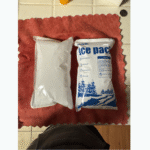
Les packs de gel congelé standard peuvent convenir à certains envois médicaux uniquement si l'emballage empêche l'exposition directe au gel et si les données de test soutiennent la conception.. FedEx note que les liquides de refroidissement peuvent également être utilisés comme dissipateurs de chaleur à température ambiante pour empêcher les produits de geler.. Ceci est un rappel utile: tous les liquides de refroidissement contenus dans un emballage de médicaments ne doivent pas être gelés. Certains packouts utilisent des liquides de refroidissement conditionnés, tampons étagés, ou packs PCM pour réduire le risque de gel.
Les packs PCM sont souvent utilisés dans les conceptions pharmaceutiques car les matériaux à changement de phase absorbent et libèrent de la chaleur pendant le changement de phase.. Lorsque la température de transition et le processus de conditionnement du PCM correspondent aux exigences du produit, le packout peut maintenir une plage plus étroite qu'un simple système de pack de gel congelé. Cependant, PCM n'est pas automatiquement sûr. Un conditionnement incorrect ou un mauvais point de changement de phase peuvent toujours échouer.
Outils de décision utiles
Vérifiez les détails avant de choisir l'emballage
Ces outils rapides peuvent vous aider à comparer le risque d'itinéraire, besoins de dimensionnement, choix de liquide de refroidissement, et les détails de l'emballage avant de demander un devis.
Calculateur de glace carbonique
Estimer les besoins en glace carbonique pour les envois congelés ou ultra-froids avant l'emballage.
Estimation de la neige carboniqueVérificateur de risque d'itinéraire
Examinez les conditions des pistes avant de sélectionner l'emballage en fonction des exigences opérationnelles réelles..
Vérifier le risque d'itinéraireCalculateur de banquise
Estimation de la quantité de pain de glace pour les expéditions réfrigérées et planification pratique des itinéraires.
Estimer les packs de glaceLes acheteurs de documentation doivent demander
| Document ou contrôle | But |
|---|---|
| Instruction d'emballage | Affiche le conditionnement exact du liquide de refroidissement, ordre d'emballage, position du produit, et méthode de fermeture. |
| Rapport ou courbe de test de température | Fournit la preuve que le packout est resté dans la plage prévue dans les conditions indiquées. |
| Plan de placement de l'enregistreur de données | Indique où les preuves de température sont collectées. |
| FDS ou déclaration matérielle | Prend en charge l'examen de la qualité et de la réglementation des packs de gel, Packs PCM, doublures, et matériaux d'expédition. |
| Liste de contrôle de réception | Aide le destinataire à décider si l'envoi doit être accepté, mis en quarantaine, ou révisé. |
| Règle de contrôle des modifications | Empêche les modifications non approuvées de la taille de la boîte, quantité de liquide de refroidissement, doublure, ou séquence de paquets. |
Comment tester un emballage à 2-8°C
Le test doit utiliser la charge du produit final ou un substitut de masse thermique réaliste., composants d'emballage finaux, liquide de refroidissement conditionné, taille finale de la boîte, et la séquence d'emballage prévue. Les enregistreurs de données doivent être placés là où le risque est significatif: à proximité du produit, à proximité de points froids probables, et parfois dans l'espace aérien. Un test qui mesure uniquement l'air ambiant dans la boîte peut manquer le risque de gel par contact direct.
Avant une utilisation courante, Les directives de stockage des vaccins du CDC recommandent de vérifier et d'enregistrer les températures minimales et maximales pour les unités à température contrôlée sur plusieurs jours jusqu'à ce qu'elles soient stables.. Pour emballage d'expédition, le même état d'esprit s'applique: ne vous fiez pas à des hypothèses. Vérifier que le système est stable et reproductible avant les expéditions de produits en direct.
Norme ISTA 20 et 7E peuvent être pris en compte lorsqu'un client a besoin d'essais de transport thermique standardisés. Les profils ISTA 7E sont basés sur des données réelles de température de transport et incluent des profils d'exposition à la chaleur et au froid.. Cela peut être utile pour le développement documenté d’emballages pharmaceutiques, mais les exigences spécifiques au produit passent toujours en premier.
FAQ
Puis-je expédier des médicaments avec des packs de gel congelés?
Uniquement si l'emballage testé empêche l'exposition directe au gel et maintient le produit dans la plage requise.. De nombreux produits à 2-8°C peuvent être endommagés par le gel local.
Les packs PCM sont-ils requis pour l'expédition de médicaments à 2-8°C?
Pas toujours. Les packs PCM sont utiles lorsqu'une plage de température étroite ou une conception sans gel est nécessaire, mais la décision finale dépend de l'étiquette du produit, itinéraire, tenir le temps, et validation.
Où doit être placé l'enregistreur de température?
Placez-le là où il reflète le risque produit. Pour les conceptions sans gel, au moins un enregistreur doit aider à détecter les points froids à proximité des surfaces du liquide de refroidissement ou du produit, pas seulement de l'air chaud près du couvercle.
Un emballage alimentaire peut-il être réutilisé pour les expéditions pharmaceutiques?
Généralement pas sans examen. Les expéditions pharmaceutiques nécessitent un contrôle de la température spécifique au produit, documentation, analyse sans gel, et une instruction d'emballage validée.
Dernier point à retenir
Un envoi de médicaments à une température comprise entre 2 et 8 °C doit être conçu pour éviter à la fois le réchauffement et le gel.. Utiliser l'étiquette du produit comme exigence de contrôle, séparer le liquide de refroidissement de la charge utile, envisager du PCM ou un liquide de refroidissement conditionné si nécessaire, documenter la séquence du paquet, et valider l'emballage complet avec une surveillance appropriée de la température.