Fabricant de boîtes isolées EPP à usage pharmaceutique: Achetez les preuves, Pas seulement la boîte
L’offre de fournisseur la plus simple à approuver est souvent l’offre la plus difficile à défendre ultérieurement.. Cela peut montrer un attrayant Boîte EPP, un chiffre de volume interne, et un titre de durée thermique, mais omettez la charge utile, état du liquide de refroidissement, profil ambiant, et les critères d'acceptation derrière cette affirmation. Lors du choix d'un Fabricant de boîtes isolées EPP à usage pharmaceutique, appliquer trois portes: ajustement produit-voie, preuve du système complet, et contrôle opérationnel. Une proposition n'avance que lorsqu'elle satisfait aux trois critères. Cela évite qu'un choix de matériau utile ne soit confondu avec une solution d'expédition de médicaments qualifiée..
Trois portes pour un achat défendable
L’approche gate donne aux achats, qualité, logistique, ingénierie de l'emballage, et les opérations d'entrepôt un enregistrement de décision commun. Cela rend également les comparaisons de fournisseurs équitables. Un fournisseur ne devrait pas recevoir de crédit pour une boîte vide non qualifiée tandis qu'un autre fixe le prix du liquide de refroidissement., instructions, prise en charge des tests, et traçabilité.
| Porte de décision | Question d'approbation | Preuves à examiner | Raison de faire une pause |
|---|---|---|---|
| 1. Ajustement du produit et de la voie | Le concept proposé est-il construit autour de la médecine actuelle, charge utile, itinéraire, et processus de réception? | Exigence du produit, dessins de charge utile, vérification du volume utilisable, carte des voies, l'évaluation des risques | Le fournisseur a supposé une plage de température standard ou un temps de transit prévu |
| 2. Preuve de système complet | Les données représentent-elles l'expéditeur identifié, liquide de refroidissement, emballage, cas de charge, et conditions de défi? | Nomenclature, dessins, protocole, données brutes, rapport, justification de la qualification | Seulement une fiche de matériel, test de la boîte vide, ou une réclamation de temps de rétention non étayée est fournie |
| 3. Contrôle opérationnel | Les sites de routine peuvent-ils se reproduire, moniteur, recevoir, faire le ménage, et changez la configuration correctement? | Instructions de travail, entraînement, inspection, flux de travail de l'enregistreur, changer de contrôle, plan de réutilisation | Le conditionnement testé ne peut pas être répété en entrepôt ni contrôlé après le lancement |
Un échec à une porte n’est pas nécessairement un échec du fournisseur. Il identifie le travail qui reste. Un boîtier EPP prometteur peut passer au stade du développement technique pendant que l'approbation de la qualité attend un emballage et une qualification représentatifs.. L'erreur consiste à permettre à une approbation d'échantillon de se faire passer pour une autorisation pour des expéditions pharmaceutiques de routine..
Porte 1: Définir l'utilisation avant le conteneur
Commencez par les conditions de stockage et de transport approuvées du produit. La gamme requise et la politique d'excursion doivent provenir de l'étiquetage des produits, informations réglementaires, ou données de stabilité gérées par la société pharmaceutique. La plage familière de 2 °C à 8 °C s'applique à de nombreux produits réfrigérés et aux vaccins autorisés à être conservés au réfrigérateur., mais il ne couvre pas tous les produits pharmaceutiques ni tous les vaccins. Certains produits ont une température ambiante contrôlée, congelé, surgelé, ou d'autres exigences. La sensibilité au gel peut être aussi importante que la protection contre la chaleur.
Définir ensuite le temps écoulé. Compter depuis la fermeture finale à l'origine jusqu'à l'ouverture et le transfert dans un stockage approuvé à destination. Inclure la mise en scène, ramasser, cross-dock, traitement à l'aéroport ou au port, douane, connexions échouées, week-end, fenêtres de livraison, et retard de réception. Séparer la durée prévue d'une éventualité justifiée dérivée du risque de voie. Il n'existe pas de temps de maintien universel pouvant être attribué à l'EPP..
Les informations sur la charge utile doivent décrire la géométrie et le comportement thermique, pas seulement le poids ou la quantité commandée. Fournir les dimensions extérieures et l'orientation des cartons de produits, charges minimales et maximales, composition des commandes attendue, informations disponibles sur la masse thermique, et tout besoin d'éloigner les surfaces froides du produit. Si un substitut sera utilisé lors des tests, sa relation avec le produit réel doit être justifiée.
Calculer l'enveloppe de charge utile utilisable une fois que tous les composants du système sont en place. Cet espace de charge utile restant est le volume utilisable. Le volume brut de la cavité est réduit par le liquide de refroidissement ou le PCM, espaceurs, séparateurs, fardage, l'enregistreur, et tout entrefer protégé. Les dimensions internes doivent également refléter les tolérances et la géométrie de la fermeture. Un carton qui rentre dans un échantillon vide peut ne pas rentrer dans l'emballage qualifié.
Enfin, opérations cartographiques aux deux extrémités. L'origine peut-elle conditionner les supports nécessaires de manière cohérente? Combien de temps les composants seront-ils mis en scène? Qui vérifie l'état du pack? Le site d'accueil dispose-t-il d'une personne formée, logiciel compatible, et stockage contrôlé disponible à la livraison? Un système théoriquement performant est un mauvais choix lorsqu’un site de routine ne peut pas le faire fonctionner..
Porte deux: Verrouillez le système avant de lire les résultats
Le langage de qualification devient clair lorsque chaque couche physique et procédurale porte un nom.
Le matériau EPP est une mousse de polypropylène expansé. La documentation technique du fabricant prend en charge les attributs au niveau du matériau, tels que le faible poids., isolation thermique, résilience, absorption d'énergie, faible absorption d'eau, et résistance chimique. Les valeurs et le comportement varient selon le niveau, densité, traitement, et méthode de test.
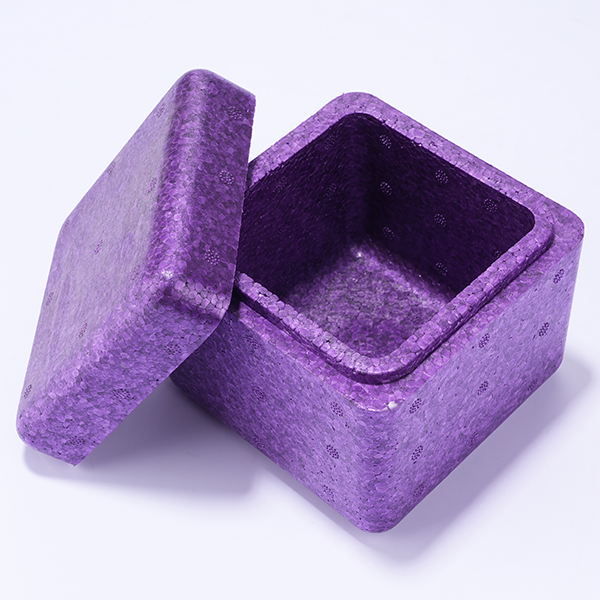
Le expéditeur isolé est le corps et le couvercle moulés en EPP, avec tous inserts définis ou protection extérieure. Il ralentit le transfert de chaleur et ajoute une protection physique. Il ne génère pas de refroidissement.
Le liquide de refroidissement ou PCM est le composant d'énergie thermique fini. Packs de gel, briques de glace, et d'autres matériaux à changement de phase doivent être sélectionnés et préconditionnés pour le système. Quantité, État, position, et la séparation de la charge utile est une question. Un pack de gel à lui seul ne stabilise pas un médicament sans un emballage conçu.
Le système passif est l'expéditeur, milieux conditionnés, disposition de la charge utile, espaceurs, fardage, fermeture, et procédé de fonctionnement utilisés ensemble sans réfrigération motorisée.
L'enregistreur enregistre l'exposition à la température. Il peut prendre en charge la disposition ou l'analyse lorsque sa portée, précision, étalonnage, intervalle, réponse, mémoire, placement, activation, et le traitement des données sont appropriés. Ce n'est pas une source de protection thermique.
Le système d'expédition thermique qualifié est la configuration contrôlée pour laquelle des tests documentés montrent des performances par rapport aux critères approuvés sous la charge utile indiquée., ambiant, durée, et conditions de manipulation.
Donnez à chaque composant critique une identité unique. La nomenclature doit relier les échantillons testés à la production de routine. Les dessins doivent contrôler les caractéristiques qui affectent l'engagement du couvercle., géométrie du mur, Emplacement du PCM, autorisation de charge utile, et fermeture. Si les pièces sont interchangeables, définir quelles combinaisons sont approuvées.
C'est également là qu'un fabricant fait preuve de discipline de production. Demandez quelle est la qualité de la résine, densité moulée ou poids partiel, dimensions, fusion de perles, déformation, état de surface, contamination, et la traçabilité des lots sont maîtrisées. Les tests exacts dépendent de la conception. Ce qui compte c'est un lien raisonné entre une caractéristique de production et la configuration qualifiée.
La qualification est un argument structuré
Les directives de l'OMS sur les conteneurs d'expédition décrivent la qualification de conception, qualification opérationnelle, et qualification des performances. Ces étapes constituent un argument utile depuis les exigences jusqu'à l'utilisation courante.
La qualification de la conception commence par une spécification des besoins de l'utilisateur. Il demande si la conception proposée peut répondre à la charge du produit, ambiant, durée, protection physique, et exigences d’utilisation dans des conditions contrôlées. La qualification opérationnelle évalue ensuite l'emballage défini dans le cadre de défis contrôlés et de charges extrêmes représentatives.. La qualification des performances examine si l'arrangement complet fonctionne dans l'environnement d'exploitation réel..
Le protocole doit être approuvé avant les tests et doit définir les critères d'acceptation, responsabilités, composants, conditionnement, emballage, carte des capteurs, approche d'enregistrement, cas de charge utile, profils ambiants, durée, contraintes de manutention ou de distribution le cas échéant, écarts, et analyse des données. Le rapport doit identifier ce qui s'est réellement passé, ne pas simplement reformuler le plan. Examinez toutes les traces de charge utile avec la trace ambiante, preuve d'étalonnage, feuilles de travail, exceptions, et conclusions.
ISTA 7E peut fournir des profils de chaleur et de froid standardisés pour les tests thermiques de livraison de colis. C'est utile lorsqu'un projet a besoin d'une, défi de laboratoire comparable. La propre description de l'ISTA distingue ces profils des données personnalisées sur les voies et des qualifications d'expédition personnalisées dans le pire des cas.. Un résultat 7E s’inscrit donc dans la logique de qualification; cela n'efface pas le besoin de comprendre l'itinéraire.
Les orientations du PIB de l’Union européenne renforcent le lien opérationnel. La sélection du conditionnement tient compte des exigences du médicament, espace d'expédition, extrêmes externes anticipés, durée maximale de transport, y compris le stockage temporaire, et statut de qualification ou de validation. Il attire également l'attention sur le transport fondé sur les risques, écarts, centres de transfert, surveillance, position de refroidissement, assemblage saisonnier, et la formation du personnel. Le PIB n'est pas une certification imprimée sur EPP. Il s'agit d'un cadre de distribution qui façonne la manière dont le système d'expédition est sélectionné et contrôlé..
Outils de décision utiles
Vérifiez les détails avant de choisir l'emballage
Ces outils rapides peuvent vous aider à comparer le risque d'itinéraire, besoins de dimensionnement, choix de liquide de refroidissement, et les détails de l'emballage avant de demander un devis.
Référence du matériau isolant
Comparez les choix de matériaux d'isolation pour différents besoins d'emballage de la chaîne du froid.
Comparez les matériauxCalculateur de glace carbonique
Estimer les besoins en glace carbonique pour les envois congelés ou ultra-froids avant l'emballage.
Estimation de la neige carboniqueCalculateur de banquise
Estimation de la quantité de pain de glace pour les expéditions réfrigérées et planification pratique des itinéraires.
Estimer les packs de glaceTraiter le rapport existant d'un fournisseur comme une preuve avec une portée définie. Cela peut réduire le travail répétitif si la conception exacte, emballage, cas de charge utile, profils ambiants, durée, et les critères d'acceptation répondent aux exigences des utilisateurs de l'acheteur. Si un liquide de refroidissement, diviseur, charge utile, boîte, ou des changements de procédure, évaluer l’effet avant de se fier au rapport.
Porte trois: Prouver que le processus peut survivre au travail de routine
Un emballage prêt à l'emploi devrait être difficile à comprendre. L'instruction de travail nécessite des images de composants ou des identifiants, étapes de préconditionnement, séquence d'assemblage, limites de charge utile, position de l'enregistreur, fermeture, scellés, étiquettes, et précautions de manipulation. Il doit définir quoi faire lorsqu'un composant est manquant, endommagé, dans un mauvais état, ou en dehors de sa fenêtre de préparation autorisée.
Le préconditionnement est souvent la source discrète de variation. La procédure doit indiquer comment chaque liquide de refroidissement ou PCM atteint l'état requis, comment l'état de préparation est vérifié, comment les médias conditionnés différemment sont séparés, et combien de temps les composants peuvent être stockés avant l'emballage. Confirmer que l'équipement de conditionnement a une capacité contrôlée suffisante pour l'expédition des pics et récupère selon les pratiques de chargement réelles..
À la remise, aligner le forfait sur le service réservé et le contrat de service. Préciser les conditions externes demandées, stockage temporaire autorisé, orientation, sécurité, événements d'analyse, alertes de retard, contacts, et escalade. Pour les marchandises médicales réservées à temps- et sensible à la température par air, l'étiquette de manutention IATA applicable indique la plage de température de transport externe; il ne garantit pas les conditions internes du produit. Si glace carbonique est utilisé, règles actuelles relatives aux marchandises dangereuses, variantes de transporteur, ventilation des emballages, marquage, étiquetage, quantité, et la documentation nécessite une confirmation spécialisée.
La réception fait partie du processus d'emballage, pas une réflexion après coup. Le destinataire doit vérifier l'identité, joint, étiquettes, condition physique, humidité ou fuite, statut de l'enregistreur, et documents; déplacer le produit rapidement vers l'emplacement contrôlé ou de quarantaine approprié; préserver les données; et suivez le processus d'excursion approuvé. Une alarme d'enregistreur est une entrée dans la disposition, pas une instruction de rejet universelle. Les informations sur la stabilité du produit et l'autorité qualité régissent la décision.
Après le lancement, examiner les tendances en matière de surveillance, enregistrements de retard, dommage, écarts d'emballage, rejets d'inspection, et plaintes. Ces données montrent si les hypothèses restent valables. Ils peuvent également révéler qu'un itinéraire est plus exigeant que le profil du laboratoire., qu'un site organise le PCM de manière incohérente, ou qu'un couvercle est endommagé lors de la manutention du retour.
Intégrer l'évaluation du fabricant dans le dossier d'appel d'offres
Au lieu de demander aux fournisseurs de « citer une boîte pharmaceutique EPP,» émettre une demande structurée. Inclure l'état du produit, sensibilité au gel, le cas échéant, dessins de charge utile et plage de charge, carte d'itinéraire, base de durée, stratégie ambiante, besoins de remise et de réception, approche de surveillance, intention de réutilisation, et attentes en matière de documentation.
Exiger que chaque réponse sépare quatre catégories:
- Informations sur les produits standards: dimensions contrôlées, identité matérielle, compatibilité des accessoires, et tolérances de production.
- Preuve existante: rapports et données disponibles pour la configuration exacte ou comparable, avec des différences clairement identifiées.
- Travail de projet: développement d'échantillons, conception d'emballage, essai, personnalisation, outillage, ou documentation encore requise.
- Réponses commerciales: base du volume coté, quantité minimum de commande, délai de mise en œuvre, propriété de l'outillage, composants de rechange, conditions de livraison, et engagements en matière de notification des changements.
Cette structure empêche qu'une réclamation non vérifiée reçoive le même score qu'un résultat documenté. Il expose également les coûts du cycle de vie. Une cavité moins chère qui nécessite un deuxième emballage, main d'œuvre supplémentaire en entrepôt, ou un itinéraire inverse difficile n'est peut-être pas le programme le moins coûteux.
Évaluer la cohérence de l'échantillon à la production avant la mise à l'échelle. Les unités de qualification doivent représenter un outillage de routine, matériel, et paramètres de processus. Définir les contrôles entrants et le traitement des défauts pour les carrosseries, couvercles, inserts, et composants du liquide de refroidissement. Acceptez que les changements apportés à la qualité de la résine, spécification de densité, moule, géométrie, processus, fournisseur de composants, PCM, ou les instructions critiques seront notifiées et évaluées via le contrôle des modifications.
Une décision de passation de marchés en pratique
Imaginez deux propositions pour un produit biologique sensible au gel. La proposition A propose un cadre PPE attrayant et une déclaration de longue durée, mais le test a utilisé une charge utile non identifiée et ne montre pas le conditionnement du liquide de refroidissement ni les données ambiantes. La proposition B offre un facteur de forme légèrement différent, identifie la nomenclature complète, montre l'enveloppe de charge utile utilisable, et explique quels travaux de qualification restent à effectuer pour la voie aérienne de l'acheteur.
La proposition B n’est pas automatiquement la réponse finale, mais c'est le point de départ le plus révisable. L'équipe peut identifier les lacunes, prévoir des charges minimales et maximales représentatives, évaluer le risque de gel à proximité du PCM, sélectionner les emplacements des enregistreurs, et connectez des tests standardisés aux données d'itinéraire. La proposition A laisse l'équipe deviner quelle affirmation survit à son utilisation réelle. La qualité des preuves fait partie de la qualité des produits.
La réutilisation est un état contrôlé, Il ne s'agit pas d'une étiquette matérielle
La résilience du PPE, faible poids, et la recyclabilité peut prendre en charge une conception consignée. La durabilité dépend du modèle opérationnel. Comptez les voyages réussis, distance de retour, nettoyage de l'eau et de l'énergie, pertes, rejets d'inspection, composants de remplacement, stockage, et le parcours réel de fin de vie. Le potentiel de recyclage a peu de valeur si aucun programme de réception n'accepte les pièces usagées.
Définir la compatibilité de nettoyage et la libération hygiénique pour la conception moulée. Zones texturées, articulations, étiquettes, gouges, et l'humidité emprisonnée mérite un examen. Inspecter l'ajustement du couvercle, coins, murs, inserts, fermetures, et identification après chaque retour à la fréquence définie par le risque. Contamination en quarantaine, distorsion, dégâts profonds, pièces manquantes, odeur persistante, ou réparations non approuvées selon des critères écrits.
L'état thermique peut également changer avec l'âge ou les dommages, même lorsqu'une unité reste visuellement reconnaissable.. Les directives de l'OMS soutiennent la requalification des systèmes réutilisables en fonction des risques et leur réévaluation après des changements pertinents. Identité de l'actif, historique d'entretien, surveiller les tendances, et les données de rejet peuvent éclairer cette décision. Évitez de promettre un décompte universel de réutilisation sans preuves spécifiques au programme.
Questions fréquemment posées
Quel est le premier document qu'un acheteur doit créer?
Créer une spécification des besoins des utilisateurs ou une note de décision équivalente. Il doit relier l'état approuvé du produit à la plage de charge utile., espace utilisable, itinéraire, durée du porte à porte, stratégie ambiante, contraintes d'emballage, surveillance, recevoir, réutilisation, et les attentes en matière de preuves. Une exigence claire permet aux fabricants d'identifier une conception de départ appropriée sans prétendre qu'une boîte vide résout déjà la voie..
Une paroi EPP plus épaisse est-elle suffisante pour prolonger le temps de maintien?
La géométrie des murs peut affecter le flux de chaleur, mais l'épaisseur seule ne détermine pas la durée. Joints du couvercle, densité moulée, ponts thermiques, Sélection et placement PCM, masse thermique de la charge utile, conditions de départ, profil ambiant, et l'ouverture ou la manipulation contribuent toutes. Comparez les configurations complètes testées. Une modification de conception visant à améliorer l'isolation doit toujours être évaluée en fonction du volume de charge utile., poids, consistance du moulage, et impact sur les qualifications.
Qui est responsable de la conformité pharmaceutique?
Les responsabilités varient selon le marché et l'accord, mais l’entreprise pharmaceutique et les distributeurs conservent des obligations en matière de système qualité qui ne peuvent être transférées par l’achat d’un matériel « conforme ». Le fabricant doit contrôler et documenter les composants fournis et prendre en charge une évaluation précise. Les fonctions autorisées de l'acheteur déterminent les exigences du produit, approuver la qualification, opérations de contrôle, gérer les excursions, et confirmer les obligations réglementaires applicables.
Quand le contrôle de changement doit-il être ouvert?
Ouvrez-le avant qu'un changement pertinent n'entre en utilisation courante. Les déclencheurs peuvent inclure la note EPP, densité, moule, couvercle, PCM, diviseur, enregistreur, carton de charge utile, équipement de préconditionnement, emballage, processus de nettoyage, fournisseur, transporteur, itinéraire, calendrier, ou durée. Comparez le changement avec la base de qualification et décidez si l'équivalence documentée, tests ciblés, instructions révisées, ou une requalification est nécessaire.
Approuvez un système que vous pouvez expliquer
L'achat est prêt lorsque l'équipe peut expliquer pourquoi le système exact basé sur l'EPP convient au médicament et à la voie., quelles preuves le soutiennent, comment chaque site le fera fonctionner, et quels événements déclenchent un examen. C'est plus précieux qu'une vaste revendication matérielle et plus durable qu'un numéro de catalogue.
À propos du tempk
Offres Tempk Boîtes isolées EPP ainsi que des composants de chaîne du froid compatibles pour le développement de projets, y compris les packs de gel, briques de glace ou options PCM, séparateurs, et suivi des choix. Nous pouvons vous aider à traduire les entrées de charge utile et d'itinéraire en une configuration définie pour l'évaluation des échantillons et la qualification planifiée.. Nous gardons la frontière claire: la boîte moulée est un composant, tandis que l'adéquation finale dépend de l'emballage complet, conditions de fonctionnement, preuve, et l'approbation de l'acheteur.
Partagez vos besoins utilisateur, plage de charge utile, profil de voie, contraintes d'emballage, et besoins en documentation avec Tempk. Demandez une proposition qui sépare les faits vérifiés sur les produits, preuves existantes, et le travail de projet encore nécessaire avant la mise à l'échelle.