Boîte isolée EPP OEM pour l'aérospatiale: Construire une chaîne de preuves d’approbation
L'erreur d'emballage OEM la plus coûteuse consiste à approuver un échantillon sans approuver les conditions qui l'ont rendu acceptable.. L'échantillon correspond, le couvercle se ferme, et l'outillage est libéré; des mois plus tard, une substitution de résine, réparation d'outils, révision de la charge utile, ou un changement de packout produit une boîte qui semble similaire mais qui ne fonctionne plus de la même manière. Une approche plus forte d'un Boîte isolée Epp L'OEM pour l'aérospatiale doit construire une chaîne de preuves. Chaque exigence importante doit être liée à une fonctionnalité de conception, une méthode de vérification, un contrôle de production, et un déclencheur de changement. Cette chaîne rend le PPE léger, amorti, résilience, et une isolation utile sans transformer les avantages matériels en allégations aérospatiales non étayées.
Définir l'utilisation approuvée en une seule page
Avant de demander un design, rédiger une déclaration d'utilisation prévue qu'un technicien, ingénieur fournisseur, auditeur qualité, et l'acheteur interpréterait de la même manière. Identifier la charge utile et les révisions, où le colis voyage, s'il revient, et contre quoi la boîte est censée protéger. Indiquer ce qu'il n'est pas prévu de faire.
La définition de la charge utile doit inclure une CAO contrôlée, masse, centre de gravité, régions de support approuvées, traits fragiles, zones sans contact, problèmes de surface, accessoires en vrac, et orientation autorisée. Pour un design familial, enregistrer chaque variante plutôt que de concevoir autour d'une vague enveloppe maximale. Un objet plus petit peut être le pire des cas s'il a plus d'espace pour bouger.; un article plus léger peut réagir différemment au rembourrage; un connecteur ajouté tardivement peut invalider une cavité sûre.
Décrire l'enveloppe logistique avec la même précision. Inclure les postes de travail d’emballage et de déballage, rayonnage, chariots, convoyeurs, modèles de palettes, transferts de véhicules, posture de manipulation, conditions de pile, stockage, nettoyage, étiquettes, scellés, et retours vides. Les dimensions extérieures appartiennent à ce système. Gérez donc les emplacements et la possibilité d'inspecter sous la charge utile.
Indiquez ensuite la limite de protection. Si la boîte est uniquement un emballage de manutention réutilisable, dis-le. S'il s'agit de fardage dans une caisse d'expédition rigide, définir quelle structure supporte les charges d'empilage et de matériel. S'il fait partie d'un expéditeur thermique, identifier l'emballage qualifié complet. L'isolation EPP réduit le transfert de chaleur, mais aucune instruction de case vide n'établit une plage de température ou une durée autorisée. Ces résultats dépendent de la charge utile, état de départ, liquide de refroidissement ou matériau à changement de phase, arrangement, fermetures, profil ambiant, retards, événements d'ouverture, instrumentation, et critères d'acceptation.
Décharge électrostatique (ESD) la protection a besoin d’une autre limite explicite. L'EPP standard n'est pas en soi un package de contrôle ESD. L'autorité ESD du client doit définir si le colis nécessite un comportement antistatique, dissipation, conduction, blindage, ou une combinaison avec des sacs et des contrôles de manutention. Une note spécifique, méthode d'essai, limites, conditionnement, et la fréquence de vérification deviennent alors des exigences contrôlées. Ni la couleur noire ni une description générale « sécurité ESD » ne sont adéquates.
Convertir les OEM de boîtes isolées EPP pour les besoins de l'aérospatiale en un contrat de configuration
La configuration approuvée est plus qu'un numéro de pièce. C'est l'ensemble des entrées qui doivent rester stables pour que les preuves restent valides.. Capturez-les dans un index de configuration ou une spécification de produit que les deux organisations contrôlent.
Au minimum, identifier les dessins du corps et du couvercle, 3Révisions du modèle D, le fabricant et la qualité du PPE, couleur/additifs, état de moulage convenu, numéros de pièces des inserts et des accessoires, étiquettes, adhésifs, matériel, identités d'outils et d'empreintes, site de moulage, opérations secondaires, plan d'inspection, instructions d'emballage pour la livraison, et écarts ouverts. Les suppléants approuvés doivent être nommés; « matériau équivalent » est trop large pour une substitution automatique.
Utiliser des tolérances fonctionnelles. Contacts de charge utile, jantes de fermeture, interfaces de pile, poignées, insérer des sièges, enveloppe extérieure, et les évidements d'identification méritent attention car ils affectent l'utilisation. Une large surface décorative nécessite rarement le même contrôle. Sur mousse conforme, configuration des données, temps après le moulage, conditionnement, et la force de mesure peut modifier une lecture, le dessin ou les instructions d'inspection doivent donc décrire la méthode suffisamment bien pour que le fournisseur et l'acheteur puissent la reproduire..
L’accord sur l’outillage devrait se situer à côté de cette base technique. Propriété de l'État du CAD du client, CAO de production, conception d'outils, et le moule physique. Marquage d'outil d'adresse, garde à vue, stockage, entretien, réparation, accéder, assurance le cas échéant, droits de modification, transfert, remplacement, et disposition en fin de programme. L'outillage payé par l'acheteur n'est pas automatiquement portable, et les allocations de processus des fournisseurs peuvent contenir un savoir-faire protégé. Résoudre la limite avant de couper le métal.
La portée commerciale nécessite également un contrôle de la configuration. Demandez des devis pour séparer le support de conception, prototypes, outillage de production, essais d'outils, échantillons, inserts, étiquettes, essais, rapports, pièces de production, et emballage de livraison. Quantité minimale de commande, prix, et les délais doivent rester datés. Les conditions du projet sont liées aux prévisions., statut de sortie, et configuration citée. Publier ou supposer des chiffres génériques masquerait les vraies variables.
Utiliser des barrières qui éliminent des risques spécifiques
Un calendrier OEM est plus utile lorsque chaque jalon clôt une incertitude nommée. « Échantillon approuvé » est trop large. Un plan fermé peut distinguer ces décisions:
| Grille | Risquer d'être à la retraite | Preuve minimale | Ce qui n'est toujours pas approuvé |
|---|---|---|---|
| Gel d'intention | Le fournisseur conçoit une mauvaise charge utile ou un mauvais itinéraire | Exigences signées, données de charge utile contrôlées, journal des hypothèses | Géométrie moulée et performances |
| Libération de fabricabilité | Le CAD ne peut pas être rempli, à la vapeur, refroidi, ou éjecté systématiquement | Examen de la conception pour la fabrication des murs de revêtement, évents, remplir, séparation, éjecteurs, retrait et déformation | Conformité des pièces de production |
| Confirmation d'ajustement | Charge utile, opérateur, ou les interfaces logistiques sont fausses | Examen de l’adéquation du prototype et clôture du problème | Comportement de l'EPP de production si le processus du prototype diffère |
| Acceptation des outils | Le moule de production ne reproduit pas la géométrie fonctionnelle | Contrôle d'essai d'outil par outil/empreinte, contrôles de fermeture et d'insertion | Distribution ou performance thermique |
| Vérification de la conception | Le package approuvé ne protège pas la charge utile représentative | Mécanique pré-approuvée, ESD, rapports de nettoyage ou thermiques selon le cas | Cohérence des lots de routine |
| Sortie de production | La fabrication normale ne peut pas maintenir la ligne de base | Registres des lots pilotes, plan de contrôle, traçabilité et écarts approuvés | Modifications futures non examinées |
Cette séquence empêche qu'un résultat soit étendu au-delà de son objectif.. Un prototype usiné peut soutenir une décision ergonomique sans prouver le comportement aux chocs moulés. Un essai d'outil dimensionnellement conforme peut libérer la géométrie sans qualifier un itinéraire à température contrôlée.. Une analyse réussie de la chambre thermique peut prendre en charge le packout testé sans approuver un nouvel agencement de liquide de refroidissement..
Les premiers travaux de conception pour la fabrication sont particulièrement importants pour le PPE moulé par billes. Poste de remplissage, chemins de vapeur, évents centraux, transitions de mur, contre-dépouilles, éjecteurs, refroidissement, et la géométrie des pièces peut affecter la fusion et la distorsion. Ces caractéristiques de fabrication peuvent également laisser des marques ou des conditions locales qui recoupent les étiquettes., scellés, plages de contact, ou points de jaugeage. Les commentaires des fournisseurs doivent être résolus grâce à des mises à jour contrôlées de la CAO et des dessins., non stocké uniquement dans les notes de réunion.
Écrire les tests à partir de la décision d'acceptation à l'envers
Commencez chaque plan de test par la phrase: "Nous accepterons le design si..." Cette déclaration oblige l'équipe à définir l'article, danger, mesures, et critère d'échec avant de voir les résultats.
Pour l'approbation dimensionnelle, nommer les caractéristiques, la date, instrument ou accessoire, état de conditionnement, échantillonnage, et limites d'acceptation. Inspecter plusieurs pièces d'essai et cavités, le cas échéant. Les indicateurs de masse ou de densité moulée peuvent aider à surveiller un processus, mais ils ne prouvent pas indépendamment la fusion des billes, géométrie, amorti, ou performances thermiques.
Pour la compression, décider si la question concerne la réponse en mousse, déviation de la boîte, stabilité de la pile, ou protection de la charge utile. Indiquer où et comment la charge est appliquée, orientation, évaluer ou rester, déformation maximale, période de récupération, et critères de dommages. ASTM D642 peut fournir une méthode de compression de conteneur lorsqu'elle est sélectionnée, tandis que les méthodes matérielles telles que ASTM D3575 peuvent caractériser la mousse d'oléfine à cellules fermées dans les conditions indiquées.. Leurs résultats répondent à différentes questions.
Pour l'impact, utiliser le risque de distribution pour sélectionner la méthode. ASTM D5276 peut évaluer le choc soudain provoqué par la chute libre d'un conteneur chargé. ASTM D4169 peut organiser une séquence de dangers en laboratoire représentant des cycles de distribution sélectionnés. Un rapport doit identifier la révision réelle de la boîte, charge utile ou substitut, masse, centre de gravité, rigidité le cas échéant, fermetures, préconditionnement, orientations, séquence, instrumentation, nombre d'échantillons, anomalies, et inspection post-test. La réussite d’un « test de chute » non spécifié ne constitue pas une preuve pouvant donner lieu à une action..
Le substitut mérite un examen technique. Faire correspondre uniquement la masse peut laisser le mauvais chemin de charge. Le substitut doit reproduire les surfaces d'appui, centre de gravité, rigidité, et des dégagements vulnérables suffisants pour l'objectif du test. Si le but est de protéger un connecteur, inclure un moyen mesurable de déterminer s'il a été contacté ou surchargé.
Le travail thermique commence par les exigences du produit, pas une durée de commercialisation souhaitée. Si l'application nécessite un contrôle de la température, qualifier l'ensemble du système. Un processus de qualification des conteneurs isothermes et un profil thermique reconnus peuvent fournir une base structurée, le cas échéant., mais un profil de parcelle générique ne représente pas automatiquement une voie aérospatiale spécifique ou le pire des cas. Définir les instructions d'emballage et les modifications autorisées, puis décidez comment la production et l'utilisation sur le terrain permettront de conserver la configuration qualifiée intacte.
Outils de décision utiles
Vérifiez les détails avant de choisir l'emballage
Ces outils rapides peuvent vous aider à comparer le risque d'itinéraire, besoins de dimensionnement, choix de liquide de refroidissement, et les détails de l'emballage avant de demander un devis.
Calculateur de banquise
Estimation de la quantité de pain de glace pour les expéditions réfrigérées et planification pratique des itinéraires.
Estimer les packs de glaceVérificateur de risque d'itinéraire
Examinez les conditions des pistes avant de sélectionner l'emballage en fonction des exigences opérationnelles réelles..
Vérifier le risque d'itinéraireRésistance aux chutes du matériau isolant
Examinez la résistance aux chutes et les facteurs de manipulation avant de choisir des matériaux d'isolation..
Vérifier la résistancePlacer les étalons dans le bon calque
Trois conversations sur les normes sont souvent mélangées dans le domaine de l'emballage aérospatial: qualité des fournisseurs, conception d'emballage, et réglementation des transports. Les garder séparés évite les fausses assurances.
IAQG 9100 définit les exigences du système de gestion de la qualité pour l'aviation, espace, et les organisations de défense. Un client peut exiger une certification et vérifier sa portée et son statut, mais cette certification n'est pas une approbation du produit. Cela ne prouve pas qu'une case particulière corresponde à un dessin, protège un composant, fournit un contrôle ESD, ou maintient une condition thermique.
Spécification ATA 300 traite de l'emballage des fournitures des compagnies aériennes et fournit des services de conception, approvisionnement, et des conseils de test pour les unités réparables et consommables, contenants réutilisables, Appareils sensibles aux ESD, et autres sujets abordés. Son applicabilité varie. Le client responsable doit identifier la révision, catégorie, rubriques, et les tests qui s'appliquent. Évitez les expressions non qualifiées telles que « Boîte certifiée ATA »; conserver le rapport et la configuration montrant quelles exigences ont été réellement évaluées.
Les règles de transport créent une couche supplémentaire. Si le colis contient glace carbonique, piles au lithium, marchandises, ou spécimens réglementés, les exigences actuelles en matière de transport aérien et les variations de l'État ou de l'opérateur peuvent régir l'emballage, ventilation, quantités, marques, étiquettes, documents, et du personnel formé. Les réglementations sur les marchandises dangereuses de l’IATA sont pertinentes pour cet examen. Une enceinte EPP n'est qu'un élément et ne peut conférer une conformité à l'envoi..
Les normes d'emballage ESD prennent également en charge le programme de contrôle ESD du client.; ils ne transforment pas chaque emballage fabriqué avec une mousse spéciale en un système de protection complet. Indiquer la fonction, vérifie-le, et conserver sa configuration.
Faire en sorte que la production de routine prouve la continuité
Les preuves de qualification n'ont de valeur que tant que la production reste connectée à la référence qualifiée. Le plan de contrôle des fournisseurs doit identifier la vérification des matières entrantes, contrôles clés du moulage, contrôles de première exécution ou de démarrage, contrôle dimensionnel et fonctionnel, enregistrements d'outillage/empreinte, gestion des non-conformités, libération du lot, et conservation des dossiers. Les contrôles exacts doivent refléter le risque produit plutôt qu'un formulaire copié.
Chaque envoi doit porter suffisamment d'identité pour relier les boîtes au bon de commande, pièce et révision, lot de fabrication, quantité, et dossiers de conformité ou d’inspection. Si ESD ou une autre qualité spéciale est spécifiée, son identité et les preuves de lot requises appartiennent à ce lien. La sérialisation de chaque boîte peut être nécessaire ou non, mais la cellule de traçabilité doit supporter le confinement.
L'inspection à la réception vérifie d'abord l'identité, état deuxième, et caractéristiques sélectionnées troisième. Confirmer les documents, révision, statut matériel, quantité, et les écarts. Examinez ensuite les dimensions critiques ou les jauges fonctionnelles, siège du couvercle, insérer une configuration, étiquettes, contamination, larmes, remplissage incomplet, distorsion, et dommages dus au transport selon le plan convenu. Définir critique, majeur, et des défauts mineurs dans le langage opérationnel et établir l'autorité de quarantaine et d'élimination.
L'échantillonnage doit être sélectionné, pas improvisé. Une norme formelle d’échantillonnage par attributs lot par lot peut soutenir un plan convenu, mais l'acheteur et le fournisseur doivent toujours définir le niveau d'inspection, classes de défauts, valeurs d'acceptation, changer de règle, et traitement des lots isolés. Les caractéristiques critiques peuvent nécessiter des contrôles différents ou une vérification complète.
Le contrôle des modifications protège tout ce travail. Exiger un préavis pour une source ou une qualité de matériau, additif, colorant, contenu recyclé, site de moulage, réparation d'outil ou nouvelle cavité, insérer, adhésif, étiquette, méthode d'inspection, fournisseur secondaire, ou un changement de processus qui pourrait affecter les exigences approuvées. Le package de modifications doit décrire l'inventaire concerné., risque, vérification proposée, approbation, date de mise en œuvre, et point d'arrêt du lot. «Aucun changement d'ajustement» n'est pas suffisant en cas d'ESD, mécanique, propreté, ou le comportement thermique peut également être affecté.
Exemple pratique: une boîte, deux états de charge utile
Prenons l'exemple d'un actionneur électromécanique qui se déplace vers un atelier de réparation dans un état inutilisable et revient avec des capuchons de protection., paperasserie, et un sceau d'inspection ajouté. La cavité initiale a été conçue uniquement autour de l'unité sortante. Pendant l'examen d'ajustement, l'équipe découvre que le sceau de retour est écrasé par le couvercle et que la pochette à papier pousse un câble vers un bord dur.
Au lieu de traiter ces problèmes comme une technique d'emballage, l'équipe ajoute les deux états de charge utile à la déclaration d'utilisation prévue. Une zone de document protégée et un insert amovible à clé deviennent des fonctionnalités contrôlées. L'essai d'outil vérifie l'interface du couvercle et le siège de l'insert avec un dispositif fonctionnel. La vérification des colis chargés utilise les deux configurations car leur distribution de masse et leurs autorisations diffèrent. L'inspection à la réception confirme la révision correcte de l'insert et le jeu du joint.. Les modifications futures apportées à la géométrie du capuchon déclenchent une évaluation de l'ajustement.
Le package est approuvé grâce à des preuves connectées. Personne n'a besoin de prétendre que le PPE, un certificat de qualité, ou un titre standard résout tous les risques.
Questions qui révèlent des écarts d’approbation
Ce qui appartient à une soumission OEM de première production?
Demandez les articles dont votre contrat a besoin, qui peut inclure le dessin et le modèle publiés, déclarations de matériaux et de processus, identification de l'outil/de l'empreinte, résultats dimensionnels, résultats de la jauge fonctionnelle, exemple de traçabilité, preuve de fabrication, rapports d'essais applicables, instructions d'emballage, plan de contrôle, et dérogations approuvées. Un échantillon client à lui seul est faible car il ne montre pas comment les lots ultérieurs seront contrôlés..
Quand un changement d’emballage nécessite-t-il une requalification?
Utiliser une évaluation des risques interfonctionnelle par rapport à la justification de la qualification d'origine. Modifications de la charge utile, géométrie de support, boîte ou couvercle, qualité du matériau, densité, insérer, liquide de refroidissement, fermeture, site de fabrication, outil, ou l'itinéraire peut affecter les résultats. Certaines modifications nécessitent uniquement un examen documenté, d'autres tests ciblés, et autres requalification complète. Définir cette logique avant que les changements ne se produisent.
Le FEO peut-il sélectionner la norme aérospatiale applicable?
Le fournisseur peut proposer des recommandations éclairées, mais le client ou l'autorité technique désignée doit déterminer l'applicabilité contractuelle. L'acheteur connaît le programme de l'avion, classification de la charge utile, attentes des opérateurs, et contexte réglementaire. Enregistrez la révision exacte et les dispositions sélectionnées afin de proposer un devis, conception, et les tests partagent la même base.
Comment empêcher les inserts et les couvercles de se mélanger?
Donnez à chaque composant contrôlé une identité claire de pièce et de révision, concevoir des variantes incompatibles afin qu'elles ne puissent pas être assemblées lorsque cela est possible, et définir l'appariement dans les instructions de travail. Les contrôles de réception et d'emballage doivent vérifier l'assemblage. La couleur peut aider les opérateurs mais ne doit pas être le seul contrôle car l'éclairage, contamination, et les pièces de rechange peuvent l'endommager.
Approuvez ce que vous pouvez tracer et défendre.
Une version d'emballage aérospatiale devrait être explicable sans l'équipe de projet d'origine dans la salle. L'utilisation prévue identifie le risque; le contrat de configuration fixe la conception; les portes montrent quelle incertitude a été fermée; les tests répondent à des questions d'acceptation définies; les contrôles de routine préservent le résultat; et la gestion du changement le protège dans le temps. C'est la chaîne de preuves dont un programme OEM a besoin.
À propos du tempk
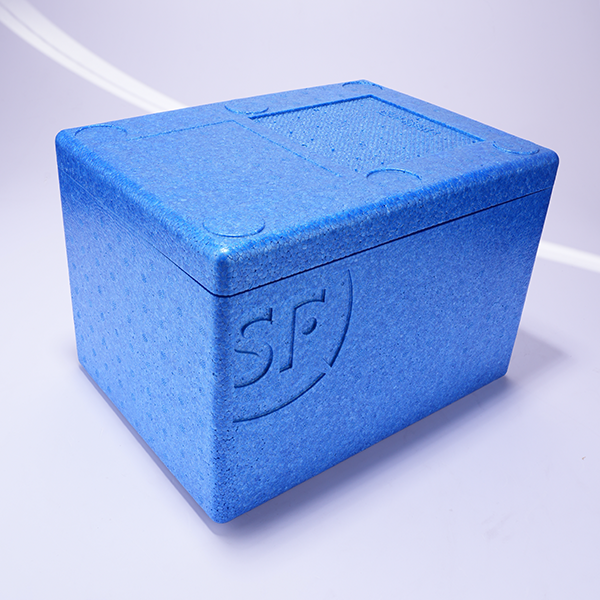
Tempk est une société industrielle Shanghai Tempk., Ltée. marque cotée en bourse Boîtes isolées EPP, personnalisation, accessoires, et service OEM. Ces offres fournissent une base pour discuter d'un projet personnalisé, mais ils ne démontrent pas à eux seuls l'approbation de l'aérospatiale, une certification de système qualité particulière, ou performances sur votre parcours. Nous invitons les acheteurs du secteur aérospatial à cadrer leur enquête autour d'un cas d'utilisation contrôlé et des preuves requises pour garantir la faisabilité., outillage, échantillons, contrôles de production, et les responsabilités en matière de qualification peuvent être revues sans hypothèses.
Apportez à Tempk vos informations de charge utile contrôlées, contraintes logistiques, exigences spéciales, et approbation des livrables. Demandez une proposition qui montre comment chaque exigence serait conçue, vérifié, contrôlé en production, et reconsidéré après le changement.