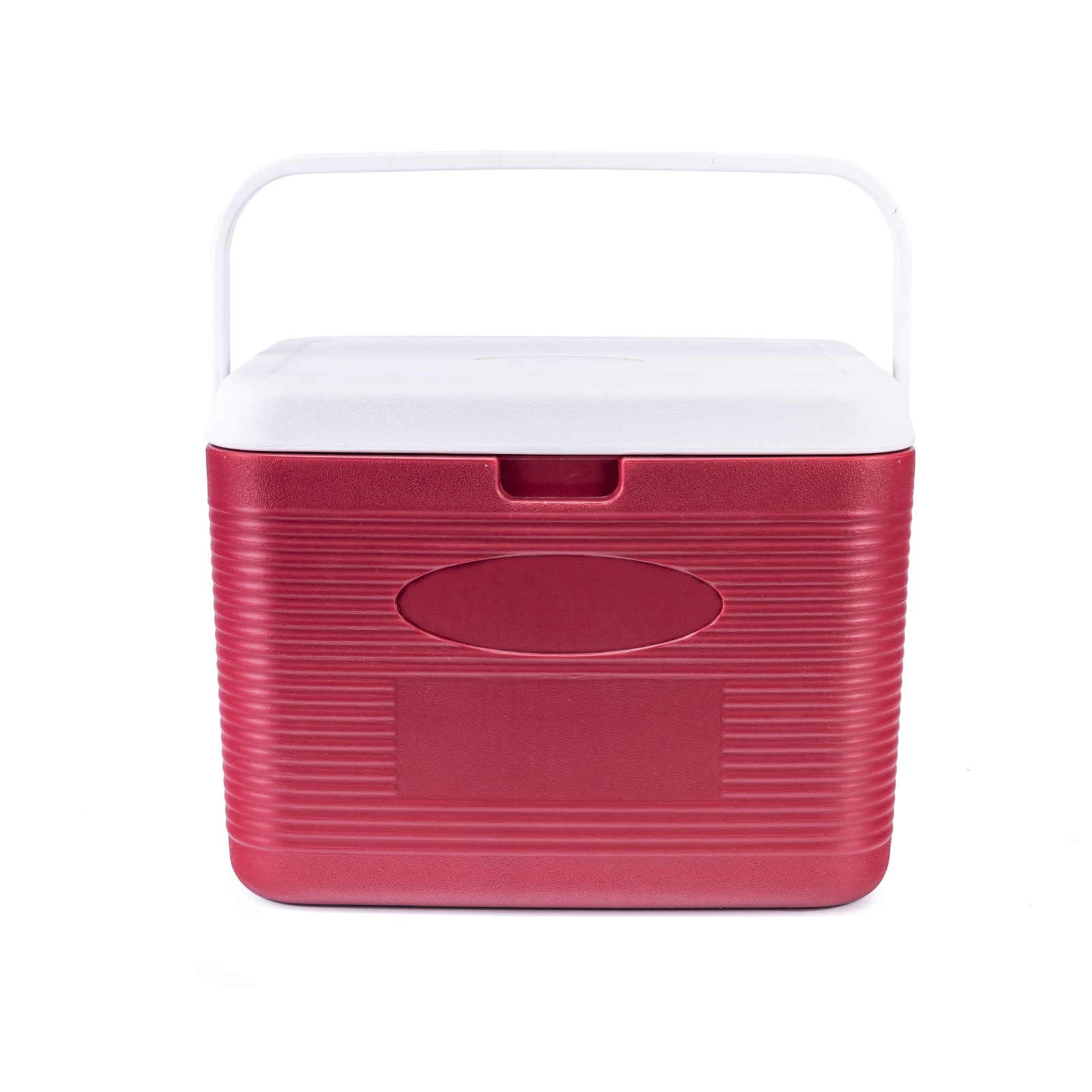
fournisseur de glacière EPP de qualité alimentaire: Un cadre d’approvisionnement plus propre
fournisseur de glacière EPP de qualité alimentaire doit être traité comme une spécification de passation des marchés, pas une étiquette de produit. Une bonne solution EPP protège la charge utile, correspond à l'itinéraire, prend en charge l'emballage reproductible, et donne à votre équipe qualité ou opérationnelle suffisamment de preuves pour approuver le choix.
Commencez par le travail que la boîte doit effectuer
Avant de comparer les fournisseurs, notez le travail de la glacière EPP. Est-ce principalement pour amortir une charge utile de précision, prendre en charge un emballage passif sous chaîne du froid, séparer les aliments, réduire les déchets dans la boucle de retour, ou normaliser les emballages de gros? La réponse change presque tous les choix techniques qui suivent.
Une boîte excellente pour un travail peut ne pas convenir à un autre. Un épais, un grand conteneur peut bien protéger mais consommer trop d'espace de stockage. Une boîte compacte peut être facile à transporter mais perdre du volume utilisable après les séparateurs. Une boîte pliable peut économiser du volume de retour mais créer des joints qui nécessitent une inspection. Une allégation de qualité alimentaire peut ne pas être pertinente si l'aliment est scellé, ou critique si les surfaces touchent directement les aliments.
Le cadre d’approvisionnement le plus propre donne la priorité à l’emploi, spécification deuxième, fournisseur tiers, prix quatrième. Cette commande permet de maintenir la discussion pratique et d'éviter qu'un devis à bas prix ne cache des détails techniques manquants..
Définir les non-négociables
Les conditions non négociables doivent être remplies pour que la glacière EPP soit acceptable.. Ils peuvent inclure un ajustement de charge utile, fermeture du couvercle, durée de l'itinéraire, méthode de nettoyage, correspondance d'échantillon, documentation, force du carton d'exportation, disposition du diviseur, ou compatibilité avec le liquide de refroidissement et surveillance. Ne faites pas de chaque préférence une valeur non négociable. Des exigences trop strictes peuvent pousser le projet vers des coûts inutiles.
Pour usage pharmaceutique, les éléments non négociables peuvent inclure des conditions de stockage étiquetées, preuve d'emballage, Placement de l'enregistrement, et réception de l'inspection. Pour usage aérospatial, ils peuvent inclure un contrôle de dessin, identification des pièces, Coordination EDD, et approbation de la révision. Pour usage alimentaire, ils peuvent inclure le nettoyage, contrôle des odeurs, déclarations par contact direct, et gestion des itinéraires. Pour usage en gros, la répétabilité et la gestion des défauts peuvent être plus importantes qu'une personnalisation inhabituelle.
Une fois que les éléments non négociables sont clairs, les devis des fournisseurs deviennent plus faciles à comparer. Vous ne vous demandez plus qui peut vendre une glacière en EPP; vous demandez qui peut soutenir vos conditions d'exploitation avec une conception appropriée et des preuves honnêtes.
| Facteur d'approvisionnement | Ce que cela affecte | Comment vérifier |
|---|---|---|
| Déclarations et documentation | Affecte l'approbation de la qualité, comparaison des fournisseurs, et confiance dans les commandes répétées. | Vérifier la portée, enregistrements, et si les preuves se rapportent à cette boîte. |
| Conception nettoyable | Peut influencer le prix, délai de mise en œuvre, et adéquation opérationnelle. | Transformez-le en une confirmation écrite du fournisseur. |
| Besoins du diviseur | Améliore l'ajustement ou l'organisation mais peut ajouter des outils, nettoyage, ou complexité de remplacement. | Confirmer l'approbation de l'échantillon et les options de remplacement. |
| Couleur personnalisée | Améliore l'ajustement ou l'organisation mais peut ajouter des outils, nettoyage, ou complexité de remplacement. | Confirmer l'approbation de l'échantillon et les options de remplacement. |
| Zone de logo ou d’étiquette | Peut influencer le prix, délai de mise en œuvre, et adéquation opérationnelle. | Transformez-le en une confirmation écrite du fournisseur. |
| Volume de commande | Modifie le coût unitaire, fret, stockage, et l'engagement de l'acheteur. | Piloter avant la mise à l’échelle et confirmer le plan d’emballage en vrac. |
Ce tableau permet d'éviter que le prix ne devienne la seule comparaison. Un prix unitaire plus élevé peut être justifié par un meilleur ajustement, moins de reconditionnement, une documentation plus claire, ou une production plus cohérente. Un prix inférieur peut être acceptable lorsque l’itinéraire est simple et que les exigences en matière de preuves sont modestes..
Demander des preuves, pas des promesses
Les promesses des fournisseurs sont faciles à rédiger. Les preuves sont plus utiles. Pour le fournisseur de glacières EPP de qualité alimentaire, la preuve peut être simple ou formelle selon le risque: dessins, exemples de photos, dimensions, notes matérielles, dossiers d'inspection, conseils de nettoyage, détails d'emballage du carton, ou des résumés de tests. Le niveau de preuve doit correspondre à la valeur et à la sensibilité de la charge utile.
Si une réclamation concerne la température, demandez les conditions derrière cela. Si une réclamation implique une résistance aux chocs, demander à quel risque de manipulation ou à quelle méthode de test il s'agit. Si une réclamation concerne l'ISO, confirmer s'il s'agit d'un certificat de système de management et si le site de fabrication est couvert. Si une allégation concerne la qualité alimentaire, demande quelle surface, résine, déclaration, ou les exigences du marché sont en cours de discussion.
Un bon fournisseur ne transformera pas chaque réponse en garantie. Ils vous diront ce qui a été testé, ce qui doit être vérifié par l'acheteur, et ce qui dépend de l'itinéraire ou des conditions du produit. Cette frontière protège les deux côtés.
Construisez le pont entre l’échantillon et la production
De nombreux programmes d'emballage échouent entre l'approbation des échantillons et la livraison en vrac. L'échantillon est manipulé avec soin, bien photographié, et approuvé rapidement. Plus tard, le lot de production arrive avec un ajustement de couvercle légèrement différent, état de surface, comportement du diviseur, ou des cartons d'emballage. La solution est un pont: définir ce qui rend l'échantillon approuvé et ce qui ne peut pas changer sans examen.
Pour une glacière EPP, l'approbation de l'échantillon doit couvrir les dimensions, espace de charge utile utilisable, sensation de matière, fermeture du couvercle, disposition du diviseur, étiquettes, couleur, méthode d'emballage, et toute preuve liée à des réclamations thermiques ou d'impact. Si le coffret est destiné à un itinéraire documenté, conserver l'échantillon approuvé ou un enregistrement clair de celui-ci à des fins de comparaison.
Pour les commandes répétées, demander si le fournisseur utilise le même moule et les mêmes conditions de production. Si des remplacements sont possibles, ils doivent être divulgués avant la production. Les substitutions silencieuses peuvent être invisibles dans un devis mais visibles dans un échec de route.
Quand la boîte du EPP n’est pas la seule réponse
EPP offre à l'acheteur une plateforme solide, mais certains problèmes nécessitent d'autres contrôles. Les produits sensibles à la température peuvent nécessiter packs de gel, PCM, Manipulation de la glace sèche, bûcherons de données, préconditionnement, et qualification d'itinéraire. Les composants électroniques peuvent nécessiter un emballage ESD. Les programmes alimentaires peuvent nécessiter des doublures, procédures de nettoyage, et documentation contact alimentaire. Les équipes aérospatiales ou pharmaceutiques peuvent exiger des dossiers de qualité des fournisseurs et un contrôle des modifications.
Ce n’est pas une faiblesse du EPP. C'est un rappel pour éviter de confondre le conteneur avec le système complet. La glacière EPP peut rendre le système plus facile à utiliser, plus robuste, et plus reproductible, mais seulement lorsque les contrôles manquants sont nommés et attribués.
Les documents de passation des marchés les plus pratiques comprennent une courte section sur les limitations. Indiquez ce que fait la boîte, ce qu'il ne fait pas, et quelles conditions doivent être vérifiées séparément. Cela facilite l'approbation interne et réduit les malentendus avec les fournisseurs..
Flux de commande pratique
D'abord, définir la charge utile et l'itinéraire. Deuxième, choisissez une gamme de tailles et décidez si les séparateurs, doublures, liquide de refroidissement, étiquettes, ou des poignées sont nécessaires. Troisième, demander des échantillons avec les mêmes caractéristiques prévues pour la production. Quatrième, emballer des charges utiles réelles et documenter les observations. Cinquième, convenir des spécifications de production et des règles de contrôle des modifications. Sixième, passer une commande groupée seulement après que l'échantillon de pont soit clair.
Pour les projets d'exportation, ajoutez l'emballage en carton et la protection d'expédition au flux de travail. Les boîtes EPP sont légères, mais cela ne signifie pas qu'ils ne peuvent pas être écrasés ou déformés pendant le transport avant d'atteindre votre entrepôt.. Une commande groupée devrait arriver prête à l’emploi, pas prêt pour le tri et la réparation.
Pour les produits sensibles à la qualité, ajouter une inspection à la réception. Vérifiez si les boîtes correspondent à l'échantillon approuvé, si les couvercles se ferment correctement, si les séparateurs sont adaptés, si les étiquettes sont correctes, et si des dommages sont survenus pendant l'expédition. Des contrôles simples à la réception évitent des problèmes plus importants en aval.
Un scénario d'acheteur
Par exemple, une équipe de préparation de repas peut avoir besoin d'une glacière EPP pour les itinéraires de livraison réfrigérés avec des retours répétés. Les questions utiles ne concernent pas seulement la sensation de froid de la boîte., mais si les compartiments correspondent aux emballages alimentaires, si la condensation peut être nettoyée, si les conducteurs peuvent fermer le couvercle rapidement, et si la boîte peut revenir sans odeur ni résidu emprisonné.
Outils de décision utiles
Vérifiez les détails avant de choisir l'emballage
Ces outils rapides peuvent vous aider à comparer le risque d'itinéraire, besoins de dimensionnement, choix de liquide de refroidissement, et les détails de l'emballage avant de demander un devis.
Résistance aux chutes du matériau isolant
Examinez la résistance aux chutes et les facteurs de manipulation avant de choisir des matériaux d'isolation..
Vérifier la résistanceCalculateur de banquise
Estimation de la quantité de pain de glace pour les expéditions réfrigérées et planification pratique des itinéraires.
Estimer les packs de glaceVérificateur de risque d'itinéraire
Examinez les conditions des pistes avant de sélectionner l'emballage en fonction des exigences opérationnelles réelles..
Vérifier le risque d'itinéraireFAQ
Quelle est la première question à poser sur le fournisseur de glacières EPP de qualité alimentaire?
Demandez quel travail la glacière EPP doit effectuer sur votre itinéraire. Protection de la charge utile, modération de la température, efficacité de retour, hygiène alimentaire, et la documentation conduisent tous à des spécifications différentes. Une fois le travail clair, les dimensions et les comparaisons de fournisseurs deviennent plus utiles.
Comment empêcher les fournisseurs de faire des promesses excessives?
Demandez les conditions derrière chaque réclamation de performance. Demander des dessins, détails de l'échantillon, résumés de tests, portée du certificat, et limites écrites. Un fournisseur crédible peut expliquer ce qui a fait ses preuves, ce qui est supposé, et ce qui doit être vérifié selon votre propre itinéraire ou conditions de produit.
Le prix doit-il être comparé avant les échantillons?
La vérification initiale des prix est normale, mais la comparaison finale devrait avoir lieu après l'examen de l'échantillon. Un échantillon bon marché qui ne correspond pas à la charge utile ou au processus de nettoyage n'est pas une solution peu coûteuse. Utilisez des échantillons pour révéler les coûts d’exploitation réels avant la mise à l’échelle.
Tempk peut-il vous aider avec des discussions personnalisées ou groupées?
Tempk peut discuter des aspects pratiques Boîte isolée Epp options, exigences d'emballage personnalisées, et matériels associés pour la chaîne du froid. La discussion la plus utile commence par l'itinéraire, charge utile, température attendue, conditions de manutention, et si la boîte sera réutilisée ou exportée en vrac.
Des contrôles qui rendent l'achat pratique
La vérification finale de l'approvisionnement doit relier la glacière EPP au problème qu'elle a été sélectionnée pour résoudre. Si ce problème ne peut pas être énoncé en une seule phrase claire, le devis peut évoluer plus rapidement que la spécification.
Utilisez les éléments non négociables avec parcimonie. Ajustement de la charge utile, fermeture du couvercle, accès nettoyage, documentation, et les preuves d'itinéraire peuvent être essentielles; les préférences esthétiques ou les personnalisations inutiles ne doivent pas fausser le coût ou le délai de livraison.
Un fournisseur doit être capable d'expliquer ce qui est prouvé, ce qui est supposé, et ce qui nécessite encore la confirmation de l'acheteur. Cette distinction est plus utile qu’une promesse confiante qui couvre chaque itinéraire et chaque catégorie de produits..
Gardez le contrôle de l’échantillon à la production visible. L'échantillon approuvé doit définir les fonctionnalités qui ne peuvent pas changer sans examen: dimensions, approche matérielle, disposition du diviseur, ajustement de la fermeture, étiquettes, codage couleur, et emballage en carton.
Préparez une simple inspection à la réception pour le premier envoi en vrac. Vérifier que les boîtes de production correspondent à l'échantillon approuvé avant leur mise en circulation quotidienne, quand les corrections sont encore plus faciles à gérer.
Pour la formation du personnel, utiliser des instructions physiques plutôt que de longs documents. Montrer où vont les charges utiles, comment le couvercle doit se fermer, où appartiennent les étiquettes, comment les dommages sont identifiés, et quand une boîte doit être retirée du service.
Si plusieurs équipes utiliseront la boîte, attribuer la propriété des mises à jour. Sans propriétaire nommé, changements de nettoyage, changements d'itinéraire, pièces de rechange, et les révisions des fournisseurs peuvent dériver sans que personne ne s'en aperçoive jusqu'à ce qu'un problème d'expédition apparaisse.
Pour les opérations alimentaires, préciser si la boîte entre en contact direct avec les aliments ou uniquement avec des aliments emballés. Cette distinction affecte les déclarations importantes, choix de doublure, produits chimiques de nettoyage, étapes d'inspection, et avec quelle confiance le terme qualité alimentaire peut-il être utilisé dans un document d'achat.
Les contrôles d'odeur et d'humidité sont particulièrement pratiques pour les itinéraires alimentaires. Un échantillon doit être chargé, transporté, nettoyé, séché, et stocké comme il le serait dans le travail quotidien. La décision doit inclure ce à quoi ressemble la boîte après utilisation, non seulement à quoi il ressemble lorsqu'il est neuf.
La conception des séparateurs et des compartiments doit être revue en gardant à l'esprit le nettoyage.. Fentes étroites, coins profonds, et les pièces amovibles peuvent bien organiser les produits, mais ils créent aussi des points d'inspection. Un séparateur qui ne peut pas être nettoyé ou remplacé peut devenir le maillon faible d'une boîte par ailleurs en bon état..
Transformez cette question du fournisseur en un point d'approbation écrit: La surface en EPP est-elle en contact direct avec des aliments ou uniquement avec des aliments emballés? La réponse doit être suffisamment précise pour que l'achat, qualité, et les opérations peuvent toutes l'interpréter de la même manière une fois la commande passée.
Transformez cette question du fournisseur en un point d'approbation écrit: Quelles déclarations de contact alimentaire ou de matériaux sont disponibles? La réponse doit être suffisamment précise pour que l'achat, qualité, et les opérations peuvent toutes l'interpréter de la même manière une fois la commande passée.
Transformez cette question du fournisseur en un point d'approbation écrit: La boîte peut-elle être nettoyée sans emprisonner l'eau ni les odeurs? La réponse doit être suffisamment précise pour que l'achat, qualité, et les opérations peuvent toutes l'interpréter de la même manière une fois la commande passée.
Conclusion
Les spécifications les plus strictes des fournisseurs de glacières en EPP de qualité alimentaire commencent par les conditions d'utilisation., pas avec une photo de produit générique. Définir ce que la box doit protéger, comment il sera emballé, comment cela sera géré, et de quelles preuves votre équipe a besoin avant l'approbation.
Une fois ces conditions claires, la discussion avec les fournisseurs devient plus productive: dimensions, densité, séparateurs, couvercles, nettoyage, protection des cartons, documentation, et le prix peut être comparé à la même réalité opérationnelle.
À propos du Tempk
Tempk fournit emballage chaîne du froid des solutions qui incluent Boîtes isolées EPP, boîtes d'expédition à froid, packs de gel, doublures isolées, sacs thermiques, et matériel connexe. Pour l'approvisionnement en glacières EPP, Tempk peut aider à transformer une exigence générale en une liste restreinte pratique basée sur la charge utile, itinéraire, température attendue, personnalisation, et besoins d'achat en gros. La meilleure prochaine étape consiste à partager les conditions d'utilisation afin que la discussion sur l'emballage commence par des preuves et une adéquation..
Envoyez à Tempk votre itinéraire, charge utile, température attendue, et la personnalisation doit permettre de créer une liste restreinte de fournisseurs de glacières EPP de qualité alimentaire..