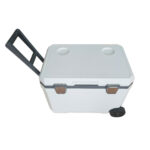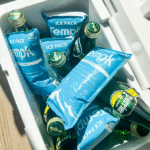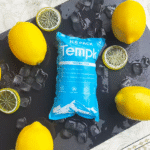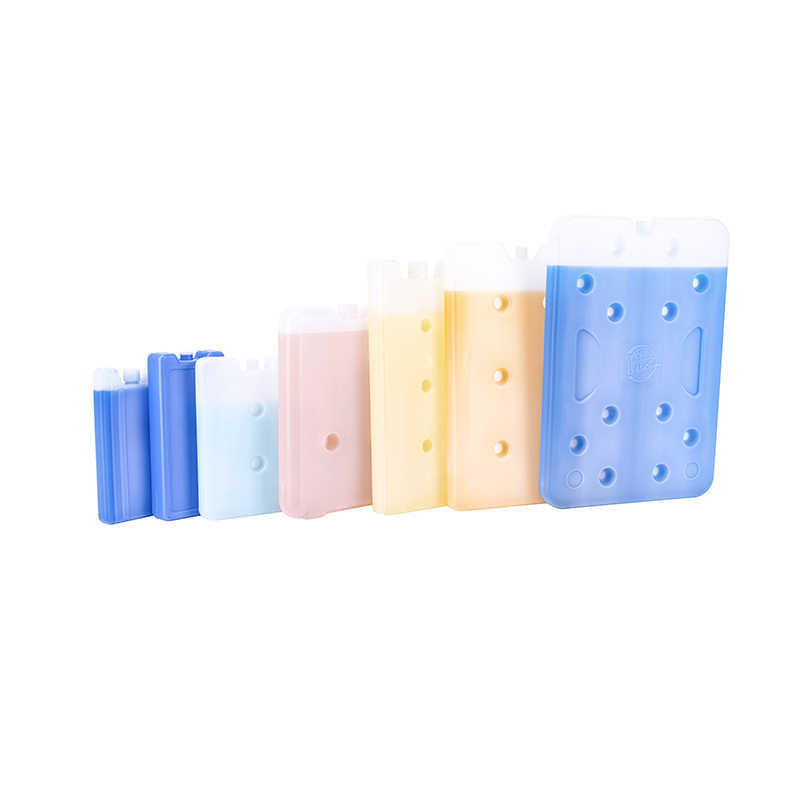
L'expédition cross-country de Gel Brick commence avec le contrôle des voies
L’expédition transfrontalière de briques de gel n’est pas principalement un problème de kilométrage. Un colis fait l'objet d'une préparation en salle d'emballage, ramasser, trier les hubs, transport de ligne, transferts exposés, véhicules du dernier kilomètre, et des retards de réception. Chaque segment consomme une partie de la réserve thermique finie d’un expéditeur passif. Un programme fiable convertit ce parcours en un profil de risque chronométré, qualifie ensuite un ou plusieurs conditionnements complets pour le produit, charge utile, saison, et service. La brique de gel fournit une capacité de refroidissement; il ne remplace pas l'isolation, discipline de route, surveillance, ou un récepteur prêt à agir.
L’objectif pratique est un envoi qui reste contrôlé lorsque la voie se comporte de manière crédible, non seulement lorsque chaque analyse se déroule dans les délais.
Tracer la frontière entre l'entrepôt frigorifique et l'entrepôt frigorifique
Le temps de transit du transporteur commence généralement après l'offre et se termine à la livraison. Le voyage thermal commence plus tôt et peut se terminer plus tard. Inclure l'intervalle pendant lequel les produits attendent d'être emballés, les briques quittent l'équipement de conditionnement, les cartons sont destinés au ramassage, et les réceptionnaires transfèrent les marchandises vers un entrepôt approprié. Si Quality doit examiner un enregistreur avant sa publication, définir comment le produit est conservé pendant cet examen.
Construisez la chronologie à partir d’événements réels. Les scans des transporteurs montrent le mouvement et le maintien; les registres d'entrepôt montrent l'emballage et la préparation; les horodatages de réception révèlent des retards après la preuve de livraison. La météo historique peut aider à décrire l’exposition saisonnière, mais la température extérieure signalée ne reflète pas une parcelle exposée directement au soleil, à côté d'une porte de quai, ou à l'intérieur d'une camionnette fréquemment ouverte. La surveillance sur le terrain est précieuse car elle relie ces conditions au package réel..
Portez une attention particulière au temps qui n’a pas de propriétaire clair. Un expéditeur terminé peut attendre après un ramassage manqué. Un colis peut arriver dans un bâtiment pendant que le destinataire désigné est absent. La livraison dans une zone éloignée peut ajouter un transfert non visible dans la description du service standard. L'emballage doit tenir compte d'une variabilité justifiée, tandis que la planification et l'escalade devraient supprimer les séjours évitables.
Transformez la voie en intrants de conception contrôlés
Utiliser un enregistrement de contrôle de voie pour chaque groupe d'itinéraires ou modèle de service. Il convient de distinguer ce que l'emballage peut répondre de ce qui nécessite une réponse opérationnelle..
| Zone de décision | Questions qui définissent la voie | Contrôle résultant |
|---|---|---|
| Produit | Quelle condition est approuvée, le gel est-il interdit, et comment les excursions sont-elles évaluées? | Processus écrit d’acceptation thermique et d’élimination de la qualité |
| Temps | Quand commence et se termine l'exposition thermique, et quels retards se produisent dans la pratique? | Durée prévue, éventualité justifiée, et règles relatives aux jours d'expédition |
| Environnement | Quelle origine, moyeu, destination, et les conditions chaudes ou froides du dernier kilomètre sont crédibles? | Profils saisonniers et déclencheurs de sélection de packout |
| Charge utile | Quelles sont les charges minimales et maximales, géométrie, état de départ, et motif vide? | Configurations de charge utile définies et remplissage ou insert approuvé |
| Manutention | Combien de transferts ont lieu, l'orientation peut-elle changer, et où les dommages peuvent survenir? | Retenue de brique, protection des cartons, contrôles de scellement et d’inspection |
| Service | Le transporteur se déplace-t-il le week-end, soutenir les régions éloignées, et proposer une intervention? | Sélection des services, alertes de suivi, et manuel d'exception |
| Reçu | Qui accepte l'envoi, examine les données, et stocke ou met en quarantaine le produit? | Contacts nommés, instructions de déballage, et appropriation de la réponse |
Ce dossier devient le lien entre l'évaluation des risques, essai, réservation, travail en entrepôt, et recevoir. Consultez-le lorsqu'un itinéraire, transporteur, charge utile, produit, ou modifications de composants. Une voie qui était stable selon un horaire peut acquérir un nouveau hub ou un nouveau modèle de week-end sans modifier son kilométrage..
Conception pour les deux côtés de la plage de température
Les équipes de cross-country s'inquiètent naturellement de la chaleur estivale, mais le froid peut être tout aussi dommageable. Un produit réfrigéré peut être confronté à de l'air glacial à l'extérieur du carton et à une brique de gel profondément conditionnée à l'intérieur.. Une température moyenne acceptable peut masquer un point froid local où le produit touche le liquide de refroidissement.
Commencez par l’exigence du produit approuvé plutôt que par une expression générique telle que « réfrigéré ». Le propriétaire du produit doit définir la gamme, sensibilité, et processus d'excursion utilisant des informations appropriées sur la stabilité et la réglementation. Exigences en matière de sécurité alimentaire, étiquetage pharmaceutique, protocoles de laboratoire, et les attentes en matière de qualité diffèrent. Un liquide de refroidissement sélectionné pour une application ne doit pas être transféré à une autre simplement parce que les deux sont décrits comme froids..
Les briques gelées peuvent nécessiter un diviseur spécifié ou un état de conditionnement alternatif pour les charges utiles sensibles au gel.. Les directives européennes relatives au PIB pour les médicaments mettent en garde contre tout contact direct avec des packs réfrigérants pouvant entraîner le gel. Les directives du CDC sur les vaccins mettent également en garde contre le gel packs de liquide de refroidissement peut congeler les vaccins réfrigérés et distinguer les emballages qualifiés testés en laboratoire des glacières grand public ordinaires. Ces faits ne fournissent pas un arrangement universel; ils montrent pourquoi une cartographie du côté froid et des instructions spécifiques au produit sont nécessaires.
Les configurations saisonnières peuvent réduire le poids inutile, mais ils introduisent un risque de sélection. Si l'été, hiver, ou des versions intersaisons sont utilisées, donner à chacun un kit de composants et une identité visuelle distincts. Définir qui choisit la version, quelles données éclairent la décision, et que se passe-t-il lorsque les prévisions sont incertaines. Une date calendaire à elle seule peut ne pas refléter un itinéraire traversant plusieurs zones climatiques.
Faire correspondre la géométrie de la charge utile, isolation, et briques de gel
Un expéditeur passif fonctionne grâce à l’interaction de quatre éléments. L'isolation réduit le flux de chaleur. Briques en gel absorber la chaleur lorsqu'ils se réchauffent ou changent d'état. Le produit apporte une masse thermique. Entretoises, annuler le contrôle, et la séquence d'emballage préserve la géométrie prévue.
La charge utile minimale peut être le cas le plus difficile car elle contient moins de masse de produit et plus d'air interne.. La charge utile maximale peut également créer un risque si les cartons déplacent le liquide de refroidissement, appuyer contre des surfaces froides, ou empêcher le couvercle de se fermer. Établir des plages de chargement représentatives ou des tailles d'expéditeurs distinctes au lieu de permettre aux emballeurs d'improviser.
Les dimensions des briques doivent permettre un agencement stable. Les unités plates peuvent former des parois latérales ou des couches; les détenteurs dédiés peuvent rendre visibles les omissions. Vérifier l'ajustement après conditionnement et tenir compte des tolérances dimensionnelles indiquées. Sécurisez les pièces afin que les vibrations et les changements d'orientation ne puissent pas les déplacer dans la cavité du produit.. Un pad non qualifié, oreiller pneumatique, ou une feuille de carton n'est pas nécessairement équivalente à l'intercalaire utilisée lors des tests.
L'emballage extérieur et la fermeture protègent la conception thermique lors de la manipulation des colis.. Évaluer les risques mécaniques pertinents en plus des performances de la chambre. Un joint d’isolation fissuré, couture ouverte, brique déplacée, ou un couvercle écrasé peut modifier les fuites de chaleur même si chaque composant a commencé à la bonne température.
Choisissez le service et le pack en une seule décision
Un service plus rapide peut réduire la durée mais introduire des transferts aériens et une sensibilité aux horaires. Le service au sol peut prendre plus de temps tout en suivant un couloir prévisible. Destinations éloignées, arrêts résidentiels, et les déplacements le week-end peuvent changer les deux. Comparez l’historique réel de l’origine au destinataire plutôt que de supposer qu’un mode de transport est toujours plus sûr.
Segmenter le réseau est souvent plus efficace que de forcer une seule conception à couvrir tous les extrêmes.. Une opération peut utiliser une configuration régionale, une configuration nationale standard, et une version à plus haut risque pour plus longtemps, plus chaud, ou voies éloignées. Le nombre exact doit rester gérable. Chaque version nécessite une nomenclature distincte, règle de sélection, preuve de qualification, et instructions d'emballage.
Calculer le fret à l'aide du colis fermé. Des briques de gel supplémentaires ajoutent de la masse et peuvent agrandir la cavité isolée. Une isolation plus efficace peut parfois réduire le liquide de refroidissement ou le cube externe, mais seuls les tests du système complet peuvent montrer si l'échange est solide. Une mise à niveau du service peut coûter moins cher que le transport d'une masse thermique excédentaire sur chaque voie facile.
Le mouvement de l'air introduit des questions d'acceptation supplémentaires. La glace carbonique est réglementée pour le transport aérien et est emballée, ventilation, marquage, documentation, et les dispositions de l'opérateur. Les briques de gel peuvent éviter ce comportement spécifique de la neige carbonique, mais la formulation exacte du liquide de refroidissement, marchandise, contenu biologique, piles, et les dispositifs de surveillance nécessitent toujours un examen approprié par le transporteur.
Prouvez la conception avant le déploiement national
La qualification commence par des critères d'acceptation prédéfinis et la configuration commerciale exacte. Enregistrez le récipient isolé, carton, pièce et quantité de brique de gel, méthode de conditionnement, séparateurs, bandes de charge utile, fermeture, emplacements des capteurs, profils ambiants, durée, et mode d'emploi.
Les tests thermiques contrôlés devraient remettre en question des conditions de chaleur et de froid crédibles, tolérances de processus, et charges minimales et maximales. Norme ISTA 20 décrit un processus de conception et de qualification pour conteneurs d'expédition isolés, et ISTA 7E fournit des profils thermiques de colis. Ils offrent un cadre discipliné, mais les conditions sélectionnées doivent encore être adaptées au produit et à l'itinéraire. Adopter un profil ne garantit pas un package adapté à chaque voie nationale.
Outils de décision utiles
Vérifiez les détails avant de choisir l'emballage
Ces outils rapides peuvent vous aider à comparer le risque d'itinéraire, besoins de dimensionnement, choix de liquide de refroidissement, et les détails de l'emballage avant de demander un devis.
Calculateur de glace carbonique
Estimer les besoins en glace carbonique pour les envois congelés ou ultra-froids avant l'emballage.
Estimation de la neige carboniqueCalculateur de banquise
Estimation de la quantité de pain de glace pour les expéditions réfrigérées et planification pratique des itinéraires.
Estimer les packs de glaceSélecteur d'emballage
Comparez les options d'emballage isotherme par produit, itinéraire, et besoin de température.
Trouver un emballageLe placement du capteur doit appuyer la décision. L'air près d'un couvercle peut réagir plus rapidement que le produit, tandis qu'un enregistreur contre une brique gelée signale une interface froide plutôt qu'une charge utile représentative. La cartographie du développement doit identifier les positions chaudes et froides pertinentes. La surveillance de routine peut alors être basée sur ces connaissances et sur les risques du programme..
Après le travail en laboratoire, utiliser des essais d'itinéraires surveillés lorsque cela est nécessaire pour tester les hypothèses opérationnelles. Inclure les emballeurs normaux, vrais seuils de ramassage, services de représentation, et récepteurs préparés. Comparez les enregistrements de température avec les analyses, état du colis, charge utile, et dossiers d'assemblage. Le succès sur le terrain soutient la voie définie; ce n'est pas une revendication de durée universelle.
Défiez l’envoi délicat
Le carton plein et soigné expédié en début de semaine est rarement le seul cas commercial. Inclure la plus petite commande approuvée, la charge la plus lourde ou la plus grande, un ramassage en fin de journée, et tout jour d'expédition autorisé par le programme. Si l'offre du vendredi ou la livraison sans surveillance le week-end est inacceptable, évitez-le tout au long du processus de commande et de réservation. Un scénario interdit ne doit pas rester possible simplement parce qu’un document de formation le déconseille.
Exécutez la voie à travers les contrôles de routine et les exceptions
Le conditionnement est un processus de production. Point de consigne du congélateur, état de départ de la brique, densité du lot, espacement des racks, flux d'air, utilisation de la porte, demeurer, et le stock chaud ajouté pendant le cycle influencent tous la préparation. Vérifier le modèle de chargement de routine au volume maximal. Séparé inconditionné, prêt, trempé le cas échéant, revenu, et les unités rejetées afin que le personnel ne puisse pas sélectionner uniquement au toucher.
Les instructions d'emballage doivent indiquer l'identité du composant, séquence de couches, orientation des briques, position du diviseur, bande de charge utile, emplacement de l'enregistreur, fermeture de la doublure, motif de bande, et vue finale. Utiliser des kits, analyses, photographies, ou des contrôles concis aux étapes critiques. Si la conception peut être assemblée de deux manières plausibles, simplifiez-le avant de le mettre à l'échelle.
Définir une période maximale entre le retrait des briques, achèvement du pack, et collecte des transporteurs. Lorsque le ramassage est retardé, déplacer l'expéditeur vers son lieu d'attente approuvé et suivre la procédure d'escalade. Ouvrir un carton qualifié pour insérer une brique gelée supplémentaire modifie la disposition et ne doit pas être un sauvetage improvisé..
Répondre au délai avant que la capacité thermique ne soit épuisée
Définir des alertes de suivi en cas de retrait manqué, moyeu bloqué, exception météo, correction d'adresse, et livraison ratée. Nommer le propriétaire logistique, contact du transporteur, décideur qualité, et le récepteur. Approuver au préalable les actions réalisables, telles que conserver le carton non ouvert dans un établissement doté de personnel, redirection vers un emplacement autorisé, accélérer le segment suivant, ou retour à l'origine.
La surveillance aide à interpréter une exception; cela ne refroidit pas le produit. Lorsqu'un écart se produit, combiner la trace avec les limites de qualification, informations sur la stabilité du produit, événements d'itinéraire, et état du colis. Le propriétaire de qualité autorisé doit décider de la disposition du produit selon la procédure applicable..
La réception clôture le processus. Le destinataire doit être informé à l'avance, priorité au déballage, étapes d'inspection, instructions de récupération de données, capacité de stockage, et un procédé de mise en quarantaine de marchandises douteuses. Délais de livraison et de déballage records. Un colis qui respecte l'engagement du transporteur peut toujours perdre le contrôle en attendant dans une salle de courrier.
Pour les briques de gel retournées, définir une fuite, joint, contamination, gonflement, déformation, identification, nettoyage, reconditionnement, et les règles de retraite. La réutilisation à l’échelle nationale est plus crédible dans les boucles commerciales consolidées. Le renvoi de briques vides individuelles à partir de récepteurs dispersés peut présenter peu d'avantages économiques ou environnementaux., alors mesurez les récupérations réelles avant de revendiquer le succès.
Preuve du fournisseur pour un envoi à travers le pays
Donner aux fournisseurs les groupes de tournées, état du produit, bandes de charge utile, format d'isolation, positions des briques, ressources de conditionnement, exposition saisonnière, durée prévue et imprévue, niveau de service, et le volume. Demandez ensuite des informations mesurables: dimensions et tolérances remplies, masse, construction extérieure, description du liquide de refroidissement, conseils de conditionnement, identification du lot, documents de sécurité, coffret commercial, et pratique de notification de changement.
Demandez quelle configuration complète prend en charge une déclaration de performances. Les détails pertinents sont la boîte, charge utile, quantité et état des briques, profil ambiant, positions des capteurs, durée, et limites d'acceptation. Les échantillons utilisés pour le développement final doivent représenter le produit commercial proposé et le site de production..
Le support des fournisseurs peut restreindre les options et améliorer l’adéquation, mais l'expéditeur reste responsable des critères du produit, sélection de voie, accords avec les transporteurs, qualification, et contrôle de routine. Une brochure de composant ne peut pas approuver un réseau national.
Questions fréquemment posées
Combien de briques de gel sont nécessaires pour une livraison à travers le pays?
Il n'existe pas de décompte fiable basé sur la distance. La quantité dépend de la brique, isolation, masse du produit, conditions de départ, géométrie interne, profil saisonnier, temps de trajet, et contingence. Élaborer un arrangement de candidats, puis testez l'emballage commercial exact sur sa charge utile et ses conditions d'itinéraire approuvées.
Le transport aérien de nuit est-il plus sûr que le transport terrestre sur plusieurs jours?
Cela peut réduire le temps écoulé, mais les services aériens introduisent des transferts de terminaux, seuils, et risque de connexion manquée. Le sol peut être prévisible sur certains corridors et variable sur d’autres. Comparez les historiques d'analyses réels, temps de porte à porte, environnements saisonniers, disponibilité du récepteur, suivi, options de récupération, et le forfait qualifié pour ce service.
Un emballage peut-il couvrir l'été et l'hiver?
Il se peut, si des preuves contrôlées soutiennent à la fois les expositions au chaud et au froid et que le poids qui en résulte reste économique. D'autres programmes utilisent des versions saisonnières pour réduire le risque de masse ou de gel. Quand les versions diffèrent, documenter le déclencheur de sélection, utiliser des kits clairement séparés, et qualifier chaque arrangement approuvé.
Où placer un enregistreur de température?
Placez-le là où la lecture soutient l’acceptation du programme ou la décision d’enquête. La cartographie du développement doit identifier les emplacements des produits chauds et froids. Le placement de routine suit ensuite le plan écrit. Évitez tout placement occasionnel dans un espace vide ou directement contre une brique de gel, à moins que cet emplacement ne soit intentionnellement évalué..
Quand la voie doit-elle être à nouveau revue?
L'examen est approprié après des modifications apportées au produit, charge utile, liquide de refroidissement, isolation, carton, fournisseur, processus de conditionnement, transporteur, service, moyeux, calendrier, site de réception, ou un modèle d'excursion récurrent. Le système qualité doit déterminer si le changement nécessite une mise à jour du document, vérification ciblée, ou une requalification plus large.
La fiabilité tout-terrain est conçue de porte à porte
Une expédition transfrontalière efficace de briques de gel combine une exigence spécifique au produit, profil de voie chronométrée, saisonnier packout, conditionnement reproductible, prestation adaptée, preuves surveillées, et un récepteur préparé. Commencer à rangement froid et finir en chambre froide. Utiliser des contrôles de processus pour supprimer les retards prévisibles, et réserver la capacité de conditionnement pour une exposition crédible plutôt que des hypothèses inconnues.
À propos du tempk
Et tempk, nous fournissons packs de glace en gel et emballage isolé formats pour la nourriture, médical, et autres applications sensibles à la température. Nous pouvons examiner vos groupes d'itinéraires, dimensions de la charge utile, ressources de conditionnement, et le conteneur actuel pour discuter des tailles de briques candidates et des formats d'emballage. Nos recommandations sont des éléments d’entrée dans votre processus de conception; le système terminé doit être testé et contrôlé pour le produit, saisons, niveaux de service, et les conditions de réception que vous comptez utiliser.
CTA: Partagez une voie de cross-country représentative, ses risques saisonniers, plage de charge utile, condition requise, service, et retarder l'historique avec Tempk. Nous pouvons vous aider à présélectionner les composants pour un essai d'emballage instrumenté.