Expédition internationale de briques de gel: Construire un système prêt pour les frontières
Brique de gel le transport maritime international est possible sur de nombreuses routes, mais le liquide de refroidissement ne peut pas être évalué séparément du produit, transporteur, processus douanier, et emballage thermique. Un vol prioritaire peut être court pendant l'acceptation de l'exportation, sécurité, transfert, autorisation, et la livraison du dernier kilomètre prend beaucoup plus de temps. Le colis doit couvrir tout l’intervalle porte à porte, et chaque organisation lors d'un transfert a besoin d'instructions précises. Avant de commander des briques, confirmer que le produit est admissible, le liquide de refroidissement exact et le dispositif de surveillance sont acceptés, et la configuration finale peut répondre aux critères spécifiques au produit dans des conditions d'itinéraire crédibles.
La préparation à l’international est donc à la fois une tâche de conditionnement et une tâche de contrôle de l’information..
Établir ce qui est autorisé avant de résoudre le problème thermique
Commencez par la charge utile. Aliments, médicaments, matériel de diagnostic, substances biologiques, produits chimiques, plantes, produits d'origine animale, et les appareils contenant des piles peuvent déclencher différentes exportations, importer, conditionnement, documentation, ou exigences du transporteur. Confirmez la description du produit, classification, quantité, confinement primaire et secondaire, autorisations de destination, et autorisation du destinataire auprès de l'organisme de réglementation responsable, marchandises dangereuses, et spécialistes du commerce.
Ensuite, évaluez le liquide de refroidissement. « Gel brick » décrit un format, pas une classification de transport. Gels riches en eau, mélanges de sel, et d'autres formulations à changement de phase peuvent ne pas avoir des propriétés ou un statut réglementaire identiques. Obtenir des informations actuelles sur la sécurité et le transport spécifiques au produit auprès du fournisseur. Si le remplissage, coquille, ou modifications des spécifications de production, examiner à la fois la classification et les implications thermiques.
Enfin, vérifier l'itinéraire et le service. Air, route, mer, postal, et les réseaux express appliquent différents cadres juridiques et restrictions des opérateurs. Les variations nationales ou aériennes peuvent être plus restrictives qu'une règle générale. L'acceptation écrite doit couvrir le produit exact, liquide de refroidissement, quantité, emballer, dispositif de surveillance, origine, destination, et points de transit plutôt qu'une assurance générique que les packs de gel sont autorisés.
Conservez les briques de gel et la neige carbonique dans des décisions séparées
Glace sèche est du dioxyde de carbone solide et est identifié comme UN 1845 dans les règles relatives aux marchandises dangereuses du transport aérien. Son emballage doit permettre le dégagement de gaz, et marquage applicable, quantité, documentation, manutention, et les dispositions de l'opérateur doivent être respectées. Il produit également un environnement beaucoup plus froid qu'une brique de gel réfrigérée conventionnelle..
Une brique de gel ne repose normalement pas sur la sublimation au dioxyde de carbone, mais cette différence ne prouve pas que chaque formulation ou expédition terminée est sans restriction. Inversement, une brique de gel n'est pas une alternative lorsque le produit nécessite réellement des conditions de gel ou de froid profond. Laissez la stabilité du produit et l'examen actuel du transport déterminer la catégorie de réfrigérant.
Créer un enregistrement de sortie transfrontalière
Les échecs internationaux se produisent souvent entre les fonctions. La qualité approuve l'expéditeur, la logistique réserve l'itinéraire, la conformité commerciale prépare une facture, un courtier attend l'arrivée, et le destinataire attend la livraison sans voir les instructions finales. Un enregistrement de destination unique rend ces dépendances visibles.
| Zone de libération | Confirmation requise | Partie responsable | Revérifiez quand |
|---|---|---|---|
| Marchandise | Description claire, classification, permis, confinement et éligibilité à l’importation | Spécialistes des produits et du commerce | Produit, quantité, changements de marché ou de règles |
| Liquide de refroidissement et appareils | Documentation exacte sur la brique de gel, batterie enregistreur ou acceptation radio, quantités | Contacts marchandises dangereuses et transporteurs | Fournisseur, formulation, changements d'appareil ou d'opérateur |
| Emballage thermique | Récipient, identité et état de la brique, plage de charge utile, durée et acceptation | Emballage et qualité | Composant, saison, changements de charge utile ou d’itinéraire |
| Transport | Condition de manutention réservée, gares, relations, service de stockage et d'exception | Prestataire logistique | Calendrier, aéroport, changements de transitaire ou de service |
| Douane | Facture, liste de colisage, valeur, origine, permis, pré-alerte importateur et courtier | Conformité commerciale et courtier | Modifications de la destination ou du processus de dédouanement |
| Reçu | Contact nommé, heures d'ouverture, stockage, inspection, récupération et mise en quarantaine de l'enregistreur | Destinataire et qualité | Site, changements de personnel ou de jours fériés locaux |
| Contingence | Couverture des fuseaux horaires, options de conservation, autorité de remontée et de disposition | Logistique et qualité | Apprentissage d’incident ou révision de voie |
Gardez le dossier contrôlé et à jour. Un itinéraire peut changer de hub, un service direct peut devenir saisonnier, et l’autorisation d’un importateur peut devenir caduque. La réutilisation du fichier de l’année dernière sans confirmation peut consommer plus de réserve thermique que n’importe quelle amélioration de l’isolation n’en économise..
Transformer l'itinéraire en budget thermique
Commencez le chronométrage lorsque le produit ou le liquide de refroidissement quitte son environnement de préparation contrôlé et arrêtez-le uniquement lorsque le destinataire a transféré les marchandises vers un stockage approprié.. Inclure l'emballage, version interne, attente de ramassage, contrôle des exportations, séjour au terminal, soulèvement, transfert, gestion des importations, contrôle douanier, tri par destination, livraison, et déballage.
Utiliser les preuves d'itinéraire pour établir une éventualité plutôt que d'ajouter une période supplémentaire arbitraire. Consulter l’historique de la réservation à la livraison, connexions manquées, variabilité du jeu, week-end, jours fériés locaux, requêtes de documents, livraison à distance, et capacité d'intervention. Le package doit couvrir une variabilité opérationnelle justifiée. Les événements au-delà de cette limite nécessitent une escalade définie et une réponse à la disposition du produit..
Les voyages internationaux peuvent traverser les climats en quelques heures. Une origine chaude, centre de transfert à froid, et une destination chaude peut défier différentes surfaces du même colis. Sélectionnez des profils externes qui représentent l'itinéraire, pas seulement des moyennes d’origine et de destination. ISTA 7E fournit des profils thermiques de distribution de colis qui peuvent prendre en charge le développement, tandis que l'historique des itinéraires et les essais surveillés aident à déterminer si des défis supplémentaires ou différents sont appropriés..
La chaleur n'est qu'une préoccupation. Un liquide de refroidissement profondément conditionné peut créer un point froid contre une charge utile sensible au gel, en particulier lorsque l'environnement de destination ou de transfert est également froid. Les directives européennes du PIB pour les médicaments conseillent de disposer des packs réfrigérants pour éviter tout contact direct avec un risque de gel. Traiter les séparateurs, état de conditionnement, et la position des briques en tant que parties contrôlées de la conception.
Qualifier un colis pouvant survivre à l’inspection et à la manipulation
Un expéditeur international qualifié est une configuration définie, pas une boîte de marque ni un composant congelé. La nomenclature doit identifier l'isolation, carton extérieur, pièce et quantité de brique de gel, méthode de conditionnement, séparateurs, doublure, bandes de charge utile, enregistreur, fermeture, étiquettes, et séquence d'assemblage.
Les tests contrôlés nécessitent des critères d'acceptation spécifiques au produit, profils chauds et froids justifiés, la durée prévue du porte-à-porte, extrêmes de charge utile, et tolérances de processus pertinentes. Norme ISTA 20 fournit un processus structuré pour la conception et la qualification des conteneurs maritimes isolés. Une méthode standard soutient les preuves; cela ne garantit pas tous les aéroports, retard douanier, ou voie commerciale.
La protection mécanique fait partie du plan. Les colis internationaux subissent une compression, vibration, impact, changements d'orientation, et opportunités de crevaison. Une brique qui fuit peut mouiller les étiquettes, endommager le carton ondulé, contaminer les emballages secondaires, et modifier le transfert de chaleur. Si le conditionnement mécanique peut déplacer le liquide de refroidissement ou endommager l'isolation, évaluer l'effet thermique sur l'assemblage final.
Les autorités douanières et de sécurité peuvent légalement ouvrir un colis. Facilite la manipulation correcte sans gêner l’inspection. Soumettez les documents d'importation via les canaux externes et électroniques acceptés plutôt que de les enterrer à l'intérieur de l'isolation.. Placez un diagramme de couches concis et des instructions de refermeture là où un inspecteur ou un destinataire peut les trouver. Utiliser des preuves d’inviolabilité le cas échéant, et définir comment un expéditeur ouvert ou mal refermé sera évalué à réception.
Un essai routier utile teste les personnes ainsi que l'isolation
Après un développement maîtrisé, des expéditions surveillées représentatives peuvent montrer si la réservation, transferts, réponse du courtier, et les hypothèses de correspondance du processus de réception. Utiliser des composants à vocation commerciale et du personnel de routine formé. Réconcilier les données de température avec le suivi, événements de vol ou de transfert, statut douanier, inspection des colis, et temps de déballage.
Par exemple, un laboratoire exportant des kits réfrigérés peut avoir un itinéraire rapide mais une couverture peu fiable par les courtiers le week-end. Une dépêche en début de semaine, description du produit examinée, pré-alerte du destinataire, et un jeu réaliste peut réduire les risques sans ajouter de liquide de refroidissement. Le colis nécessite toujours des preuves appropriées, mais la préparation opérationnelle préserve sa capacité à prendre des retards qui ne peuvent être évités.
Aligner les étiquettes, documents, réservation, et manipulation
Chaque instruction doit décrire le même envoi. Une lettre de transport demandant une condition de manutention alors qu'un label ou un accord de qualité en indique une autre crée une ambiguïté en gare.. Aligner la réservation du transporteur, documents commerciaux, déclarations applicables, marques de colis, consignes de température, pré-alerte du courtier, et procédure de réception.
Outils de décision utiles
Vérifiez les détails avant de choisir l'emballage
Ces outils rapides peuvent vous aider à comparer le risque d'itinéraire, besoins de dimensionnement, choix de liquide de refroidissement, et les détails de l'emballage avant de demander un devis.
Sélecteur d'emballage
Comparez les options d'emballage isotherme par produit, itinéraire, et besoin de température.
Trouver un emballageRésistance aux chutes du matériau isolant
Examinez la résistance aux chutes et les facteurs de manipulation avant de choisir des matériaux d'isolation..
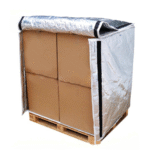
Vérifier la résistanceDoublure de boîte & Dimensionnement des couvertures de palettes
Vérifiez la logique de dimensionnement du revêtement de boîte et du couvercle de palette pour les projets d'emballage isotherme.
Dimensionnement estiméL'étiquette Time and Temperature Sensitive de l'IATA est utilisée pour les cargaisons de soins de santé réservées à titre temporel.- et sensible à la température et communique la plage de transport externe autorisée. Cela ne prouve pas que le produit à l'intérieur est resté dans sa propre plage d'acceptation., et l'application du label à elle seule ne suffit pas à qualifier un expéditeur passif. Confirmez les règles d'étiquetage et d'acceptation en vigueur auprès de la compagnie aérienne ou du transitaire..
Utiliser une formulation claire sur les produits. Des termes vagues tels que « échantillons » ou « cool pack » peuvent susciter des questions car ils n'expliquent pas ce que les douanes ou le transporteur acceptent.. La facture, liste de colisage, permis, et la lettre de transport doit utiliser des, des descriptions précises et adaptées à leur objectif.
Si une intervention est proposée, le définir techniquement. Une station locale ne doit pas ouvrir l'expéditeur et échanger des briques avec un stock visuellement similaire à moins que la procédure, partie, condition de départ, position, documentation, et l'autorité ont été approuvées. Souvent, la réponse la plus sûre consiste à déplacer le colis fermé dans un environnement contrôlé approprié et à l'accélérer..
Le contrôle doit conduire à une décision de réception
Un enregistreur de données enregistre l'exposition; il ne protège pas la température. Sélectionnez-le pour la plage de mesure requise, précision, besoins d'enregistrement, état d'étalonnage, durée, et processus d'accès aux données. Confirmer l'acceptation par le transporteur de sa batterie et de toute transmission radio. Un appareil connecté peut ne pas communiquer dans chaque aéroport ou destination même s'il continue d'enregistrer.
Définir l'activation, lien d'identifiant, placement, base d'horloge, récupération, revoir, et conservation des données. Un enregistreur touchant une brique gelée signale une interface qui peut ne pas représenter la charge utile. Un appareil caché dans la position centrale la plus stable peut manquer le risque de bord. Utiliser la cartographie du développement pour justifier le placement de routine.
À destination, le destinataire doit enregistrer les délais de livraison et de déballage, inspecter le carton, isolation, scellés, briques, et emballage du produit, arrêter ou récupérer le moniteur comme indiqué, et transférer les marchandises rapidement. Lorsqu'une alarme ou un écart se produit, conserver les preuves et suivre le processus approuvé de quarantaine et d’excursion. Informations sur la stabilité du produit, durée d'exposition, contexte de mesure, et l'autorité qualité détermine la disposition; l'apparence ou une alarme générique ne le décide pas seul.
Source et budget pour l'ensemble du système international
Les achats internationaux nécessitent de la précision dans les commandes répétées. Spécifier les dimensions nominales remplies et les tolérances, masse, construction extérieure, description du liquide de refroidissement, conception de joint, instructions de conditionnement, étiquette et identité du lot, coffret, site de production, stockage, et notification de changement. Les échantillons destinés à la production doivent provenir des spécifications et du site censés répondre aux commandes commerciales..
Demander la sécurité actuelle, matériel, transport, et autres documents de candidature nécessaires pour votre produit et vos destinations. Confirmer la portée et l'article exact. Une déclaration de contact alimentaire n'établit pas de temps de conservation, un certificat de système qualité ne classe pas un liquide de refroidissement, et un rapport thermique provenant d'un autre conteneur ne qualifie pas votre emballage.
Demandez comment les contrôles des fournisseurs se remplissent, dimensions, scellés, fuite, étiquetage, stock non conforme, et des changements. L'examen commercial doit couvrir les quantités commandées, hypothèses de délais, géométrie ou impression personnalisée, format caisse et palette, transport entrant, et approvisionnement d'urgence. Si une formulation, coquille, site, ou des changements de processus, votre équipe doit évaluer les documents, ajuster, classification, et des preuves thermiques avant que le produit révisé n'entre dans un emballage contrôlé.
Le coût au débarquement et le recouvrement suivent le réseau
Comparez le coût au débarquement plutôt que le prix du liquide de refroidissement. Inclure l'isolation, conditionnement, travail d'emballage, surveillance, masse et cube de fret, documents d'exportation, courtage, droits ou taxes le cas échéant, gestion des destinations, retarder l'enquête, exposition à la perte de produit, et élimination ou retours.
La réutilisation transfrontalière peut fonctionner entre les installations avec des liaisons régulières. Il a besoin d’appropriation, transport aller-retour groupé, examen douanier le cas échéant, nettoyage, inspection, identification, reconditionnement, suivi des pertes, et la retraite. Une brique physiquement réutilisable envoyée à des destinataires unidirectionnels dispersés ne crée pas un tel système. Le retourner individuellement peut ajouter plus de coûts et de transport qu'il n'en évite.
Les instructions de fin de vie nécessitent également une connaissance de la destination. Le matériel accepté dans un système de récupération peut ne pas être accepté dans un autre, en particulier lorsque des résidus de gel ou une construction mixte sont présents. Demandez des informations précises sur les matériaux et utilisez des conseils spécifiques au marché. Tout changement de matériau ou de géométrie axé sur la durabilité doit passer un contrôle de modification et une évaluation appropriée des performances.; un emballage réduit qui augmente la perte de produit n'est pas un résultat judicieux.
Questions fréquemment posées
Les briques de gel sont-elles acceptées dans le fret aérien international?
Ils sont souvent, mais l'acceptation dépend du remplissage exact, quantité, charge utile, itinéraire, opérateur, et les règles nationales. Donnez au transporteur ou au transitaire la documentation actuelle spécifique au produit et les détails complets de l'expédition.. Ne généralisez pas à partir d’un envoi passé, une brique d'apparence similaire, ou le nom du liquide de refroidissement seul.
Une brique de gel nécessite-t-elle des documents relatifs aux marchandises dangereuses?
Cette conclusion nécessite une classification de la formulation réelle et une expédition complète. La charge utile peut également déclencher des besoins indépendamment du liquide de refroidissement. Obtenir des informations actuelles sur les fournisseurs et utiliser un examen compétent des marchandises dangereuses. Ne copiez pas la documentation relative à la glace carbonique sur du liquide de refroidissement en gel., et ne revendiquez pas le statut sans restriction sans vérifier la voie et l'opérateur applicables..
Quel délai douanier le colis doit-il couvrir?
Il n’y a pas de marge universelle. Baser la tolérance de conception sur l'historique de l'itinéraire, préparation au permis, couverture du courtier, week-end, vacances, risque d'inspection, réponse du destinataire, et options de récupération. Défiez la durée sélectionnée sous les profils appropriés et définissez l'escalade pour les événements au-delà de celle-ci.. Les retards de documentation évitables devraient être corrigés plutôt que absorbés avec plus de liquide de refroidissement.
Les douanes peuvent-elles ouvrir un colis qualifié à température contrôlée?
Les autorités peuvent l'inspecter. Rendre les documents accessibles, fournir des informations claires sur la manipulation et la refermeture, et utiliser des preuves d'inviolabilité appropriées. A la réception, documenter l'ouverture, état du sceau et de l'emballage, et relevé de température. Si l'inspection a modifié l'emplacement ou la fermeture du liquide de refroidissement, suivre la procédure qualité au lieu de supposer que les preuves originales s'appliquent toujours sans modification.
Un enregistreur est-il obligatoire dans chaque envoi international?
Les exigences varient selon le produit, marché, accord de qualité, programme, et le risque. Certaines expéditions peuvent nécessiter une surveillance, tandis que d'autres utilisent un système qualifié avec une stratégie de vérification définie. Décider avec les équipes responsables de la qualité et de la réglementation. Quelle que soit la fréquence choisie, l'appareil doit être placé correctement et son résultat lié à l'action.
Rendre la bordure visible dans le plan d'emballage
Une expédition internationale fiable de briques de gel aligne quatre systèmes: classification des produits et des transports, conception thermique porte-à-porte, transporteur et exécution douanière, et réception contrôlée. Confirmer les matériaux exacts, construire autour d’une clairance réaliste et d’une exposition saisonnière, qualifier la configuration commerciale, et gardez les étiquettes et les documents cohérents. Examinez la voie chaque fois qu'un itinéraire, fournisseur, composant, service, ou des changements dans le processus de destination.
À propos du tempk
Et tempk, nous offrons packs de glace en gel et emballage isolé options pour la nourriture, médical, et autres utilisations sensibles à la température. Nous pouvons discuter du format brique, dimensions, conditionnement, ajustement de l'isolation, et les informations disponibles sur les produits en utilisant les détails des produits et des itinéraires que vous fournissez. Notre apport de composants peut soutenir le développement, mais acceptation du transporteur, exigences d'importation, conformité du produit, et la qualification du système complet reste spécifique à votre expédition et à votre destination.
CTA: Partagez votre marchandise, origine, destination, mode de transport, plage de charge utile, condition requise, chronométrage de l'itinéraire, historique des dédouanements, et besoins en documentation avec Tempk. Nous pouvons vous aider à identifier les formats candidats de briques de gel et d'emballages isolés à évaluer avant le lancement..