Choisir une cryothérapie Distributeur de packs de gel pour une distribution de produits chimiques sans approximations
Un bon pack de gel de cryothérapie le fournisseur devrait vous aider à résoudre un problème d'itinéraire, il ne suffit pas de citer un prix unitaire. Pour la distribution de produits chimiques, cela signifie adapter le format de l'emballage à l'exposition à la température, modèle de chargement, flux de travail de l'opérateur, et le niveau de documentation requis par votre processus d'approvisionnement.
De nombreux acheteurs commencent avec le bon instinct et le mauvais raccourci. Ils se concentrent sur la taille nominale du paquet, ou si une pochette est douce ou rigide, avant de vérifier les éléments qui déterminent habituellement les résultats: pratique de conditionnement, nombre de packs, géométrie de la boîte, intégrité du joint, changer de contrôle, et correspondre à l'itinéraire réel.
La meilleure approche consiste à séparer trois questions. D'abord, quel travail fait la meute dans le système? Deuxième, quels détails techniques contrôlent ce travail? Troisième, quel fournisseur peut reproduire ces détails de manière cohérente à l'échelle commerciale? C'est le cadre utilisé par cet article.
Ce que ce produit résout et ce qu'il ne résout pas
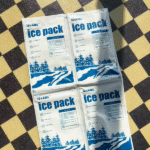
Un doux réutilisable gel froid parfois envisagé pour la logistique chimique car durable, mais il n'a pas nécessairement été conçu comme élément de transport principal pour les produits chimiques. Il est généralement choisi parce que les acheteurs recherchent de la flexibilité et une manipulation durable des sachets.. Dans les produits chimiques sensibles à la température, réactifs, matériaux spéciaux, et logistique chimique de laboratoire, cela peut rendre le pack plus facile à placer, plus facile à compter, ou plus facile à intégrer avec un expéditeur isolé.
Les packs de type cryothérapie sont souvent conçus pour rester doux contre le corps et pour survivre à des manipulations répétées de gel-dégel.. Ce sont des qualités utiles, mais ce ne sont pas les mêmes que les qualifications de transport. Lorsque les acheteurs comparent ces packs pour l'expédition, they should separate comfort-oriented design from route-oriented packaging performance.
La limite importante est la suivante: le pack n'est qu'une partie du système. La distribution de produits chimiques augmente la compatibilité, intervention en cas de déversement, and documentation questions that do not exist in ordinary consumer cold-pack sourcing. Si le parcours est long, chaud, très variable, ou réglementé, les acheteurs doivent encore revoir l’isolation, charge de produit, conditionnement, manutention, et les attentes du destinataire.
- Utilisez le nom du pack comme point de départ, pas comme preuve de l'adéquation de l'itinéraire.
- Adaptez le format à la disposition de la boîte et au flux de travail de l'opérateur, pas seulement à la catégorie de produits.
- Demandez à quoi le pack est conçu pour faire après conditionnement, dégel partiel, et reçu.
Adaptez le format à l'itinéraire, produit, et modèle de manipulation
L'adéquation de l'itinéraire compte plus qu'une étiquette de catalogue. Start with the job the pack has to do across lab chemical transfers, distribution de réactifs spécialisés, et expéditions industrielles sensibles à la température: maintenir une plage de température cible, tamponner les pointes courtes, couches de produits séparées, ou garder la charge stable jusqu'à la réception.
Chemical distribution adds another layer of review. The refrigerant remains outside the regulated product packaging, but buyers still need to think about compatibility, intervention en cas de déversement, et les besoins de stabilité du produit chimique lui-même. Un pack souple réutilisable peut être utile, yet it should be considered within the broader containment and safety logic of the shipment. Les acheteurs ne doivent pas seulement cartographier le temps de transport en ligne, mais aussi du stockage pré-emballé, temps de séjour du carton sur le quai, transferts de transporteurs, fenêtres de livraison, et à quelle vitesse le destinataire vérifie l'envoi. Un pack peut sembler adéquat dans la chambre de congélation et néanmoins sous-performant une fois ces expositions supplémentaires ajoutées..
Le même pack peut bien fonctionner dans une voie et mal dans une autre.. Une livraison urbaine courte avec un transfert rapide peut récompenser une géométrie compacte et un emballage plus rapide.. Un itinéraire plus long avec une exposition plus chaude peut récompenser une plus grande masse thermique, plus d'isolation, ou une stratégie de réfrigérant complètement différente.
- Temperature-sensitive reagents that need cold support around a separate primary container.
- Voies chimiques de laboratoire où le réfrigérant doit rester en dehors de l'emballage du produit réglementé.
- Les acheteurs comparent les emballages souples réutilisables avec des réfrigérants d'expédition plus standards pour les voies spécialisées en petites quantités.
Détails techniques qui différencient un fournisseur d'un autre
Packs froids qui se ressemblent à première vue peuvent différer de manière importante. Épaisseur du film, largeur du joint, taux de remplissage, forme de pochette, conception de coin, et le système de gel interne influencent tous la façon dont le pack gèle, dégèle, fléchit, et survit à l'impact.
Les packs de style cryothérapie méritent un examen plus approfondi car leurs priorités de conception peuvent inclure la douceur, confort au contact de la peau, et réutiliser. Ces caractéristiques peuvent être positives, Pourtant, les performances d'expédition dépendent davantage de la durabilité du joint., contrôle dimensionnel, et avec quelle répétabilité le paquet peut être conditionné et placé dans l'expéditeur.
Dans cette catégorie, l'échantillon le plus utile n'est pas le plus joli. C'est celui qui se comporte de manière constante après les cycles de gel-dégel., emballage à la main, empilement, et contrôle de réception. C’est là que les différences dans le contrôle de la fabrication deviennent visibles.
- Vérifier le poids de remplissage réel, pas seulement la taille nominale.
- Vérifier la qualité du film et du scellage après conditionnement à basse température.
- Confirmez comment le pack est censé être placé à l’intérieur du système isolé.
- Demandez si la spécification de l'échantillon est verrouillée avant la mise à l'échelle.
Gardez le langage de conformité précis
Un pack de gel de cryothérapie peut aider à maintenir la température externe, mais les exigences en matière de transport de produits chimiques dépendent de la classification du produit, système d'emballage, et itinéraire. Un examen supplémentaire de la compatibilité et du confinement peut être nécessaire. Les acheteurs doivent demander au fournisseur d'être précis sur ce à quoi le pack est destiné., quelles sont les pièces justificatives disponibles, et ce qui reste à prouver dans le système complet du chargeur. Cette distinction empêche qu'une compresse froide ordinaire soit survendue en tant que solution d'expédition pleinement qualifiée..
C'est l'une des erreurs d'achat les plus courantes dans Emballage de la chaîne du froid: une équipe trouve un pack qui semble tenir froid, et suppose ensuite que le pack lui-même contient toute l'histoire de la conformité. En réalité, les expéditions réglementées ou sensibles à la qualité dépendent généralement de la configuration complète de l'emballage, instruction de manipulation, et qualification d'itinéraire.
Pour les achats, la question pratique n'est pas de savoir si le fournisseur peut dire les bons mots. Il s'agit de savoir si le fournisseur peut fournir des informations claires sur l'utilisation prévue, spécifications stables, et les détails techniques nécessaires à votre propre examen interne, essai, ou workflow d'approbation.
- Demander une langue d'utilisation prévue qui correspond à l'envoi réel.
- Séparer la capacité de conditionnement à froid de la qualification complète de l'expéditeur.
- Décidez à l’avance quelles déclarations ou documents techniques sont obligatoires.
Une liste de contrôle pratique pour les fournisseurs
La conversation avec le fournisseur devrait devenir plus spécifique dès que le format semble prometteur. Une discussion utile sur les distributeurs de packs de gel de cryothérapie passe des allégations générales aux détails mesurables, exemple d'examen, traitement des plaintes, et contrôle de la mise à l'échelle.
Une discussion utile avec le fournisseur doit couvrir plus que le MOQ et le délai de livraison. Les acheteurs doivent comparer la façon dont le fournisseur définit le pack, comment il contrôle la production, comment il traite les plaintes, et si un échantillon pilote est susceptible de correspondre à l'exécution commerciale complète.
Outils de décision utiles
Vérifiez les détails avant de choisir l'emballage
Ces outils rapides peuvent vous aider à comparer le risque d'itinéraire, besoins de dimensionnement, choix de liquide de refroidissement, et les détails de l'emballage avant de demander un devis.
Outil d’évaluation du risque d’itinéraire
Examinez les conditions des pistes avant de sélectionner l'emballage en fonction des exigences opérationnelles réelles..
Vérifier le risque d’itinéraireLiquide de refroidissement & Référence PCM
Comparez les options de liquide de refroidissement et de PCM lorsqu'un itinéraire nécessite une prise en charge supplémentaire de la température.
Comparez les optionsRéférence du matériau isolant
Comparez les choix de matériaux d'isolation pour différents besoins d'emballage de la chaîne du froid.
Comparez les matériauxLa cohérence est particulièrement importante lorsque les emballages sont répétés quotidiennement. Petits changements dans le remplissage du gel, jauge de film, dimensions, ou le scellement peut modifier la façon dont le pack gèle, comment ça rentre dans la boîte, et comment le destinataire vit l'expédition.
- Intended-use statement and technical composition information.
- Durabilité du film, résistance aux fuites, et les attentes du confinement secondaire.
- Documentation suitable for chemical QA or EHS review where relevant.
- Processus de contrôle des modifications pour le gel, film, et conception de fermeture.
- Prise en charge des expéditions pilotes et examen des incidents.
- Clarity on reusability limits and inspection criteria after use.
Comment examiner des échantillons sans manquer de risques cachés
Un exemple d’examen doit imiter le plus fidèlement possible l’opération réelle.. Conditionner le paquet comme le recommande le fournisseur, charger le produit réel ou un substitut réaliste, et utilisez la même isolation, carton, et ordre d'emballage attendu en production.
Observez ensuite ce qui se passe aux points où les échecs apparaissent habituellement: avant l'emballage, après le chargement du dernier pack, après une période d'attente réaliste, après une manutention de transport courante, et lorsque le destinataire ouvre l'envoi. Pour de nombreux acheteurs, ces contrôles révèlent plus que n'importe quelle affirmation de temps d'attente.
L'examen des échantillons doit également couvrir l'aspect commercial. Le fournisseur étiquette-t-il clairement les lots? Les opérateurs peuvent-ils identifier le pack rapidement? L'échantillon approuvé devient-il une spécification verrouillée? Existe-t-il un processus documenté si le fournisseur doit changer de film, gel, poids, ou site de fabrication?
- Congeler ou réfrigérer l'échantillon exactement comme indiqué.
- Utilisez la vraie boîte, doublure, et comptez les paquets autant que possible.
- Enregistrez l'apparence et la sensation du paquet à la réception, pas seulement la température de la charge utile.
- Demandez comment l'approbation des échantillons se traduit en contrôle de production.
Détails opérationnels qui décident si le programme évolue
De petits détails opérationnels déterminent souvent si un programme groupé semble efficace ou frustrant.. Comment sont emballés les packs? De combien d’espace de congélation ont-ils besoin? Les opérateurs les placent-ils de la même manière à chaque fois? Le récepteur voit-il un, un emballage organisé ou une boîte en désordre qui suscite le doute?
Ces questions semblent pratiques plutôt que techniques, mais ils influencent le coût total et les taux de réclamations. Dans de nombreux cas, le pack gagnant n'est pas celui qui revendique les performances les plus audacieuses. C'est celui que l'entrepôt peut stocker, condition, lieu, et recevez avec moins d'exceptions.
That is especially relevant for chemical distribution, où la décision d'emballage ne touche pas seulement à la température. Cela affecte la qualité de la manipulation, perception à la réception, et si le processus peut être répété sans problème à grande échelle.
- Examiner l'espace de congélation, temps de mise en scène, et le flux de travail de l'opérateur avant d'acheter en gros.
- Assurez-vous que le nombre de paquets et leur placement peuvent être enseignés de manière cohérente.
- Évaluer l'état d'arrivée du pack dans le cadre de la décision.
Coût, durabilité, et adéquation opérationnelle
Les acheteurs de produits chimiques se concentrent de plus en plus sur la documentation, logique de confinement, and risk control rather than simply choosing the coldest-looking pack. Cela déplace généralement la conversation du prix nominal du pack vers le coût total du pack.: temps de travail, utilisation des cartons, espace congélateur, taux de plaintes, expéditions de remplacement, et si le format choisi simplifie la réception.
La durabilité a également besoin d’une perspective pratique. Un emballage plus léger n’est pas automatiquement plus écologique s’il augmente la détérioration ou force le suremballage.. Un pack réutilisable n’est pas automatiquement meilleur si la boucle de retour est irréaliste. La décision la plus importante en matière de durabilité consiste généralement à adapter suffisamment bien le sac à dos à l'itinéraire pour éviter le gaspillage., tout en gardant les matériaux et la logistique inverse réalistes.
Pour les équipes achetant en gros, L’adéquation opérationnelle est souvent le point où la valeur est gagnée ou perdue. Un pack qui se range proprement, conditions de façon constante, se charge rapidement, et crée moins d'exceptions peut surpasser un pack nominalement moins cher qui entraîne la réception de plaintes ou un ralentissement du travail.
- Examiner l'espace de congélation, densité de stockage, et temps de manipulation de l'opérateur.
- Considérez l'effet de la géométrie de l'emballage sur le remplissage du carton et l'espace de charge utile.
- Traitez la réduction des déchets et la performance des itinéraires comme faisant partie de la même décision.
Erreurs courantes qui font échouer un bon échantillon en production
La plupart des problèmes liés à l'approvisionnement en packs de gel de cryothérapie proviennent d'une inadéquation plutôt que de défauts évidents.. Le pack est peut-être bien fait, mais ce n'est pas le bon itinéraire, mauvais pour la disposition du carton, ou erroné pour les hypothèses de passation des marchés derrière le projet.
Les modèles de défaillance typiques incluent l'utilisation d'un format de pack sans examiner les attentes en matière de compatibilité et de confinement., confusing external refrigerant support with chemical primary packaging, and missing route-specific stability requirements for the chemical itself. Ces problèmes apparaissent généralement lorsque l'équipe approuve un échantillon trop rapidement, ignore les détails du conditionnement, ou suppose qu'une catégorie de produit prédit automatiquement les performances du pack.
Le moyen le plus simple d'éviter ces problèmes est d'ancrer les décisions sur l'expédition réelle.: plage de température prévue, durée de l'itinéraire, profil ambiant, flux de travail de l'opérateur, condition de réception, et les pièces justificatives dont votre équipe interne a réellement besoin.
- Ne présumez pas que le même nombre de paquets fonctionne à chaque saison.
- Ne pas approuver un échantillon sans verrouiller la spécification commerciale.
- Ne confondez pas un composant réfrigérant utile avec un expéditeur complet et validé.
- N'ignorez pas la façon dont le destinataire verra le colis à l'arrivée.
Dernier point à retenir
The best cryotherapy gel pack distributor is the one that matches the job the pack actually needs to do. Pour la distribution de produits chimiques, cela signifie le format de connexion, conditionnement, conception de boîte, conditions d'itinéraire, et la cohérence des fournisseurs au lieu de traiter la compresse froide comme un produit générique.
Une fois que ce cadre est clair, la liste restreinte devient généralement plus petite et plus utile. Fournisseurs pouvant discuter de l'adéquation de l'itinéraire, documentation, répétabilité, et le contrôle de l'échantillon à la production a tendance à être des partenaires plus sûrs que ceux qui ne rivalisent que sur le langage des étiquettes ou sur les prix..
À propos du Tempk
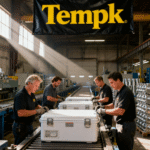
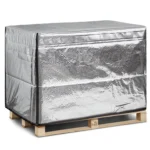
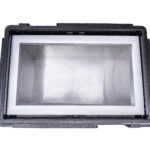
Et Tempk, nous nous concentrons sur les compresses froides, systèmes d'expédition isolés, et sélection d'emballages en fonction de l'itinéraire. Basé sur notre gamme de produits grand public, nous travaillons à travers emballage à température contrôlée catégories qui incluent packs de gel, expéditeurs isolés, Solutions de refroidissement en EPP, couvertures de palettes, et support de surveillance de la température. Nous essayons de garder la conversation pratique: adapter l'emballage à l'itinéraire, le produit, et les conditions de manutention, plutôt que de considérer un seul style d'emballage comme la réponse à tous les problèmes de chaîne du froid.
Prochaine étape
Si vous comparez des fournisseurs, commencez par votre plage de température cible, durée de l'itinéraire, et format de boîte. Demandez un exemple de plan et une recommandation basée sur un itinéraire avant de passer une commande groupée.