Le pack de glace carbonique du distributeur pour le playbook de transport de bonbons
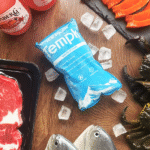
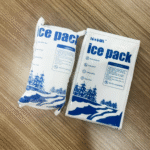
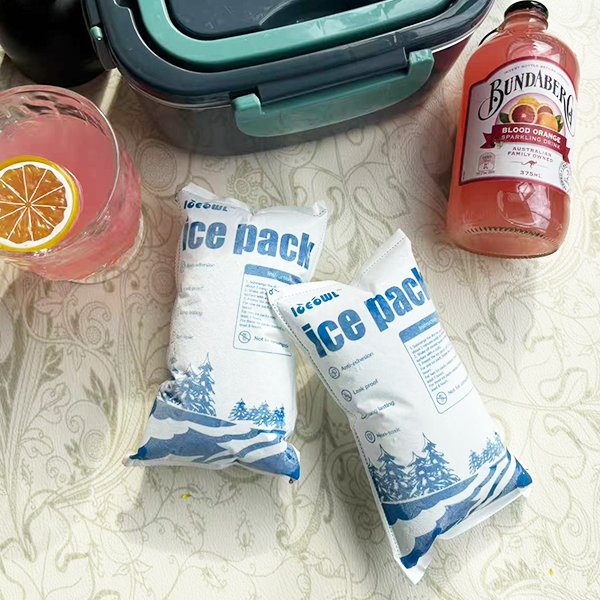
Un distributeur rentable paquet de glace sec l'offre de transport de bonbons repose sur un support applicatif maîtrisé, pas sur la vente du nombre maximum de feuilles de liquide de refroidissement. L'article de Tempk est une feuille activée par l'eau qui est trempée et congelée. Ce n'est pas du dioxyde de carbone solide, il ne faut donc pas la confondre avec la neige carbonique UN1845 ou ses procédures d'évacuation des gaz et des marchandises dangereuses. La feuille peut ajouter une capacité thermique à un emballage isolé, mais le distributeur doit le connecter au bon bonbon, emballage, itinéraire, et flux de travail client. Ce playbook organise ce travail depuis l'approbation du portefeuille jusqu'à l'examen après-vente.
Règle de portefeuille: vendre un composant défini
Commencez avec une identité technique qui survit à la traduction tout au long des achats, ventes, entrepôt, et les équipes clients:
Feuille de liquide de refroidissement hydratant activé par l'eau, livré sec, destiné à être hydraté et congelé pour être utilisé dans un emballage isolé testé; pas de dioxyde de carbone, solide.
Cette phrase évite un nombre surprenant d'erreurs. Le personnel de l'entrepôt sait que l'article n'a pas besoin des contrôles de ventilation de la glace carbonique réelle. Les clients savent qu'il ne livrera pas ultra-froid performance simplement à cause de son nom. Les équipes commerciales ont une limite pour les réclamations.
Approuver chaque taille ou motif de cellule en tant qu'élément distinct. Maintenir la spécification actuelle, instructions d'activation, documents importants pertinents, configuration des cartons, méthode de marquage des lots, et enregistrement de notification de changement. Si les feuilles peuvent être coupées, inclure les limites de coupe approuvées dans la documentation contrôlée.
Décidez de ce que le distributeur vend:
cartons scellés du fabricant de feuilles sèches;
quantités sèches reconditionnées avec une traçabilité préservée;
kits isolés spécifiques au client;
packs activés et congelés pour un territoire local;
échantillons techniques pour le développement de packs.
Chaque option a des exigences de qualité et opérationnelles différentes. N'ajoutez pas de service de produits surgelés tant que l'entreprise n'est pas en mesure de contrôler l'hydratation., gel, stockage, et livraison.
Qualification client: trouver le véritable mode d'échec
Former le personnel commercial à retarder les devis jusqu'à ce qu'ils comprennent l'application. La catégorie Bonbons est la première branche, mais pas le dernier.
Le chocolat a généralement besoin d’être protégé contre la chaleur excessive et les cycles défavorables d’humidité ou de température.. Le propriétaire du produit doit fournir les limites approuvées. Les conseils de stockage du fabricant peuvent fournir un contexte, pourtant, les formulations et les packages principaux diffèrent.
Les bonbons gélifiés et les bonbons à mâcher peuvent ramollir ou s'agglutiner, avec la chaleur et l'humidité interagissant avec la formulation et la barrière. UN compresse froide ne répare pas un joint inadéquat. La confiserie fourrée combine la coquille, centre, et inclusions et peuvent avoir des contrôles de durée de conservation et de texture plus stricts. Les bonbons durs et stables peuvent nécessiter uniquement une protection contre l'humidité et les chocs..
Demandez à quoi ressemble une arrivée inacceptable. "Fondu" est trop vague. Capturer la déformation, floraison, fuite de remplissage, punaise gommeuse, dommages à l'emballage, odeur, rupture, ou un problème de sécurité alimentaire. Ensuite, renseignez-vous sur la plage de charge utile, isolation, itinéraire, jours d'expédition, retards, et gestion des destinataires.
Si le client ne dispose pas de limites de produits, renvoyer la question à son équipe qualité ou de développement de produits. Un distributeur ne doit pas créer de spécifications de température pour la confiserie de quelqu'un d'autre..
Conception de solutions: choisissez le contrôle, pas seulement la feuille
Certains comptes ont besoin de liquide de refroidissement. D'autres ont besoin d'un transporteur plus rapide, isolation améliorée, un carton différent, rendez-vous de livraison, ou une restriction de produit saisonnier.
Utiliser une hiérarchie simple:
Éviter l'exposition la plus grave lorsque cela est possible.
Raccourcir ou stabiliser l'itinéraire.
Entrée de chaleur lente avec une isolation appropriée.
Ajoutez une quantité qualifiée et placez du liquide de refroidissement.
Contrôler l'ouverture et la réception pour réduire la condensation.
Surveillez où les données guideront une décision.
Cette hiérarchie ne signifie pas que le liquide de refroidissement est sans importance. Il place la feuille là où elle fonctionne le mieux: à l'intérieur d'un système qui a réduit la charge thermique évitable.
Pour le commerce électronique, prendre en compte les tailles de commande minimales et maximales. Pour le commerce de gros régional, déterminer si les fiches au niveau du cas peuvent traiter de manière significative l'exposition ou si un transport contrôlé est requis. Pour les événements, la fiabilité des horaires peut être aussi importante que la température. Pour les comptes hard-candy, documenter pourquoi aucun liquide de refroidissement n'est la solution approuvée alors que tel est le résultat.
Dossier de preuves: rendre chaque réclamation traçable
| Zone de réclamation | Dossier minimum de distributeur | Ce que cela ne prouve pas |
|---|---|---|
| Identité du produit | Spécifications actuelles et photographie de l'article | Durée thermique |
| Adéquation du matériau | Déclarations pertinentes pour le marché et l'utilisation prévus | Performance complète d'emballage de bonbons |
| Activation | Hydratation approuvée, évacuation, et instructions de congélation | Equivalence congélateur client sans vérification |
| Cohérence de la qualité | Code de lot, critères de réception, et contrôles des fournisseurs | Zéro défaut |
| Comportement thermique | Pack de dénomination du rapport, charge utile, profil, capteurs, et critères | Performances sur tous les itinéraires ou chargements |
| Réutilisation | Instruction du fabricant et processus d’inspection du distributeur/client | Cycles illimités ou hygiène universelle |
| Attributs environnementaux | Preuve matérielle ou logistique définie | Réduction des émissions de carbone dans l’ensemble du système |
La dernière colonne est aussi importante que l'enregistrement. Cela empêche les équipes commerciales d'utiliser un document correct pour soutenir une promesse sans rapport. Conservez le dossier de preuves lié à l'élément du catalogue et supprimez rapidement les versions obsolètes..
Des méthodes thermiques reconnues peuvent renforcer l’évaluation. ASTM D3103 traite des performances thermiques des emballages de distribution isolés dans des conditions ambiantes variables. ISTA 7E fournit des profils thermiques de colis, et norme ISTA 20 décrit un processus de qualification des expéditeurs isolés. Citer une méthode exacte uniquement lorsque le rapport l'a réellement utilisée.
Pour le transport de nourriture, Les exigences applicables de la FDA et locales doivent être examinées en fonction du produit et de l'activité.. Le cadre de transport sanitaire de la FDA se concentre sur les pratiques susceptibles de rendre les aliments dangereux ou frelatés; il ne définit pas une température de bonbon. Un distributeur doit éviter de transformer un objectif de qualité client en une exigence légale universelle.
Flux de travail de l'échantillon au catalogue
Avant de lister un produit, inspecter des échantillons provenant d’une source traçable. Activez-les par la méthode écrite. Observer l’uniformité de l’hydratation, changement dimensionnel, eaux de surface, flexibilité, scellés, odeur, et manipulation du gel-dégel. S'assurer que les processus entrepôt et client proposés peuvent reproduire la préparation.
Sélectionnez ensuite un ou plusieurs essais d'application représentatifs. Le but n’est pas de construire une immense bibliothèque de démonstrations superficielles. Quelques transparents, des études bien définies sont plus utiles.
Un dossier d'essai doit inclure:
définition du client ou du produit anonymisé;
emballages primaires et secondaires réels;
charge utile minimale ou maximale, selon le cas;
Outils de décision utiles
Vérifiez les détails avant de choisir l'emballage
Ces outils rapides peuvent vous aider à comparer le risque d'itinéraire, besoins de dimensionnement, choix de liquide de refroidissement, et les détails de l'emballage avant de demander un devis.
Sélecteur d'emballage
Comparez les options d'emballage isotherme par produit, itinéraire, et besoin de température.
Trouver un emballageDoublure de boîte & Dimensionnement des couvertures de palettes
Vérifiez la logique de dimensionnement du revêtement de boîte et du couvercle de palette pour les projets d'emballage isotherme.
Dimensionnement estiméCalculateur de glace carbonique
Estimer les besoins en glace carbonique pour les envois congelés ou ultra-froids avant l'emballage.
Estimation de la neige carboniquecomposants isolés et fermeture exactes;
article de feuille, parcelle, hydratation, conditionnement, et placement;
profil ambiant et hypothèse de retard;
emplacements des capteurs et inspection des produits;
décision d'acceptation et instruction approuvée.
Ne pas publier le résultat en dehors de ses limites. Si un test utilisait une charge utile chocolat complète, il peut ne pas couvrir une commande de cadeaux de deux pièces. S'il utilisait une seule doublure, il ne valide pas un remplacement à moindre coût.
Exemple pratique: lancement d'un kit de bonbons d'été
Prenons l'exemple d'un distributeur qui planifie un nouveau "bonbons d'été" trousse. La commercialisation initiale combine une boîte, une doublure, et deux feuilles surgelées pour toute commande de confiserie.
Pendant les qualifications, une charge utile de chocolat solide fonctionne de manière acceptable sous le profil chaud défini, mais un carton à moitié rempli développe une zone chaude. Les bonbons restent en forme mais présentent de la condensation sur l'emballage.. Les boîtes de bonbons durs ne bénéficient d'aucun avantage mesurable en matière de qualité. Le kit universel est abandonné.
Le distributeur lance deux configurations de chocolat maîtrisées, conserve les feuilles d'hydratation en tant que composants autonomes pour les comptes dirigés par l'ingénierie, et propose un emballage standard résistant à l'humidité pour les bonbons durs. Les Gummies restent un avis spécifique au client. Le catalogue plus restreint est plus facile à former, moins susceptible d'être mal appliqué, et plus honnête à propos des preuves.
Avant la sortie, l'équipe demande à un nouvel employé de l'entrepôt d'assembler les deux configurations de chocolat à partir du guide écrit. L'exercice révèle que les deux doublures semblent presque identiques et peuvent être confondues sur l'étagère de préparation de commandes.. Les opérations attribuent des codes d'article distincts, ajoute une vérification d'analyse, et les stocke à différents endroits. Ce petit contrôle est inclus dans le dossier de lancement car un liquide de refroidissement correct associé à une mauvaise isolation ne reproduirait pas l'essai thermique.. L'exemple montre comment la conception du catalogue, contrôles d'entrepôt, et qualification technique convergent dans une offre distributeur.
Disponibilité opérationnelle: contrôler le produit à travers le canal
La réception devrait vérifier l'article, parcelle, compter, état du carton, dimensions ou autres caractéristiques rapides, et défauts d'étanchéité visibles selon un plan d'échantillonnage approuvé. Les stocks secs doivent être protégés contre les dommages, humidité incontrôlée, et les odeurs. Conserver les étiquettes du fabricant ou conserver toute traçabilité lors du reconditionnement.
Pour le service d'activation local, définir la source d'eau et le récipient, point final d'hydratation, évacuation, chargement du congélateur, contrôle du conditionnement, rotation des stocks surgelés, mise en scène, et livraison. Mesurer la capacité en charge de pointe. Un congélateur qui gère un petit essai peut ne pas conditionner de la même manière des lots de production étroitement empilés..
Les instructions du client doivent utiliser des photographies ou des diagrammes lorsque cela est utile, mais ils doivent rester versionnés. Les démonstrations commerciales doivent suivre la même méthode que la production. Si un représentant saute par hasard la vidange ou change de placement, le client apprend un processus non approuvé.
Les substitutions nécessitent un examen technique. Les feuilles d'apparence similaire peuvent différer. Maintenir un processus de décision en cas de pénurie afin que les opérations n'échangent pas d'articles à la date limite du transporteur..
Formation de canal: enseigner les limites comme compétence de vente
Une courte certification ou un contrôle de compétences pour le personnel en contact avec les clients peut couvrir:
feuille d'hydratation versus CO2 solide;
segmentation des produits de bonbons;
pourquoi l'isolation et le tracé sont importants;
quels documents soutiennent quelles affirmations;
lorsqu'une référence technique est obligatoire;
comment recueillir les faits relatifs à une plainte.
Mettez en scène des enquêtes difficiles. Si un client demande, "Est-ce que cela gardera mon chocolat en sécurité pendant trois jours ??" la bonne réponse est de poser des questions sur les limites du produit, carton, charge utile, itinéraire, et les preuves existantes. Si un client a besoin de CO2 solide pour une spécification gelée, le vendeur ne doit pas remplacer une feuille d'eau.
Cette approche peut sembler plus lente qu'une réponse instantanée, mais cela réduit les retours et crée une conversation plus précieuse. La contrainte technique est un différenciateur de canal.
Bilan après-vente: apprendre sans généraliser
Créer un formulaire de réclamation qui enregistre le produit, défaut, expéditeur, version emballée, lot de feuilles, activation, date d'expédition, service, scans du transporteur, conditions de destination, et comportement d'ouverture. Les photographies et les données de température peuvent aider, mais ni l'un ni l'autre ne remplace un modèle de faits complet.
Examiner les tendances par configuration définie. Un problème isolé des commandes à charge utile minimale peut nécessiter un contrôle annulé. Un itinéraire avec des séjours répétés le week-end peut nécessiter des restrictions de répartition. Les plaintes de condensation peuvent nécessiter des barrières ou des instructions d'équilibrage du client. Les fuites de feuilles peuvent nécessiter une enquête sur le lot.
Utiliser des actions correctives proportionnées aux preuves. Un pilote réussi ne prouve pas toutes les routes; un échec de livraison à domicile ne prouve pas un défaut de composant. Documenter les décisions et les réintégrer dans le catalogue et la formation.
L’examen de la durabilité doit être tout aussi discipliné. Un stockage compact à sec peut réduire l'espace avant l'activation, mais évaluez l'eau, énergie de congélation, poids sortant, isolation, retours, élimination, et évité le gaspillage de bonbons. Utiliser des affirmations comparatives uniquement lorsque les limites et les données les soutiennent.
Le catalogue lui-même doit être révisé au moins avant chaque grande période de vente par temps chaud et après tout changement de composant notifié.. Confirmez que les photographies de l'article, couper des diagrammes, déclarations importantes, et les instructions d'activation font toutes référence à la même révision. Retirez les anciennes présentations commerciales et les kits d’échantillons préemballés; un échantillon placé dans la voiture d'un représentant peut ne plus démontrer le produit actuel.
La gouvernance des prix bénéficie de la même discipline. Citer le composant sec séparément du service d'activation, livraison congelée, isolation, prise en charge des tests, et emballage personnalisé. Cela permet aux clients de comparer la solution appliquée et évite que les services techniques ne disparaissent dans un prix unitaire irréaliste.. Il révèle également quand un pack prérempli ou une mise à niveau de service est plus économique qu'une hydratation locale..
Questions fréquemment posées
Ce qui doit apparaître dans le nom du catalogue?
Inclure "activé par l'eau" ou "feuille de liquide de refroidissement d'hydratation" près de la phrase commerciale et indiquez qu'il ne s'agit pas de dioxyde de carbone solide. Cela rend le langage de recherche utilisable sans créer de malentendu technique. Gardez le code article exact et les instructions actuelles accessibles.
Le distributeur peut-il créer sa propre réclamation de durée?
Uniquement à partir d'un test documenté d'un système défini, et la déclaration doit conserver la charge utile, isolation, conditionnement, profil ambiant, durée, et critères d'acceptation. Une durée de feuille uniquement n'est généralement pas significative pour le transport de bonbons.
Quelle est la principale raison de stocker le format sec?
Le stockage compact et l’activation à proximité de l’utilisation peuvent être intéressants sur le plan opérationnel. Le compromis est que le distributeur ou le client doit gérer l'eau, évacuation, capacité du congélateur, et conditionnement. Comparez ces coûts avec les packs préremplis et le flux de travail réel du client.
Comment gérer les modifications des clients?
Demander aux clients d'informer le distributeur lorsqu'ils changent de formulation de bonbons, emballage primaire, charge utile, carton, doublure, itinéraire, service, ou placement du pack. Évaluer si les preuves actuelles s’appliquent toujours. Les modifications peuvent nécessiter une vérification ciblée ou de nouveaux tests plus larges.
Fait "documentation contact alimentaire" valider le kit d'expédition?
Non. Il peut soutenir un examen matériel pour une utilisation prévue et un marché déclarés.. Performance thermique, qualité du produit, répétabilité du processus, et les obligations réglementaires sont des questions distinctes. Gardez chaque flux de preuves attaché à sa portée réelle.
Conclusion: une promesse plus étroite construit un canal plus fort
Le playbook du distributeur est simple: définir avec précision le produit à base d'eau, qualifier les clients par bonbons et par itinéraire, offrir le contrôle approprié, maintenir un ensemble de preuves traçables, et protéger la configuration approuvée par le biais d'opérations et de formations. Cela crée une offre de canal qui peut évoluer sans transformer un composant en une garantie non prise en charge..
Le meilleur résultat n’est pas toujours une feuille d’hydratation. Parfois, c'est un meilleur niveau de service, un pack différent, ou pas de liquide de refroidissement. Un distributeur capable de porter ce jugement gagne la confiance au-delà de la vente unitaire.
À propos du tempk
Tempk propose des feuilles de refroidissement hydratantes activées par l'eau et emballage isolé options pour la distribution des aliments sensibles à la température. Nous pouvons aider les distributeurs avec des échantillons de produits, documentation actuelle, et discussion sur l'activation et l'ajustement du packout. La feuille est un composant de refroidissement à base d'eau gelée, pas de dioxyde de carbone solide UN1845. L'aptitude finale au transport des bonbons doit être établie pour la confiserie elle-même., charge utile, isolation, itinéraire, et processus opérationnel, avec des affirmations conservées dans les preuves testées.
Envoyez Tempk votre canal cible, catégories de bonbons, et modèle de service pour planifier une première évaluation du produit. Demander les échantillons et documents nécessaires à la construction d'une offre de distributeur contrôlé.