Les marques de livraison de nourriture demandent souvent si elles sont réutilisables Emballage de la chaîne froide est « meilleur » que les emballages jetables. La bonne réponse dépend du modèle d'itinéraire. Un itinéraire d'épicerie en boucle fermée, un programme de kits repas par abonnement, une opération de livraison de restaurant local, et un programme national de colis congelés n'ont pas les mêmes aspects économiques d'emballage ou les mêmes risques opérationnels. Le meilleur format d'emballage est celui qui protège la température des aliments, correspond au modèle de distribution, contrôle le coût total, et peut être géré par de vrais travailleurs et de vrais clients.
Ce guide compare les emballages réutilisables et jetables de la chaîne du froid d'un point de vue B2B.. Il se concentre sur la livraison de plats réfrigérés, préparation des repas, épicerie, laitier, desserts, fruit de mer, et programmes de repas prêts à manger qui ont besoin d'isolation, packs de gel, doublures de boîte, sacs isolés, EPS/Boîtes EPP, ou doublures thermiques.
Commencez par les exigences de température
La durabilité de l'emballage n'a pas d'importance si les aliments arrivent dangereux ou inacceptables. Aux États-Unis, les références en matière de sécurité alimentaire utilisent généralement 40 °F ou moins pour le stockage réfrigéré, tandis que le modèle du FDA Food Code utilise 41 °F ou moins pour le maintien au froid du contrôle du temps et de la température pour la sécurité des aliments dans les contextes de vente au détail et de restauration.. L'USDA décrit également la plage de 40°F à 140°F comme la « zone dangereuse » pour la croissance bactérienne.. Ces objectifs ne définissent pas automatiquement vos spécifications exactes de livraison, mais ils fournissent un cadre de sécurité utile pour les programmes d'aliments réfrigérés.
Tableau 1. Références de température utilisées dans les décisions d'emballage des livraisons de produits alimentaires.
| Paramètre de référence | Valeur commune | Comment l'utiliser dans la conception d'emballages |
|---|---|---|
| Conservation des aliments réfrigérés | 40°F / 4° C ou en dessous | Utiliser comme référence générale en matière de sécurité alimentaire pour les consommateurs pour la planification de l'entreposage réfrigéré et de la livraison.. |
| Maintien au froid du FDA Food Code | 41°F / 5° C ou en dessous | Utiliser lors de la conception d'un restaurant, restauration, et des flux de travail de livraison locaux basés sur la conservation au froid de type code alimentaire. |
| Indice de référence de maintien à chaud | 135°F / 57°C ou plus | Pertinent si le même programme de sacs inclut la livraison de plats chauds, mais les itinéraires chauds et réfrigérés ne doivent pas partager le même compartiment chargé. |
| Zone de danger alimentaire | 40°F à 140°F | Utiliser pour expliquer pourquoi le temps de parcours, pré-refroidissement, source froide, et le contrôle du maintien sont essentiels. |
Les emballages réutilisables fonctionnent mieux dans les itinéraires en boucle fermée
Les emballages réutilisables sous chaîne du froid ont plus de sens lorsque la marque peut se rétablir, inspecter, faire le ménage, et redéployer l'actif. Les exemples incluent la livraison de courses avec retour du chauffeur, itinéraires du commissariat au magasin, itinéraires de messagerie de pharmacie, distribution de chaînes de restaurants, livraison de repas d'entreprise, et préparation de repas par abonnement local avec ramassage programmé. Les emballages réutilisables peuvent inclure sacs de livraison isothermes, Boîtes de refroidisseur EPP, briques de glace réutilisables, fourre-tout rigides, couvertures de palettes, et doublures consignées.
La Réutilisable Packaging Association définit les emballages de transport réutilisables comme des emballages durables conçus pour de multiples usages grâce à des opérations et des systèmes logistiques rigoureux.. Cette définition est importante car « réutilisable » n'est pas seulement une allégation matérielle. Cela nécessite un système: suivi, logistique inversée, nettoyage, contrôle des pertes, réparation, et récupération en fin de vie.
Les emballages jetables fonctionnent mieux sur les itinéraires de colis en boucle ouverte ou nationaux
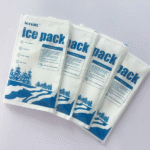
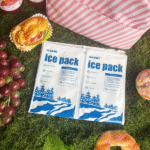
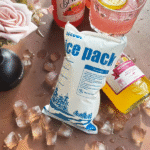
Les emballages chaîne du froid jetables ou à usage unique sont souvent plus pratiques lorsque la marque ne peut pas récupérer le colis. Les exemples incluent les kits de repas destinés directement aux consommateurs, colis de produits surgelés, expédition de fruits de mer, kits d'échantillons envoyés aux patients, et les commandes e-commerce où l'acheteur est loin de l'expéditeur. Les emballages jetables peuvent inclure des cartons ondulés avec des doublures isolées, Expéditeurs de mousse EPS, doublures en fibres recyclables, packs de gel, systèmes d'expédition compatibles avec la glace carbonique, et matériaux absorbants.
Les emballages jetables ont encore besoin d’une bonne conception. Une doublure fine peut réduire l'utilisation de matériaux, mais échoue sur un itinéraire d'été de 48 heures.. Un expéditeur en EPS surdimensionné peut protéger la température mais augmenter les coûts de transport et le gaspillage des clients.. Un mauvais message concernant l'élimination des packs de gel peut susciter des plaintes des clients.. Dans les itinéraires en boucle ouverte, la meilleure conception équilibre souvent les performances thermiques, matériaux aux bonnes dimensions, clarté de l'élimination, et frais de transport.
Matrice de décision: Réutilisable vs jetable
Tableau 2. Matrice de décision B2B pour les emballages réutilisables et jetables de la chaîne du froid.
| Facteur de décision | L’emballage réutilisable gagne généralement lorsque… | L’emballage jetable gagne généralement lorsque… |
|---|---|---|
| Contrôle d'itinéraire | Vous possédez ou contrôlez l'itinéraire de livraison et pouvez récupérer les emballages. | La commande est expédiée dans tout le pays ou à des clients finaux inconnus. |
| Rendement des actifs | Pilotes, magasins, pharmacies, ou les clients peuvent retourner les sacs/boîtes de manière fiable. | Les frais de retour coûteraient plus cher que la valeur du colis. |
| Nettoyage | Vous disposez d'une démarche d'assainissement, liste de contrôle d'inspection, et espace de séchage. | Vous ne pouvez pas inspecter ou nettoyer les actifs restitués de manière cohérente. |
| Expérience de marque | Le sac/boîte réutilisable de qualité supérieure prend en charge la fidélité aux abonnements et l'utilisation répétée. | Le client attend une élimination pratique après la livraison. |
| Durée thermique | Les itinéraires sont courts, répété, et prévisible. | Les itinéraires impliquent des centres de colis, risque de retard le week-end, ou une longue exposition ambiante. |
| Durabilité | Des cycles de réutilisation élevés et un faible taux de perte peuvent réduire les déchets. | Un emballage recyclable ou à faible teneur en matériaux de bonne taille peut être préférable lorsque la logistique de retour n'est pas réaliste. |
Durabilité: Utiliser la hiérarchie des déchets, Pas d'allégations marketing
La hiérarchie de gestion des déchets de l'EPA donne la priorité à la réduction à la source et à la réutilisation avant le recyclage., récupération d'énergie, traitement, et élimination. Ceci est utile pour la stratégie d’emballage: Réduisez d’abord les emballages inutiles, réutiliser là où l'itinéraire le permet, recycler là où la récupération est réaliste, et éviter la mise en décharge lorsque cela est possible. Cependant, un colis réutilisable perdu après un voyage ou expédié vide sur de longues distances n'est peut-être pas la meilleure solution. Les allégations de durabilité doivent être étayées par le comportement réel de l'itinéraire, taux de retour, énergie de nettoyage, durée de vie de l'emballage, et les réalités de l'élimination des déchets.
Outils de décision utiles
Vérifiez les détails avant de choisir l'emballage
Ces outils rapides peuvent vous aider à comparer le risque d'itinéraire, besoins de dimensionnement, choix de liquide de refroidissement, et les détails de l'emballage avant de demander un devis.
Générateur de liste de contrôle de conformité
Créer une liste de contrôle pratique pour l'examen des emballages, expédition, et documentation.
Construire une liste de contrôleVérificateur de risque d'itinéraire
Examinez les conditions des pistes avant de sélectionner l'emballage en fonction des exigences opérationnelles réelles..
Vérifier le risque d'itinéraireCalculateur de glace carbonique
Estimer les besoins en glace carbonique pour les envois congelés ou ultra-froids avant l'emballage.
Estimation de la neige carboniquePour les marques de livraison de nourriture, la durabilité pratique vient généralement d’une combinaison de mesures, actifs réutilisables pour les boucles locales, doublures recyclables où la récupération est probable, packs rechargeables ou à injection d'eau lorsque l'efficacité du stockage est importante, et des instructions client qui réduisent la confusion.
Modèle de coût: Ce que les acheteurs oublient souvent
Le prix unitaire du sac, doublure, ou un pack de gel ne représente qu'une partie du coût. Les emballages réutilisables nécessitent un inventaire des actifs, nettoyage, suivi, remplacement, gestion des retours, et stockage. Les emballages jetables nécessitent un achat de matériel récurrent, gestion des déchets, volume de fret, et assistance à l'élimination des clients. Une comparaison équitable devrait calculer le coût par livraison réussie, pas de coût par unité d'emballage.
Tableau 3. Facteurs de coût au-delà du prix unitaire d’emballage.
| Coût variable | Système réutilisable | Système jetable |
|---|---|---|
| Coût unitaire d'emballage | Coût initial de l’actif plus élevé. | Coût par commande inférieur, répété à chaque expédition. |
| Coût du transport | Peut être inférieur si l’emballage s’emboîte ou s’empile efficacement; peut augmenter s'il est retourné vide. | Dépend du poids volumétrique, épaisseur d'isolation, et masse de liquide de refroidissement. |
| Travail | Nettoyage, inspection, tri, récupération d'actifs. | Assemblée, kitting, aide à l'élimination, et réapprovisionnement. |
| Taux de perte | Sacs perdus, cartons non retournés, briques de glace endommagées. | Des actifs perdus sont attendus car les emballages sont consommés. |
| Expérience client | Sensation premium mais nécessite un comportement de retour. | Pratique mais peut créer des plaintes concernant le gaspillage. |
| Risque de température | Prévisible lorsque les actifs sont contrôlés. | Peut être fort si le packout est validé, mais les délais de colis doivent être conçus pour. |
Chemins d’emballage recommandés par modèle de livraison de nourriture
Tableau 4. Stratégie d'emballage par modèle économique de livraison de nourriture.
| Modèle économique | Direction d'emballage recommandée | Pourquoi |
|---|---|---|
| Livraison dans un restaurant local | Sacs de livraison isothermes réutilisables et contrôles de température de fonctionnement. | Les itinéraires sont courts et les conducteurs peuvent réutiliser leurs sacs. |
| Livraison de courses | Sacs ou fourre-tout isothermes réutilisables; packs de gel pour les itinéraires réfrigérés plus longs. | Les commandes des clients comprennent souvent des produits mélangés réfrigérés et ambiants. |
| Abonnement préparation de repas, boucle locale | Sacs réutilisables ou boîtes EPP avec briques de glace réutilisables. | Les itinéraires de retour et les livraisons programmées peuvent prendre en charge la récupération des actifs. |
| Kit repas colis national | Doublure isolée jetable ou expéditeur en mousse avec packs de gel. | Les itinéraires de colis en boucle ouverte rendent difficile la restitution des actifs. |
| Aliments surgelés DTC | Expéditeur validé avec stratégie de glace carbonique ou de liquide de refroidissement gelé. | Les produits surgelés nécessitent généralement une source de froid et une marge de retard plus fortes. |
| Livraison de fruits de mer | Emballage résistant aux fuites, matériau absorbant, sacs scellés, et liquide de refroidissement adaptés à l'itinéraire. | Humidité, odeur, fuite, et la température sont tous des risques pour l'expérience client. |
Comment choisir le bon système
- Cartographier le modèle de prestation: boucle locale, itinéraire de messagerie, colis, réapprovisionnement du magasin, ou exporter.
- Définir la température cible de sécurité alimentaire et le temps de parcours maximum.
- Décider si la récupération des emballages est réaliste et mesurable.
- Sélectionnez le format d'isolation: sac, doublure, Expéditeur EPS/EPP, ou couverture de palette.
- Sélectionnez la source froide: paquet de gel, brique de glace réutilisable, Pack PCM, pack d'injection d'eau, ou de la neige carbonique le cas échéant.
- Testez le packout dans les profils d’exposition été et hiver, pas seulement à température ambiante.
- Rédiger les instructions client pour la réutilisation, retour, élimination, ou recyclage.
FAQ
Les emballages réutilisables de la chaîne du froid sont-ils toujours plus durables?
Non. Les emballages réutilisables peuvent réduire les déchets lorsqu'ils effectuent de nombreux cycles dans un système de retour géré.. Si les taux de retour sont faibles, le nettoyage est mal géré, ou la logistique inverse est inefficace, un emballage jetable de bonne taille peut être plus pratique.
Les emballages jetables sont-ils mauvais pour la livraison de nourriture?
Pas nécessairement. Les emballages jetables sont souvent la meilleure solution pour les itinéraires de colis en boucle ouverte. L'objectif est d'utiliser suffisamment de matériau pour protéger la température sans surdimensionner l'emballage..
Les sacs isothermes réutilisables peuvent-ils conserver les aliments en sécurité sans blocs de glace?
Uniquement pour les itinéraires courts et contrôlés, et seulement si les aliments démarrent à la bonne température. Pour une livraison réfrigérée plus longue, des packs de gel ou des briques de glace peuvent être nécessaires.
Comment une marque de préparation de repas devrait-elle comparer les systèmes réutilisables et jetables?
Comparez le coût par livraison réussie, pas de prix unitaire. Inclure le taux de retour, travail de nettoyage, biens perdus, fret, déchets d'emballage, plaintes des clients, et performances en température.
Quel est le meilleur emballage pour l’expédition nationale de kits repas?
La plupart des programmes nationaux de kits repas utilisent un modèle de colis en boucle ouverte, doublures donc isolées, packs de gel, et les emballages en carton sont généralement plus pratiques que les sacs isothermes consignés.