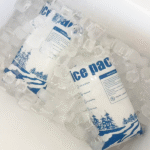
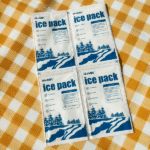
La thérapie par le froid est un moyen éprouvé de réduire l'enflure, douleur et inflammation après une blessure ou une intervention chirurgicale. Une compresse froide en gel flexible vous permet d'appliquer un refroidissement ciblé, restez mobile et passez même de la thérapie par le chaud à la thérapie par le froid en cas de besoin. Dans 2025, les packs de gel réutilisables sont plus populaires que jamais, piloté par des matériaux respectueux de l'environnement, innovations numériques et nouvelles réglementations. Ce guide détaille tout ce que vous devez savoir sur packs froids en gel — de la science et des avantages aux tendances du marché et en choisissant le pack adapté à vos besoins.

Pourquoi les compresses froides en gel réutilisables dominent le marché 2025 — y compris les statistiques de croissance mondiale et les matériaux respectueux de l'environnement.
Comment les packs de gel se comparent aux packs d'eau, glace carbonique et autres solutions de refroidissement pour la logistique sous chaîne du froid.
Avantages scientifiques de la thérapie par le froid et comment utiliser un pack de gel en toute sécurité en cas de blessures, douleur chronique ou récupération post-chirurgicale.
Dernières innovations et tendances dans l'industrie de la chaîne du froid et des packs de gel, des capteurs IoT aux emballages durables.
Conseils pratiques, FAQ et outils de décision pour choisir la meilleure compresse froide en gel pour votre style de vie.
Pourquoi les compresses froides en gel sont-elles si populaires dans 2025?
Répondre à la question principale
Les compresses froides en gel réutilisables dominent le marché actuel car elles allient flexibilité, réutilisabilité et sécurité tout en répondant aux exigences strictes de température dans les soins de santé et la logistique. L’analyse du marché révèle que le marché mondial des blocs de glace en gel est estimé à 311,2 millions de dollars américains 2025 et devrait atteindre 572,5 millions de dollars américains d'ici 2032, reflétant un taux de croissance annuel composé de 9.1 %. Les packs réutilisables devraient tenir 55.6 % de la part de marché dans 2025, tandis que les packs de gel non toxiques constituent 56.8 % du marché. Ces chiffres soulignent une évolution vers des solutions durables, solutions de refroidissement écologiques et sûres.
Explorer les raisons
Consommateurs, les cliniciens et les professionnels de la logistique préfèrent les packs de gel pour plusieurs raisons:
Commodité et flexibilité réutilisables. Les packs de gel restent souples une fois congelés, donc ils s'adaptent aux genoux, dos ou épaules et peut être réchauffé pour une thérapie chaude. Cette polyvalence les rend rentables dans le temps et réduit les déchets.
Matériaux écologiques. De nombreux packs de gel utilisent charges non toxiques comme le gel de silice, polyacrylate de sodium ou gels à base de plantes. L'accent croissant mis sur la durabilité signifie que les matériaux non toxiques et recyclables sont privilégiés., s’aligner sur les pressions réglementaires sur l’impact environnemental.
Demande du marché dans le domaine de la santé et de la logistique. Les affections musculo-squelettiques chroniques affectent à propos 1.71 milliards de personnes dans le monde, répondre aux besoins en matière de thérapie à domicile. En même temps, la logistique de la chaîne du froid pour les produits biologiques et les denrées périssables est en plein essor: le marché de la chaîne du froid devrait croître de 436,3 milliards de dollars américains 2025 à 1,359 billions de dollars américains d'ici 2034. Les packs de gel sont au cœur de cette croissance car ils peuvent maintenir les produits dans des plages de température étroites pendant le transport..
Conformité réglementaire et innovations numériques. Des réglementations telles que NOUS. Loi sur la modernisation de la sécurité alimentaire (FSMA 204) exiger une traçabilité numérique par Janvier 6 2025, incitant les entreprises à adopter des packs de gel compatibles IoT avec des capteurs de température. L'emballage intelligent fournit des données en temps réel et minimise le risque d'excursions de température.
Comment les packs de gel se comparent aux autres types de packs de froid
| Type de pack froid | Meilleure utilisation | Pros | Inconvénients | Ce que cela signifie pour vous |
| Packs de gel | 24–Expéditions réfrigérées en 48 heures (2–8 ° C) ou récupération de blessures corporelles | Meilleure rétention thermique que les packs d'eau; flexible; non toxique | Risque de fuite; Coût unitaire plus élevé; défis d'élimination | Idéal pour une utilisation régulière et les expéditions sous chaîne du froid; investir dans des pochettes de haute qualité pour réduire le risque de fuite. |
| Packs d'eau (packs de glace) | Envois réfrigérés de courte à moyenne durée et premiers secours | Le moins cher; élimination facile; sans danger pour les aliments et les produits pharmaceutiques | Masse thermique inférieure; peut fuir rapidement en cas de perforation | Idéal pour les expéditions soucieuses de leur budget, mais peut nécessiter davantage de paquets pour maintenir la température.. |
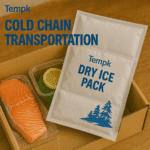
| Glace sèche | Produits surgelés tels que les fruits de mer, glaces ou envois ultra froids | Fournit des températures extrêmement basses; refroidissement de longue durée; aucun résidu liquide | Classé comme dangereux; réglementé; peut trop refroidir les produits et est coûteux | Utilisation pour les applications de surgélation; assurer la formation et le respect de la réglementation sur les matières dangereuses. |
| Des compresses froides réutilisables | Services d'abonnement, livraison pharmaceutique ou expédition B2B avec logistique de retour | Coût inférieur à long terme; réduit les déchets; durable sur de nombreux cycles | Nécessite une infrastructure pour les retours, nettoyage et recongélation; coût initial élevé | Idéal pour les modèles de prestation récurrents et les objectifs de développement durable. |
Conseils pratiques pour choisir la bonne compresse froide en gel
Évaluez votre cas d'utilisation. Pour les blessures à la maison, un petit pack de gel enveloppant offre flexibilité et compression. Pour l'expédition de produits pharmaceutiques, recherchez des packs de qualité médicale avec des capteurs intégrés et des performances de température validées.
Vérifiez le matériau de remplissage. Choisissez des gels non toxiques comme la silice ou des formules à base de plantes pour vous conformer aux directives réglementaires et environnementales.
Évaluer la durabilité et la résistance aux fuites. Les pochettes multicouches et les coutures renforcées réduisent le risque de fuite. Si vous avez besoin d'une expédition longue distance, combiner des packs de gel avec des emballages isolés pour maintenir la cohérence de la température.
Envisagez la réutilisation et l’élimination. Les packs réutilisables permettent d'économiser de l'argent au fil du temps et de réduire les déchets. Lorsque des packs à usage unique sont nécessaires, recherchez des options biodégradables ou recyclables.
Tirer parti de la technologie intelligente lorsque cela est nécessaire. Pour la logistique sous chaîne du froid, choisissez des packs avec des capteurs IoT intégrés qui surveillent la température, humidité et chocs en temps réel.
Étude de cas: Pendant le déploiement du vaccin contre la COVID-19, les prestataires logistiques ont équipé leurs flottes de packs de gel compatibles IoT. Lorsqu’un envoi subit une augmentation de température, des alertes automatisées ont permis au conducteur d'ajuster les systèmes de refroidissement et d'éviter toute détérioration. Cet exemple illustre comment les packs de froid intelligents peuvent éviter la perte de produits et améliorer la conformité..
La science derrière les compresses froides en gel et la thérapie par le froid
Comment fonctionne la thérapie par le froid
Thérapie au froid, aussi appelé cryothérapie, réduit le flux sanguin vers une zone blessée en provoquant vasoconstriction. Ce procédé limite les hémorragies internes, gonflement et inflammation, fournir un soulagement naturel de la douleur. Des études montrent que l'application d'une thérapie par le froid dans les 24 à 48 heures suivant une blessure réduit considérablement l'enflure et accélère la récupération.. Le froid diminue également l’activité nerveuse, douleur engourdissante et favorisant le confort.
Quand et comment appliquer une compresse froide en gel
Blessures aiguës et récupération post-chirurgicale: Utilisez un pack de gel immédiatement après une entorse, des tensions ou des interventions chirurgicales pour réduire l'enflure et la douleur. Demander 10–20 minutes à la fois, quatre à huit fois par jour pendant les deux premiers jours.
Gestion de la douleur chronique: Pour des conditions comme l’arthrite ou la tendinite, un givrage proactif avant et après les activités peut prévenir les poussées. Les packs de gel sont suffisamment flexibles pour s'adapter aux articulations et rester confortables pendant le traitement.
Précautions de sécurité: Placez toujours un chiffon fin entre votre peau et la compresse froide pour éviter les engelures ou les dommages aux tissus.. Ne glacez aucune zone plus longtemps que 20 minutes d'affilée.
Types de packs de gel réutilisables
Les packs de gel réutilisables sont disponibles dans différents modèles adaptés à des besoins spécifiques:
Packs de gel standards: Packs flexibles remplis de gel réfrigérant, idéal pour le soulagement général de la douleur.
Packs à coque rigide: Durable et rigide; fournir une compression ferme après une intervention chirurgicale ou des blessures.
Enroulez les paquets: Conçu pour les genoux, épaules ou dos; équipé de sangles pour une application mains libres.
Packs de froid instantanés: Packs à usage unique activés par pression; utile en cas d'urgence ou lorsqu'aucun congélateur n'est disponible.
Avantages au-delà du soulagement de la douleur
| Avantage | Mécanisme | Preuve | Ce que cela signifie pour vous |
| Gonflement réduit & inflammation | La vasoconstriction rétrécit les vaisseaux sanguins et ralentit l'accumulation de liquide | Des études montrent que la thérapie par le froid dans les 24 à 48 heures suivant une blessure minimise l'enflure et accélère la récupération. | Utilisez un pack de gel rapidement après une blessure pour un bénéfice maximal. |
| Soulagement naturel de la douleur | Le froid ralentit l'activité nerveuse, engourdir la zone | Recherche en Médecine de la douleur indique que le froid réduit la conduction nerveuse et atténue l'inconfort post-chirurgical | Idéal pour les douleurs chroniques ou post-opératoires; vous pouvez ressentir un soulagement sans médicament. |
| Réduction des spasmes musculaires | Le refroidissement réduit les spasmes musculaires en diminuant le taux métabolique et la conduction nerveuse | Les cliniciens notent moins de spasmes et une récupération plus rapide lorsque la thérapie par le froid est appliquée rapidement | Utilisez des packs de gel pendant la thérapie physique pour détendre les muscles et accélérer la guérison. |
| Polyvalence à double température | De nombreux packs de gel peuvent être chauffés pour une thérapie par la chaleur humide, augmenter la température des tissus de 9 à 12 °F | La chaleur humide augmente le flux sanguin et diminue la raideur liée à l'arthrose | Un seul pack de gel peut administrer à la fois une thérapie par le froid et par la chaleur; suivez les instructions du fabricant pour un chauffage en toute sécurité. |
De la récupération après une blessure à la logistique de la chaîne du froid: Applications du monde réel
Sports et blessures du quotidien
Les athlètes et les personnes actives comptent sur les packs de gel pour traiter les souches, entorses et contusions. Les entraîneurs sportifs certifiés soulignent que la glace pilée ou les packs de gel congelé sont les options les plus simples et les plus efficaces pour envelopper les zones blessées.. Les packs de gel restent souples même lorsqu'ils sont gelés, ce qui les rend idéaux pour les parties du corps profilées comme les genoux ou les épaules. Les packs réutilisables sont peu coûteux et facilement disponibles.
Soins cliniques et post-chirurgicaux
Les hôpitaux et les cliniques utilisent des packs de gel pour la récupération post-opératoire et la physiothérapie. En fait, le le segment de récupération post-opératoire représente environ 32.1 % du marché des packs de gel en 2025. Les packs de qualité médicale contiennent souvent des gels non toxiques et des coques extérieures durables pour résister à une utilisation répétée et à la stérilisation.. Les packs à coque rigide offrent une compression ferme, tandis que les conceptions enveloppantes permettent aux patients de se déplacer librement sans perturber les sites chirurgicaux.
Gestion de la douleur chronique
Pour les maladies chroniques comme les lombalgies, tendinite ou arthrite, les packs de gel offrent un soulagement à la fois préventif et apaisant. Harvard Health note que la thérapie par le froid peut aider réduire l'inflammation et les spasmes musculaires et peut être plus efficace lorsqu'il est appliqué avant une activité qui déclenche de la douleur. Combiné avec la thermothérapie, les packs de gel fournissent un outil complet de gestion de la douleur.
Logistique de la chaîne du froid et produits sensibles à la température
Les packs de gel jouent un rôle crucial dans l’expédition de denrées périssables, produits pharmaceutiques et biologiques. Dans l'industrie de la chaîne du froid, le maintien de plages de température étroites est essentiel pour éviter la détérioration ou réduire la perte de puissance. Les emballages réutilisables sont le type préféré pour la logistique 2025, avec 55.6 % part de marché. Ils sont souvent associés à des conteneurs isothermes et à des capteurs IoT qui fournissent une température en temps réel., données d'humidité et GPS. De tels systèmes permettent des ajustements proactifs pendant le transport et garantissent le respect des réglementations comme la FSMA. 204.
2025 Tendances et innovations en matière de compresses froides en gel et de chaîne du froid
Technologie et transformation numérique
Surveillance activée par l'IoT. Les systèmes modernes de chaîne du froid reposent sur capteurs embarqués qui mesurent la température, humidité, choc et localisation GPS, transmettre des données aux plateformes cloud pour une surveillance en temps réel. L’analyse prédictive aide à prévoir les risques, planifier la maintenance et envoyer des alertes automatisées avant que des excursions de température ne se produisent.
IA et optimisation des itinéraires. Les algorithmes d'IA analysent les données historiques et en temps réel pour optimiser les itinéraires de livraison, prévoir la demande et prévoir la maintenance des équipements. Le système ORION d'UPS fonctionnerait 30 000 route optimisations per minute, économie 38 millions de litres de carburant par an et prévenir 100 000 tonnes d’émissions de CO₂. En logistique, 67 % des responsables de la supply chain signaler une automatisation partielle à l’aide de l’IA en 2025.
Blockchain et traçabilité. La blockchain crée des enregistrements immuables des expéditions, permettant l'authentification des produits et la conformité réglementaire. La combinaison de la blockchain et de la sérialisation contribue à dissuader les médicaments contrefaits et garantit une visibilité de bout en bout..
Automatisation et robotique. Seulement 20 % des entrepôts ont été automatisés à partir de 2025, laissant place à la croissance. Les systèmes automatisés de stockage et de récupération maintiennent une température constante et réduisent les coûts de main-d'œuvre.
Durabilité et facteurs réglementaires
Matériaux écologiques et réutilisabilité. Gels non toxiques, les formulations à base de plantes et les emballages réutilisables réduisent l'impact environnemental. L’adoption d’emballages durables augmente de 30 % année après année.
Opérations nettes zéro. Les sociétés pharmaceutiques investissent dans une réfrigération économe en énergie, véhicules électriques et outils numériques pour le suivi du carbone. La combinaison de sources d'énergie renouvelables avec des capteurs IoT crée des chaînes du froid résilientes et durables.
Conformité réglementaire. FSMA 204 et les règles de l'UE en matière d'emballage exigent la tenue d'enregistrements numériques et la traçabilité dès le plus tôt possible. 2025. Les entreprises qui ne respectent pas ces règles risquent des amendes, rappels de produits et atteinte à la réputation. Solutions numériques comme l'IoT, L’IA et la blockchain sont essentielles pour répondre à ces exigences.
Croissance du marché et perspectives régionales
| Région / Segment | 2025 Part de marché | Moteur de croissance | Implication |
| Packs de gel réutilisables | 55.6 % | Durabilité et rentabilité | Attendez-vous à plus de R&D en matériaux durables et cycles de vie plus longs. |
| Packs de gel non toxiques | 56.8 % | La demande des consommateurs pour des produits sûrs, matériaux écologiques | Les fabricants mettront l’accent sur les gels à base de plantes et les sachets recyclables. |
| Segment de récupération post-opératoire | 32.1 % | Augmentation des interventions chirurgicales et de la réhabilitation à domicile | Possibilité de sacs spécialisés avec compression ferme et bretelles réglables. |
| Amérique du Nord | 36.3 % part de marché | Infrastructure de soins de santé établie et utilisation croissante de la médecine sportive | Forte adoption des packs compatibles IoT; concurrence entre les grandes marques. |
| Asie-Pacifique | Croissance la plus rapide avec 29.2 % partager | Expansion des réseaux logistiques et augmentation des dépenses de santé | Les fabricants doivent adapter leurs produits à diverses conditions climatiques et réglementaires. |
Perspectives futures
Les analystes prévoient que le marché de la chaîne du froid pour les soins de santé atteindra 6,88 milliards de dollars américains d'ici 2032 avec un 4.6 % TCAC. Entre-temps, le marché plus large de la chaîne du froid pourrait atteindre 1 359 000 milliards de dollars américains d’ici 2034. Dans le cadre des compresses froides en gel, des innovations comme les matériaux à changement de phase (PCMS), gels biosourcés, et les emballages intelligents deviendront probablement courants. Les entreprises qui investissent dans la surveillance numérique, les matériaux durables et la conception centrée sur l'utilisateur bénéficieront d'avantages concurrentiels.
Questions fréquemment posées (FAQ)
Q1: Quels sont les avantages d'utiliser une compresse froide en gel au lieu de l'eau glacée?
Les packs de gel restent flexibles une fois congelés, épouser les contours du corps, et offre une rétention thermique légèrement meilleure. Ils sont non toxiques et sûrs à manipuler, ce qui les rend idéaux pour les blessures sportives et la logistique de la chaîne du froid. Les packs d'eau sont moins chers mais ont une masse thermique inférieure et peuvent fuir plus facilement.
Q2: Comment appliquer en toute sécurité une compresse froide en gel après une blessure?
Enveloppez le paquet dans un tissu fin et appliquez-le sur la zone blessée pendant 10 à 20 minutes.. Ne dépassez pas 20 minutes pour éviter les engelures. Répétez quatre à huit fois par jour pendant la première 48 heures.
Q3: Les compresses froides en gel peuvent-elles être chauffées?
Oui. De nombreux packs de gel réutilisables vont au micro-ondes. Chauffez-les par petites rafales (10–20 secondes) jusqu'à ce qu'il soit chaud. Suivez toujours les directives du fabricant pour éviter la surchauffe et les brûlures..
Q4: Les packs de gel sont-ils respectueux de l'environnement?
Les packs de gel réutilisables réduisent les déchets au fil du temps et sont souvent non toxiques., remplissages biodégradables. Le choix d'emballages de haute qualité avec des matériaux durables minimise davantage l'impact environnemental. Les packs de gel à usage unique doivent être éliminés conformément aux réglementations locales..
Q5: Pourquoi les packs de gel intelligents sont-ils importants 2025?
Des réglementations comme la FSMA 204 exiger une traçabilité numérique dans la logistique alimentaire et pharmaceutique. Les packs de gel intelligents équipés de capteurs IoT fournissent des données de température en temps réel, analyses prédictives et alertes automatisées, assurer la conformité et réduire les pertes de produits.
Résumé et recommandations
Les compresses froides en gel réutilisables ne sont pas seulement des produits de première nécessité : elles font partie intégrante des soins de santé modernes et de la logistique de la chaîne du froid.. Dans 2025 le marché des packs de gel est en plein essor, avec une croissance tirée par les matériaux durables, innovations numériques et exigences réglementaires. Les principaux points à retenir comprennent:
Le marché mondial des packs de gel devrait atteindre 572,5 millions de dollars américains d'ici 2032, avec des paquets réutilisables contenant 55.6 % part de marché.
La thérapie par le froid réduit l'enflure, douleur et spasmes musculaires dus à la vasoconstriction et à une diminution de l'activité nerveuse. Appliquer un pack de gel pendant 10 à 20 minutes, plusieurs fois par jour, maximise la récupération.
Emballage intelligent avec capteurs IoT, L’optimisation des itinéraires par l’IA et la blockchain transforment la logistique de la chaîne du froid. Conformité aux réglementations comme la FSMA 204 est essentiel.
Choisir le bon pack de gel implique d'évaluer le cas d'utilisation, vérification des matériaux non toxiques, évaluer la durabilité et envisager les options de surveillance numérique.
Étapes suivantes
Pour un usage domestique et sportif: Investissez dans un pack de gel réutilisable qui reste flexible une fois congelé et offre à la fois une thérapie par le froid et la chaleur.. Suivez les directives d’application sûres pour éviter d’endommager les tissus.
Pour les prestataires de soins de santé: Standardiser l'utilisation des packs de gel dans les protocoles post-chirurgicaux et la gestion de la douleur chronique. Éduquez les patients sur l'application appropriée et envisagez des packs compatibles IoT pour les cas à haut risque.
Pour les responsables logistiques: Transition vers des packs de gel réutilisables avec capteurs intégrés. Adoptez l’optimisation des itinéraires basée sur l’IA et la traçabilité basée sur la blockchain pour garantir la conformité et réduire les déchets. Planifiez la logistique des retours pour maximiser le retour sur investissement.
Pour les fabricants: Innover avec des gels biosourcés, conceptions résistantes aux fuites et capteurs intelligents. Collaborer avec les régulateurs et les organismes de certification pour garder une longueur d'avance sur l'évolution des normes.
À propos du tempk
Nous sommes un innovateur majeur en matière de solutions de chaîne du froid, spécialisé dans packs de glace en gel, emballages isothermes et systèmes de surveillance intelligents. Nos produits tirent parti Capteurs IoT et analyses IA pour fournir des données de température et de localisation en temps réel, assurer le respect de la FSMA 204 et lignes directrices sur les bonnes pratiques de distribution. Nous nous concentrons sur matériaux écologiques et conceptions réutilisables, aider les clients à réduire leurs déchets et à atteindre leurs objectifs de développement durable. Que vous ayez besoin de packs de gel fiables pour les produits pharmaceutiques, livraison de nourriture ou récupération médicale, nous fournissons des solutions personnalisées soutenues par des tests de qualité rigoureux et une expertise industrielle.
Appel à l'action: Découvrez notre gamme de compresses froides en gel réutilisables et de solutions intelligentes de chaîne du froid. Contactez-nous dès aujourd'hui pour discuter de vos besoins spécifiques et découvrir comment Tempk peut vous aider à atteindre la sécurité, contrôle de la température efficace et durable.