Pack de glace carbonique en gros pour l'expédition de fruits de mer: Spécifiez avant de mettre à l'échelle
Le moyen le plus sûr d'acheter en gros glace carbonique pack pour l'expédition de fruits de mer consiste à reporter la comparaison des prix jusqu'à ce que les spécifications techniques soient claires. Indiquez d’abord si les fruits de mer doivent arriver réfrigérés ou congelés.. Identifiez ensuite si « bloc de glace carbonique » désigne du dioxyde de carbone solide ou une feuille gelée activée par l'eau.. Enfin, définir le pack isotherme, défi d'itinéraire, contrôles de sécurité, et des preuves d'acceptation. Cette séquence évite trois erreurs coûteuses: acheter la mauvaise technologie de refroidissement, s'appuyer sur une allégation de durée issue d'un test sans rapport, et mettre à l'échelle un colis que le transporteur ou l'équipe de réception ne peut pas gérer de manière cohérente.
Grille 1: Écrivez le résultat de la livraison
Une spécification d'achat doit commencer par l'état des fruits de mer au moment de l'expédition., pendant toute la période à risque, et à la réception. "Frais," "froid,» et « gelé » ne sont pas des termes d'acceptation suffisants.
Pour produit réfrigéré, documenter la plage réfrigérée requise ou toute autre limite spécifique au produit, si le gel en surface est autorisé, et quels risques pour la sécurité des produits de la mer dépendent du contrôle du temps et de la température. Pour produit surgelé, définir les conditions de congélation acceptables et la règle de l'organisation en matière de preuves de dégel ou d'excursions. Pour les fruits de mer vivants, utiliser une spécification de transport biologique distincte qui traite de l'espèce, oxygène, humidité, température, dioxyde de carbone, et manipulation.
La base de la sécurité alimentaire est importante. La réglementation Seafood HACCP de la FDA exige que les transformateurs couverts analysent les dangers et, le cas échéant, mettre en œuvre des contrôles dans un plan écrit. Les directives de la FDA traitent des contrôles réfrigérés pour la croissance bactérienne pathogène et la formation de toxines, ainsi que des contrôles spécifiques pour les poissons producteurs de scombrotoxines.. L'emballage doit aider à exécuter la stratégie de contrôle établie. Il ne doit pas créer une nouvelle limite générique détachée du produit et du processus..
Définir également la limite temporelle. Inclure le conditionnement, emballage, mise en scène pré-porteuse, ramasser, transfert, douane ou inspection, livraison finale, et la gestion interne du récepteur. Ajoutez une éventualité justifiée plutôt que de supposer que chaque expédition suit le temps de transit publié.
A cette porte, le résultat est une exigence de l'utilisateur, pas un produit choisi.
Grille 2: Supprimer l’ambiguïté du « bloc de glace sèche »
Demander au fournisseur de classer l'article proposé en langage simple.
Le dioxyde de carbone solide est de la vraie neige carbonique. Il fait extrêmement froid et se sublime en gaz. Il est généralement fourni séparément de l'emballage isolé sous forme de blocs, tranches, ou pellets. L'emballage doit libérer du gaz en toute sécurité, et les mouvements aériens ou maritimes peuvent nécessiter des marques de marchandises dangereuses., étiquettes, dispositions prises par l'opérateur, documentation, et une préparation entraînée.
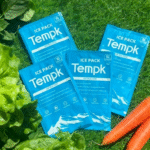
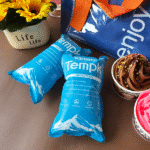
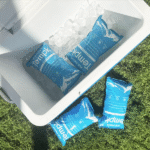
UN hydrater un sac de glace carbonique est un terme fournisseur pour un produit différent. Instruction publiée par Tempk, Par exemple, décrit une feuille trempée dans l'eau et congelée et la distingue explicitement de la neige carbonique. C'est une feuille de refroidissement à base d'eau, pas ET 1845 dioxyde de carbone. Il ne crée pas de gaz de sublimation, mais il peut se dilater pendant l'hydratation, fuite si endommagé, et produisent des points froids lorsqu'ils sont congelés.
Les packs de gel et PCM sont également distincts. Un pack de gel contient généralement un gel aqueux scellé. Le PCM est une vaste catégorie d'ingénierie pour les matériaux qui absorbent la chaleur lors d'un changement de phase.; des PCM spécialement formulés peuvent être sélectionnés autour d'un point de phase cible. Le point de changement de phase, état de conditionnement, formulaire d'emballage, et les preuves de test déterminent l'adéquation.
Le classement doit apparaître sur la fiche technique et le bon de commande approuvés.. Les noms de produits peuvent rester pour la continuité du catalogue, mais l'identité matérielle réelle doit conduire à la sécurité, déclaration, stockage, et qualification.
Grille 3: Concevoir le pack complet
Le packout est une nomenclature plus une méthode d'assemblage. Il comprend:
emballage primaire de fruits de mer;
tout revêtement secondaire résistant aux fuites;
matériau absorbant ou séparateur;
liquide de refroidissement ou réfrigérant par article exact et condition définie;
disposition de la charge utile et plage de charge autorisée;
récipient isolé et couvercle;
emballage extérieur structurel;
fermetures, preuve d'inviolabilité, et étiquettes;
moniteur de température si nécessaire;
instructions d'emballage et de réception.
Chaque composant peut modifier le transfert de chaleur. Un revêtement peut introduire un entrefer. Un séparateur peut protéger un sachet de la neige carbonique mais réduire le refroidissement direct. Le remplissage du vide peut empêcher le mouvement mais consommer de l'espace de charge utile. Un carton plus grand peut augmenter la surface et la charge thermique. Même le placement du ruban adhésif est important s'il restreint le chemin de libération de gaz prévu..
Pour les fruits de mer réfrigérés, cartographier les risques de chaleur et de froid. Le liquide de refroidissement immédiatement contre un congé peut geler la surface pendant que le centre de l'expéditeur se réchauffe. Pour les fruits de mer surgelés avec de la neige carbonique solide, étudier le placement de la glace carbonique, espace de sublimation, contact avec la charge utile, isolation, et ventilation. Un emballage doit rester structurellement sécurisé sans devenir hermétique.
Le contrôle des fuites mérite son propre dessin. Les fruits de mer peuvent libérer du liquide de purge ou de dégel même si la neige carbonique solide ne produit pas d'eau de fonte.. Une feuille ou un pack de gel à base d'eau peut également fuir après une perforation ou une rupture du joint.. Utiliser un confinement primaire et secondaire approprié à la source liquide crédible, puis s'assurer que la construction reste compatible avec les performances thermiques et le rejet de dioxyde de carbone.
La porte des preuves: Ce qu'un acheteur devrait exiger
Le tableau suivant peut servir d’annexe technique à une demande de devis.
| Article de spécification | Ce que le fournisseur ou l'équipe de projet doit déclarer | Ce qu'il ne faut pas supposer |
|---|---|---|
| Identité du liquide de refroidissement | Dioxyde de carbone solide, feuille d'hydratation, gel, PCM, ou autre matériel; inclure les instructions actuelles et les informations de sécurité | Que tous les produits appelés « blocs de glace carbonique » se comportent comme de la neige carbonique |
| État des fruits de mer | Glacé, congelé, ou un autre état défini, avec des critères d'acceptation spécifiques au produit | Que « garde froid » est une limite d’acceptation |
| Dimensions conditionnées | Dimensions et masse dans l'état utilisé pour l'emballage, y compris l'expansion de l'hydratation | Qu'un échantillon plat et sec représente un espace de charge utile utilisable |
| Configuration du pack | Récipient, charge utile, placement du liquide de refroidissement, doublures, séparateurs, fermetures, et extérieur | Cette performance du liquide de refroidissement se transfère à n’importe quelle boîte |
| Support thermique | Profil de test, durée, charge utile, conditions de départ, carte des capteurs, instrument d'État, données brutes, et réussir les critères | Un temps de tenue universel à partir d'une brochure |
| Soutien physique | Test de distribution ou évaluation pertinente à abandonner, vibration, compression, et risques de résistance à l'humidité | Qu'un passe thermique prouve la survie des structures |
| Documentation alimentaire et matérielle | Documents applicables à l'article exact, contact prévu, et marché de destination | Cette « qualité alimentaire » est globalement explicite |
| Examen des marchandises dangereuses | Exigences spécifiques au mode pour la glace carbonique solide, y compris la ventilation, marques, quantité, documents, entraînement, et acceptation de l'opérateur | C'est une classe 9 l'étiquette à elle seule complète la conformité |
| Contrôle de production | Spécification approuvée, traçabilité des lots, inspection, avis de changement, et processus de l'échantillon à la production | Que tous les futurs lots correspondent à l'échantillon de vente |
| Fin de vie ou réutilisation | Élimination, recyclage, retour, nettoyage, inspection, et instructions de retraite, le cas échéant | Réutilisable ou recyclable signifie qu'il sera réellement réutilisé ou recyclé |
Cette annexe transforme les déclarations marketing en obligations révisables. Il n'est pas nécessaire d'inventer des valeurs inconnues pour le compléter. Ils peuvent être répertoriés comme « à établir par des tests » ou « fournisseur à confirmer," avec un propriétaire responsable et une date d'échéance avant approbation.
Qualifier les performances thermiques sans inventer de quantité
Il n'existe pas de rapport universel glace carbonique/fruits de mer ni de nombre fixe de feuilles d'hydratation adaptées à chaque colis.. La quantité dépend de l'entrée de chaleur, itinéraire, charge utile, isolation, conditions de départ, comportement du liquide de refroidissement, placement, contingence, et contraintes des transporteurs.
Utiliser un processus de qualification par étapes.
Caractériser la voie
Recueillir des informations sur les transports en commun prévus et réels. Identifier les quais, points de transfert, périodes non réfrigérées, segments d'avions ou de véhicules, exposition le week-end, douane, et retard de réception. Choisissez un profil de test ambiant pris en charge par des méthodes standard, données de voie, ou une évaluation des risques documentée. Les profils thermiques ISTA peuvent prendre en charge l'évaluation colis-colis, mais un profil standard ne représente pas automatiquement toutes les routes de fruits de mer.
Cartographier la charge utile
Utiliser des fruits de mer représentatifs ou un simulant justifié de masse comparable, géométrie, thermal properties, emballage primaire, et condition de départ. Placez des capteurs calibrés dans des endroits chauds et froids crédibles. La température du réfrigérant à elle seule ne constitue pas la température du produit.
Contester la configuration
Testez le pack défini par rapport à des critères prédéterminés. Examiner les excursions hautes et basses, pas seulement la moyenne. Inclure une plage de charge utile justifiée et des conditions saisonnières. Si une configuration est destinée à plusieurs produits, documenter la justification de la mise entre parenthèses.
Vérifier l'intégrité physique
Appliquer les contraintes de manipulation appropriées et inspecter le carton, isolation, coolant seals, doublures, forfaits de fruits de mer, ventilation, et le mouvement des composants. Un emballage qui maintient la température mais fuit ou ne peut pas survivre au tri n'a pas atteint son objectif opérationnel.
Exécuter un pilote opérateur
Demander à un personnel qualifié d'hydrater ou de conditionner les composants, assembler la boîte, marque-le, offrez-le, le recevoir, récupérer des données, et prendre une décision de disposition. Enregistrez le timing et les erreurs courantes. Réviser la SOP ou la conception lorsque l'exécution est fragile.
La quantité approuvée et la durée réclamée sont les résultats de ce travail. Ils doivent être liés à la configuration exacte, non présenté comme propriétés inhérentes à un seul pack.
Aligner les contrôles des fruits de mer avec les preuves d'expédition
La sécurité des fruits de mer est spécifique au produit. L'équipe d'emballage doit examiner l'analyse des dangers et le plan HACCP avec le propriétaire de la sécurité alimentaire avant de définir des critères thermiques..
Pour les fruits de mer réfrigérés, le contrôle temps-température peut lutter contre la croissance des agents pathogènes. Pour les poissons producteurs de scombrotoxines, un mauvais refroidissement avant ou pendant le transport peut contribuer à la formation d'histamine. Le refroidissement ne démontre pas que l'exposition antérieure était acceptable. La réception des preuves peut inclure les dossiers du transporteur, un enregistrement temps-température, mesure du produit, état des glaces, état du liquide de refroidissement, ou un autre contrôle établi dans le plan.
Les fruits de mer surgelés doivent être chargés dans l'état requis. L'emballage passif est généralement conçu pour maintenir l'état, ne pas geler une charge utile chaude. Si les fruits de mer partiellement décongelés contiennent davantage de neige carbonique, la lecture finale à froid peut masquer le problème d'expédition.
Le destinataire a besoin d’un chemin d’action écrit:
inspecter l'extérieur pour déceler tout dommage, humidité, bouches d'aération bloquées, ou fermetures modifiées;
Outils de décision utiles
Vérifiez les détails avant de choisir l'emballage
Ces outils rapides peuvent vous aider à comparer le risque d'itinéraire, besoins de dimensionnement, choix de liquide de refroidissement, et les détails de l'emballage avant de demander un devis.
Doublure de boîte & Dimensionnement des couvertures de palettes
Vérifiez la logique de dimensionnement du revêtement de boîte et du couvercle de palette pour les projets d'emballage isotherme.
Dimensionnement estiméCalculateur de banquise
Estimation de la quantité de pain de glace pour les expéditions réfrigérées et planification pratique des itinéraires.
Estimer les packs de glaceRéférence du matériau isolant
Comparez les choix de matériaux d'isolation pour différents besoins d'emballage de la chaîne du froid.
Comparez les matériauxmanipuler de la neige carbonique solide dans un endroit aéré avec une protection appropriée;
vérifier l'identité de l'expédition et les enregistrements requis;
récupérer le moniteur ou prendre des mesures définies;
isoler les expéditions qui échouent ou présentent des preuves incertaines;
transmettre la décision au rôle autorisé en matière de sécurité alimentaire ou de qualité;
conserver les données et documenter la décision.
Ne demandez pas au personnel d'accueil de juger la sécurité à l'odeur., touche, ou réfrigérant résiduel seul.
Contrôlez la glace carbonique solide de la salle d’emballage au transporteur
La neige carbonique solide présente deux dangers liés: contact froid et gaz carbonique. Des gants appropriés, protection des yeux, et les outils de manipulation aident à prévenir les blessures causées par le froid. La ventilation et le stockage sûr aident à prévenir l'accumulation de dioxyde de carbone dans les pièces, véhicules, et autres espaces confinés. Les contrôles professionnels doivent être basés sur une évaluation du site et les directives de sécurité actuelles..
La ventilation des colis est obligatoire dans les règles de transport en vigueur, car la sublimation du dioxyde de carbone peut créer une pression.. Aux États-Unis, les besoins en air et en eau nécessitent des emballages conçus pour libérer des gaz. Les expéditions aériennes nécessitent des arrangements avec l'opérateur et incluent un marquage de la masse nette et d'autres informations sur les marchandises dangereuses.. L'identité d'expédition appropriée est le dioxyde de carbone, glace solide ou sèche, Et 1845, Classe 9.
Marques exactes, étiquettes, documentation, exceptions, et les limites de quantité dépendent du colis et du transport. Règles aériennes internationales, mise en œuvre nationale, variations des compagnies aériennes, et l'acceptation du coursier doit être vérifiée pour la voie. Seuls les employés formés doivent préparer les expéditions lorsqu'une formation sur les marchandises dangereuses est requise..
La planification de l'entrepôt doit tenir compte de la neige carbonique reçue avant l'emballage, sublimation lors de la mise en scène, et quantité nette à l'appel d'offres. Une quantité achetée n'est pas nécessairement la quantité d'expédition déclarée. L'organisation a besoin d'un moyen contrôlé pour mesurer et enregistrer le montant dans le colis terminé..
Passer de l'échantillon approuvé à la production en gros
La transition du projet pilote à la commande groupée est le moment où de nombreux programmes d'emballage perdent le contrôle.. L'échantillon approuvé peut être sélectionné manuellement, tandis que la production introduit des variations normales dans le film, scellés, hydratation, dimensions, carton, isolation, ou impression.
Créez une spécification de composant approuvée avec des tolérances importantes pour l'emballage. Pour une feuille d'hydratation, qui peut inclure des dimensions sèches et conditionnées, construction de cellules, film ou tissu, contenu absorbant, modèle de sceau, méthode d'hydratation, et défauts visuels. Pour packs de gel ou PCM, inclure l'identité de la formulation, remplir, joint, dimensions, conditionnement, et marquage des lots. Pour un conteneur isotherme, identifier les matériaux, construction des murs et des couvercles, dimensions intérieures, et interfaces critiques.
Convenir des échantillons de pré-production et de l'inspection à réception. L’inspection doit être basée sur les risques: identité, compter, dimensions, masse là où c'est significatif, scellés, fuite, imprimer, informations sur le lot, et l'ajustement conditionné peut être vérifié. Enregistrer les non-conformités et définir la ségrégation.
Exiger un préavis avant les modifications qui pourraient affecter l'ajustement, statut de contact alimentaire, sécurité, performances thermiques, ou élimination. Un petit changement de film ou de processus de scellement peut altérer la durabilité du produit congelé. Le remplacement d'un carton peut affecter la compression ou la résistance à l'humidité. Évaluer les changements par rapport à la référence qualifiée et retester lorsque le risque le justifie.
Conditions de vente en gros telles que la commande minimum, délai de mise en œuvre, emballage des composants, modèle de palette, durée de conservation, et la personnalisation doit être demandée plutôt que supposée. L'impression personnalisée peut améliorer l'identification des emballages, mais cela ne devrait pas masquer les marques de marchandises dangereuses requises sur une expédition finie.
Calculer le coût total livré
Le prix unitaire ne représente qu'une seule ligne dans un modèle de coût d'emballage des fruits de mer. Inclure:
emballage isolé et composants du liquide de refroidissement;
approvisionnement en glace carbonique solide et sublimation avant utilisation;
hydratation, gel, et stockage d'énergie;
personnel d'emballage et équipement de protection;
perte d'espace de charge utile et poids volumétrique du colis;
formation sur les marchandises dangereuses, documentation, et frais de transporteur;
moniteurs de température et traitement des données;
dommages au colis, fuites, cale, et fruits de mer rejetés;
fret de retour, nettoyage, inspection, et pertes pour les systèmes réutilisables;
élimination ou valorisation à destination;
requalification après matière, voie, ou des changements de service.
Comparez les candidats avec le même résultat de livraison. Un emballage réutilisable peut avoir un prix d'achat plus élevé et une consommation de composants inférieure, mais seulement si des travaux de retour et d'inspection sont effectués.. Une feuille d'hydratation peut être stockée de manière compacte avant le conditionnement, mais s'étendre dans l'espace de charge utile. La neige carbonique solide peut supporter une voie gelée tout en créant des obligations supplémentaires en matière de manutention et de transport.. La mesure appropriée est le coût total par livraison acceptée, la perte et la sécurité alimentaires étant traitées comme des risques matériels.
Pilote hypothétique: Du mot clé à l’emballage contrôlé
Un acheteur recherche un sac de glace carbonique en gros pour l'expédition de fruits de mer, car un nouveau détaillant souhaite la livraison par colis de portions de poisson réfrigérées.. Plusieurs fournisseurs proposent «packs de glace sec," mais une offre est du dioxyde de carbone solide et une autre est une feuille d'hydratation.
L'acheteur rejette l'idée de choisir entre eux sur le prix. L'équipe de sécurité alimentaire confirme que les portions doivent rester réfrigérées et que la congélation contre le produit n'est pas souhaitable. Cela fait d’un contact direct non qualifié avec de la glace carbonique un mauvais point de départ.. L’équipe obtient des échantillons de feuilles d’hydratation et un candidat PCM spécialement conditionné.
Les ingénieurs packaging s’hydratent, geler, et mesurez la feuille, puis créez des maquettes de charge utile dans le format prévu boîte isotherme. Ils définissent l'emplacement du revêtement et de l'absorbant pour les fuites de fruits de mer., cartographier les endroits froids et chauds, et défier les candidats sous un profil de parcours justifié. Aucune quantité ni durée n'est supposée; les deux sont déterminés au cours du développement.
L'équipe de réception examine les expéditions testées à l'aveugle à l'aide de règles d'acceptation écrites.. Les emballeurs signalent qu'un format de feuille se plie de manière incohérente et appuie parfois contre un sceau principal., la conception est donc révisée avant la qualification formelle. L'approvisionnement verrouille ensuite la configuration réussie, obtient des échantillons de production, et se met d'accord sur les contrôles de lots et de modifications.
Cet exemple est hypothétique, mais le chemin de décision est transférable. Le mot-clé a ouvert une recherche de fournisseur; les exigences de l'utilisateur et les preuves qui ont créé l'achat.
Questions fréquemment posées
Quel est le meilleur pour les fruits de mer, feuilles de glace carbonique solide ou de liquide de refroidissement d'hydratation?
Ni l’un ni l’autre n’est universellement meilleur. La glace carbonique solide peut convenir à un envoi congelé correctement conçu., tandis qu'une feuille d'hydratation conditionnée peut convenir à certains emballages réfrigérés ou à d'autres utilisations testées. L'état des fruits de mer, itinéraire, isolation, transporteur, obligations de sécurité, risque côté froid, et les résultats de la qualification déterminent la réponse. Confirmer qu'un produit appelé sac de glace carbonique est réellement identifié par son matériau.
Le rapport de temps d'attente d'un fournisseur peut-il remplacer les tests de l'acheteur?
Cela peut réduire l'incertitude si la boîte testée, charge utile, liquide de refroidissement, températures de départ, profil ambiant, carte des capteurs, et les critères d'acceptation correspondent étroitement à l'expédition proposée. Il répond rarement à toutes les questions spécifiques à une voie. Examiner la pertinence et effectuer une qualification ou une vérification appropriée au risque avant la mise à l’échelle. Documentez toute lacune.
Pourquoi un paquet de glace carbonique doit-il être ventilé si les fuites de fruits de mer doivent être contenues?
Les fonctions sont différentes. Les fruits de mer et les liquides crédibles nécessitent une voie de confinement, alors que le dioxyde de carbone a besoin d'une voie de libération sûre. Un emballage bien conçu peut utiliser un emballage primaire de fruits de mer scellé, une barrière liquide secondaire, et une construction de glace sèche et d'emballage extérieur ventilée. Ne pas rendre l'emballage complet hermétiquement.
L'enregistreur le plus froid lit-il le résultat le plus important?
Non. Pour les fruits de mer réfrigérés, l'endroit le plus froid peut révéler un gel indésirable; pour toutes les charges utiles, l'endroit crédible le plus chaud peut révéler une perte de contrôle. Examinez la distribution cartographiée au fil du temps et appliquez des critères spécifiques au produit. Un enregistreur à côté du réfrigérant ne représente pas la totalité de la charge utile pendant le transport.
Ce qui doit être congelé avant d'être emballé?
La réponse dépend de la SOP approuvée. Les fruits de mer doivent être livrés dans l'emballage dans les conditions d'expédition spécifiées.. Feuilles d'hydratation, packs de gel, ou les composants PCM ont besoin de l'état de conditionnement défini tout au long. La neige carbonique solide est fournie comme réfrigérant et perd de la masse par sublimation. N'utilisez pas l'expéditeur comme méthode non documentée pour ramener les fruits de mer chauds selon les spécifications..
Approuver le système, Alors passez la commande
Un emballage de fruits de mer prêt à l'achat a un résultat de livraison défini, une identité sans ambiguïté du liquide de refroidissement, une nomenclature maîtrisée, preuves thermiques et physiques pertinentes, alignement sur la sécurité des produits de la mer, acceptation du transport, et procédures reproductibles. La neige carbonique solide nécessite une ventilation, protection contre le contact froid, contrôles du dioxyde de carbone, et examen des marchandises dangereuses par mode. Les feuilles d'hydratation sont des liquides de refroidissement gelés à base d'eau, pas du dioxyde de carbone solide; ils ont besoin d'hydratation, conditionnement, ajuster, et contrôle des fuites. L'échelle de vente en gros doit suivre la qualification et le contrôle de la production, ne les précède pas.
À propos du tempk
La gamme publiée par Tempk comprend des feuilles de liquide de refroidissement hydratantes décrites comme hydrater les packs de glace carbonique pour les utilisations de refroidissement des aliments comme les fruits de mer. Les instructions d'utilisation de l'entreprise distinguent ces feuilles de la neige carbonique solide et demandent aux utilisateurs de les hydrater et de les congeler.. Cette limite vérifiée est utile pour la spécification: les acheteurs peuvent évaluer le produit comme un composant de liquide de refroidissement flexible à base d'eau plutôt que comme du dioxyde de carbone. Tempk peut fournir des informations sur les produits candidats et discuter des besoins en volume ou en format, tandis que l'acheteur reste responsable de confirmer la documentation pertinente et de qualifier l'emballage de fruits de mer fini pour son produit., itinéraire, et processus opérationnel.
Envoyez à Tempk vos besoins utilisateur, dessin d'emballage, état des fruits de mer, détails de l'itinéraire, et volume de gros attendu. Demandez l’échantillon conditionné exact et la documentation nécessaire pour prendre une décision de qualification contrôlée.