


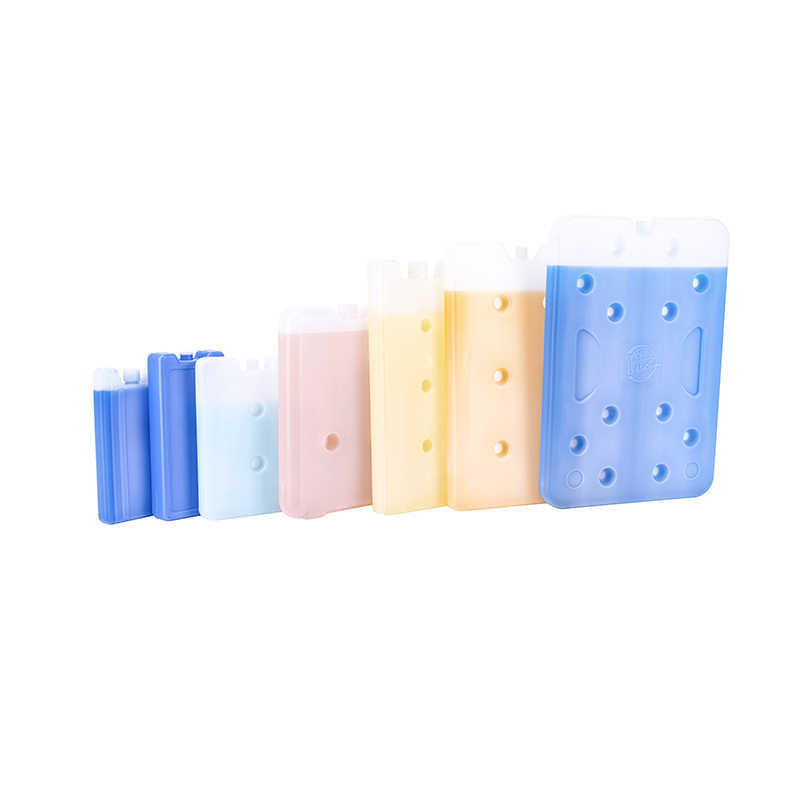
HDPE ice brick kaku
Berguna untuk kotak EPP, pendingin medis, tas pengiriman, dan loop pengembalian yang membutuhkan cangkang tahan lama, pembersihan mudah, penempatan tetap, dan kontrol inventaris.
Lihat ice brick pakai ulangSistem kustom media pendingin untuk Packout yang dapat diulang
Pilih titik fase, bentuk PCM, dimensi, cangkang, metode pengkondisian, penempatan tetap, label, dan persyaratan pesanan berulang di sekitar batas produk dan pengirimnya berinsulasi.
Siapkan permintaan sampel Anda
Pilih detail pengiriman yang sudah diketahui tim kualitas, logistik, dan pengepakan Anda. Tempk dapat menggunakan ringkasan untuk merekomendasikan sampel; Titik fase akhir, kuantitas, dan penempatan harus diperiksa dalam Packout lengkap.
Apa yang perlu disesuaikan?
Pilih bentuk operasi
ice brick kaku, kantong fleksibel, dan susunan panel memecahkan masalah kesesuaian dan penanganan yang berbeda. Pilih bentuk di sekitar ruang ruang yang dapat digunakan dan pengulangan, bukan penampilan saja.
Berguna untuk kotak EPP, pendingin medis, tas pengiriman, dan loop pengembalian yang membutuhkan cangkang tahan lama, pembersihan mudah, penempatan tetap, dan kontrol inventaris.
Lihat ice brick pakai ulangBerguna ketika media pendingin harus sesuai dengan celah samping yang sempit, ruang tutup, atau muatan yang tidak teratur sekaligus membatasi volume yang tidak terpakai dalam shipper satu arah.
Bandingkan perilaku PCMBerguna untuk shipper medis tetap atau bernilai tinggi di mana setiap posisi panel, status pengkondisian, pemisah, dan titik logger dicatat.
Rencanakan kemasan farmasiMenggabungkan PCM yang kaku dan fleksibel, atau PCM dengan sumber dingin lain yang disetujui, ketika ruang membutuhkan kapasitas tetap dan cakupan pengisian celah.
Rencanakan pengujian PackoutKontrol pesanan berulang
Packout yang dapat diulang bergantung pada lebih dari rumus media pendingin. Unit fisik, kondisi awal, posisi, dan pemeriksaan pengoperasian harus tetap selaras dengan rakitan yang diuji.
Perbaiki titik fase, referensi formulasi, massa atau volume isian, kontrol batch, dan label yang digunakan untuk program yang disetujui.
Perbaiki dimensi luar, ketebalan, cangkang atau film, orientasi, jumlah unit, dan jarak bebas ruang.
Catatan suhu pengkondisian, waktu pengkondisian minimum, batas pementasan, dan bagaimana unit siap diidentifikasi.
Kontrol penempatan, pemisah, urutan pembukaan, pembersihan, inspeksi, inventarisasi, dan pensiun unit yang rusak.
Pilih berdasarkan kebutuhan suhu
Gunakan opsi ini untuk mempersempit sampel pertama. Performa akhir tergantung pada muatan, kuantitas PCM, pengkondisian, insulasi, penempatan, dan profil rute bekerja bersama.
| Persyaratan pengiriman | PCM opsi awal | Penempatan dan pemisahan | Apa yang harus dikonfirmasi oleh sampel |
|---|---|---|---|
| 2–8°C obat sensitif beku | Dikondisikan PCM dipilih terhadap batas produk yang disetujui, dalam panel kaku, ice brick, atau pengaturan kantong tetap. | Gunakan ruang muatan terpisah dan cegah kontak media pendingin beku langsung kecuali desain yang memenuhi syarat mengizinkannya. | Titik produk terhangat dan terdingin, risiko pembekuan, margin penundaan, pengulangan pengkondisian, dan akurasi perakitan. |
| 15–25°C ruang terkendali suhu | PCM perilaku fase dan kondisi awal yang dipilih untuk perlindungan musim panas dan musim dingin. | Tempatkan unit untuk menyangga paparan eksternal tanpa menciptakan zona dingin lokal di samping muatan. | Masuknya panas musim panas, perendaman dingin musim dingin, transisi serah terima, waktu pementasan, dan instruksi pengoperasian musiman. |
| Makanan dingin atau pengiriman lokal | Kantong ice brick atau PCM yang kaku sesuai dengan ruang tas atau kotak yang tersedia dan siklus pengiriman yang diperlukan. | Gunakan kantong, pembagi, atau posisi atas dan samping tetap untuk menghentikan gerakan, penghancuran, atau kontak langsung dengan makanan rapuh. | Kondisi kedatangan, kondensasi, tekanan produk, keseimbangan tas, frekuensi pembukaan, pembersihan, dan alur kerja pembekuan ulang. |
| rute beku | PCM subzero atau sistem hibrida dibandingkan dengan sumber dingin beku lainnya yang disetujui dan kendala operator pengiriman. | Distribusikan sumber dingin di sekitar ruang beku sambil melindungi kemasan, label, dan produk dari kontak terkonsentrasi. | Pemanasan muatan, sumber dingin yang tersisa, penundaan rute, pertimbangan tekanan atau uap, label, dan penanganan penerima. |
Pasang media pendingin ke ruang
Ketebalan beku atau terkondisi, jarak bebas tutup, sudut cetakan, posisi pembagi, penghapusan muatan, dan kecepatan pengepakan semuanya dapat mengubah apakah ice brick berfungsi dalam praktiknya.
Bagikan dimensi shipper dan muatan internal, tidak hanya ukuran karton luar.
Periksa unit setelah pengkondisian untuk ketebalan, kerataan, kesesuaian, dan kondisi permukaan.
Gunakan kantong, slot, label, warna, atau diagram pengepakan sehingga operator mengulangi tata letak yang sama.
Tinjau pemisah dan titik tekanan di sekitar karton, botol, baki, botol, dan label.
Pengkondisian dan penggunaan kembali
sampel yang baik masih bisa gagal dalam penggunaan sehari-hari ketika ice brick hanya dikondisikan sebagian, dipentaskan terlalu lama, ditempatkan di slot yang salah, atau dikembalikan tanpa pemeriksaan.
Gunakan nomor bagian, warna, label, referensi titik fase, dan daftar kuantitas sehingga keluarga media pendingin yang berbeda tidak bercampur.
Tentukan peralatan, pola pemuatan, suhu pengkondisian, waktu minimum, batas pementasan, dan pemeriksaan kesiapan.
Gunakan posisi bernomor, pemisah, diagram paket, dan lokasi logger yang cocok dengan rakitan sampel atau yang disetujui.
Periksa kebocoran, integritas tutup atau las, deformasi, kontaminasi, label, dan unit yang hilang sebelum rekondisi.
Pilih opsi kustom Anda
| Item kustomisasi | Keputusan untuk menyediakan | Apa yang harus dikonfirmasi oleh sampel atau persetujuan |
|---|---|---|
| Titik fase dan formulasi | produk batas, target band, sensitivitas pembekuan, profil musiman, kebutuhan penggunaan kembali, dan persyaratan material. | Referensi PCM yang dipilih, keadaan pengkondisian, perilaku termal dalam Packout lengkap, dan dokumentasi yang disepakati. |
| Dimensi dan kapasitas | Panjang maksimum, lebar, ketebalan, jarak bebas ruang, tata letak muatan, dan penempatan yang diperlukan. | Kesesuaian yang dikondisi, volume muatan yang dapat digunakan, orientasi, kesesuaian saku atau rak, dan kecepatan pengepakan. |
| Cangkang atau kantong | HDPE kaku, film fleksibel, konstruksi panel, tutup atau las, paparan tusukan, dan proses pembersihan. | Ketahanan kebocoran, integritas penutupan, kondisi permukaan, penanganan, dan kompatibilitas dengan operasi yang dimaksudkan. |
| Warna, label, dan penomoran | Pengkodean warna, logo, ID produk, label titik fase, instruksi pengkondisian, kode batang, dan teks peringatan. | artwork, adhesi cetak atau label, area pemindaian, kejelasan operator, dan ketertelusuran melalui pengembalian dan penggunaan kembali. |
| Instruksi pengkondisian dan kemasan | Peralatan, suhu, waktu, pementasan, urutan perakitan, pemisah, titik logger, dan penerima cek. | SOP atau diagram pengepakan yang dapat diulang yang dapat diikuti oleh operator terlatih tanpa mengubah tata letak yang diuji. |
| karton dan ulangi pasokan | Unit per karton, kemasan pelindung, paket palet, label ekspor, permintaan bulanan, inspeksi, dan kode pemesanan ulang. | Disetujui karton hitungan, perlindungan transit, inspeksi masuk, referensi batch, dan spesifikasi pesanan berulang. |
Dari sampel pesanan berulang
Dokumentasikan muatan, batas suhu, rute, shipper, dan kendala pengoperasian.
Bandingkan perilaku fase PCM, bentuk, dimensi, pengkondisian, dan penempatan ruang.
Kondisi unit sampel dan tinjau kantong, pembagi, ruang muatan, label, dan kecepatan pengepakan.
Uji shipper yang dimuat lengkap di bawah asumsi ambien dan rute yang disepakati.
Setujui spesifikasi unit, catatan pengkondisian, diagram pengepakan, rencana karton, dan kode pemesanan ulang.
Selesaikan PCM Packout
Referensi kualifikasi: Proyek perawatan kesehatan dan vaksin harus mengikuti persyaratan kualitas pemilik produk dan prosedur transportasi yang berlaku. WHO/PQS mengakui paket PCM sebagai pack media pendingin dengan suhu perubahan fase selain 0°C, sementara ISTA 7E menyediakan kerangka kerja untuk mengevaluasi kemasan transportasi termal terhadap paparan suhu eksternal.
Pertanyaan sebelum pengambilan sampel
Tidak. Titik fase yang lebih dingin dapat meningkatkan risiko kontak langsung atau pembekuan untuk produk sensitif. Pilih PCM terhadap batas produk yang disetujui, kondisi awal, insulasi, rute, dan pemisahan, lalu uji Packout lengkap.
Opsi PCM khusus proyek dapat dibahas, tetapi perilaku fase yang diminta, kompatibilitas, metode pengkondisian, kuantitas, dan dokumentasi harus ditinjau sebelum pasokan sampel atau massal disetujui.
ice brick kaku cocok dengan tata letak tetap yang dapat digunakan kembali dan mudah dibersihkan. Kantong fleksibel cocok untuk ruang sempit dan muatan yang tidak teratur. Pilihan yang tepat tergantung pada dimensi ruang, titik tekanan, penggunaan kembali, dan alur kerja pengepakan.
Tidak ada nomor universal yang dapat diandalkan. Kuantitas tergantung pada massa muatan, suhu awal, kinerja shipper, perilaku fase satuan, profil ambien, durasi rute, penempatan, dan kondisi kedatangan yang dapat diterima.
Iya. Packout yang disetujui harus menyatakan peralatan pengkondisian, suhu, waktu minimum, batas pementasan, pemeriksaan kesiapan, jumlah unit, orientasi, dan urutan penempatan.
Mereka dapat mendukung program yang dapat digunakan kembali ketika lingkaran pengembalian mencakup kriteria pembersihan, inspeksi, inventarisasi, rekondisi, dan pensiun untuk unit yang bocor, cacat, terkontaminasi, atau tidak dapat diidentifikasi.
Bagikan batas produk, muatan, rute, shipper, berinsulasi, peralatan pengkondisian, formulir PCM pilihan, model penggunaan kembali, jumlah, dan catatan pengujian atau persetujuan yang diperlukan. Tempk dapat merekomendasikan sampel dan menyiapkan penawaran OEM.