Memilih Pemasok Paket Gel Medis yang Tepat untuk Penggunaan Hewan
Cara teraman untuk mendapatkan sumber dalam kategori ini adalah dengan memperlakukan paket sebagai bagian dari sistem kerja. Sistem itu mungkin merupakan pengirim rantai dingin, protokol spesimen, produk terapi ritel, atau karton e-commerce premium. Setelah Anda menyusun keputusan seperti itu, pemilihan pemasok menjadi jauh lebih praktis dan tidak perlu menebak-nebak.
Jika kemasannya akan digunakan langsung pada hewan, pikirkan tentang resistensi gigitan, penutup tekstil, dan kemudahan desinfeksi. Jika akan bepergian dengan membawa vaksin atau spesimen, pikirkan tentang isolasi, penempatan logger, dan profil rute sebagai gantinya.
Apa yang seharusnya dilakukan oleh produk—dan apa yang tidak diharapkan dari produk tersebut
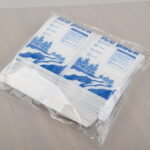
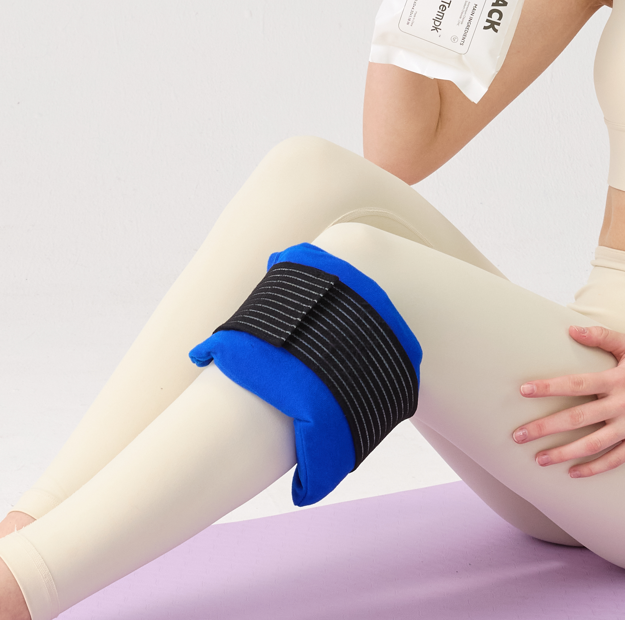
Ungkapan pemasok hewan paket gel medis dapat menunjukkan dua kategori produk yang sangat berbeda. Salah satunya adalah paket terapi penggunaan langsung untuk perawatan pasca operasi, manajemen pembengkakan, atau rehabilitasi. Yang lainnya adalah zat pendingin yang digunakan untuk memindahkan vaksin hewan, Biologi, kit diagnostik, atau sampel melalui rantai dingin. Kasus penggunaan tersebut memerlukan material yang berbeda, pelabelan, instruksi penanganan, dan kemampuan pemasok.
Itu sebabnya tugas pertama adalah mendefinisikan aplikasi dengan jelas. Jika kemasannya untuk penggunaan yang bersentuhan dengan hewan, kenyamanan, fleksibilitas, keamanan permukaan, dan petunjuk penggunaan sangat penting. Jika untuk pengiriman produk hewan yang sensitif terhadap suhu, kemudian desain paket, durasi rute, isolasi, dan kontrol suhu menjadi prioritas. Pemasok yang baik tidak akan mengaburkan kedua fungsi tersebut.
Vaksin hewan sensitif terhadap suhu, dan panduan pengadaan menekankan keandalan rantai dingin selama pembelian dan distribusi. Itu membuat pemantauan, menerima cek, dan kekokohan desain paket sebagai bagian dari evaluasi pemasok, bukan sebuah renungan. Untuk biologi veteriner, pedoman kesehatan hewan masyarakat juga memperingatkan bahwa panas atau dingin yang berlebihan dapat merusak vaksin, dan beberapa produk berpendingin tidak boleh dibekukan. Hal ini membuat pendinginan berlebihan menjadi masalah pengadaan yang nyata, bukan teori.
Bagaimana format yang tepat dipilih
Bila produknya berupa paket terapi, pertanyaan kinerjanya menyerupai pemilihan kompres dingin pada manusia: fleksibilitas saat dibekukan, reusability, kandungan tidak beracun, dan bahan luar yang sesuai. Jika produknya adalah zat pendingin rantai dingin, pertanyaannya bergeser ke arah massa termal, pengkondisian rutin, penempatan paket, dan kompatibilitas dengan pengirim berinsulasi yang digunakan untuk vaksin hewan atau produk diagnostik.
Dengan kata lain, kata-kata yang sama 'paket gel medis' dapat menyembunyikan persyaratan teknis yang sangat berbeda. Pendekatan yang paling aman adalah memaksakan kejelasan sejak dini. Mintalah pemasok untuk menjelaskan tujuan penggunaan, metode pengkondisian, tumpukan bahan, menggunakan kembali harapan, dan batasan penanganan apa pun. Langkah sederhana itu mencegah banyak kesalahpahaman yang merugikan.
Permintaan umum mencakup pemulihan hewan pasca operasi, program olahraga dan rehabilitasi untuk hewan pendamping, dan pengangkutan vaksin hewan, Biologi, atau bahan diagnostik. Itu bukanlah saluran yang bisa dipertukarkan. Paket rehabilitasi untuk klinik membutuhkan permukaan yang bagus, instruksi penanganan yang aman, dan daya tahan penggunaan berulang. Refrigeran pengiriman untuk vaksin hewan memerlukan pengemasan khusus rute dan pengendalian pendinginan berlebihan yang cermat, karena beberapa ahli biologi veteriner sensitif terhadap suhu di kedua arah.
Dimana pembeli mendapatkan nilai dan dimana kesalahan dimulai
Keuntungan utama mendapatkan kategori yang tepat adalah Anda hanya membeli performa yang Anda perlukan. Paket terapi dapat dipilih untuk kenyamanan, penggunaan kembali, dan menangani. Paket pengiriman dapat dipilih berdasarkan perilaku termal dan kompatibilitas paket. Kejelasan tersebut membantu pembeli menghindari membayar untuk fitur yang salah sambil tetap melindungi perawatan hewan atau integritas produk.
Batasannya adalah ambiguitas. Jika spesifikasinya mencampurkan bahasa kontak tubuh dengan bahasa pengiriman, pemasok mungkin mengutip jenis produk berbeda dengan nama yang sama. Hal ini menciptakan kebingungan dalam persidangan, dokumentasi, dan menerima cek. Pernyataan tujuan penggunaan yang jelas harus ditempatkan di bagian atas ringkasan pembelian.
Kebutuhan data teknis bergantung sepenuhnya pada kasus penggunaan. Pembeli terapi harus bertanya tentang fleksibilitas, nuansa permukaan, Daya Daya Siklus, dan petunjuk penggunaan yang aman. Pembeli rantai dingin harus bertanya tentang massa kemasan, pengkondisian, risiko kontak, pas di dalam pengirim terisolasi, dan bagaimana paket tersebut berperilaku di sekitar muatan vaksin berukuran kecil yang dapat dengan mudah menjadi terlalu dingin.
Kegagalan yang paling umum adalah kebingungan kategori. Pemasok dapat mengirimkan paket terapi ketika pembeli membutuhkan zat pendingin pengiriman, atau mengutip paket gel pengiriman ketika pembeli membutuhkan aksesori perawatan hewan yang dapat digunakan kembali. Kesalahan tersebut membuang lebih banyak waktu dibandingkan dengan yang dihemat oleh sebagian besar negosiasi harga.
Daftar pemasok yang praktis
Pembeli dokter hewan harus mulai dengan memisahkan penggunaan terapi dari penggunaan pengiriman, kemudian audit rincian yang relevan. Pembeli hewan sering menggunakan ungkapan tersebut 'paket gel medis' untuk dua kelompok produk terpisah. Salah satunya adalah paket terapi untuk pembengkakan, pemulihan pasca operasi, dan rehabilitasi. Yang lainnya adalah pendingin untuk vaksin, Biologi, atau sampel diagnostik. Pemasok yang baik harus menanyakan yang mana yang Anda maksud sebelum mengutip.
Daftar pilihan yang tepat dibangun berdasarkan kemampuan pengulangan, bugar, dan batasan operasi yang jujur. Minta pemasok untuk menjawab poin-poin di bawah ini secara tertulis sehingga persetujuan sampel dan persetujuan massal tetap selaras.
Konfirmasikan dimensi internal dan eksternal, mengisi berat, dan jumlah kotak sehingga paket sesuai dengan pengirim Anda saat ini tanpa ruang udara yang terbuang.
Tanyakan film atau bahan luar apa yang digunakan, bagaimana segel terbentuk, dan pengendalian apa yang diterapkan untuk mencegah penyimpangan lot-to-lot.
Mintalah instruksi pengkondisian tertulis daripada mengandalkan kebiasaan freezer informal di meja pengepakan.
Periksa apakah paket sampel dan paket produksi berasal dari bill of material yang sama, rutinitas pengisian yang sama, dan standar kualitas yang sama.
Tanyakan bagaimana pemasok mengkomunikasikan formulasi apa pun, film, mencetak, atau perubahan dimensi paket sebelum pengiriman.
Pemisahan yang jelas antara produk paket terapi dan produk pendingin pengiriman
Bahan luar, pilihan lengan, dan panduan pembersihan/disinfeksi untuk penggunaan klinik
Kisaran ukuran untuk hewan pendamping kecil versus aplikasi pemulihan yang lebih besar
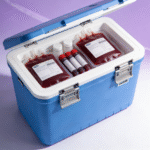
Kompatibilitas paket rantai dingin dengan kotak vaksin, pengirim sampel, dan penggunaan logger
Ketertelusuran batch dan kualitas berulang untuk saluran profesional
Perjelas apakah kemasan tersebut dimaksudkan sebagai salah satu komponen dalam pengirim yang memenuhi syarat atau sekadar pendingin umum untuk penggunaan yang lebih luas.
Jalankan uji coba kecil dengan logger sebelum melakukan penskalaan. Pemasok yang dapat diandalkan harus merasa nyaman mendukung langkah tersebut.
Cara memvalidasi sebelum melakukan penskalaan
Sebelum pesanan besar, uji coba sepadan dengan waktu yang dihabiskan. Gunakan paket tujuan produksi di pengirim berinsulasi yang tepat, dengan massa muatan nyata, praktik pengondisian nyata, dan seorang penebang. Latihan kecil itu sering kali mengungkapkan apakah masalahnya ada pada pilihan zat pendingin, penempatan paket, rutinitas freezer, karton sesuai, atau menerima disiplin. Catat tidak hanya jejak logger, tetapi juga suhu pemuatan produk, jumlah pasti dan penempatan paket, waktu karton terbuka selama pengepakan, dan kondisi sekitar saat pengiriman.
Setelah pilotnya, meninjau lebih dari lulus/gagal. Carilah duri dingin, pemanasan yang terlambat, kondensasi, kerusakan paket, dan menangani gesekan. Banyak tim menemukan bahwa masalah utamanya bukanlah kimia gel sama sekali; itu adalah penempatan paket, ukuran kotak, rutinitas freezer, atau ketidaksesuaian antara paket sampel dan pasokan tujuan produksi.
Untuk paket terapi, kekhawatirannya bukan pada kualifikasi pengiriman, melainkan lebih pada tujuan penggunaan yang jelas dan instruksi pengguna yang aman. Karena kedua kelompok produk bisa ada dengan kata-kata yang serupa, ringkasan pembelian harus menyatakan dengan jelas fungsi mana yang diperlukan.
Ketika pemasok menjawab pertanyaan-pertanyaan ini dengan jelas dan konsisten, Anda akan mendapatkan gambaran yang lebih baik tentang mitra mana yang dapat mendukung operasi nyata, bukan sekadar pengambilan sampel tingkat pertama.
Arah prioritas pengadaan saat ini
Distribusi hewan juga bergerak menuju segmentasi produk yang lebih jelas. Pembeli ingin tahu apakah mereka mencari aksesori terapi klinis, kompres dingin untuk keperluan umum, atau komponen rantai dingin yang memenuhi syarat untuk biologi. Kejelasan itu meningkatkan pelatihan, penyimpanan, dan pengisian ulang.
Keberlanjutan itu penting, namun tidak mengorbankan kesehatan hewan atau kemanjuran produk. Jalan yang masuk akal adalah dengan mengatur ukuran paket dengan tepat, hindari materi yang tidak perlu, dan meningkatkan kesesuaian rute daripada berasumsi bahwa paket yang paling ringan atau termurah adalah pilihan terbaik.
Tulis ringkasan pembelian seputar tujuan penggunaan
Cara sederhana untuk meningkatkan hasil pengadaan adalah dengan membuka ringkasan pembelian dengan satu kalimat yang menyatakan fungsinya. Misalnya: 'Item ini untuk terapi dingin kontak langsung di klinik hewan' atau 'Item ini adalah komponen pendingin untuk pengiriman bahan biologi veteriner yang terisolasi.' Kalimat itu langsung mengubah dokumen mana, bahan, dan pertanyaan ujian itu penting.
Ini juga membantu tim internal menyelaraskan. Pengadaan, Operasi, pengguna klinis, dan staf yang berkualitas mungkin semua mendengar kata-katanya 'paket gel medis' berbeda. Definisi tertulis yang singkat menghalangi pemasok untuk mengisi kesenjangan tersebut dengan asumsinya sendiri.
Penyimpanan, pengkondisian, dan pelatihan staf
Bahkan paket yang tepat pun dapat rusak karena penanganan yang buruk. Paket terapi bisa menjadi sangat keras atau rusak jika disimpan dengan buruk. Refrigeran pengiriman dapat mendinginkan muatan kecil secara berlebihan jika rutinitas freezer tidak konsisten atau jika staf melakukan improvisasi penempatan di sekitar produk. Itulah sebabnya instruksi pemasok harus diuji di klinik atau lingkungan pengepakan yang sebenarnya, bukan diterima secara teori.
Jika item tersebut mendukung biologi veteriner, termasuk menerima cek dan membongkar ekspektasi dalam persidangan. Pengiriman yang secara teknis tetap dingin masih dapat menimbulkan risiko jika kemasannya terlalu mudah disalahgunakan atau terlalu sulit untuk diulang oleh staf dengan benar..
Persetujuan sampel tidak sama dengan persetujuan produksi
Sampel yang dapat diterima secara visual tidak menjamin pesanan massal dapat diandalkan. Yang penting adalah apakah sampel yang disetujui dan pesanan produksi menggunakan bill of material yang sama, rutinitas pengisian yang sama, metode penyegelan yang sama, dan spesifikasi kemasan yang sama. Jika tautan itu lemah, sampel tersebut memberi tahu Anda jauh lebih sedikit daripada yang terlihat.
Inilah sebabnya mengapa pembeli yang disiplin meminta pemasok untuk mengkonfirmasi konsistensi sampel hingga produksi secara tertulis. Ini mengubah janji informal menjadi sesuatu yang berguna secara operasional.
Kesimpulan
Pembelian produk hewan yang lebih baik dimulai dengan pernyataan tujuan penggunaan yang jelas dan kemudian mengikuti jalur evaluasi yang tepat untuk penggunaan tersebut. Disiplin sederhana ini menghilangkan banyak kebingungan yang menyelimuti kategori ini.
Setelah aplikasinya jelas, menjadi lebih mudah untuk membandingkan pemasok berdasarkan faktor-faktor yang benar-benar mempengaruhi perawatan hewan, perlindungan produk, dan kesuksesan pesanan berulang.
Tentang tempk
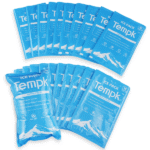
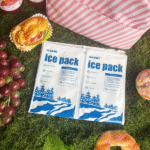
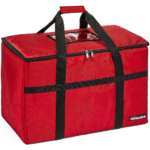
Dan Tempk, kami fokus pada pengemasan dengan suhu rantai dingin untuk pengangkutan yang peka terhadap suhu. Rangkaian produk publik kami mencakup paket es gel, batu bata es freezer, liner kotak terisolasi, Kotak Epp, penutup palet, dan bahan terkait yang digunakan di sekitar makanan, obat, dan pengiriman sensitif lainnya. Kami juga menjelaskan in-house R&D dan dukungan pengujian termal. Hal ini menjadikan kami mitra yang berguna ketika kebutuhan dokter hewan benar-benar berkaitan dengan kinerja pengiriman dan desain kemasan, bukan sekadar aksesori terapi sederhana..
Langkah selanjutnya
Jika Anda meninjau pemasok atau merencanakan paket baru, mulai dengan kisaran suhu produk sebenarnya dan panjang rute. Kemudian mintalah kumpulan sampel yang cocok dengan pesanan massal yang Anda inginkan dan ujilah sebelum melakukan penskalaan.
FAQ
Ini adalah pertanyaan yang paling sering muncul setelah perbandingan awal selesai.
Sebaiknya klinik hewan membeli paket terapi atau pengiriman refrigeran?
Itu tergantung pada penggunaannya. Paket terapi ditujukan untuk pengaplikasian panas/dingin langsung pada hewan. Refrigeran pengiriman ditujukan untuk melindungi bahan biologis atau sampel dalam perjalanan. Pastikan jawabannya sesuai dengan kategori penggunaan yang dimaksudkan, bukan terapi campuran dan bahasa pengiriman.
Hal yang paling penting dalam penggunaan terapi yang aman untuk hewan?
Fleksibilitas saat dingin, permukaan luar yang nyaman, ukuran yang dapat diprediksi, dan instruksi pembersihan adalah hal yang paling penting. Paket yang digunakan di sekitar hewan juga harus cukup kuat untuk penanganan klinik yang sebenarnya. Jika biologi terlibat, tanyakan bagaimana paket tersebut menghindari pemanasan dan pendinginan berlebihan yang tidak disengaja.
Bagaimana cara melindungi vaksin hewan selama pengangkutan?
Mulailah dengan persyaratan suhu yang diberi label, lalu pilih pengirim yang terisolasi, pendingin yang tepat, dan metode pemantauan. Jangan berasumsi bahwa paket terapi umum cocok untuk pengangkutan vaksin. Pemasok yang menjawab pertanyaan ini dengan jelas biasanya juga mempermudah proses persetujuan yang lebih luas.