Panduan Cokelat Artisanal Rantai Dingin: Cara Mengirim Cokelat Tanpa Meleleh
Diperbarui pada bulan Desember 24 2025
Cokelat artisanal adalah hasil karya cinta, dan tidak ada yang menghancurkan cinta lebih cepat daripada batangan yang meleleh atau mekar. Ini panduan coklat artisanal rantai dingin menunjukkan cara memindahkan coklat premium dari dapur ke pelanggan tanpa mengorbankan kualitas. Dalam yang pertama 50 kata-kata Anda akan belajar mengapa kontrol suhu, pengelolaan kelembapan dan pengemasan cerdas adalah bahan rahasia untuk pengiriman tanpa cacat. Dengan mengikuti rekomendasi di bawah ini Anda dapat menjaga agar kembang gula Anda tetap berkilau, enak dan aman, bahkan selama perjalanan pengiriman yang jauh. Data terkini dari 2025 menunjukkan bahwa permintaan coklat global melebihi US$1,11 triliun, menggarisbawahi perlunya strategi rantai dingin yang kuat.
Apa yang Akan Dijelaskan Panduan Ini
Kondisi pengiriman yang ideal: Cara mempertahankan tingkat suhu dan kelembapan yang disarankan menggunakan praktik terbaik rantai dingin.
Pilihan kemasan: Betapa berbedanya liner, bahan perubahan fase dan jenis wadah mempengaruhi kesegaran dan keberlanjutan.
Teknologi dan tren: Yang 2025 inovasi—seperti sensor IoT dan analitik AI—membantu Anda memantau dan menyesuaikan kondisi secara real-time.
Pemilihan mitra: Faktor kunci dalam memilih penyedia logistik yang memahami kebutuhan Anda panduan coklat artisanal rantai dingin persyaratan.
Keberlanjutan dan regulasi: Bagaimana peraturan pengemasan yang berkembang dan masalah lingkungan mempengaruhi pemilihan dan desain bahan.
Bagaimana Kondisi Ideal untuk Pengiriman Cokelat Artisanal Rantai Dingin?
Jawaban Langsung: Untuk menjaga coklat tetap mengkilap dan beraroma, kiriman harus tetap berada di dalam 54 °F sampai 68 ° f (12–20 °C) dan kelembaban relatif di bawah 50 %. Cokelat hitam mentolerir suhu dingin pada kisaran ini, sedangkan susu dan coklat putih membutuhkan kehangatan yang lebih stabil. Panas ekstrem (di atas 86 °F atau 30 ° C.) melembutkan mentega kakao dan memicu penumpukan lemak. Lonjakan kelembapan melarutkan gula, menyebabkan gula mekar ketika uap air mengkristal kembali. Dengan menjaga kondisi stabil, Anda mencegah kondensasi, menghilangkan tekstur dan kehilangan rasa.
Penjelasan lebih lanjut: Sukses panduan coklat artisanal rantai dingin dimulai dengan memahami bagaimana suhu dan kelembapan mempengaruhi coklat. Cokelat terdiri dari mentega kakao, gula dan padatan susu; masing-masing merespons secara berbeda terhadap panas dan kelembapan. Fat Bloom terjadi ketika coklat terkena suhu di atas 75 °F lalu didinginkan, menyebabkan lemak bermigrasi ke permukaan. Gula mekar terjadi ketika kelembapan melarutkan gula, membentuk kristal putih saat mengering. Menjaga pengiriman dalam kisaran suhu 12–20 °C dan kelembapan di bawah 50 % membantu menjaga hasil akhir coklat yang “jepret” dan berkilau. Biarkan aliran udara di sekitar kotak dan hindari barang yang menyerap bau. Lindungi paket dari cahaya untuk mencegah degradasi akibat sinar UV. Sebelum pengiriman, coklat didinginkan terlebih dahulu dan dikemas pada suhu 18–20 °C agar suhu internal stabil. Saat menyiapkan pengiriman, basuh tangan Anda dengan air dingin dan gunakan pendingin anggur (45 °F–67 °F) untuk mencegah pencairan dini.
Gelap vs. Susu vs. Ketentuan Pengiriman Cokelat Putih
Gelap, susu dan coklat putih memiliki titik leleh dan sensitivitas yang berbeda. Kandungan mentega kakao dan susunya menentukan reaksinya terhadap panas dan kelembapan. Gunakan tabel di bawah ini sebagai referensi cepat ketika merencanakan pengiriman untuk setiap jenis.
| Jenis Coklat | Kisaran suhu (° C.) | Kelembaban (%) | Signifikansi Praktis |
| Cokelat Hitam | 12–20 | ≤50 | Kandungan kakao yang tinggi; mentolerir suhu yang lebih dingin dan kurang sensitif terhadap fluktuasi kecil. |
| Coklat susu | 12–20 | ≤50 | Mengandung padatan susu; membutuhkan kehangatan yang lebih stabil untuk mencegah penumpukan lemak dan menjaga tekstur halus. |
| Coklat putih | 12–20 | ≤50 | Padatan kakao rendah; lemak terpisah dengan cepat; memerlukan kontrol yang ketat untuk menghindari pelunakan. |
| Cokelat Isi/Krim | 12–20 | ≤50 | Rentan terhadap retak dan pembubaran isian; pantau lonjakan suhu dengan cermat. |
Tip dan Saran Praktis
Dinginkan terlebih dahulu produk dan kemasan Anda: Dinginkan coklat dan bahan kemasan pada suhu 18–20 °C sebelum dikemas untuk mencegah pengembunan.
Gunakan bahan pengering atau bahan penyerap kelembapan: Jaga kelembapan di bawah 50 % dengan menempatkan bahan penyerap kelembapan di dalam kotak.
Biarkan aliran udara dan hindari barang yang sensitif terhadap bau: Sisakan ruang di sekitar palet dan jauhkan cokelat dari bahan aromatik.
Lindungi dari cahaya: Gunakan kemasan buram untuk melindungi coklat dari paparan sinar UV.
Kasus dunia nyata: Sebuah perusahaan logistik yang mengirimkan truffle gourmet mengalami penurunan tingkat pertumbuhan gula 15 % ke 2 % setelah produk didinginkan terlebih dahulu dan menambahkan kertas penyerap kelembapan di dalam kotak berinsulasi.
Studi kasus: Pembuat coklat kecil berulang kali mengalami pembungaan selama pengiriman musim panas. Setelah pra-pendinginan setiap batch, menggunakan pelapis berinsulasi dan menambahkan pengering, tingkat penolakan turun di bawah 3 %, dan pelanggan melihat tekstur yang lebih kencang dan hasil akhir yang lebih berkilau.
Bagaimana Bahan Kemasan Mempengaruhi Kesegaran Cokelat dalam Rantai Dingin?
Jawaban Langsung: Pengemasan adalah garis pertahanan terakhir terhadap perubahan suhu dan kelembapan. Memilih insulasi dan cairan pendingin yang tepat akan memperpanjang waktu pengiriman dan menjaga integritas coklat. Solusi modern mencakup kotak berinsulasi multilayer, Paket gel, bahan pengubah fasa dan wadah hibrid aktif/pasif. Untuk pengiriman selesai 48 jam, menggabungkan liner berkinerja tinggi dengan material pengubah fasa yang dapat mempertahankan suhu 15–20 °C. Pilihan ramah lingkungan seperti pelapis tekstil daur ulang dan pendingin berbahan kertas mengurangi dampak lingkungan tanpa mengorbankan kinerja.
Penjelasan lebih lanjut: Isolasi memperlambat perpindahan panas, sementara pendingin menyerap atau melepaskan energi untuk menstabilkan suhu internal. Lapisan berinsulasi yang populer termasuk busa, serat kapas, busa berbahan dasar pati, bungkus gelembung dan kertas daur ulang. Liner premium suka CoolLiner gunakan bahan foil reflektif plus bubble untuk perlindungan 24 jam, sedangkan Seluler Dan EcoLiner menawarkan lebih tebal, isolasi yang dapat didaur ulang untuk 48+ jam. Pendingin berkisar dari paket gel hingga bahan pengubah fase lanjutan (PCMS) yang mempertahankan suhu konstan selama transisinya; PCM khusus mempertahankan suhu 15–20 °C, ideal untuk coklat. Kontainer aktif dengan pendingin bertenaga memberikan kontrol yang tepat namun mungkin mahal. Solusi hibrid memadukan isolasi dan PCM dengan pendinginan aktif minimal untuk jarak menengah. Itu panduan coklat artisanal rantai dingin merekomendasikan pemilihan insulasi dan cairan pendingin berdasarkan durasi transit, iklim rute dan jenis coklat. Pertimbangkan bahan kemasan ramah lingkungan seperti tekstil daur ulang dan film berbahan mono, yang sejalan dengan peraturan baru yang mendorong konten daur ulang dan hambatan bebas PFAS.
Liner Kotak Terisolasi vs. Bahan Perubahan Fase
Saat memilih kemasan, bisnis harus menyeimbangkan kinerja, biaya dan keberlanjutan.
| Larutan | Karakteristik | Lamanya (jam) | Arti Praktis |
| Kotak terisolasi | Bahan multi lapis (polystyrene, kertas, kapas) perpindahan panas yang lambat | 24–72 | Ringan dan murah; dapat disesuaikan agar sesuai dengan ukuran produk; cocok untuk perjalanan pendek hingga menengah. |
| Bahan perubahan fasa | Paket gel atau PCM menyerap atau melepaskan panas selama perubahan fase | 24–96 | Pertahankan suhu stabil pada 15–20 °C; dapat digunakan kembali; ideal untuk perjalanan jauh atau coklat sensitif. |
| Kontainer aktif | Unit pendingin bertenaga dengan kontrol presisi | 72+ | Terbaik untuk pengiriman bernilai tinggi atau transportasi internasional; biaya lebih tinggi tetapi memastikan kondisi yang konsisten. |
| Solusi hibrida | Kombinasi isolasi, PCM dan pendinginan aktif minimal | 48–96 | Menyeimbangkan biaya dan kinerja; cocok untuk hadiah jarak menengah dan kelas atas. |
Tip dan Saran yang Berfokus pada Pengguna
Pilih isolasi berdasarkan rute: Lapisan yang lebih tebal atau berperforma lebih tinggi diperlukan untuk iklim panas atau waktu transit yang lama.
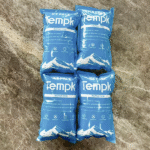
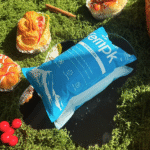
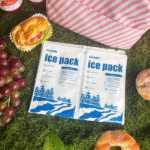
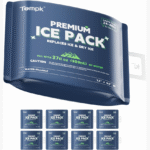
Pilih PCM untuk rentang yang diinginkan: Paket gel standar tetap dekat 0 ° C., sementara PCM khusus mempertahankan suhu 15–20 °C—ideal untuk coklat.
Amankan kemasan utama: Gunakan kotak atau kaleng kokoh yang dipadukan dengan pembungkus tahan lembab untuk mencegah penghancuran dan pengembunan.
Sesuaikan dengan musim: Tingkatkan cairan pendingin atau isolasi di musim panas dan lindungi dari dingin di musim dingin.
Skenario praktis: Pembuat coklat butik beralih dari Styrofoam ke pelapis serat kapas dan PCM, mengurangi limbah kemasan dengan tetap menjaga kualitas pengiriman.
Contoh nyata: Panduan pengemasan mencatat bahwa sebagian besar coklat harus tetap berada di antara keduanya 60 °F dan 70 °F untuk menghindari mekar; dengan menggunakan pelapis serat kapas dan PCM khusus, satu perusahaan memperpanjang waktu transit hingga 72 jam dengan tetap menjaga integritas produk.
Teknologi Rantai Dingin Mana yang Menjamin Kualitas Cokelat 2025?
Jawaban Langsung: Teknologi rantai dingin modern—seperti sensor IoT, pencatat suhu waktu nyata, materi perubahan fase dan analisis berbasis AI—memberikan visibilitas berkelanjutan dan memungkinkan penyesuaian cepat. Monitor waktu nyata mendeteksi fluktuasi suhu dan lonjakan kelembapan, memungkinkan tindakan perbaikan sebelum kualitas dikompromikan. Analisis prediktif dan model AI memperkirakan potensi gangguan, membantu perencana mencegah risiko. Pengemasan cerdas dengan sensor tertanam memberi tahu pengirim dan penerima ketika kondisi berubah.
Penjelasan lebih lanjut: Itu panduan coklat artisanal rantai dingin semakin memanfaatkan teknologi untuk menjaga kondisi yang konsisten. IoT memungkinkan sistem manajemen rantai dingin melacak suhu, kelembaban dan lokasi secara real time, memungkinkan tim logistik untuk melakukan intervensi ketika pembacaan melampaui batas aman. Sistem ini sering kali terintegrasi dengan platform cloud, memberikan peringatan dan data historis. Analisis prediktif menggunakan data historis dan real-time untuk memperkirakan titik api atau penundaan. Model AI merekomendasikan penyesuaian proaktif—seperti mengubah rute pengiriman atau meningkatkan kuantitas PCM—untuk mencegah perubahan suhu. Bahan kemasan pintar menyematkan sensor yang mengubah warna atau mengirimkan sinyal digital ketika suhu melebihi ambang batas. Selain itu, otomatisasi di gudang meningkatkan efisiensi pengambilan dan pengemasan serta memastikan inventaris yang dikontrol suhu dikelola secara akurat. Teknologi blockchain, meskipun masih muncul, menawarkan perekaman data yang aman untuk kepatuhan dan ketertelusuran. Dengan merangkul inovasi ini, Anda dapat mengurangi limbah, mematuhi peraturan dan memberikan pengalaman pelanggan premium.
Pengemasan Cerdas dan Sensor IoT dalam Rantai Dingin
| Teknologi | Fungsionalitas | Manfaat |
| Monitor suhu waktu nyata | Memberikan visibilitas berkelanjutan terhadap fluktuasi suhu di seluruh rantai pasokan | Aktifkan tindakan perbaikan cepat untuk melindungi kualitas dan mengurangi limbah makanan. |
| Sensor IoT dengan analisis prediktif | Lacak suhu dan kelembapan, mengirim data ke platform cloud dan memperkirakan gangguan | Bantu bisnis menyesuaikan rencana pengiriman dan mengoptimalkan rute untuk menghindari penundaan. |
| Kemasan cerdas dengan sensor tertanam | Ubah warna atau kirim peringatan ketika suhu internal melewati ambang batas | Menawarkan transparansi kepada konsumen akhir dan mitra pengiriman. |
| Perekaman data Blockchain | Mencatat data kondisi dengan aman untuk setiap langkah perjalanan | Meningkatkan ketertelusuran dan kepatuhan terhadap peraturan keamanan pangan. |
| Otomasi dan robotika | Menyederhanakan proses pengambilan dan pengemasan di gudang dengan suhu terkendali | Meningkatkan akurasi inventaris dan mengurangi waktu penanganan, menjaga kualitas coklat. |
Tip dan Saran Praktis
Integrasikan sensor sejak dini: Tempatkan pencatat data IoT di dalam kotak untuk memantau suhu dan kelembapan secara real-time.
Gunakan analisis prediktif: Bermitra dengan penyedia logistik yang menggunakan alat AI untuk memperkirakan risiko dan menyesuaikan rute.
Manfaatkan blockchain untuk kepatuhan: Pertimbangkan platform yang mencatat data suhu untuk setiap pengiriman guna memenuhi persyaratan peraturan dan pelanggan.
Uji teknologi baru: Jalankan uji coba untuk kemasan cerdas guna menilai keandalan dan pengalaman pelanggan.
Studi kasus: Setelah mengintegrasikan sensor IoT ke dalam pengiriman, pembuat coklat mengurangi penyimpangan suhu sebesar 70 %, menghasilkan pengembalian yang lebih sedikit dan meningkatkan kepuasan pelanggan.
Contoh dunia nyata: Dalam panduan Sensitech, penggunaan monitor suhu waktu nyata memungkinkan tim untuk bertindak cepat ketika pembacaan suhu menyimpang, meningkatkan laba atas investasi dan mengurangi limbah makanan.
Cara Memilih Mitra Pengiriman yang Tepat untuk Cokelat Artisanal Anda?
Jawaban Langsung: Pilih mitra logistik dengan pengalaman yang terbukti dalam pengiriman yang sensitif terhadap suhu, kemampuan pelacakan tingkat lanjut, praktik berkelanjutan dan layanan pelanggan yang kuat. Carilah mitra yang menawarkan pemantauan waktu nyata, gunakan wadah terisolasi, memahami panduan coklat artisanal rantai dingin persyaratan dan menjaga kontrol kualitas yang ketat. Evaluasi catatan kinerja mereka, keandalan dalam memenuhi jangka waktu pengiriman dan kemampuan menangani peraturan lintas batas.
Penjelasan lebih lanjut: Keberhasilan Anda panduan coklat artisanal rantai dingin bergantung pada kompetensi mitra pengiriman Anda. Mulailah dengan menilai apakah mereka memiliki pengalaman menangani produk yang mudah rusak, khususnya coklat. Tanyakan tentang prosedur pengendalian suhu mereka, termasuk cara mereka mendinginkan pengiriman dan mengatur kelembapan. Periksa apakah mereka menawarkan pelacakan waktu nyata, pencatat data dan integrasi IoT. Evaluasi waktu transit dan jangkauan jaringannya: transit yang lebih pendek mengurangi kebutuhan akan isolasi yang berat. Cari tahu tentang inisiatif keberlanjutan mereka—mitra yang menggunakan lapisan yang dapat didaur ulang dan energi terbarukan berkontribusi terhadap tujuan lingkungan merek Anda. Tinjau kepatuhannya terhadap peraturan pengemasan; di dalam 2025, aturan seperti Tanggung Jawab Produser yang Diperluas (EPR) dan pembatasan PFAS berarti pilihan kemasan dapat mempengaruhi biaya pengiriman dan akses pasar. Akhirnya, memastikan mereka menyediakan layanan pelanggan yang transparan: komunikasi yang jelas, rencana darurat jika terjadi penundaan, dan dukungan untuk pengembalian atau penggantian.
Faktor yang Perlu Dipertimbangkan Saat Memilih Mitra Pengiriman
| Faktor | Apa yang Harus Diperhatikan | Mengapa itu penting |
| Keahlian Pengendalian Suhu | Pengalaman yang terbukti dengan kemasan berinsulasi, PCM dan pendinginan aktif | Memastikan coklat tetap berada dalam suhu 12–20 °C dan kelembapan di bawah 50 %. |
| Pemantauan waktu nyata | Ketersediaan pencatat suhu dan sensor IoT | Memberikan visibilitas dan memungkinkan intervensi cepat. |
| Praktik Keberlanjutan | Penggunaan lapisan bahan yang dapat didaur ulang atau mono, hambatan bebas PFAS, kepatuhan EPR | Selaras dengan peraturan lingkungan dan harapan konsumen. |
| Jangkauan Jaringan & Keandalan | Kemampuan untuk mengirimkan dalam jangka waktu yang diinginkan dan menangani bea cukai | Meminimalkan waktu transit dan menghindari perubahan suhu. |
| Pelayanan pelanggan & Mendukung | Komunikasi responsif, rencana darurat yang jelas, penanganan pengembalian | Memastikan masalah diselesaikan dengan cepat dan melindungi reputasi merek. |
Tip dan Saran Praktis
Negosiasikan perjanjian tingkat layanan: Tentukan rentang suhu yang dapat diterima, batas kelembaban dan prosedur darurat.
Tinjau data kinerja: Minta data tentang pengiriman sebelumnya untuk mengevaluasi keandalan, Terutama selama musim puncak.
Menilai keberlanjutan: Tanyakan tentang kemasan yang dapat didaur ulang dan program untuk mengurangi jejak karbon.
Pertimbangkan asuransi: Asuransikan pengiriman bernilai tinggi untuk menutupi potensi kerugian akibat penyimpangan suhu.
Contoh kasus: Pembuat coklat global bermitra dengan penyedia logistik yang menawarkan pelacakan waktu nyata dan solusi isolasi hibrida, memotong biaya pembusukan sebesar 30 % sambil memenuhi persyaratan EPR.
Skenario dunia nyata: Menurut Sensitech, pengiriman coklat melalui angkutan laut menawarkan keunggulan stabilitas biaya dan suhu, sedangkan angkutan udara dapat menyebabkan perubahan suhu yang cepat. Memilih mitra dengan pilihan transportasi yang tepat sangatlah penting.
Mengapa Kemasan Berkelanjutan Penting untuk Cokelat Artisanal di 2025?
Jawaban Langsung: Pengemasan ramah lingkungan bukan lagi sebuah pilihan—hal ini berdampak pada biaya, kepatuhan dan persepsi konsumen. Peraturan baru di 2025 dan seterusnya memerlukan desain material mono, konten daur ulang dan hambatan bebas PFAS. Merancang kemasan yang dapat didaur ulang atau dibuat kompos di awal proses pengembangan produk mengurangi Tanggung Jawab Produsen yang Diperluas (EPR) biaya dan memastikan akses pasar. Konsumen semakin menyukai merek yang meminimalkan limbah dan menggunakan bahan ramah lingkungan.
Penjelasan lebih lanjut: Itu panduan coklat artisanal rantai dingin harus memperhitungkan peraturan pengemasan yang muncul di berbagai wilayah. Di Inggris, plastik fleksibel bertanggung jawab 27 % kemasan konsumen tetapi hanya 7 % didaur ulang; sebagai akibat, regulator memperketat biaya dan pelabelan untuk mempromosikan film berbahan mono dan koleksi tepi jalan. Pedoman pemenang untuk pengemasan gula-gula itu sederhana: gunakan bahan mono PE atau mono PP jika memungkinkan, memasukkan konten daur ulang, beralih ke penghalang bebas PFAS dan berikan instruksi pembuangan yang jelas. Bahan kompos direkomendasikan hanya untuk kasus penggunaan tertentu, dan mereka memerlukan sertifikasi dan pelabelan yang tepat untuk menghindari kontaminasi. Di Amerika Serikat, Undang-undang Tanggung Jawab Produsen yang Diperluas dan larangan PFAS berbeda-beda di setiap negara bagian, jadi merancang dengan standar yang paling ketat memastikan kepatuhan secara nasional. Kanada sedang mengembangkan target pelabelan terpadu dan konten daur ulang. Dengan mengadopsi material berkelanjutan sejak dini, Anda tidak hanya mematuhi peraturan tetapi juga menarik konsumen yang sadar lingkungan dan mengurangi jejak karbon Anda.
Desain untuk Daur Ulang dan Kepatuhan
| Prinsip | Tindakan kunci | Keuntungan |
| Desain bahan mono | Kemasan fleksibel standar untuk film mono PE atau mono PP untuk memenuhi pedoman daur ulang | Menyederhanakan proses daur ulang dan mengurangi biaya EPR. |
| Konten daur ulang | Sertakan daur ulang pasca konsumen (PCR) bahan yang diperbolehkan oleh peraturan kontak makanan | Menurunkan Pajak Kemasan Plastik dan menunjukkan komitmen terhadap sirkularitas. |
| hambatan bebas PFAS | Hindari “bahan kimia selamanya” dan gunakan lapisan penghalang yang lebih aman | Mematuhi pembatasan di berbagai wilayah dan meningkatkan keselamatan konsumen. |
| Label pembuangan yang jelas | Gunakan label biner (“Dapat didaur ulang”/“Tidak Dapat Didaur Ulang”) terkait dengan akses daur ulang yang sebenarnya | Mencegah kebingungan konsumen dan memastikan kesuksesan akhir masa pakai. |
| Sertifikasi untuk bahan kompos | Saat menggunakan kemasan kompos, menyatakan (DI DALAM 13432 atau ASTM D6400) dan label untuk organik | Mencegah kontaminasi aliran daur ulang dan memenuhi persyaratan peraturan. |
Tip dan Saran Praktis
Mulai penilaian kemampuan daur ulang sejak dini: Menilai kemampuan daur ulang tingkat komponen selama pengembangan konsep; ini menghindari desain ulang yang mahal nantinya.
Desain untuk pasar yang paling ketat: Jika pengiriman di AS, membuat kemasan yang memenuhi standar PFAS dan kemampuan daur ulang California.
Gunakan pendingin yang ramah lingkungan: Pertimbangkan PCM yang dapat digunakan kembali dan pelapis yang dapat didaur ulang untuk mengurangi limbah.
Berkomunikasi dengan pelanggan: Berikan instruksi penyimpanan dan pembuangan yang jelas di dalam kiriman Anda untuk menambah transparansi.
Wawasan industri: Banyak daerah yang menerapkan pajak pengemasan secara bertahap dan memperluas tanggung jawab produsen 2026 Dan 2030; berinvestasi dalam kemasan yang sesuai sekarang melindungi bisnis Anda dari hukuman di masa depan.
Contoh: Di Inggris, pajak kemasan plastik menghukum bahan dengan kurang dari 30 % konten daur ulang. Dengan beralih ke liner berbahan dasar kertas daur ulang dan film berbahan mono, sebuah merek coklat mengurangi kewajiban pajaknya dan meningkatkan kredibilitas keberlanjutannya.
2025 Tren Rantai Dingin untuk Cokelat Artisanal
Ikhtisar Tren
Industri rantai dingin berkembang pesat, didorong oleh permintaan konsumen akan produk premium dan tanggung jawab terhadap lingkungan. Di dalam 2025, beberapa tren menonjol:
Bahan berkelanjutan: Liner yang dapat didaur ulang, film bahan mono dan bahan perubahan fasa menggantikan busa dan plastik. Keputusan pengemasan yang diambil sekarang mempengaruhi biaya dan akses pasar 2026 maju.
Integrasi IoT dan AI: Pemantauan waktu nyata, analitik prediktif dan otomatisasi menjadi standar untuk logistik coklat.
Solusi pendinginan hibrida: Menggabungkan isolasi, PCM dan pendinginan aktif minimal menyeimbangkan kinerja dan biaya.
Rantai pasokan yang lebih pendek: Semakin banyak pembuat coklat yang mendirikan pusat pemenuhan regional untuk mengurangi waktu transit dan jejak karbon.
Kepatuhan Pengaturan: Undang-undang Tanggung Jawab Produser yang Diperluas, Larangan PFAS dan aturan pelabelan yang dapat didaur ulang memengaruhi pilihan kemasan.
Perkembangan terbaru sekilas
Inovasi pengemasan yang cerdas: Sensor yang tertanam dalam pembungkus memberikan peringatan suhu secara real-time kepada pengirim dan konsumen.
Perutean yang digerakkan oleh AI: Penyedia logistik menggunakan AI untuk menganalisis prakiraan cuaca dan pola lalu lintas untuk menghindari gelombang panas dan penundaan.
Terobosan isolasi yang berkelanjutan: Busa berbahan dasar bio dan lapisan tekstil daur ulang menawarkan kinerja termal yang sebanding dengan dampak lingkungan yang lebih rendah.
Kemajuan materi perubahan fase: PCM yang dirancang khusus untuk rentang suhu 15–20 °C memperpanjang waktu pengiriman dan dapat digunakan kembali.
Kerangka kerja EPR yang ditingkatkan: Wilayah seperti California, Oregon dan UE secara bertahap memberlakukan peraturan EPR yang lebih ketat 2025 Dan 2030, mengharuskan merek untuk merancang kemasan dengan mempertimbangkan kemampuan daur ulang.
Wawasan pasar
Permintaan coklat premium terus melonjak; pasar global bernilai sekitar US$1,11 triliun 2023 dan diperkirakan akan terus berkembang 2025. Konsumen semakin menghargai kesegaran dan keberlanjutan, mendorong merek untuk berinvestasi dalam solusi rantai dingin yang canggih. Penyedia logistik pihak ketiga memperluas kapasitas penyimpanan dingin, dan pusat pemenuhan yang mendukung IoT sudah menjadi hal yang biasa. Penelitian menunjukkan bahwa menjaga konsistensi suhu dan menggunakan kemasan ramah lingkungan dapat mengurangi pembusukan secara berlebihan 30 %, diterjemahkan ke dalam kepuasan pelanggan yang lebih tinggi dan limbah yang lebih rendah. Seiring dengan semakin matangnya AI dan analisis prediktif, optimalisasi rute dan intervensi proaktif akan semakin meningkatkan efisiensi rantai pasokan.
Pertanyaan yang sering diajukan
Pertanyaan 1: Berapa suhu yang harus dipertahankan oleh panduan coklat artisanal rantai dingin saya selama pengiriman?
Simpan pengiriman di antara keduanya 54 °F dan 68 ° f (12–20 °C) dengan kelembaban relatif di bawah 50 %. Cokelat hitam tahan terhadap kondisi dingin, sedangkan susu dan coklat putih membutuhkan kehangatan yang lebih stabil. Hindari lonjakan suhu di atas 86 ° f (30 ° C.) untuk mencegah mekarnya lemak.
Pertanyaan 2: Apa perbedaan paket gel dengan bahan pengubah fasa?
Paket gel membeku di sekitar 0 °C dan menjaga pengiriman tetap dingin, yang mungkin terlalu dingin untuk coklat. Bahan perubahan fasa (PCMS) direkayasa untuk mempertahankan kisaran suhu tertentu (MISALNYA., 15–20 °C), menjadikannya ideal untuk coklat. PCM dapat digunakan kembali dan memberikan kondisi yang lebih stabil dalam jangka waktu yang lebih lama.
Pertanyaan 3: Penyebab coklat mekar saat transit?
Mekar coklat terjadi ketika lemak atau gula bermigrasi ke permukaan. Mekar gemuk terjadi ketika coklat terkena suhu tinggi (di atas 75 ° f) lalu didinginkan. Gula mekar terjadi ketika uap air melarutkan gula dan kemudian mengkristal kembali. Mempertahankan suhu dan kelembapan yang stabil mencegah kedua jenis mekarnya bunga tersebut.
Pertanyaan 4: Bagaimana saya harus mendinginkan coklat terlebih dahulu sebelum dikirim?
Simpan coklat di dalam pendingin anggur atau lemari es di antaranya 45 °F dan 67 °F untuk mendinginkannya terlebih dahulu tanpa menyebabkan gula mekar. Dinginkan juga bahan kemasannya, jadi tidak ada perbedaan suhu saat pengepakan.
Pertanyaan 5: Apa yang dimaksud dengan Tanggung Jawab Produser yang Diperluas (EPR) biaya, dan mengapa itu penting?
Biaya EPR adalah biaya yang dibebankan kepada produsen untuk menutupi biaya daur ulang dan pengelolaan limbah. Di dalam 2025, banyak daerah yang mengadopsi kerangka kerja EPR yang menghukum kemasan yang tidak dapat didaur ulang atau mengandung PFAS. Merancang kemasan yang dapat didaur ulang mengurangi biaya-biaya ini dan memastikan akses pasar.
Ringkasan dan Rekomendasi
Untuk mengirimkan coklat premium dengan sukses, ikuti poin-poin penting berikut ini:
Pertahankan sweet spotnya: Simpan kiriman di dalam 54 °F–68 °F (12–20 °C) dan kelembaban di bawah 50 %. Produk dan kemasan didinginkan terlebih dahulu untuk menghindari kondensasi.
Pilih kemasan yang tepat: Gunakan pelapis berinsulasi berkinerja tinggi dan bahan pengubah fasa untuk menstabilkan suhu. Sesuaikan ketebalan insulasi dengan panjang rute dan iklim.
Rangkullah teknologi: Menerapkan sensor IoT, monitor waktu nyata dan analisis prediktif untuk mendapatkan visibilitas dan merespons masalah dengan cepat.
Pilih mitra yang bertanggung jawab: Bekerja sama dengan penyedia logistik yang berpengalaman dalam pengiriman yang sensitif terhadap suhu dan berkomitmen terhadap keberlanjutan.
Rencanakan keberlanjutan: Mengadopsi bahan mono, Kemasan bebas PFAS dan menyertakan konten daur ulang untuk memenuhi persyaratan peraturan dan harapan konsumen.
Langkah selanjutnya yang dapat ditindaklanjuti (CTA)
Untuk mulai melindungi coklat Anda hari ini:
Audit proses pengemasan dan rantai dingin Anda saat ini: Identifikasi titik lemah suhu dan peluang untuk beralih ke bahan ramah lingkungan.
Berinvestasilah pada pencatat data dan alat prediktif: Mulailah dengan sensor IoT sederhana dan tingkatkan ke analitik AI seiring pertumbuhan volume Anda.
Konsultasikan dengan penyedia logistik khusus: Bandingkan penawaran dan layanan, berfokus pada kontrol suhu, pemantauan waktu nyata dan kredensial lingkungan.
Didik tim dan pelanggan Anda: Berikan instruksi penyimpanan dan pedoman pembuangan yang jelas untuk meningkatkan pengalaman dan keberlanjutan produk.
Hubungi Tempk: Jangkau solusi khusus yang menggabungkan isolasi canggih, PCM dan alat pemantauan untuk menjaga kualitas coklat Anda.
Tentang tempk
Tempk adalah pemimpin dalam solusi pengemasan dan logistik rantai dingin. Kami berspesialisasi dalam sistem kontrol suhu pasif dan aktif yang membantu perusahaan makanan dan farmasi mengirimkan barang-barang sensitif dengan aman. Liner terisolasi kami, bahan perubahan fase yang dapat digunakan kembali dan alat pemantauan berkemampuan IoT mendukung pengiriman 12 ° C ke 20 °C—sempurna untuk coklat artisanal. Dengan komitmen terhadap keberlanjutan, kami menawarkan pilihan bahan mono dan kemasan daur ulang yang memenuhi peraturan yang terus berkembang. Tim kami menggabungkan keahlian teknik dengan pengalaman rantai dingin selama puluhan tahun untuk merancang solusi yang menjaga produk Anda tetap segar dan pelanggan Anda senang.
Panggilan untuk bertindak
Siap melindungi keutuhan coklat Anda? Hubungi pakar Tempk untuk konsultasi pribadi dan temukan isolasi yang mana, solusi pendingin dan pemantauan paling sesuai dengan bisnis Anda. Kami akan membantu Anda menerapkannya panduan coklat artisanal rantai dingin sehingga setiap pengiriman tiba dengan sempurna—setiap saat.