Panduan Insulasi Cokelat Bean-to-Bar Rantai Dingin
If you ship premium bars, cold chain bean-to-bar chocolate insulation is how you protect gloss, patah, and aroma on real delivery routes. Chocolate does not need to fully melt to look “damaged.” Many makers see quality drop once routes drift toward the low-20s °C, and softening risk rises around the mid-20s °C. A practical target is a stable, cool band (often around the high teens) and a dry microclimate.
Artikel ini akan membantu Anda:
-
Prevent chocolate bloom during shipping by reducing temperature cycling (the hidden cause of “white haze”).
cold chain bean-to-bar chocolat…
-
Memilih humidity control for chocolate shipping insulation so “wet wrappers” don’t become sugar bloom.
cold chain bean-to-bar chocolat…
-
Putuskan kapan 18–22°C PCM vs gel packs is the safer move for appearance-first chocolate.
cold chain bean-to-bar chocolat…
-
Gunakan a 60-second pack-out decision tool (Lampu / Seimbang / High Shield) Anda dapat melakukan standarisasi.
cold chain bean-to-bar chocolat…
-
Berlari lane testing for chocolate insulated shippers with simple loggers and repeatable rules in 2025.
cold chain bean-to-bar chocolat…
How does cold chain bean-to-bar chocolate insulation stop bloom?
Cold chain bean-to-bar chocolate insulation works by slowing temperature swings, not by making chocolate “cold.” The most common damage pattern is cycling: warm → cool → warm. That cycling drives fat migration (mekar lemak) dan peristiwa kelembaban (gula mekar). Your insulation is the buffer that keeps the bar’s core from following the weather minute-by-minute.
cold chain bean-to-bar chocolat…
Think of it like a thermos for your bars. A short outdoor heat spike can happen, but the inside warms much more slowly. That extra time is what protects surface gloss and snap on the last mile.
cold chain bean-to-bar chocolat…
What temperature swings are most risky for bean-to-bar chocolate?
Chocolate is often damaged by “near-warm-room” swings. It may never look melted, but it can still lose snap and finish. These are the three patterns that most often show up in customer photos.
cold chain bean-to-bar chocolat…
| Pemicu risiko | Apa yang terjadi | Apa yang kamu lihat | Apa artinya bagimu |
|---|---|---|---|
| Short heat spike | Softening then re-solidifying | Dull surface, weak snap | Returns even when bars “look okay”
cold chain bean-to-bar chocolat… |
| Hangat + kelembaban | Moisture dissolves surface sugar | Grainy film, “chalky” notes | “Stale” reviews and refunds
cold chain bean-to-bar chocolat… |
| Repeated cycling | Cocoa butter migration | Streaks, mekar lemak | Premium trust takes a hit
cold chain bean-to-bar chocolat… |
Kiat Praktis yang Dapat Anda Gunakan Hari Ini
-
Hot-day local delivery: Use thicker insulation and reduce doorstep time with delivery alerts.
cold chain bean-to-bar chocolat…
-
Iklim campuran: Add a buffer liner so bars don’t track outside swings.
cold chain bean-to-bar chocolat…
-
Retail drops: Stage cartons indoors before loading to avoid a “hot trunk start.”
cold chain bean-to-bar chocolat…
Contoh nyata: One maker cut summer bloom complaints by upgrading insulation and adding a simple “no direct sunlight drop” message.
cold chain bean-to-bar chocolat…
What temperature and humidity targets support cold chain bean-to-bar chocolate insulation?
Aim for “cool, stabil, dry.” Many practical guides converge on a stable cool band (often discussed around 18–21°C) and low humidity (often ~50% RH or below). Quality can start dropping as routes drift toward ~21°C, and softening risk rises around ~24°C, especially during delays.
cold chain bean-to-bar chocolat…
Humidity is the quiet risk. Dalam pengiriman, the problem is not just “humid air.” It’s humidity plus a temperature drop, which creates condensation on wrappers and bar surfaces.
cold chain bean-to-bar chocolat…
The dew-point trap: why “colder” can backfire
Condensation happens when warm, moist air hits a colder surface and water forms. If you overcool the pack-out, you increase the chance of moisture inside the shipper. That can trigger sugar bloom and “wet wrapper” complaints.
cold chain bean-to-bar chocolat…
| Skenario | Apa yang terjadi | Apa yang harus diubah | Manfaat praktis Anda |
|---|---|---|---|
| Coolants used straight from very cold storage | Condensation inside the shipper | Condition coolants before use | Unboxing Cleaner
cold chain bean-to-bar chocolat… |
| Warm bars packed right after production | Starts above target band | Pre-condition product | More time “in spec”
cold chain bean-to-bar chocolat… |
| Long porch wait | Slow heat soak | Jendela pengiriman + isolasi | Less softening risk
cold chain bean-to-bar chocolat… |
Kiat Praktis yang Dapat Anda Gunakan Hari Ini
-
Pack in a stable staging area (cool and dry), not next to open doors.
cold chain bean-to-bar chocolat…
-
Gunakan a simple inner moisture barrier bag when humidity swings are common.
cold chain bean-to-bar chocolat…
-
If you ever ship “cooler than receiving,” add a “wait before opening” note to prevent sweating.
cold chain bean-to-bar chocolat…
Which insulation materials work best for cold chain bean-to-bar chocolate insulation?
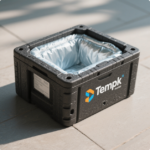
Your best setup is usually a mix of:
-
A time shield (slows heat gain),
-
A shock shield (prevents dents and cracks),
-
A humidity shield (reduces moisture contact).
cold chain bean-to-bar chocolat…
A crushed corner is a double failure: it damages the product and creates a heat leak. So durability matters almost as much as insulation value.
cold chain bean-to-bar chocolat…
Perbandingan cepat: EPS vs EPP vs reflective liners
| Bahan | Kekuatan | Kelemahan | Makna praktis untuk Anda |
|---|---|---|---|
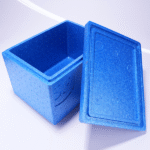
| Busa EPS | Isolasi yang kuat | Bisa retak; tebal | Good for heat spikes and longer routes
cold chain bean-to-bar chocolat… |
| Busa Epp | Tahan lama + dapat digunakan kembali | Biaya yang lebih tinggi | Best for repeat lanes and damage reduction
cold chain bean-to-bar chocolat… |
| Liner reflektif | Cuts radiant heat | Needs an air gap | Great add-on when sun exposure is common
cold chain bean-to-bar chocolat… |
Kiat Praktis yang Dapat Anda Gunakan Hari Ini
-
Protect corners first, then add insulation thickness. Corners drive most “presentation damage.”
cold chain bean-to-bar chocolat…
-
If you ship to apartments, memprioritaskan ketahanan terhadap benturan and consistent sizing for lockers.
cold chain bean-to-bar chocolat…
-
If you run subscriptions, reusable systems can cut long-run cost per delivery.
cold chain bean-to-bar chocolat…
Should cold chain bean-to-bar chocolate insulation use gel packs, PCM, or no coolant?
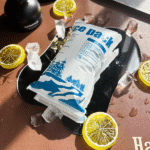
This is where many brands accidentally create condensation. The safest “cooling” is the one that holds the temperature you actually want, not the coldest option.
cold chain bean-to-bar chocolat…
| Pilihan | Terbaik untuk | Risiko terbesar | Apa artinya bagimu |
|---|---|---|---|
| Paket gel | Pendek, jalur ringan | Packs run too cold → condensation | More “dusty film” complaints
cold chain bean-to-bar chocolat… |
| PCM (18–22°C class) | Appearance-critical bars and gifts | Biaya yang lebih tinggi + memerlukan pengondisian | Suhu lebih halus, fewer bloom returns
cold chain bean-to-bar chocolat… |
| Es kering | Barang beku | Terlalu dingin untuk coklat | High risk unless expertly designed
cold chain bean-to-bar chocolat… |
Placement rule: Never let bars touch any cold source. Use a baffle or air gap, setiap saat.
cold chain bean-to-bar chocolat…
When does 18°C PCM make sense?
Use PCM first on lanes with heat spikes, paparan teras, or 2–3 day transit. It buffers peaks without dragging chocolate toward near-freezing temperatures.
cold chain bean-to-bar chocolat…
A 60-second pack-out decision tool for cold chain bean-to-bar chocolate insulation
You should not “guess” pack-outs per order. A repeatable recipe wins. This tool uses four questions and returns one of three pack-out levels.
cold chain bean-to-bar chocolat…
Tes mandiri interaktif: pick your pack-out in 60 detik
Jawab ini:
-
Waktu transit: 0- 24 jam / 24-48 jam / 48-72H
cold chain bean-to-bar chocolat…
-
Outside peak risk: Rendah / Sedang / Tinggi (ramalan + rute)
cold chain bean-to-bar chocolat…
-
Drop-off exposure: Indoors / Shaded porch / Sinar matahari langsung
cold chain bean-to-bar chocolat…
-
Sensitivitas produk: Plain bars / Inklusi / Filled or layered
cold chain bean-to-bar chocolat…
Then apply:
-
48–72h OR High risk OR Direct sun → High Shield
cold chain bean-to-bar chocolat…
-
24–48h with Medium risk → Balanced Shield
cold chain bean-to-bar chocolat…
-
0–24h with Low risk → Light Shield
cold chain bean-to-bar chocolat…
Shield-level pack-outs (standardize these)
| Pack-out level | Use when | Komponen inti | Apa manfaatnya bagi Anda |
|---|---|---|---|
| High Shield | 2–3 hari, panas tinggi, sinar matahari langsung | Rigid insulated shipper + lapisan dalam + jangka pembagi garis + label yang jelas + optional PCM | Best stability and presentation
cold chain bean-to-bar chocolat… |
| Balanced Shield | Most DTC lanes | Mid insulation + optional reflective liner + snug dunnage + moisture control as needed | Best cost-to-performance
cold chain bean-to-bar chocolat… |
| Light Shield | Local/overnight | Liner + snug dunnage + fast handoff focus | Simple and fast, avoids overcooling
cold chain bean-to-bar chocolat… |
Pack-out checklist you can print (ops-friendly)
-
Bars fully tempered and wrapped
cold chain bean-to-bar chocolat…
-
Product pre-conditioned (not warm to the touch)
cold chain bean-to-bar chocolat…
-
Isolasi + refrigerant staged in the same room
cold chain bean-to-bar chocolat…
-
Product bag sealed (kelembaban + odor barrier)
cold chain bean-to-bar chocolat…
-
No direct contact between refrigerant and bars
cold chain bean-to-bar chocolat…
-
Void fill prevents shifting
cold chain bean-to-bar chocolat…
-
Carton sealed/labeled before leaving pack area
cold chain bean-to-bar chocolat…
-
Pickup scheduled to minimize dock time
cold chain bean-to-bar chocolat…
Practical tips and fixes (the ones that actually move outcomes)
-
Avoid loose void fill: it shifts and exposes corners.
cold chain bean-to-bar chocolat…
-
Gunakan pembagi: cheap protection for premium finish.
cold chain bean-to-bar chocolat…
-
Control warm-up: prevent moisture settling during temperature equalization.
cold chain bean-to-bar chocolat…
How do you prevent condensation in cold chain bean-to-bar chocolate insulation?
Condensation is the hidden enemy. It happens when your pack-out creates a cold surface and then warms up in humid air. That moisture drives sugar bloom and “wet wrapper” complaints.
cold chain bean-to-bar chocolat…
Use simple controls:
-
Keep bars sealed until temperatures equalize
cold chain bean-to-bar chocolat…
-
Use moisture barriers where appropriate
cold chain bean-to-bar chocolat…
-
Reduce overcooling that creates big temperature gaps
cold chain bean-to-bar chocolat…
-
Avoid placing cold elements directly against bars
cold chain bean-to-bar chocolat…
| Risiko kondensasi | Mengapa hal itu terjadi | Apa yang harus dilakukan | Artinya untukmu |
|---|---|---|---|
| Overcooled pack | Big temperature gap | Pendinginan sedang + lebih banyak isolasi | Fewer bloom complaints
cold chain bean-to-bar chocolat… |
| Humid delivery | Moist air enters the shipper | Sealed inner wrap + penghalang | Better surface gloss
cold chain bean-to-bar chocolat… |
| Rapid warm-up | Opened too soon | “Wait before opening” note | Fewer “wet bar” reviews
cold chain bean-to-bar chocolat… |
Last-mile tactics that make cold chain bean-to-bar chocolate insulation actually work
Insulation is strongest when operations support it. If you pack warm bars or stage cartons in heat, insulation only delays failure.
cold chain bean-to-bar chocolat…
The simple last-mile playbook
-
Avoid weekend holds on risky lanes (shift to early-week dispatch).
cold chain bean-to-bar chocolat…
-
Reduce porch time with delivery alerts and clear “bring inside” messaging.
cold chain bean-to-bar chocolat…
-
Offer pickup/hold options during heat waves for gift orders.
cold chain bean-to-bar chocolat…
Contoh praktis: Makers often reduce replacements by shifting shipments earlier in the week and offering pickup holds during heat waves.
cold chain bean-to-bar chocolat…
How to test cold chain bean-to-bar chocolate insulation in 2025
You do not need a lab. Anda membutuhkan repeatable lane tests, simple measurement, and one change at a time.
cold chain bean-to-bar chocolat…
Many teams also compare pack-outs using parcel-focused thermal profiles like ISTA Standard 7E (STD-7E) when they want a consistent benchmark. asosiasi transportasi aman internasional
Bagaimana caranya: lane testing for chocolate insulated shippers
-
Pilih atasan Anda 5 destination zones by volume and complaints.
cold chain bean-to-bar chocolat…
-
Tentukan kelompok target Anda (contoh: controlled ambient near 16–20°C).
cold chain bean-to-bar chocolat…
-
Pack with normal staff and normal speed.
cold chain bean-to-bar chocolat…
-
Place a logger near the warmest point (often the lid edge).
cold chain bean-to-bar chocolat…
-
Mengirimkan 10 samples per lane, including the hottest week.
cold chain bean-to-bar chocolat…
-
Review peak temp, waktu di atas ambang batas, dan pengecualian.
cold chain bean-to-bar chocolat…
-
Change one variable at a time and retest.
cold chain bean-to-bar chocolat…
| Test result | Apa artinya | Apa yang harus diubah | Manfaat praktis |
|---|---|---|---|
| High peaks, durasi pendek | Heat spikes | More insulation or PCM | Penampilan lebih baik
cold chain bean-to-bar chocolat… |
| Moderate peaks, durasi yang lama | Slow heat soak | Last-mile controls | Fewer soft bars
cold chain bean-to-bar chocolat… |
| Peristiwa kelembaban | Kondensasi | Lapisan penghalang + pengkondisian | Cleaner packaging
cold chain bean-to-bar chocolat… |
Interaktif: “Hold Time” quick calculator
Use this to decide where to spend money first:
-
Risk score = (jam dalam perjalanan) + (hours out for delivery) + (porch hours)
cold chain bean-to-bar chocolat…
-
Jika > 30 → prioritize PCM + stronger insulation first
cold chain bean-to-bar chocolat…
-
Jika 15–30 → prioritize lane rules + tes validasi
cold chain bean-to-bar chocolat…
-
Jika < 15 → prioritize right-sizing and consistency
cold chain bean-to-bar chocolat…
2025 updates and trends for cold chain bean-to-bar chocolate insulation
Di dalam 2025, deliveries are less predictable. More same-day services exist, but so do more hand-offs and micro-delays. Packaging is shifting toward smarter, lane-based recipes that balance performance and cost.
cold chain bean-to-bar chocolat…
Perkembangan terkini yang dapat Anda tindak lanjuti
-
Lebih banyak sistem yang dapat digunakan kembali: subscription models push durable, reusable insulation to cut long-term waste.
cold chain bean-to-bar chocolat…
-
Better right-sizing: less dead space means less damage and better insulation efficiency.
cold chain bean-to-bar chocolat…
-
Quality analytics: teams track complaints by route, musim, and packaging version to improve faster.
cold chain bean-to-bar chocolat…
Realitas pasar (useful context): market trackers estimate the insulated shipper market reaches about USD 9.76B in 2025, reflecting demand across food and life sciences. Intelijen Mordor
Traceability note for bean-to-bar brands: EU lawmakers have supported a one-year delay to the EU deforestation law, moving compliance to Desember 30, 2026 for large operators and Juni 30, 2027 for small/micro enterprises. Cocoa is in-scope, so your documentation story matters alongside shipping quality.
Pertanyaan yang sering diajukan
Q1: Does cold chain bean-to-bar chocolate insulation mean I must ship with ice?
TIDAK. Cold chain bean-to-bar chocolate insulation usually focuses on slowing heat gain and reducing temperature swings. Ice can help on some lanes, but it can also create condensation if used too aggressively.
cold chain bean-to-bar chocolat…
Q2: What’s the fastest way to reduce bloom complaints?
Stop temperature cycling first. Upgrade insulation where needed, reduce direct sun exposure at delivery, and standardize a pack-out recipe that matches your transit time.
cold chain bean-to-bar chocolat…
Q3: Can winter shipping still damage chocolate?
Ya. Cold plus repeated warm-ups can create wrapper issues and texture changes. Insulation helps stabilize the product against swings in both directions.
cold chain bean-to-bar chocolat…
Q4: How do I choose between EPS and EPP for cold chain bean-to-bar chocolate insulation?
EPS is often cost-effective for strong insulation, but it can crack. EPP is tougher and better for reuse and damage reduction. Your shipping frequency and return rate usually decide.
cold chain bean-to-bar chocolat…
Q5: Is 18–22°C PCM better than gel packs for premium bars?
Often yes on hot or high-exposure lanes. Ambient PCM stabilizes temperatures without pushing the payload too cold, which helps reduce condensation-driven defects.
cold chain bean-to-bar chocolat…
Q6: How often should I update my pack-out?
At least seasonally, and whenever routes change. Many teams review results monthly and adjust one variable at a time so improvements are measurable.
cold chain bean-to-bar chocolat…
Ringkasan dan Rekomendasi
Cold chain bean-to-bar chocolate insulation protects your bars by slowing temperature swings, reducing bloom risk, and improving arrival condition. Standardize three pack-outs (Lampu, Seimbang, High Shield) so your team never guesses. Control condensation with inner barriers and “wait before opening” guidance. Then validate on real lanes with simple loggers and one change at a time. When packaging becomes consistent, reviews become consistent.
cold chain bean-to-bar chocolat…
Langkah selanjutnya (CTA): Choose one risky lane, berlari 10 pengiriman uji, and lock the winning pack-out for the season.
cold chain bean-to-bar chocolat…
Tentang tempk
Dan Tempk, we focus on practical temperature-control packaging for real-world delivery. We design systems that balance insulation performance, daya tahan, dan pengulangan operasional, so your team can pack faster and customers get a better unboxing experience. We also help you standardize cold chain bean-to-bar chocolate insulation as a process, so quality stays stable across seasons and routes.
cold chain bean-to-bar chocolat…
Tindakan: Share your transit times (1-hari / 2-hari / 3-hari) and main shipping regions, and we’ll map a lane-based pack-out plan and a simple test checklist you can run immediately.