Diperbarui: Desember 30 2025
Artikel ini akan menjawab:
Kisaran suhu berapa yang membuat kosmetik tetap stabil? Pelajari zona aman 50–70 °F (10–21 °C) dan mengapa tetap berada di dalamnya melindungi bahan dan kemasan.
Solusi pengemasan mana yang melindungi produk perawatan kulit? Bandingkan pengirim yang terisolasi, Paket gel, panel vakum, wadah yang dapat digunakan kembali dan sensor cerdas untuk menemukan opsi yang tepat.
Cara mengemas produk kecantikan dengan benar? Ikuti petunjuk langkah demi langkah tentang mengencangkan tutup, pembungkus individu, menggunakan pembagi dan memilih zat pendingin.
Apa tren rantai dingin terkini 2025? Jelajahi pertumbuhan perawatan kulit premium yang memerlukan kontrol suhu, bahan perubahan fasa ramah lingkungan (PCMS), Pemantauan IoT, Analisis AI dan perkiraan pasar.
Bagaimana cara mengetahui kosmetik Anda rusak? Kenali tanda-tanda pembusukan dan pelajari bagaimana perangkat pemantauan memberikan jaminan kualitas berdasarkan data.
Mengapa demikian kosmetik memerlukan rantai dingin?
Mempertahankan suhu yang konsisten sangat penting untuk menjaga kemanjuran, tekstur dan keamanan kosmetik. Sebagian besar produk kecantikan tetap stabil antara sekitar 50 °F dan 77 ° f (10–25 °C). Di luar kisaran ini, bahan aktif teroksidasi, emulsi terpisah dan tekstur berubah; panas melelehkan lipstik dan balsem, sedangkan dingin menyebabkan kristal es dalam serum. Formulasi alami dan organik tidak mengandung bahan pengawet sintetis, membuat mereka semakin rentan. Misalnya, serum vitamin C dapat teroksidasi dengan cepat jika terkena suhu tinggi, dan asam hialuronat dapat mengental pada suhu rendah, mengurangi penyerapan.
Kemasan kosmetik juga mengalami perubahan suhu. Suhu panas yang tinggi akan merusak stoples plastik dan dapat melonggarkan tutupnya, menyebabkan kebocoran. Siklus pembekuan-pencairan yang cepat dapat memecahkan botol kaca dan menyebabkan tutupnya terbuka. Mempertahankan rentang suhu yang sempit tidak hanya melindungi formula tetapi juga mencegah kegagalan pengemasan. Dalam kemewahan kecantikan dan perawatan kulit, menyimpan produk di antaranya 50 °F dan 70 °F membantu menjaganya tetap stabil, halus dan tahan lama.
Dampak yang lebih luas pada reputasi merek
Kepercayaan pelanggan: Produk yang rusak akibat panas dapat terpisah atau berbau tengik, mengikis kepercayaan pelanggan dan menyebabkan ulasan negatif. Analisis industri melaporkan bahwa lebih dari Produk kecantikan senilai US$2 miliar rusak setiap tahunnya akibat suhu ekstrem.
Biaya pengembalian: Mengganti barang yang rusak dapat memakan biaya 2–3 kali lipat dari biaya pengiriman awal karena logistik rantai dingin memerlukan peralatan dan pengemasan khusus.
Kepatuhan Pengaturan: Merek premium perlu mendokumentasikan pengendalian suhu sebagai bagian dari jaminan kualitas. Kegagalan untuk memenuhi peraturan dapat mengakibatkan denda dan penarikan kembali.
Faktor kunci yang mendorong biaya rantai dingin
Logistik rantai dingin biasanya lebih mahal daripada pengiriman standar karena melibatkan perlindungan tambahan. Penggerak biaya utama mencakup jarak yang ditempuh, peralatan pendingin, pengemasan dan isolasi, pendingin, perangkat pemantauan dan risiko kegagalan produk. Misalnya, es kering bisa mahal US$1,60–3,00 per pon dan pencatat data untuk pemantauan waktu nyata dapat berkisar dari US$2–300 tergantung kecanggihannya. Berinvestasi dalam kombinasi pengemasan dan pemantauan yang tepat membantu mencegah perubahan suhu yang menyebabkan penggantian produk yang mahal.
Berapa kisaran suhu ideal untuk menjaga kosmetik tetap stabil?
Kisaran ideal: Para ahli merekomendasikan untuk menyimpan kosmetik di antara keduanya 50 °F dan 70 ° f (10–21 °C). Kisaran ini mencegah perubahan tekstur dan konsistensi yang tidak diinginkan—krim tetap lembut, serum tetap halus dan riasan mempertahankan bentuk aslinya. Dalam praktiknya, beberapa produk kecantikan dapat mentolerir kondisi yang sedikit lebih hangat. Panduan pemenuhan mencatat bahwa banyak kosmetik tetap stabil jika disimpan di antara keduanya 68 °F dan 77 ° f (20–25 °C), yang mencegah pembekuan dan panas berlebih.
Mengapa itu penting: Panas yang ekstrim mempercepat reaksi kimia, mendegradasi antioksidan dan bahan aktif. Suhu rendah dapat menyebabkan minyak mengeras atau terpisah. Bahkan paparan singkat terhadap suhu di luar kisaran aman dapat mengubah profil wewangian dan mengurangi kemanjuran produk. Misalnya, serum premium dapat terpisah jika terkena suhu tinggi, sedangkan buket wewangian bisa berubah jika disimpan terlalu dingin.
Cara memonitor suhu: Sistem pemantauan suhu waktu nyata membantu memastikan pengiriman tetap berada dalam kisaran ideal. Sensor IoT, pencatat data dan monitor Bluetooth dapat melacak suhu secara terus menerus, memberikan peringatan jika kondisi menyimpang. Indikator suhu visual pada kemasan atau label produk dapat meyakinkan pelanggan bahwa produk sampai dalam batas aman.
Apakah Anda memerlukan lemari es kosmetik khusus?
Anda tidak selalu membutuhkan peralatan khusus. Menurut pakar industri, kulkas rumah tangga biasa dapat digunakan untuk menyimpan kosmetik yang sensitif terhadap panas, asalkan barang tersegel dengan benar dan dipisahkan dari makanan. Pendekatan ini membantu melindungi bahan-bahan tetapi memerlukan pengaturan—hindari menempatkan benda-benda berat di atas stoples yang halus dan pastikan labelnya terlihat. Beberapa merek premium menawarkan lemari es kosmetik khusus dengan pengaturan suhu yang dapat disesuaikan untuk mengakomodasi formulasi sensitif.
Mengenali tanda-tanda kerusakan suhu
Perangkat pemantauan dan pemeriksaan visual membantu mengidentifikasi apakah kosmetik telah disusupi. Carilah perubahan tekstur, warna atau aroma. Jika krim tampak terpisah, memiliki bau yang tidak biasa atau terasa berpasir, mungkin mengalami perubahan suhu. Sensor waktu nyata dapat memberikan log data yang membuktikan apakah produk berada dalam batas aman, membantu Anda membuat keputusan berdasarkan informasi tentang kualitas produk.
Solusi pengemasan manakah yang menjaga produk perawatan kulit tetap aman selama pengiriman?
Memilih kemasan yang tepat sangat penting untuk menjaga rantai dingin. Ada beberapa solusi, masing-masing menawarkan manfaat spesifik tergantung pada ukuran pengiriman, durasi dan anggaran. Kemasan yang ideal menggabungkan isolasi, bantalan dan zat pendingin untuk mempertahankan kisaran suhu target sekaligus melindungi dari guncangan dan kebocoran.
Perbandingan pilihan kemasan rantai dingin
| Solusi pengemasan | Fitur utama | Kegunaan yang khas | Manfaat bagi Anda |
| Pengirim terisolasi | Kotak sekali pakai atau multi guna dilapisi dengan insulasi (panel polistiren atau vakum yang diperluas). Pertahankan suhu selama berhari-hari | Pesanan perawatan kulit dalam jumlah kecil, kotak berlangganan, sampel klinis | Jaga serum dan krim tetap segar selama pengiriman; divalidasi untuk perjalanan jauh |
| Wadah terisolasi & pengirim palet | Wadah besar yang dapat digunakan kembali dengan isolasi yang kuat | Pesanan kosmetik dalam jumlah besar atau bahan mentah; distribusi regional | Mengamankan pengiriman volume tinggi tanpa perubahan suhu; hemat biaya untuk meningkatkan skala bisnis |
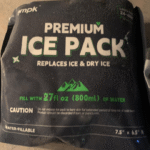
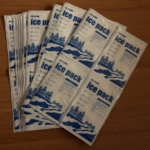
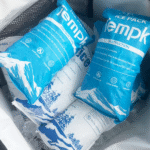
| Refrigeran & Paket gel | Paket gel, es kering atau refrigeran perubahan fasa menyerap atau melepaskan panas untuk mempertahankan suhu target | Perjalanan jarak menengah atau pendek; menyesuaikan 50–77 °F (10–25 °C) windows | Cegah pencairan atau pembekuan dengan mencocokkan zat pendingin ke kisaran yang diinginkan; mengurangi kebocoran yang disebabkan oleh kondisi ekstrim |
| Panel terisolasi vakum (VIP) & bahan perubahan fase (PCMS) | Panel dan PCM berperforma tinggi memberikan ketahanan termal yang unggul dengan ketebalan minimal | Pengiriman jarak jauh membutuhkan insulasi yang ringan namun kuat | Maksimalkan ruang muatan sekaligus menjaga produk tetap dingin; biaya pengiriman lebih rendah karena pengurangan berat |
| Sistem terisolasi yang dapat digunakan kembali | Wadah tahan lama yang dirancang untuk beberapa siklus, seringkali dengan pemantauan terpadu | Program untuk pengiriman yang sering atau serum bernilai tinggi | Mengurangi limbah dan biaya jangka panjang; mendukung tujuan keberlanjutan dan pelaporan ESG |
| Kemasan cerdas (Sensor IoT & Data Loggers) | Sensor yang tertanam mencatat suhu, kelembaban dan lokasi; peringatan waktu nyata tentang perjalanan | Semua pengiriman sensitif memerlukan dokumentasi kepatuhan | Memberikan bukti kualitas produk berdasarkan data; memungkinkan intervensi proaktif ketika suhu berubah |
Inovasi dan bahan kemasan
Bahan perubahan fasa (PCMS): PCM modern dapat mempertahankan kisaran suhu yang tepat dengan menyerap atau melepaskan panas laten. Formulasi mencakup lingkungan sekitar (+18 ° C.), didinginkan (+5 ° C.), hampir beku (+1 ° C.) dan suhu di bawah nol. PCM berbasis bio menawarkan manfaat lingkungan sekaligus menjaga kinerja termal.
Panel isolasi vakum (VIP): Teknologi VIP menciptakan ruang hampa untuk menghilangkan perpindahan panas konvektif dan konduktif, memungkinkan pengemasan dinding tipis dengan ketahanan termal yang tinggi. Sistem hibrida menggabungkan VIP dengan isolasi konvensional untuk menyeimbangkan biaya dan kinerja.
Bahan penghalang canggih: Film metalisasi, pelapis keramik dan komposit multi lapis melindungi dari kelembapan, oksigen dan faktor lingkungan, memperpanjang umur simpan.
Sensor pintar dan IoT: Sensor terintegrasi memantau suhu, kelembaban, kejutan dan lokasi, mentransmisikan data ke platform cloud untuk dianalisis. Peringatan real-time memungkinkan intervensi proaktif jika kondisi menyimpang dari kisaran aman.
Blockchain dan analisis data: Beberapa sistem pemantauan mengintegrasikan blockchain untuk membuat catatan anti kerusakan dan menggunakan algoritma AI untuk memprediksi potensi pelanggaran. Analisis prediktif dan peringatan otomatis membantu mengoptimalkan rute dan menghindari penundaan.
Tips pengemasan praktis
Pengepakan yang tepat mencegah kebocoran, kerusakan dan perubahan suhu. Ikuti tips berikut ini saat menyiapkan kiriman kecantikan:
Persiapan sebelum kapal: Kencangkan tutupnya, dropper dan pompa; gunakan pita penyusut atau segel yang mudah rusak. Penghalang sekunder ini mencegah kebocoran yang disebabkan oleh perubahan tekanan.
Bungkus satu per satu: Bungkus setiap toples atau botol dengan bubble wrap atau lembaran busa. Untuk kaca yang rapuh, gunakan overbox yang nyaman di dalam paket utama.
Gunakan kompartemen dan pembagi: Pisahkan produk dengan partisi karton atau sisipan cetakan untuk mencegah benturan.
Lapisan padding secara strategis: Bangun fondasi bantalan dengan kertas berkerut, bantal udara atau busa. Tempatkan barang yang lebih berat di bagian bawah dan sisakan setidaknya dua inci ruang antara produk dan dinding kotak.
Penahanan kebocoran: Kantongi semua cairan dalam kantong poli tertutup dengan bantalan penyerap sebelum dibungkus. Sekalipun botolnya retak, kekacauan tetap terkendali.
Pilih kotak luar kanan: Pilih kotak bergelombang atau berdinding ganda yang tahan lembab dan berukuran tepat. Kotak berukuran tepat meminimalkan pergerakan dan melindungi dari kelembapan.
Sertakan indikator suhu: Pasang label atau strip termal untuk memberikan konfirmasi visual bahwa rantai dingin tetap terjaga.
Cocokkan zat pendingin dengan produk: Pilih paket gel atau PCM yang diberi peringkat untuk kisaran suhu yang tepat dari formulasi perawatan kulit Anda. Misalnya, pilih PCM yang bertransisi 65 °F untuk serum yang harus tetap di bawah 77 ° f.
Penyesuaian musiman: Sesuaikan insulasi dan zat pendingin berdasarkan iklim. Di musim panas, gunakan insulasi yang lebih berat atau paket gel tambahan; di musim dingin, memastikan bahwa PCM tidak membekukan dan merusak produk.
Pantau waktu transit: Pilih isolasi berdasarkan berapa lama paket akan transit. Pengiriman singkat mungkin hanya membutuhkan batu bata busa dan paket gel; pengiriman lintas negara mungkin memerlukan panel VIP dan beberapa PCM.
Pertimbangkan untuk menggunakan kembali: Wadah berinsulasi yang dapat digunakan kembali mungkin lebih mahal di muka, tetapi menghemat uang dalam beberapa siklus dan mengurangi dampak lingkungan.
Beri label dengan jelas: Cantumkan pemberitahuan “Simpan dalam Kulkas” pada kemasan luar untuk mengingatkan operator dan pelanggan serta mengurangi kesalahan penanganan.
Kasus dunia nyata: perbaikan kemasan mengurangi kebocoran
Sebuah merek perawatan kulit California yang mengirimkan serum vitamin C menghadapi banyak keluhan tentang kebocoran dan produk rusak selama musim panas. Mereka memperkenalkan botol berpita menyusut di dalam lapisan berinsulasi dengan kemasan gel dan menambahkan label “Simpan di Lemari Es” dan indikator suhu.. Keluhan pelanggan mampir 85 % dan pengembalian dana menurun karena pelanggan menerima produk dalam kondisi lebih baik. Kasus ini menggambarkan betapa perhatiannya terhadap penutupan, penahanan dan kontrol suhu secara langsung meningkatkan kepuasan pelanggan.
Bagaimana membangun strategi logistik rantai dingin untuk kosmetik
Mempertahankan rantai dingin lebih dari sekadar pengemasan. Strategi logistik yang komprehensif memastikan produk tetap berada dalam kisaran suhu aman dari gudang ke pelanggan. Elemen kuncinya mencakup penyimpanan dengan zona suhu, perencanaan rute, protokol pemantauan dan pengujian waktu nyata.
Penyimpanan yang dikategorikan suhu
Gudang dan pusat pemenuhan harus dibagi menjadi beberapa zona dengan rentang suhu berbeda. Produk yang membutuhkan lingkungan yang lebih sejuk (MISALNYA., probiotik atau serum kaya vitamin) harus disimpan di zona berpendingin, sementara produk yang stabil dapat tetap berada di area sekitar yang terkendali. Zonasi ini mengurangi konsumsi energi dengan hanya mendinginkan yang diperlukan dan menyederhanakan manajemen inventaris. Pertimbangan musiman penting—selama bulan-bulan yang lebih dingin, beberapa rute mungkin tidak memerlukan pendinginan penuh.
Perencanaan rute dan titik transfer yang cerdas
Perubahan suhu sering terjadi selama titik transfer di mana paket meninggalkan lingkungan terkendali. Rencanakan rute untuk meminimalkan serah terima dan memastikan pengangkut dilengkapi dengan kendaraan yang dikendalikan iklim. Cross docking dan staging yang efisien menjaga produk tetap berada dalam rentang suhu. Hindari pengiriman saat cuaca ekstrem atau rencanakan cadangan, seperti jalur pelayaran alternatif dan truk yang sudah dikondisikan sebelumnya, untuk mencegah penundaan.
Sistem pemantauan waktu nyata
Sensor dan pencatat data harus menyertai setiap pengiriman rantai dingin. Sensor tertanam memantau suhu, kelembaban dan lokasi, memberikan peringatan waktu nyata jika kondisi menyimpang dari ambang batas aman. Data dikirimkan ke dasbor cloud tempat Anda dapat melihat dan menganalisis pengiriman. Sistem yang lebih canggih menggabungkan pelacakan GPS, analitik prediktif dan blockchain untuk memastikan transparansi dan memungkinkan intervensi proaktif. Tinjau log suhu 3PL Anda dan hasil audit sebelum mempercayakannya dengan formulasi bernilai tinggi.
Protokol pengujian dan validasi
Validasi rutin memastikan solusi pengemasan dan penyimpanan berfungsi sesuai harapan. Sebelum penerapan skala besar, pengemasan uji dalam kondisi yang mensimulasikan siklus suhu transit, paparan getaran dan penanganan stres. Terapkan analisis akar masalah untuk menyelidiki perubahan suhu apa pun, kegagalan pengemasan atau masalah kualitas; secara sistematis menangkap pembelajaran untuk mencegah masalah di masa depan.
Bermitra dengan penyedia pemenuhan yang patuh
Pilih logistik pihak ketiga (3hal) mitra yang berspesialisasi dalam pemenuhan suhu yang dikontrol. Carilah penyedia yang menawarkan pengujian stabilitas, data keamanan dan pelabelan yang akurat, ditambah Prosedur Operasi Standar (Sops), log suhu dan kesiapan audit. Mintalah untuk meninjau audit suhu terbaru atau validasi stabilitas sebelum menandatangani kontrak.
Kiat dan saran yang berpusat pada pengguna
Untuk usaha kecil: Mulailah dengan solusi pasif seperti pengirim berinsulasi dan paket gel. Mengadopsi sistem yang dapat digunakan kembali dan sensor IoT seiring pertumbuhan volume pesanan.
Untuk layanan kotak berlangganan: Gunakan pembagi dan sisipan cetakan untuk melindungi berbagai jenis produk. Tambahkan kuesioner sederhana atau kuis preferensi untuk mempersonalisasi pengiriman dan meningkatkan keterlibatan.
Untuk merek mewah: Berinvestasilah pada hibrida PCM VIP untuk pengiriman jarak jauh; melacak pengiriman secara real-time dan memberi pelanggan grafik suhu saat pengiriman.
Untuk pembeli DIY: Simpan kosmetik yang sensitif terhadap suhu di tempat yang sejuk, lemari gelap atau lemari es rumah tangga. Pisahkan dari makanan dan pantau tanggal kadaluwarsanya.
Untuk perusahaan yang berpikiran keberlanjutan: Pilih PCM berbasis bio dan wadah berinsulasi yang dapat digunakan kembali untuk mengurangi dampak lingkungan. Dorong pelanggan untuk mengembalikan kemasan untuk digunakan kembali dan menyertakan instruksi daur ulang yang jelas.
Contoh praktis: Label perawatan kulit independen di Amerika Serikat bagian selatan menggunakan analisis prediktif untuk mengalihkan rute pengiriman dari daerah yang mengalami gelombang panas. Perusahaan mengintegrasikan sensor IoT yang memperingatkan mereka ketika unit pendingin trailer rusak, memungkinkan mereka melakukan intervensi sebelum produk rusak. Sebagai akibat, mereka mengurangi pembusukan musim panas sebesar 60 % dan meningkatkan tingkat pengiriman tepat waktu.
2025 perkembangan dan tren kosmetik rantai dingin
Tinjauan Tren
Rantai dingin kosmetik berkembang pesat. Pasar kecantikan global diproyeksikan akan melampauinya US$650 miliar pada 2025. Dengan formulasi perawatan kulit yang lebih premium yang mengandung bahan aktif seperti probiotik, peptida dan vitamin C, lebih 40 % pengiriman perawatan kulit premium akan memerlukan lingkungan suhu yang terkendali 2027. Sementara itu, pasar penyimpanan dingin untuk kosmetik tumbuh pada a 9.2 % tingkat pertumbuhan tahunan gabungan dari 2022 ke 2030.
Kemajuan terbaru
Bahan pengubah fasa ramah lingkungan: PCM berbasis bio yang berasal dari sumber terbarukan mempertahankan suhu yang tepat sekaligus mengurangi dampak terhadap lingkungan. Sistem PCM yang dapat digunakan kembali memberikan keuntungan ekonomi untuk pengiriman frekuensi tinggi.
Panel isolasi vakum: VIP berdinding tipis menawarkan kinerja termal yang unggul tanpa menambah jumlah besar, membuat pengemasan lebih ringan dan mengurangi biaya pengiriman.
IoT dan analisis prediktif: Sensor IoT sekarang memantau suhu, kelembaban, kejutan dan lokasi secara real time, sementara algoritma AI memprediksi potensi gangguan dan menyarankan penyesuaian proaktif.
Blockchain dan kontrak pintar: Catatan blockchain anti kerusakan memberikan transparansi dan membantu mengotomatisasi pelaporan kepatuhan. Kontrak pintar dapat memicu tindakan seperti klaim asuransi atau pengalihan rute berdasarkan data sensor.
Program pengemasan yang dapat digunakan kembali: Merek-merek mulai menerapkan sistem insulasi yang dapat digunakan kembali untuk menyelaraskan dengan tujuan keberlanjutan dan mengurangi biaya. Program persewaan mencakup layanan pembersihan dan validasi, membuat adopsi lebih mudah bagi perusahaan kecil.
Otomatisasi dalam logistik rantai dingin: Sistem yang digerakkan oleh robotika dan AI meningkatkan akurasi inventaris dan kecepatan pemrosesan pesanan, mengurangi kesalahan manusia dan skala pendukung.
Peningkatan pengawasan peraturan: Badan pengatur global menerapkan standar ketat untuk manajemen rantai dingin. Perangkat pemantauan dan log audit memberikan bukti kepatuhan dan membangun kepercayaan konsumen.
Wawasan pasar
Preferensi konsumen terhadap perawatan kulit premium mendorong permintaan akan produk dengan pengatur suhu di wilayah seperti California, New York, Florida dan Texas. Krim mata, serum vitamin C dan perawatan jerawat sangat sensitif dan mendapat manfaat dari penyimpanan dingin. Analisis pasar memperkirakan serum yang mengandung vitamin C dan asam hialuronat akan tetap populer karena sifatnya yang mencerahkan dan menghidrasi.. Untuk memenuhi permintaan, merek membangun fasilitas penyimpanan dingin regional untuk memperpendek jarak pengiriman dan menjaga kesegaran.
Pertanyaan yang sering diajukan
Q1: Pada suhu berapa saya harus menyimpan kosmetik saya?
Simpan sebagian besar kosmetik di antaranya 50 °F dan 70 ° f (10–21 °C). Untuk produk yang mengandung bahan hidup atau probiotik, ikuti instruksi pabriknya, yang mungkin menentukan pendinginan pada 35–46 °F (2–8 ° C.). Gunakan termometer atau sensor untuk memverifikasi kondisi penyimpanan.
Q2: Bisakah saya menggunakan kulkas biasa untuk menyimpan kosmetik?
Ya, lemari es standar dapat digunakan untuk kosmetik yang sensitif terhadap panas selama Anda menyegelnya dengan benar dan menghindari pencampuran dengan makanan. Lemari es kosmetik khusus menawarkan pengaturan yang dapat disesuaikan dan mengurangi risiko kontaminasi silang.
Q3: Apa yang terjadi jika kosmetik membeku atau terlalu panas?
Pembekuan dapat menyebabkan minyak dan emulsi terpisah dan membentuk kristal es, merusak teksturnya. Panas berlebih mempercepat oksidasi dan dapat melelehkan balsem atau kemasan melengkung. Kedua hal ekstrem ini memperpendek umur simpan dan dapat menyebabkan iritasi atau produk tidak efektif. Selalu sesuaikan zat pendingin dan insulasi dengan kisaran suhu aman produk.
Q4: Bagaimana cara mengetahui kosmetik saya rusak karena penyimpanan yang tidak tepat?
Carilah perubahan warna, aroma atau tekstur. Jika suatu produk terpisah, berbau atau terasa berpasir, mungkin telah mengalami perubahan suhu. Indikator suhu dan pencatat data memberikan bukti obyektif mengenai kondisi penanganan.
Q5: Apakah ada cara alami untuk mengatur penyimpanan kosmetik?
Menyimpan kosmetik di tempat yang sejuk, kabinet gelap membantu menjaga stabilitas, tetapi hal ini memberikan kendali yang terbatas. Untuk kondisi yang tepat, berinvestasi dalam penyimpanan dengan suhu terkontrol atau kemasan berinsulasi dengan kemasan gel atau PCM. Bahkan solusi alami atau DIY pun harus disertai dengan pelabelan dan pemantauan yang jelas.
Ringkasan dan Rekomendasi
Mempertahankan rantai dingin untuk kosmetik melindungi bahan-bahannya, tekstur dan reputasi merek. Simpan produk dalam suhu 50–70 °F (10–21 °C) jangkauan, gunakan kemasan yang sesuai (pengirim terisolasi, paket gel atau hibrida VIP PCM) dan menggabungkan pemantauan waktu nyata untuk mendeteksi perubahan suhu. Persiapan sebelum kapal—mengencangkan tutup, pembungkusan individu dan penahanan kebocoran—mengurangi kerusakan dan melindungi pengiriman. Strategi logistik yang cerdas, seperti penyimpanan zona suhu dan perencanaan rute prediktif, lebih meminimalkan risiko. Tetap terinformasi tentang 2025 tren seperti PCM ramah lingkungan, Sensor IoT, Analisis AI dan kemasan yang dapat digunakan kembali akan membantu bisnis Anda tetap kompetitif.
Langkah selanjutnya dan ajakan bertindak
Audit portofolio produk Anda: Kategorikan item berdasarkan sensitivitas suhu dan evaluasi metode penyimpanan dan pengiriman saat ini.
Tingkatkan kemasan: Pilih kombinasi isolasi yang tepat, bantalan dan pendingin berdasarkan kebutuhan produk dan waktu transit. Pertimbangkan sistem yang dapat digunakan kembali untuk mengurangi limbah.
Melaksanakan pemantauan: Menyebarkan sensor dan pencatat data untuk pelacakan waktu nyata. Tinjau catatan suhu dan catatan kepatuhan 3PL Anda sebelum bermitra.
Tetap terinformasi tentang tren: Pantau perkembangan bahan ramah lingkungan, Logistik dan perubahan peraturan yang didorong oleh AI.
Konsultasikan dengan ahlinya: Hubungi spesialis rantai dingin untuk mendapatkan solusi khusus yang memenuhi kebutuhan spesifik merek Anda.
Tentang tempk
Tempk adalah penyedia solusi pengemasan dengan pengatur suhu yang menyajikan makanan, industri farmasi dan kosmetik. Kami merancang dan memproduksi kotak terisolasi, Paket gel, panel berisolasi vakum dan wadah yang dapat digunakan kembali yang menjaga kisaran suhu yang tepat. R&Tim D berfokus pada bahan ramah lingkungan dan teknologi pemantauan cerdas, memastikan bahwa produk tetap aman dari produksi hingga pengiriman. Dengan portofolio solusi mulai dari pengirim paket kecil hingga kontainer berukuran palet, Tempk membantu merek melindungi barang bernilai tinggi mereka, mengurangi limbah dan mencapai tujuan keberlanjutan.
Panggilan untuk bertindak
Siap untuk meningkatkan rantai dingin kosmetik Anda? Hubungi pakar kami hari ini untuk mendiskusikan strategi pengemasan dan logistik khusus yang melindungi produk merek Anda dan menyenangkan pelanggan Anda. Bersama-sama kami akan menyimpan serum Anda, krim dan wewangian yang paling segar.