How to Run Cold Chain Fish Processes Solutions (2025)
Solusi Proses Ikan Rantai Dingin help you keep fish safe, segar, and profitable by controlling waktu + suhu + kelembaban from dock to door. If your product warms up even 2–3°C, shelf life can drop and texture can soften fast.
Di dalam 2025, the simplest “win” is still the same: menyimpan fresh fish near 0–2°C and keep frozen fish at −18°C or colder, then prove it with records.
Artikel ini akan membantu Anda menjawabnya
-
How Cold Chain Fish Processes Solutions reduce spoilage and quality loss
-
Apa ideal temperature for chilled fish transport looks like in daily operations
-
How to protect frozen fish storage temperature −18°C through real-world delays
-
How to prevent histamine risk using better time–temperature discipline
-
Bagaimana memilih fresh fish packing and last-mile delivery solutions that actually hold temperature
-
How to validate Cold Chain Fish Processes Solutions by lane, musim, dan tingkat layanan
Why are Cold Chain Fish Processes Solutions non-negotiable for fish?
Cold Chain Fish Processes Solutions matter because fish deteriorates faster than most foods, and damage from warming is irreversible.
Cold Chain Fish Processes Solut…
Saat suhu naik, bacteria grow faster and enzymes soften muscle structure. You can cool fish again later, but you can’t “undo” the lost freshness.
Think of freshness like a phone battery. Heat drains it quickly. Cold Chain Fish Processes Solutions slow the drain so you arrive with “battery life” left to sell—more days of shelf life, fewer rejections, and fewer refunds.
What happens when fish warms by just a few degrees?
A small temperature drift often causes the biggest business pain: tekstur lembut, keluhan bau, and unpredictable shelf life. A deviation of 2–3°C can accelerate spoilage and reduce shelf life by days.
Cold Chain Fish Processes Solut…
| What warms up | What changes first | What you see at delivery | Apa artinya bagimu |
|---|---|---|---|
| Fresh fillets | Texture softens | “Mushy” feel | Lower grade, more returns |
| Whole fish | Odor increases | “Fishy” smell | Lebih banyak keluhan, lost trust |
| Frozen product | Pencairan sebagian | Drip loss after refreeze | Quality claims, rework costs |
Kiat Praktis yang Dapat Anda Gunakan Hari Ini
-
Set a “stop-the-line” rule: if product hits your red-flag temperature, pause and re-ice or re-chill.
-
Measure time above target: minutes above target predict losses better than “average temperature.”
-
Treat staging as production: a warm dock is still part of your cold chain.
Contoh praktis: One operation improved outcomes by tightening temperature control in the first hours after harvest, cutting quality complaints noticeably.
Cold Chain Fish Processes Solut…
Which temperature targets should Cold Chain Fish Processes Solutions hit?
Cold Chain Fish Processes Solutions work best when you hit two targets consistently: ~ 0 ° C. (32° f) for chilled fish and ≤−18°C for frozen fish.
Cold Chain Fish Processes Solut…
This is not about “as cold as possible.” It’s about stabil, repeatable control that matches the product state.
If you only remember one sentence, gunakan ini: Chilled fish is a race against time. Frozen fish is a race against thaw.
Ideal temperature for chilled fish transport: what does “near 0°C” mean?
Untuk ikan dingin, aim for conditions close to melting ice (sekitar 0° C. / 32° f) to slow spoilage without freezing the flesh.
Cold Chain Fish Processes Solut…
Use 0–2°C as your quality target, and treat warmer ranges as short exceptions.
| Status produk | Sasaran sederhana | “Red-flag” drift | Apa artinya bagimu |
|---|---|---|---|
| Segar, ikan dingin | ~0–2°C | >4°C for long periods | Faster spoilage, softer texture |
| Segar (short local runs) | ≤4°C (fallback) | Repeated warm spikes | More variability, more claims |
| Ikan beku | ≤−18°C | Warming cycles | Thaw/refreeze damage, kehilangan tetesan |
Kiat Praktis yang Dapat Anda Gunakan Hari Ini
-
Write targets on the SOP, not in someone’s head.
-
Use two thresholds: A peringatan line and a reject-risk garis.
-
Don’t mix fresh + frozen loosely: they fight each other thermally.
Catatan dunia nyata: Your process succeeds when temperature is stable and monitored end-to-end, not “checked once at the dock.”
Cold Chain Fish Processes Solut…
How do Cold Chain Fish Processes Solutions win the first hour after harvest?
The first hour is where Cold Chain Fish Processes Solutions either gain shelf life—or lose it permanently. Many operations target fast chilling immediately after catch and during receiving, because early warming creates “invisible” damage that later steps can’t fix.
Secara sederhana: if you cool late, you’re paying twice—once for ice and once for waste.
Ice contact vs. “cold air only”: what cools faster in practice?
Cold Chain Fish Processes Solutions usually rely on direct ice contact + pengendalian drainase for fast chilling, especially when product arrives warm. Air chilling can be much slower, and slow cooling burns shelf life.
| Metode | Cooling behavior | Hidden risk | Apa artinya bagimu |
|---|---|---|---|
| Direct ice contact | Cepat, stable near 0°C | Meltwater pooling | Needs drainage + liner |
| Ice-water mix (lumpur salju) | Very fast contact cooling | Sanitation control | Great for bulk totes |
| Cold air only | Slow cooling | Surface drying | Looks worse, shorter shelf life |
Kiat Praktis yang Dapat Anda Gunakan Hari Ini
-
Start the clock at harvest/receiving: track time-to-ice, not just shipping time.
-
Use thin layers: deep stacks warm in the middle first.
-
Keep fish out of meltwater: meltwater warms and harms texture.
Contoh praktis: Tight early chilling and disciplined handling can reduce spoilage complaints and stabilize quality.
Cold Chain Fish Processes Solut…
How should Cold Chain Fish Processes Solutions run inside processing plants?
Processing is where Cold Chain Fish Processes Solutions often fail quietly. Fish may enter cold storage correctly, then warm during filleting, grading, or queue time.
Cold Chain Fish Processes Solut…
Tujuan Anda sederhana: short exposure windows, small batches, fast returns to cold control.
Think of the cutting line like a busy kitchen. If food sits on the counter too long, it warms. Fish is less forgiving than most foods, so your “counter time” needs to be short and enforced.
Where processing loses temperature most often
| Processing point | Apa yang salah | Quick control | Apa artinya bagimu |
|---|---|---|---|
| Filleting | Long bench time | Chilled room + small batches | Firmer texture |
| Washing | Warm water exposure | Cold rinse + fast drain | Lower bacterial load |
| Sorting/grading | Waiting in queues | “No-wait” lane | Less warming, lebih sedikit penolakan |
| Sedang mengemas | Slow pack-out | Pre-chilled stations | Stable handoff |
Kiat Praktis yang Dapat Anda Gunakan Hari Ini
-
Set a “max bench time” (contoh: 15 menit) before product returns to chill.
-
Batch smaller, rotate faster: fewer long waits beat “big batch efficiency.”
-
Design one-way flow: reduce backtracking and open-door exposure.
Operational insight: Cutting hidden queue time can reduce losses without buying new equipment—just better flow and enforcement.
Which packaging choices make Cold Chain Fish Processes Solutions reliable?
Packaging is the physical shield of Cold Chain Fish Processes Solutions. It slows heat gain, mengelola kelembapan, and protects product during handoffs.
Cold Chain Fish Processes Solut…
Packaging is not magic, meskipun. It’s more like a seatbelt: it reduces damage when something goes wrong, but you still need a safe process.
Cold Chain Fish Processes Solut…
Perbandingan kemasan: match pack-out to your product and route
| Pack-out style | Terbaik untuk | Risiko utama | Apa artinya bagimu |
|---|---|---|---|
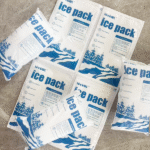
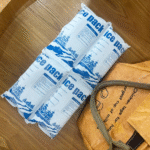
| Iced packs (wet style) | Fresh finfish, short cycles | air leleh + kekacauan | Best quality if managed well
Cold Chain Fish Processes Solut… |
| Gel/PCM + pengirim terisolasi | Paket + terakhir mil | Wrong sizing = drift | Pembersih, more repeatable
Cold Chain Fish Processes Solut… |
| Beku (≤−18°C) + barrier pack | Long distance/export | Fluctuation | Strong frozen stability
Cold Chain Fish Processes Solut… |
Kiat Praktis yang Dapat Anda Gunakan Hari Ini
-
Write a pack-out recipe: number of packs, penempatan, target hours.
Cold Chain Fish Processes Solut…
-
Validate on the worst week: hottest weather or busiest season.
Cold Chain Fish Processes Solut…
-
Control meltwater: use drainage, liner, and separation so fish doesn’t soak.
-
If you ship histamine-risk species: treat warming as “invisible damage” and tighten controls.
Cold Chain Fish Processes Solut…
Contoh praktis: Switching from “more ice” to measured PCM + insulation can improve consistency and reduce complaints when routes are variable.
Cold Chain Fish Processes Solut…
How do transport and last mile break Cold Chain Fish Processes Solutions?
Transport is where Cold Chain Fish Processes Solutions face the highest risk because delays, bukaan pintu, and mixed cargo create temperature instability.
Cold Chain Fish Processes Solut…
Many failures are logistical, not technical: long loading times, poor routing, and last-mile exposure undo earlier wins.
Cold Chain Fish Processes Solut…
Transport risk breakdown you can manage
| Transport phase | Risiko utama | Strategi pengendalian | Apa artinya bagimu |
|---|---|---|---|
| Memuat | Paparan panas | Cepat, organized loading | Stable core temp
Cold Chain Fish Processes Solut… |
| Transit | Penundaan | Perencanaan rute + buffer | Predictable delivery
Cold Chain Fish Processes Solut… |
| Mil terakhir | Panas sekitar | Insulated handling rules | Kesegaran yang lebih baik
Cold Chain Fish Processes Solut… |
Last-mile delivery solutions for fresh seafood: your “final 2 hours” plan
| Last-mile reality | Baseline pack-out | Kontrol proses | Apa artinya bagimu |
|---|---|---|---|
| Appointment delivery | Isolasi standar + measured coolant | Jendela sempit | Fewer warm holds |
| Doorstep/lobby risk | Isolasi lebih tinggi + extra hold time | Signature/OTP or hold-at-pickup | Lebih sedikit pengembalian uang |
| Mixed stops | Pemisahan zona | Stop-limit rule | Konsistensi yang lebih baik |
Kiat Praktis yang Dapat Anda Gunakan Hari Ini
-
Pre-cool vehicle + pre-cool load + memuat dengan cepat.
-
Zona terpisah: chilled and frozen need physical separation.
-
Create exception rules: failed delivery is a known risk—decide in advance what happens next.
Ingat: transport is a “moving cold room.” If you design it that way, you stop relying on luck.
Cold Chain Fish Processes Solut…
How can monitoring upgrade Cold Chain Fish Processes Solutions?
Cold Chain Fish Processes Solutions depend on monitoring because you can’t improve what you can’t see. Tanpa data, you find failures only after the customer complains. Monitoring also reduces partner disputes because it replaces opinions with timestamps.
Mulailah dengan sederhana. You don’t need “more data.” You need the right data.
Monitoring methods that add real value
| Metode pemantauan | Apa yang ditangkapnya | Effort level | Apa artinya bagimu |
|---|---|---|---|
| Pemeriksaan tempat | Big failures | Rendah | Baseline only; misses spikes
Cold Chain Fish Processes Solut… |
| Pencatat data | Spikes + lamanya | Sedang | Fix routes and loading habits
Cold Chain Fish Processes Solut… |
| Indikator cerdas (Ayah) | Cumulative exposure | Low at scale | Simple “proof,” still indirect
Cold Chain Fish Processes Solut… |
Kiat Praktis yang Dapat Anda Gunakan Hari Ini
-
Track two KPIs first: max temperature and time above target.
-
Place sensors where problems happen: near doors and warm corners.
Cold Chain Fish Processes Solut…
-
Review exceptions first: fix the worst lanes before you “optimize everything.”
-
Write a temperature exception SOP: siapa yang memutuskan, apa yang harus dilakukan, how to document.
Cold Chain Fish Processes Solut…
Contoh praktis: Many teams discover the biggest excursion is “waiting for pickup,” not highway transit—then fix scheduling and staging.
How do you validate Cold Chain Fish Processes Solutions by lane?
Validation means proving your Cold Chain Fish Processes Solutions hold temperature on real routes, in real seasons, with normal staff. This is how you stop debating and start standardizing.
A simple HowTo: lane validation in 7 tangga
-
Pick your top lanes by volume and complaint rate.
-
Define pass/fail limits (fresh vs frozen).
-
Pack using your standard SOP (no “special effort”).
-
Place a logger in the warmest spot of the shipper.
-
Run enough shipments to see variability (not just one).
-
Review max temperature, waktu di atas batas, and delay points.
-
Ubah satu variabel pada satu waktu, then retest.
Cold Chain Fish Processes Solut…
| Validation element | Apa yang harus direkam | Lewati sinyal | Apa artinya bagimu |
|---|---|---|---|
| Pack-out timing | Minutes from chill to seal | Konsisten | Repeatable quality |
| Coolant usage | Weight/count per box | Stabil | Pengendalian biaya |
| Waktu dari pintu ke pintu | Jam | Dapat diprediksi | Kesegaran yang lebih baik |
| Kurva suhu | Max + lamanya | In spec | Lebih sedikit penolakan |
Alat keputusan interaktif: choose the right control level
Melangkah 1: Score your risk (1–4 each)
-
Produk: live/ultra-fresh (4), fillet dingin (3), ikan utuh (2), beku (1)
-
Waktu transit: hari yang sama (1), keesokan harinya (2), 2+ hari -hari (4)
-
Ambient: Dingin (1), lembut (2), musim panas (4)
-
Mil terakhir: appointment/signature (1), sedang (2), high porch/lobby risk (4)
Melangkah 2: Add your score and choose
-
4–7: Isolasi dasar + standard ice/frozen control
-
8–11: Upgrade SOP + pemantauan pemeriksaan langsung
-
12–16: Lane-specific packaging + jendela yang lebih rapat + exception handling
-
17+: Consider re-ice points, pendinginan aktif, or changing service level
Mengapa itu berhasil: you match Cold Chain Fish Processes Solutions to real risk instead of guessing.
Are your traceability records part of Cold Chain Fish Processes Solutions?
Di dalam 2025, Cold Chain Fish Processes Solutions increasingly include traceability readiness. Ketika terjadi kesalahan, the fastest way to limit damage is being able to answer: Which lot is this? Kemana perginya?? What temperature evidence supports it?
Penilaian diri: traceability readiness score (0–20)
Berikan dirimu sendiri +2 untuk setiap “ya”:
-
You can identify a lot code for every outbound shipment.
-
You capture supplier lot + receiving date + quantity in one system.
-
You record transformations (repack/relabel/commingle) dengan jelas.
-
You can produce a sortable shipment/lot report quickly.
-
You have written SOPs for temperature excursions and relabel events.
-
You train staff and test a mock recall at least yearly.
-
You can link temperature evidence (logger/indicator ID) to a lot.
-
Partners exchange data in a consistent format.
-
Records are organized, retrievable, and owned by a role.
-
You keep retention rules clear and consistent.
0–7: Risiko tinggi (fix foundations)
8–14: Improving (close gaps, test often)
15–20: Kuat (mengoptimalkan + mengotomatisasikan)
2025 Cold Chain Fish Processes Solutions trends you should watch
Di dalam 2025, Cold Chain Fish Processes Solutions are shifting from basic temperature control to predictive freshness management—preventing risk instead of reacting to spoilage.
Cold Chain Fish Processes Solut…
That shift is pushed by better data review habits, more reusable packaging systems, and rising buyer expectations for consistency.
Cold Chain Fish Processes Solut…
Cuplikan kemajuan terbaru (praktis)
-
Predictive temperature modeling: flag risk points before shipment.
Cold Chain Fish Processes Solut…
-
Reusable cold chain systems: improve stability and reduce long-term cost.
Cold Chain Fish Processes Solut…
-
Process integration: memanen, pengolahan, and transport run as one system.
Cold Chain Fish Processes Solut…
Saran tautan internal (di situs Anda)
-
Cold Chain Fish Processes Solut…
Pertanyaan yang sering diajukan
Q1: What is the ideal temperature for chilled fish transport?
Bertujuan untuk dekat es yang mencair (~ 0 ° C. / 32° f) and keep drift small. Cold Chain Fish Processes Solutions work best when you minimize time above target, not when you “check once” and hope.
Q2: What frozen fish storage temperature should I target?
Design Cold Chain Fish Processes Solutions to hold ≤−18°C with minimal fluctuation. Avoid partial thaw events, because refreeze often leads to drip loss and texture complaints.
Q3: Is ice alone enough for fish transport?
Ice helps a lot, but Cold Chain Fish Processes Solutions usually also need isolasi + pengendalian drainase + pemantauan. Jika tidak, door openings and warm staging can still cause damaging spikes.
Q4: How fast should fish enter the cold chain after harvest?
As fast as possible. Many teams push for chilling within the first hour, because early warming burns shelf life you can’t recover.
Cold Chain Fish Processes Solut…
Q5: Apa itu #1 last-mile mistake for fresh seafood delivery?
Uncontrolled waiting time (porch/lobby/van stops). Fix it with delivery windows, signature/OTP rules, and pack-outs sized for worst-case hold time.
Q6: What’s the fastest low-cost upgrade?
Remove “hidden delays”: shorten staging, reduce processing queues, and standardize pack-out steps. Cold Chain Fish Processes Solutions improve fastest when workflow becomes predictable.
Ringkasan dan Rekomendasi
Cold Chain Fish Processes Solutions protect freshness, keamanan, and value when you treat the chain as one system, not separate steps. Stabil, monitored control reduces losses and makes quality repeatable.
Cold Chain Fish Processes Solut…
Focus on two temperature targets, remove hidden delays, standardize pack-outs by lane, and track time above target as your main KPI.
Langkah Anda selanjutnya (rencana sederhana)
-
Map your top 5 temperature exposure points.
Cold Chain Fish Processes Solut…
-
Tighten processing discipline and bench-time limits.
Cold Chain Fish Processes Solut…
-
Upgrade packaging for lane-specific thermal stability.
Cold Chain Fish Processes Solut…
-
Add basic monitoring on critical routes and review exceptions weekly.
Cold Chain Fish Processes Solut…
Tentang tempk
Tempk supports Cold Chain Fish Processes Solutions with practical insulation options, temperature visibility workflows, and lane-based SOP design—focused on repeatability in real seafood logistics, not theory.
Cold Chain Fish Processes Solut…
We help you stabilize quality, mengurangi kerugian, and build trust with customers by making cold control easier to run every day.
Tindakan: If you’re upgrading routes or pack-outs, request a lane validation checklist and pack-out review so your next change is proven, tidak dapat ditebak.