Logistik rantai dingin adalah proses khusus untuk menjaga barang-barang yang sensitif terhadap suhu dalam rentang yang dibutuhkan mulai dari produksi hingga pengiriman akhir. Tanpa rantai dingin yang andal, makanan, obat-obatan dan produk lainnya dapat rusak, kehilangan potensi atau menjadi tidak aman. Artikel ini menjelaskan cara proses logistik rantai dingin bekerja, mengapa hal ini penting dan bagaimana Anda dapat mengoptimalkannya menggunakan teknologi terbaru tahun 2025. Anda akan mempelajari setiap tahapan rantai dingin, tantangan bersama, praktik terbaik dan inovasi yang membentuk masa depannya. Data dari laporan industri baru-baru ini menyoroti meningkatnya permintaan akan barang-barang yang dikontrol suhunya dan standar keberlanjutan baru. Pada akhirnya, Anda akan mengetahui bagaimana rantai dingin yang dirancang dengan baik melindungi integritas produk dan laba Anda.

Apa yang dimaksud dengan proses logistik rantai dingin dan mengapa hal ini penting? – Definisi yang dapat diakses dan diskusi tentang pentingnya hal tersebut.
Apa saja tahapan proses logistik rantai dingin? – Perincian langkah demi langkah yang mencakup penyimpanan, kemasan, mengangkut, pemantauan dan penyampaian.
Teknologi dan material apa yang memungkinkan terjadinya rantai dingin? – Wawasan mendetail tentang pengemasan, moda transportasi dan sistem pemantauan.
Bagaimana Anda dapat mengatasi tantangan rantai dingin yang umum terjadi? – Strategi praktis untuk mengatasi kepatuhan terhadap peraturan, kegagalan peralatan dan risiko iklim.
Apa tren logistik rantai dingin terbesar di dunia? 2025? – Inovasi baru seperti sensor IoT, blockchain, Optimalisasi rute dan inisiatif keberlanjutan yang didorong oleh AI.
FAQ tentang logistik rantai dingin – Jawaban singkat atas pertanyaan umum.
Apa yang dimaksud dengan proses logistik rantai dingin dan mengapa hal itu penting?
Definisi dan signifikansi
Logistik rantai dingin mengacu pada penyimpanan terkendali dan pengangkutan barang yang harus tetap berada dalam kisaran suhu tertentu. Ini mencakup makanan, vaksin, Biologi, bahan kimia dan produk lain yang kualitas atau keamanannya bergantung pada pendinginan terus-menerus. Panduan terbaru menekankan bahwa rantai dingin bergantung pada penyimpanan yang dikontrol suhu, transportasi berpendingin dan pemantauan waktu nyata untuk melindungi integritas produk. Ketiga komponen inti ini harus bekerja sama untuk mencegah pembusukan, kontaminasi atau degradasi selama perjalanan produk.
Pentingnya logistik rantai dingin tumbuh secara eksponensial selama peluncuran vaksin COVID 19. Vaksin memerlukan penyimpanan ultra dingin antara –70 °C dan –80 °C; tanpa pengemasan khusus dan jaringan distribusi, miliaran dosis bisa kehilangan kemanjurannya. Selain vaksin, obat-obatan bernilai tinggi, produk segar, hidangan laut, daging, bunga dan bahkan beberapa barang elektronik mengandalkan rantai dingin untuk menjaga kualitas. Rantai dingin yang dikelola dengan baik menjamin kesehatan masyarakat, mengurangi pemborosan dan menjaga reputasi merek. Hal ini juga memungkinkan perdagangan global barang-barang yang mudah rusak, memungkinkan stroberi yang dipetik di California menjangkau konsumen di Asia tanpa kehilangan kesegarannya.
Tekanan ekonomi dan peraturan
Permintaan terhadap produk yang sensitif terhadap suhu meningkat di seluruh dunia. Meningkatnya kelas menengah di pasar negara berkembang mendorong konsumsi makanan dan minuman berkualitas tinggi. Industri farmasi dan bioteknologi terus berkembang, dengan terapi biologis dan gen yang memerlukan kontrol suhu yang ketat. Pemerintah memperketat peraturan untuk melindungi konsumen; Amerika Serikat. Undang-Undang Modernisasi Keamanan Pangan (FSMA) dan Praktik Distribusi yang Baik (PDB) memerlukan ketertelusuran dan dokumentasi di seluruh rantai pasokan. Kegagalan untuk mematuhi dapat mengakibatkan penarikan kembali, hukuman dan kerusakan reputasi. Oleh karena itu, logistik rantai dingin yang efektif merupakan kebutuhan hukum dan keunggulan kompetitif.
Bagaimana cara kerja proses logistik rantai dingin?
Rantai dingin lebih dari sekedar truk berpendingin. Ini adalah rangkaian kegiatan terkoordinasi yang melindungi produk dari pabrik hingga konsumen. Diagram di bawah mengilustrasikan lima tahapan utama proses—mulai dari penyimpanan dingin hingga pengemasan, pemantauan dan penyampaian akhir—dan menggarisbawahi bagaimana setiap langkah terkait dengan langkah berikutnya:
Di bawah ini adalah rincian rincian setiap tahapannya.
Panggung 1: Penyimpanan dingin dan pra-pendinginan
Produk memasuki rantai dingin di fasilitas penyimpanan yang dikontrol iklim segera setelah produksi. Gudang berpendingin menjaga suhu dan tingkat kelembapan yang tepat untuk menjaga kesegaran. Pra-pendinginan dapat diterapkan untuk menurunkan barang dengan cepat ke kisaran yang diperlukan sebelum dikirim, yang penting untuk produk segar dan susu. Peralatan penyimpanan dingin termasuk walk in cooler, freezer ledakan, pendingin dan pembawa vaksin. Tanpa landasan ini, barang yang sensitif terhadap suhu mungkin rusak sebelum meninggalkan pabrik.
Panggung 2: Kemasan untuk perlindungan termal
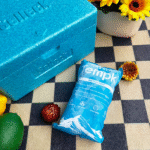
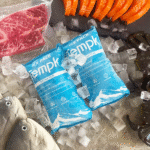
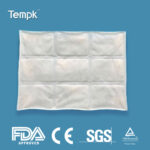
Pengemasan yang tepat merupakan garis pertahanan pertama terhadap fluktuasi suhu. Bahan khusus menyerap atau melepaskan panas untuk menjaga kondisi internal. Kemasan pasif yang umum mencakup pendingin polistiren berinsulasi, Paket gel, selimut air, bahan perubahan fase (PCMS) dan pengirim gelembung reflektif. Untuk perlindungan ekstra, liner palet terisolasi, pengirim berbahan dasar kapas dan pendingin cetakan EPS menciptakan penghalang terhadap panas atau dingin eksternal. Sistem pengemasan aktif menggunakan pendingin bertenaga atau panel berisolasi vakum untuk menjaga suhu dalam jarak yang lebih jauh. Pemilihan kemasan yang tepat bergantung pada sensitivitas produk, waktu dan biaya perjalanan.
Panggung 3: Transportasi yang dikontrol suhu
Setelah dikemas, barang diangkut melalui kendaraan khusus yang dirancang untuk menjaga suhu. Truk berpendingin (reefers), gerbong, kapal dan pesawat mempertahankan kondisi yang konsisten dengan sistem pendingin bawaan. Beberapa penyedia menggunakan trailer multi sel yang membuat zona terpisah dalam satu wadah, memungkinkan persyaratan suhu yang berbeda untuk beban campuran. Pemantauan waktu nyata sangat penting; bahkan penyimpangan suhu sekecil apa pun dapat menyebabkan pembusukan. Pemuatan cepat, cross docking dan optimalisasi rute membantu mengurangi paparan terhadap kondisi eksternal. Meningkatnya penggunaan gas alam listrik dan terkompresi (CNG) kendaraan meningkatkan keberlanjutan sekaligus mempertahankan kinerja pendinginan.
Panggung 4: Pemantauan dan analitik
Visibilitas sangat penting. Rantai dingin modern menggunakan Internet of Things (IoT) sensor, identifikasi frekuensi radio (RFID) tag dan pencatat data digital untuk melacak suhu, kelembaban dan lokasi secara real time. Sistem ini memberikan peringatan yang dapat ditindaklanjuti jika terjadi penyimpangan, memungkinkan intervensi cepat dan menjaga kualitas produk. Analisis komprehensif mendukung keputusan berdasarkan data, helping managers optimize routes and improve predictive maintenance. Blockchain platforms add an immutable layer of traceability, ensuring that all stakeholders can verify a product’s temperature history. Predictive analytics and artificial intelligence (Ai) algorithms further enhance monitoring by forecasting potential failures based on historical data.
Panggung 5: Last mile delivery and receipt
The final leg of the journey is often the most challenging. Products move from distribution centers to retailers, pharmacies or households, where handling errors or delays can cause temperature excursions. Small refrigerated vans, insulated boxes and gel packs help maintain conditions during last mile delivery. Minimizing door openings and reducing handling time are crucial to prevent heat ingress or cold loss. Sistem pembuktian pengiriman dan pencatatan data memastikan bahwa barang tetap berada dalam kisaran yang dapat diterima sampai barang tersebut sampai ke pengguna akhir. Setelah dikirimkan, pengecer dan fasilitas medis harus menyimpan produk dengan benar sampai dijual atau dikelola.
Kisaran suhu dalam rantai dingin
Persyaratan suhu bervariasi menurut produk. Industri mengklasifikasikan zona untuk menyederhanakan penanganan dan memastikan kepatuhan. Tabel yang merangkum rentang kunci muncul di bawah.
| Zona suhu | Kisaran khas (° C.) | Contoh produk | Apa artinya bagimu |
| Pisang | 12–14 °C | Pisang, jeruk, kentang | Mengontrol pematangan dan mengurangi limbah; berguna jika Anda mengangkut produk tropis. |
| Farmasi (Dingin) | 2–8 ° C. | Vaksin, insulin, Biologi | Menjaga obat-obatan tetap manjur dan aman; penting untuk logistik layanan kesehatan. |
| Santai | 2–4 °C | Daging segar, sayuran | Mencegah pertumbuhan bakteri; memastikan kualitas di ritel. |
| Beku | –10 hingga –20 °C | Daging beku, kue, roti | Mempertahankan tekstur dan rasa makanan beku. |
| Sangat beku | –25 hingga –30 °C | Hidangan laut, es krim | Mempertahankan suhu dingin yang ekstrim untuk barang-barang berisiko tinggi; intensif energi. |
| Sangat rendah | ≤ –70 °C | Vaksin khusus, terapi sel | Digunakan untuk biologi mutakhir; memerlukan peralatan khusus. |
Industri dan kasus penggunaan
Logistik rantai dingin sangat diperlukan di banyak sektor. Food and beverage companies rely on it to prevent spoilage, maintain taste and reduce waste. Pharmaceutical firms use it to protect vaccines, biologis dan insulin, while the chemical industry uses explosion proof refrigeration for hazardous materials. The floral trade preserves cut flowers and seedlings, cosmetics firms maintain product texture and color, and electronics manufacturers protect batteries and chips from overheating. Agriculture benefits by reducing post harvest losses through temperature controlled distribution. Understanding these varied applications highlights the broad economic impact of cold chain logistics.
Key technologies and materials enabling the cold chain
Sistem pengemasan
Different packaging solutions suit different shipments. Sistem pasif use insulated boxes, PCMS, gel packs or vacuum insulated panels to maintain temperature without external power. Ini hemat biaya untuk jarak pendek atau barang yang kurang sensitif. Sistem aktif mengintegrasikan pendingin bertenaga ke dalam wadah atau menggunakan unit bertenaga baterai, menawarkan kontrol suhu yang tepat untuk rute yang lebih jauh. Beberapa produsen memvalidasi kemasan dengan studi profil sekitar untuk mensimulasikan kondisi dunia nyata dan membuat prosedur operasi standar (Sops) untuk instruksi pengemasan. Untuk bisnis Anda, memilih kemasan yang tepat dapat mengurangi pembusukan dan menghemat biaya.
Moda transportasi
Pilihan transportasi tergantung pada nilai produk, waktu transit dan tujuan. Pilihannya mencakup truk berpendingin untuk pengiriman melalui jalan raya, angkutan udara untuk pengiriman mendesak, terumbu karang laut untuk volume besar, transportasi kereta api untuk barang curah, dan van last mile untuk distribusi lokal. Menggunakan mode yang benar membantu menjaga integritas suhu sekaligus menyeimbangkan biaya dan kecepatan. Pendekatan hibrida—seperti transportasi antarmoda yang menggabungkan kereta api dan truk—dapat mengoptimalkan efisiensi dan keberlanjutan. Trailer multi sel semakin meningkatkan kapasitas dengan memungkinkan zona suhu berbeda dalam satu unit.
Teknologi pemantauan dan sensor
Perangkat dan sensor IoT telah merevolusi visibilitas rantai dingin. Pemantauan suhu waktu nyata, kelembaban dan lokasi memastikan respons segera terhadap penyimpangan. Tag RFID menambah kemampuan penelusuran, sementara pencatat data memberikan catatan rinci untuk audit. Teknologi Blockchain menciptakan buku besar yang tidak dapat diubah dari setiap transaksi, meningkatkan transparansi dan kepercayaan. Pemeliharaan prediktif menggunakan algoritma AI dan pembelajaran mesin untuk memperkirakan kegagalan peralatan dan menjadwalkan perbaikan sebelum kerusakan terjadi. Berinvestasi pada alat-alat ini dapat mengurangi pembusukan, meningkatkan kepatuhan dan mendukung perencanaan prediktif.
Langkah-langkah pengendalian kualitas
Maintaining product quality requires robust processes. Companies use Hazard Analysis and Critical Control Points (Haccp) systems to identify and control hazards proactively. Regular inspections at every stage help detect issues early. Staff training ensures proper handling, tracing and risk management. Integration of compliance protocols like ISO 9001 for quality assurance, Praktik Distribusi yang Baik (PDB) for pharmaceuticals and transportation protocols such as the International Air Transport Association (Iata) regulations ensures that operations meet regional and international standards. These measures collectively uphold public health and avoid legal issues.
Common challenges and risk factors in cold chain logistics
Meskipun ada kemajuan, cold chain logistics faces several persistent challenges. Understanding these issues helps you plan interventions and avoid costly losses.
Kepatuhan Pengaturan
Kerangka peraturan untuk keamanan pangan dan obat-obatan memerlukan dokumentasi dan ketertelusuran yang ketat. Catatan yang akurat di setiap tahap membuktikan bahwa produk tetap berada dalam kisaran suhu yang disyaratkan. Pencatatan yang tidak akurat dapat memicu penarikan kembali atau penalti, menekankan perlunya pengambilan data otomatis dan jalur audit digital. Standar sertifikasi yang terus berkembang, seperti pengecer yang beralih dari sertifikasi AIB ke BRC dan SQF, menerapkan persyaratan keamanan pangan dan ketertelusuran yang lebih tinggi pada fasilitas penyimpanan dingin. Untuk memenuhi standar-standar ini memerlukan pelatihan berkelanjutan dan peningkatan sistem.
Fluktuasi lingkungan dan cuaca
Kondisi cuaca ekstrem—gelombang panas, benturan dingin, badai—dapat mengganggu kontrol suhu selama pengangkutan. Pemadaman listrik dan kemacetan lalu lintas menambah risiko perubahan suhu. Untuk melakukan mitigasi, perusahaan berinvestasi dalam peningkatan isolasi, sumber listrik cadangan dan perencanaan rute yang menghindari cuaca buruk. Perubahan iklim dapat memperparah variabilitas cuaca, membuat perencanaan proaktif menjadi lebih penting.
Kurangnya visibilitas dan kesenjangan pemantauan
Tanpa visibilitas waktu nyata, anomali suhu kecil bisa luput dari perhatian, meningkatkan risiko pembusukan. Banyak sistem lama yang tidak memiliki pelacakan berkelanjutan, menyebabkan keterlambatan respons ketika ambang batas dilanggar. Menyebarkan sensor IoT dengan notifikasi instan memecahkan masalah ini, namun penerapannya mungkin lambat karena kendala biaya atau teknis. Mengintegrasikan platform pemantauan di seluruh operator dan mitra memastikan visibilitas yang konsisten di seluruh rantai pasokan.
Kegagalan dan pemeliharaan peralatan
Unit pendingin di truk, gerbong dan gudang bisa rusak secara tidak terduga, menyebabkan hilangnya suhu dan kompromi produk. Bahkan gangguan singkat pun dapat menyebabkan pembusukan atau pemborosan. Pemeliharaan prediktif menggunakan data historis untuk mengantisipasi kerusakan peralatan dan menjadwalkan perbaikan. Inspeksi rutin, kalibrasi sensor dan investasi pada generator cadangan membantu menjaga keandalan. Mengadopsi perangkat lunak manajemen armada yang memusatkan catatan pemeliharaan akan meningkatkan waktu kerja dan mengurangi biaya.
Kompleksitas rantai pasokan global
Rantai dingin modern menjangkau berbagai benua dan melibatkan banyak pemangku kepentingan. Jarak transit yang jauh, penyerahan antar operator dan peraturan lintas batas menambah kompleksitas. Seperti yang diilustrasikan oleh pandemi ini, gangguan seperti lockdown, penutupan pelabuhan atau kekurangan tenaga kerja dapat berdampak pada seluruh sistem. Bermitra dengan logistik pihak ketiga yang berpengalaman (3hal) penyedia layanan yang berspesialisasi dalam manajemen rantai dingin dapat membantu mengatasi kompleksitas ini.
Praktik terbaik untuk mengoptimalkan rantai dingin Anda
Manajemen rantai dingin yang efektif memerlukan strategi holistik. Berikut adalah langkah-langkah yang dapat ditindaklanjuti untuk mengurangi risiko dan meningkatkan efisiensi:
Gunakan infrastruktur yang kuat
Berinvestasilah pada pendingin canggih, fasilitas penyimpanan dingin dan kendaraan pengangkut dengan sistem pengatur suhu. Pastikan isolasi, pengendalian ventilasi dan kelembaban di gudang. Trailer multi sel memungkinkan zona suhu berbeda dalam satu pengiriman.
Integrasikan pemantauan waktu nyata
Menyebarkan sensor IoT, pencatat data dan tag RFID untuk terus memantau suhu dan kelembapan. Gunakan platform blockchain untuk ketertelusuran ujung ke ujung. Analisis prediktif dapat mengidentifikasi pola yang menandakan kegagalan peralatan atau penundaan rute.
Gunakan kemasan yang tepat
Pilih kemasan berdasarkan sensitivitas produk, durasi perjalanan dan iklim. Sistem pasif seperti kotak berinsulasi, paket gel dan PCM hemat biaya untuk perjalanan singkat. Kemasan aktif dengan pendingin bertenaga untuk pakaian jarak jauh atau barang yang sangat sensitif. Validasi pengemasan melalui studi profil sekitar dan ikuti prosedur operasi standar untuk pengemasan.
Melatih personel dan menegakkan SOP
Faktor manusia tetap penting. Latih staf tentang penanganan yang tepat, pengepakan dan pemantauan suhu. Menerapkan SOP yang jelas untuk pemuatan, bongkar, pemeriksaan suhu dan tanggap darurat. Pastikan semua mitra mematuhi protokol yang konsisten, mengurangi risiko kesalahan saat serah terima.
Optimalkan rute dan logistik
Analisis rute transportasi menggunakan analitik tingkat lanjut untuk meminimalkan paparan terhadap cuaca buruk dan mengurangi waktu transit. Alat pengoptimalan rute dapat mengurangi konsumsi bahan bakar dan meningkatkan kecepatan pengiriman. Koordinasikan jadwal cross docking untuk meminimalkan waktu tunggu. Manfaatkan perangkat lunak manajemen armada untuk mengkonsolidasikan pengiriman, melacak kendaraan dan menjadwalkan pemeliharaan.
Prioritaskan data dan pemeliharaan prediktif
Pertahankan catatan suhu yang komprehensif, catatan pemeliharaan dan dokumentasi kepatuhan. Gunakan algoritma pemeliharaan prediktif untuk mengantisipasi kegagalan peralatan dan menjadwalkan perbaikan secara proaktif. Hal ini mengurangi waktu henti dan mencegah hilangnya produk.
Pilih mitra yang memiliki reputasi baik
Pilih vendor dan penyedia logistik pihak ketiga yang memenuhi sertifikasi industri seperti FSMA, PDB, pedoman IATA dan WHO. Evaluasi fasilitas mereka, peralatan, sistem pemantauan dan pengalaman. Mitra yang dapat dipercaya memastikan produk Anda tetap aman dan patuh dari asal hingga tujuan.
Tren logistik rantai dingin yang sedang berkembang di 2025
Lanskap rantai dingin berkembang pesat. Berikut adalah beberapa tren paling signifikan yang membentuk industri ini 2025.
IoT dan proliferasi sensor
Sensor yang terhubung ada di mana-mana di seluruh rantai dingin. Perangkat IoT menyediakan data suhu dan kelembapan waktu nyata, pelacakan lokasi dan peringatan otomatis. Mereka memungkinkan pemeliharaan prediktif dan membantu perusahaan merespons kunjungan dengan segera. Sensor yang terintegrasi dengan GPS dan platform cloud meningkatkan visibilitas ujung ke ujung, mengurangi kerugian produk dan meningkatkan kepercayaan pelanggan.
Blockchain untuk ketertelusuran
Teknologi Blockchain menawarkan buku besar transaksi dan data lingkungan yang tahan terhadap kerusakan. Hal ini meningkatkan ketertelusuran dan akuntabilitas dengan mencatat setiap penyerahan dan pembacaan suhu. Untuk rantai pasokan farmasi, blockchain memastikan pengiriman vaksin tetap aman dan mematuhi persyaratan peraturan. Perusahaan yang menerapkan blockchain mendapatkan transparansi yang lebih besar, mengurangi penipuan dan pemalsuan.
Kecerdasan buatan dan optimalisasi rute
AI dan pembelajaran mesin mengoptimalkan rute, memperkirakan permintaan dan meningkatkan manajemen inventaris. Analisis prediktif menganalisis data lalu lintas dan cuaca historis untuk memilih lebih cepat, rute yang lebih aman. Di Asia Tenggara, AI digunakan untuk merencanakan pengiriman yang sensitif terhadap suhu melalui daerah terpencil atau pegunungan, meminimalkan waktu transit dan menjaga kualitas. Pemeliharaan prediktif yang dibantu AI juga mengidentifikasi kegagalan peralatan sebelum terjadi, meningkatkan keandalan.
Praktik keberlanjutan dan ramah lingkungan
Keberlanjutan adalah yang terdepan dalam inovasi rantai dingin. Perusahaan berinvestasi dalam kemasan ramah lingkungan, seperti bahan yang dapat terbiodegradasi atau dapat didaur ulang. Program efisiensi energi menggunakan sumber energi terbarukan dan sistem pendingin yang dioptimalkan untuk mengurangi emisi karbon. Para pemimpin industri sedang mendiskusikan penurunan suhu beku standar dari –18 °C menjadi –15 °C untuk mengurangi konsumsi energi tanpa mengorbankan keamanan pangan. Kendaraan listrik dan CNG membantu dekarbonisasi transportasi, dan unit penyimpanan dingin bertenaga surya menyediakan pendinginan yang andal di wilayah dengan jaringan listrik yang tidak stabil.
Teknologi kriogenik portabel
Untuk kebutuhan ultra dingin, freezer kriogenik portabel bermunculan. Unit-unit ini mempertahankan suhu hingga –80 °C atau bahkan –150 °C, mendukung terapi sel dan terapi gen yang memerlukan suhu dingin ekstrem. Mereka memungkinkan penyimpanan dan transportasi yang fleksibel di daerah terpencil dan memfasilitasi pengiriman bahan biologis tingkat lanjut hingga jarak jauh.
Pengetatan peraturan dan standar baru
Badan pengatur memperbarui pedoman untuk meningkatkan keselamatan dan keberlanjutan. Standar sertifikasi di pergudangan ritel beralih ke kerangka kerja yang lebih komprehensif seperti BRC dan SQF. Pemerintah menerapkan persyaratan pengendalian suhu yang lebih ketat dan mandat ketertelusuran. Perusahaan harus tetap mendapat informasi dan menyesuaikan sistem untuk menjaga kepatuhan.
Ekspansi ke pasar negara berkembang
Meningkatnya permintaan akan produk-produk yang sensitif terhadap suhu di Asia, Afrika dan Amerika Latin mendorong investasi pada infrastruktur rantai dingin. Fasilitas baru, penyimpanan bertenaga surya dan pemantauan digital menjembatani kesenjangan layanan. Pengiriman paket makanan langsung ke konsumen dan saluran e-commerce mempercepat pertumbuhan. Untuk bisnis, pasar-pasar ini menawarkan peluang—tetapi pasar ini juga memerlukan pemahaman mengenai tantangan peraturan dan infrastruktur setempat.
Perkembangan dan tren terkini di 2025
Untuk menjaga rantai dingin Anda tetap kompetitif, perhatikan perkembangan mutakhir yang terjadi di 2025:
Adopsi Blockchain untuk ketertelusuran ujung ke ujung: Perusahaan farmasi dan produsen makanan menerapkan solusi blockchain untuk mencatat setiap pembacaan dan penyerahan suhu. Hal ini meningkatkan transparansi rantai pasokan dan memenuhi persyaratan kepatuhan yang ketat.
Penyimpanan dingin bertenaga surya: Daerah pedesaan di Asia Tenggara dan Afrika mengadopsi unit pendingin bertenaga surya untuk memangkas biaya energi dan menyediakan pendinginan yang andal. Instalasi tenaga surya menghasilkan listrik sebesar 3,2–15,5 sen per kWh, dibandingkan dengan rata-rata tarif listrik komersial 13.10 sen.
Pengoptimalan rute yang digerakkan oleh AI: Algoritme AI menganalisis data lalu lintas dan cuaca secara real-time untuk mengoptimalkan rute pengiriman, mengurangi waktu transit dan konsumsi energi. Analisis prediktif juga membantu mengantisipasi kegagalan peralatan dan menjadwalkan pemeliharaan.
Freezer kriogenik portabel: Freezer portabel baru mempertahankan suhu sangat rendah hingga –150 °C, memungkinkan pengangkutan terapi sel dan biologi yang aman. Inovasi ini memperluas akses terhadap obat-obatan canggih di daerah terpencil.
Standar suhu yang diperbarui: Diskusi industri mengenai perubahan standar makanan beku dari –18 °C menjadi –15 °C dapat mengurangi penggunaan energi tanpa mengorbankan keselamatan. Jika diadopsi secara luas, pergeseran ini dapat menurunkan emisi karbon di seluruh rantai dingin.
Pertanyaan yang sering diajukan (FAQ)
Apa yang dimaksud dengan logistik rantai dingin??
Logistik rantai dingin adalah proses penyimpanan dan pengangkutan barang yang terkoordinasi dalam kisaran suhu yang ditentukan mulai dari produksi hingga konsumsi. Ini termasuk penyimpanan yang dikontrol suhu, kemasan, transportasi dan pemantauan waktu nyata.
Mengapa logistik rantai dingin penting??
Ini melindungi kualitas dan keamanan produk. Penyimpangan suhu dapat menyebabkan pembusukan, mengurangi potensi atau menimbulkan kontaminan. Rantai dingin yang andal memastikan makanan terasa segar dan obat-obatan tetap efektif, melindungi kesehatan masyarakat dan mengurangi limbah.
Apa tahapan utama dari proses rantai dingin?
Tahapannya meliputi cold storage dan precooling, kemasan untuk perlindungan termal, transportasi yang dikontrol suhu, pemantauan dan analitik, dan pengiriman mil terakhir. Setiap tahap harus mempertahankan suhu yang diperlukan untuk melindungi integritas produk.
Teknologi mana yang meningkatkan visibilitas rantai dingin?
Sensor IoT, Tag RFID, Pelacakan GPS, buku besar blockchain dan analitik bertenaga AI menyediakan pemantauan dan penelusuran waktu nyata. Mereka memungkinkan intervensi cepat ketika terjadi penyimpangan suhu dan mendukung pemeliharaan prediktif.
Bagaimana cara mengurangi dampak lingkungan dari logistik rantai dingin?
Mengadopsi kemasan ramah lingkungan, mengoptimalkan rute, berinvestasi dalam pendingin hemat energi dan mempertimbangkan kendaraan bertenaga surya atau listrik. Mengurangi suhu beku standar dari –18 °C menjadi –15 °C juga sedang dibahas sebagai cara untuk menurunkan konsumsi energi.
Ringkasan dan Rekomendasi
Logistik rantai dingin adalah proses kompleks yang melindungi barang-barang yang sensitif terhadap suhu dari pembusukan, kontaminasi dan hilangnya khasiat. Ini mencakup penyimpanan dingin, kemasan, mengangkut, pemantauan dan pengiriman mil terakhir. Teknologi utama mencakup pengemasan berinsulasi, kendaraan berpendingin, Sensor IoT, blockchain dan analitik berbasis AI. Tantangan umum—kepatuhan terhadap peraturan, cuaca, kesenjangan visibilitas, kegagalan peralatan dan kompleksitas global—dapat dimitigasi melalui infrastruktur yang kuat, pemantauan waktu nyata, kemasan yang tepat, pelatihan staf dan pemeliharaan prediktif. Itu 2025 lanskap ditentukan oleh proliferasi IoT, ketertelusuran blockchain, Pengoptimalan rute bertenaga AI, inisiatif keberlanjutan dan teknologi kriogenik portabel.
Langkah selanjutnya:
Nilai rantai dingin Anda saat ini: Petakan aliran produk Anda, mengidentifikasi titik lemah dan mengevaluasi kepatuhan terhadap peraturan yang berlaku.
Berinvestasi dalam teknologi pemantauan: Menyebarkan sensor IoT, pencatat data dan platform blockchain untuk meningkatkan visibilitas dan ketertelusuran.
Tingkatkan pengemasan dan transportasi: Pilih sistem pengemasan yang sesuai dan jelajahi moda transportasi berkelanjutan seperti kendaraan listrik atau CNG.
Latih tim Anda: Menerapkan SOP, melakukan pelatihan rutin dan menumbuhkan budaya kualitas dan kepatuhan.
Bermitra dengan para ahli: Bekerja dengan penyedia 3PL yang memiliki reputasi baik, produsen peralatan dan vendor teknologi untuk membangun ketahanan, rantai dingin siap pakai di masa depan.
Tentang tempk
Tempk adalah penyedia solusi rantai dingin terkemuka yang berkomitmen terhadap inovasi, kualitas dan keberlanjutan. Kami merancang dan memproduksi kemasan termal canggih, sistem penyimpanan dingin dan perangkat pemantauan IoT yang memastikan barang-barang yang sensitif terhadap suhu tetap aman dan efektif dari asal hingga tujuan. Tim kami menggabungkan pengalaman industri selama puluhan tahun dengan teknologi mutakhir untuk membantu Anda membangun rantai dingin yang kuat dan memenuhi standar peraturan yang ketat. Apakah Anda memerlukan kemasan khusus, pemantauan waktu nyata atau konsultasi strategis, Tempk memberikan solusi yang disesuaikan dengan bisnis Anda.
Hubungi kami: Siap mengoptimalkan rantai dingin Anda? Hubungi kami untuk mendiskusikan kebutuhan Anda dan mencari tahu bagaimana solusi Tempk dapat melindungi produk Anda dan meningkatkan operasi logistik Anda.