How Cold Chain Pharma Logistics Keeps Medicine Safe in 2025?
As the pharmaceutical industry races towards personalised therapies and biologics, cold chain pharma logistics has become the backbone of patient safety. Temperature‑controlled logistics already swallow 23 % anggaran transportasi farmasi, naik dari 18 % di dalam 2020, and the global cold‑chain logistics market reached KITA $18.61 miliar masuk 2024. With new regulatory deadlines approaching and advances such as blockchain sensors, AI‑powered route optimisation and sustainable packaging, understanding the cold chain is essential for anyone handling modern medicines.
-
Key challenges in cold chain logistics – why supply chain complexity, temperature excursions and talent gaps create risk.
-
Inovasi teknologi – from IoT sensors and blockchain to AI routing, predictive shelf‑life modelling and cryogenic containers.
-
Keberlanjutan dan logistik ramah lingkungan – how solar storage, phase‑change materials and reusable packaging reduce carbon footprintspharmaadvancement.com.
-
Regulatory and compliance updates for 2025 – including DSCSA deadlines and EU FMD requirementsmedpak.com.
-
Emerging trends and market insights – what to expect over the next decade, with market growth projections and innovative delivery modelsdatamintelligence.com.
What challenges do cold chain pharma logistics face in 2025?
Cold chains underpin everything from routine vaccines to cutting‑edge gene therapies. Yet they operate in an increasingly volatile environment. Supply‑chain complexity, rising costs and workforce shortages are making temperature‑controlled distribution harder than ever:
-
Rising costs and fragility: 63 % of manufacturers saw raw‑material costs increase by more than 22 % sejak 2022, ketika 58 % of active‑ingredient suppliers are concentrated in three Asian countries. This concentration creates single‑point failure risks when geopolitical or climate disruptions hit.
-
Talent gaps: 40 % of companies report critical shortages in digital logistics and advanced therapy production roles. Without skilled staff, implementing cutting‑edge cold‑chain technologies becomes difficult.
-
Kunjungan suhu: The cost of thermal mishandling is staggering – temperature excursions cause US $35 miliar kerugian tahunan dan memicu a 12 % tingkat penarikan produk. Even minor deviations can render a batch unusable.
-
Demand for ultra‑cold conditions: Novel therapies demand extreme conditions. Cell and gene therapies require storage at –80 °C to –150 °C and remain viable for less than 72 jam. GLP‑1 agonist demand grew 300 % sejak 2023, overloading 2–8 °C refrigeration capacity, ketika mRNA platforms retrofit –70 °C infrastructure with dry‑ice alternatives.
Mengapa pengendalian suhu sangat penting?
Maintaining strict temperature ranges is central to drug efficacy and patient safety. Different product classes have distinct thermal windows and viability horizons:
| Kisaran suhu | Aplikasi & Contoh | Apa artinya bagimu |
|---|---|---|
| 2–8 ° C. (Didinginkan) | Vaksin standar, insulin and GLP‑1 agonists whose demand grew 300 %. | Requires reliable coolers and short‑term storage; failure causes potency loss and product recalls. |
| Di bawah –20 °C (Beku) | Many biologics and speciality drugs requiring long‑term stability. | You need power‑redundant freezers and packaging with phase‑change materials that maintain the range for 120+ jam. |
| –80 to –150 °C (Kriogenik) | Terapi sel dan gen dengan <72‑hour viability windows; CAR‑T and mRNA therapies often shipped on dry ice. | Menuntut wadah khusus dan jaringan ekspres; small fluctuations can destroy million‑dollar batches. |
| 15–25 °C (Ruang terkendali) | Many small‑molecule drugs and diagnostic reagents. | Often overlooked – ambient shipments still need monitoring because heat waves or cold snaps can push them outside specification. |
Cold chains rely on sensors, insulated packaging and coordinated handling to keep products within these strict ranges. Modern IoT devices send suhu, humidity and location data every 15 detik dengan akurasi ±0,1 °C, triggering alerts before a shipment goes out of specification.
Practical advice and real‑world example
-
Audit rute Anda: Map out every hand‑off point and assess transit times. Use AI route optimisation tools to choose the shortest, fastest paths – these systems combine traffic and weather data to minimise delaysfarmasi sekarang.live.
-
Investasikan dalam kemasan yang tervalidasi: Phase‑change materials and vacuum‑insulated panels can maintain a stable temperature for lebih 120 jam. Consider portable cryogenic freezers for –80 °C to –150 °C shipmentsfarmasi sekarang.live.
-
Melatih dan memberdayakan staf: Talent shortages can be mitigated with cross‑training and digital SOPs. Provide quick‑reference guides so any handler knows how to respond to sensor alerts.
Studi kasus: A biotech firm shipping CAR‑T therapies used AI‑powered route optimisation and real‑time IoT sensors. When an unexpected blizzard threatened a shipment, sistem mengubah rute truk dan memperingatkan pengemudi cadangan. The therapy arrived within its 72‑hour window, avoiding a potential multi‑million‑dollar loss, and the company subsequently adopted predictive routing across all lanes.
Which technologies are transforming cold chain pharma logistics?
The future of cold chains is digital, autonomous and data‑driven. Kemajuan dalam sensor, analytics and automation are converging to reduce waste, improve transparency and cut costs.
Sensor, blockchain dan analisis prediktif
-
Sensor IoT dan pelacakan GPS – Modern sensors provide 15‑second interval data with ±0.1 °C precision and combine GPS positioning so you always know where your shipment is and whether it is within range. During the COVID‑19 pandemic, Pfizer’s vaccine distribution used advanced tracking to guarantee safe deliveries across thousands of milesfarmasi sekarang.live. milik Sensitech TempTale GEO X, released in February 2024, offers real‑time monitoring across air, laut, road and rail, enabling analytics on any modedatamintelligence.com.
-
Blockchain untuk ketertelusuran – Distributed ledgers record every transaction, membuat gangguan hampir tidak mungkin dilakukan. Merck’s pilot with the US FDA records a drug’s journey from manufacturer to patientfarmasi sekarang.live, helping to combat a $4.5 billion counterfeit market.
-
Predictive analytics and shelf‑life AI – AI‑driven models forecast demand, mengantisipasi gangguan dan memperkirakan kapan suatu batch akan kedaluwarsa. Predictive shelf‑life AI can reduce cold‑chain waste by 28 %. Companies like Eli Lilly leverage predictive models to optimise inventory, reduce waste and ensure timely delivery of essential medicinesfarmasi sekarang.live.
-
Autonomous mobile units and drones – Self‑driving mobile freezers are already completing 30 % of metro‑area deliveries. Autonomous refrigerated drones operate in 12 negara, bringing vaccines to remote areas where roads are scarce.
-
Quantum computing and digital twins – Quantum algorithms can optimise 22,000‑node vaccine distribution networks in under five minutes. Digital twins create virtual replicas of entire cold chains, memungkinkan perencana untuk menguji skenario dan memastikan kepatuhan Praktik Distribusi yang Baik. Novartis uses digital twins to simulate disruptions and plan contingenciesfarmasi sekarang.live.
-
Advanced packaging technologies - - 4D‑printed smart packaging uses shape‑memory polymers to self‑regulate temperature. Bahan fase -pertukaran pertahankan 2–8 °C selama lebih dari itu 120 jam, while portable cryogenic freezers can hold –80 °C to –150 °C even in remote areasfarmasi sekarang.live.
-
Hyper‑automation in warehouses – Robots handle picking and packing to reduce errors. Amazon’s healthcare logistics hubs use AI‑powered robots to manage repetitive tasksfarmasi sekarang.live, accelerating throughput and freeing staff for higher‑value work.
-
Pengoptimalan rute yang didukung AI – UPS Healthcare uses AI to calculate the best delivery paths in real timefarmasi sekarang.live. These tools factor traffic, cuaca dan penutupan jalan, lowering fuel costs and ensuring medicines arrive on time, especially in emergencies.
How technology benefits you
These innovations may sound futuristic, but they offer practical benefits for anyone shipping temperature‑sensitive products:
-
Peningkatan visibilitas: Real‑time data reduces anxiety. You can receive an alert within seconds if a package deviates from its temperature range, giving you time to intervene.
-
Mengurangi limbah dan biaya: Predictive analytics and AI‑driven shelf‑life modelling cut spoilage by over a quarter and reduce costly urgent shipments.
-
Peningkatan kepatuhan: Blockchain and digital twins simplify audits and demonstrate adherence to Good Distribution Practice (PDB) Pedoman.
-
Greater reach: Drones and portable cryogenic containers enable deliveries to rural or remote regions, expanding patient access.
-
Smoother operations: Hyper‑automation reduces errors, while AI‑optimised routes shorten delivery times and cut carbon emissions.
Contoh dunia nyata: Selama pandemi, Moderna used advanced phase‑change materials to keep vaccines at sub‑zero temperatures throughout transitfarmasi sekarang.live. The technology ensured that vaccines for critical conditions stayed viable even during unexpected delays or temperature fluctuations, illustrating the lifesaving potential of modern packaging.
How are sustainability and green logistics shaping the cold chain?
Sustainability is more than a buzzword – regulators, investors and patients expect the pharmaceutical industry to cut its environmental footprint. Itu EU Green Pharma Pact requires a 45 % reduction in cold‑chain carbon emissions by 2028, prompting companies to rethink energy consumption, packaging waste and transport modes.
Greener storage, transportasi dan pengemasan
-
Solar‑powered cold storage units – In regions with unreliable grids, solar units provide off‑grid refrigeration and reduce energy costs. Misalnya, Southeast Asia’s rural cold‑storage sites leverage solar power to deliver vaccines while cutting power bills; commercial solar rates between 3.2 ¢ dan 15.5 ¢ per kWh offer significant savings compared with typical utility rates of 13.1 ¢ per kWhfarmasi sekarang.live.
-
Optimised routes and electrified fleets – Digital route planning minimises fuel use and emissionspharmaadvancement.com. Hybrid and electric vehicles further reduce CO₂ output, and some companies are testing ammonia‑based refrigeration systems to replace hydrofluorocarbon coolants.
-
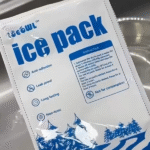
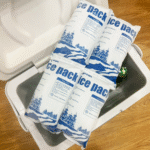
Kemasan yang dapat digunakan kembali dan dapat terurai secara hayati – Sustainable cold‑chain packaging includes recyclable insulated containers, pembungkus termal yang dapat terbiodegradasi dan kompres dingin yang dapat digunakan kembalifarmasi sekarang.live. Biocair warns that not every shipment can use reusable packaging because thermal performance must be maintained across routes and seasonsbiocair.com. Namun, by improving cargo safety and fleet efficiency, companies can reduce repeat deliveries and decrease emissionsbiocair.com.
-
Praktik ekonomi sirkular – Johnson & Johnson reuses packaging materials and recycles blister packs, botol dan jarum suntikfarmasi sekarang.live. Such initiatives not only lower waste but also resonate with environmentally conscious consumers.
-
Digital monitoring to reduce inventory and waste – Real‑time monitoring and analytics help companies right‑size inventories and avoid discarding expired drugspharmaadvancement.com.
Kiat keberlanjutan dan manfaat pengguna
-
Hitung jejak karbon Anda: Use online calculators or partner with a logistics provider that offers carbon‑tracking dashboards.
-
Pilih energi terbarukan: Jika tersedia, power cold rooms and warehouses with solar or wind energy.
-
Terapkan kemasan yang dapat digunakan kembali dengan cerdas: Kaji persyaratan panjang rute dan suhu sebelum memilih wadah yang dapat digunakan kembali.
-
Libatkan semua mitra: As Biocair’s sustainability leader notes, reaching ambitious targets is only possible when all supply‑chain stages collaborate and adopt new technologiesbiocair.com.
-
Mengoptimalkan pemanfaatan armada: Gabungkan pengiriman untuk mengurangi jarak tempuh yang kosong dan mengoordinasikan pengembalian untuk menggunakan kembali kemasan.
Contoh: When a pharmaceutical distributor switched to optimised routing and reusable containers for its insulin shipments, it reduced the number of repeat deliveries by 10 % and cut CO₂ emissions by an estimated 20 %. The change also improved customer satisfaction, demonstrating that sustainability can align with business efficiency.
How do regulations influence cold chain pharma logistics in 2025?
Compliance is non‑negotiable in pharmaceutical logistics. Regulators worldwide are tightening traceability and safety requirements, while pandemic‑related delays have extended some deadlines. Being proactive about compliance protects patients and prevents costly recalls or fines.
DSCSA and global traceability mandates
-
Undang-Undang Keamanan Rantai Pasokan Narkoba (DSCSA, Amerika Serikat) – Enacted in 2013, the DSCSA aims to create an electronic, interoperable system to trace prescription drugs at package level and prevent counterfeit medicinesmedpak.com. Setelah beberapa kali penundaan, new staggered deadlines take effect in 2025: produsen dan pengemas ulang harus mematuhi 27 Mungkin 2025, grosir oleh 27 Agustus 2025, dan dispenser besar oleh 27 November 2025medpak.com. Companies need electronic transaction histories, real‑time serialization and systems capable of transmitting data securelymedpak.com.
-
Petunjuk Obat Palsu UE (PMK) – All prescription medicines distributed within the EU require unique identifiers and anti‑tampering devices. Manufacturers must register serial numbers in central databases and pharmacies must verify products before dispensing.
-
WHO Model Guidance on Controlled‑Room Temperature – Updated in 2024, it defines Good Distribution Practices for products stored between 15 °C dan 25 °C to avoid unintentional degradation.
-
ICH Q12 dan Q13 – International harmonisation guidelines for post‑approval changes and Good Distribution Practices, driving unified global standards.
-
Pertimbangan UU Biosecure – US federal funding restrictions may limit partnerships with certain foreign biotechnology companiesbiocair.com. Companies should monitor evolving legislation and diversify suppliers accordingly.
Praktik Distribusi yang Baik (PDB) and compliance tips
GDP standards ensure that products are consistently stored, transported and handled under suitable conditions, preserving quality and integrity. Prinsip-prinsip utama meliputi:
-
Dokumentasi dan ketertelusuran: Maintain a complete chain of custody. Use digital platforms for real‑time transaction data and automated documentation.
-
Risk assessment and validation: Validasi kemasan, routes and equipment; perform risk assessments for temperature excursions.
-
Pelatihan dan audit: Provide regular training for staff and perform internal audits. Partner with GDP‑compliant specialists like Biocair to ensure global regulations are metbiocair.com.
-
Mempersiapkan audit DSCSA: Build or adopt systems capable of producing electronic transaction information, sejarah dan pernyataan berdasarkan permintaan.
-
Tetap mendapat informasi: Regulatory landscapes shift quickly. Berlangganan pembaruan dari FDA, EMA dan SIAPA.
What are the latest trends shaping cold chain pharma logistics in 2025 dan seterusnya?
Industry observers agree that the coming decade will bring unprecedented transformation. Digitalisasi, keberlanjutan dan ketahanan dominate forecastspharmaadvancement.com.
Tinjauan Tren
-
Transformasi digital: Smart data analytics, AI and IoT devices drive real‑time monitoring, predictive demand forecasting and dynamic routingpharmaadvancement.com. These technologies help businesses predict shortages or surpluses, model scenarios and optimise distribution networks.
-
Perencanaan tingkat lanjut dan manajemen risiko: AI‑based demand sensing models assess epidemiological trends, seasonality and policy changes to predict future demand accuratelypharmaadvancement.com. Companies adopt multi‑source purchasing and regional production centres to improve resilience.
-
Pergeseran menuju keberlanjutan: Regulators and consumers push companies to reduce emissions. Routes are optimised to minimise fuel use; fleets switch to electric or hybrid vehicles; biodegradable packaging and reusable containers become popularpharmaadvancement.com.
-
Teknologi yang muncul: Autonomous drones and vehicles are piloted for last‑mile deliverypharmaadvancement.com. Cryogenic containers with IoT sensors actively manage ultra‑low temperaturespharmaadvancement.com.
-
Cold‑chain optimisation: Highly engineered packaging uses phase‑change materials and built‑in data loggers to maintain temperature and record conditionspharmaadvancement.com. Networked digital systems give manufacturers, logistics providers and healthcare professionals shared visibilitypharmaadvancement.com.
-
Track‑and‑trace and data security: GPS combined with IoT sensors provide real‑time visibility and automated alertspharmaadvancement.com. Robotics handle warehouse operations, mengurangi kesalahan manusia. Seiring dengan meningkatnya ketergantungan terhadap digital, data security and privacy become critical concernspharmaadvancement.com.
-
Hyper‑personalised logistics: Patient‑specific temperature profiles and 3‑D printed biologics could eventually eliminate some cold‑chain requirements.
-
Konvergensi regulasi: Unified GDP standards under ICH Q13 and AI‑driven audit engines will simplify compliance across borders.
Kemajuan terbaru sekilas
-
Predictive shelf‑life AI reducing waste: Cuts waste by 28 % and helps prioritise shipments.
-
Freezer seluler otonom: Self‑driving units deliver 30 % of metro‑area deliveries.
-
Quantum computing optimisation: Finds optimal routes across 22,000 node dalam waktu kurang dari lima menit.
-
4D‑printed smart packaging: Regulates temperature using shape‑memory polymers.
-
Validasi kembar digital: Tests entire cold chains in virtual environments for compliance.
-
Cryogenic container advancements: IoT‑enabled dewars maintain –150 °C and incorporate real‑time tracking devices for cell and gene therapiesdatamintelligence.com.
-
Pertumbuhan pasar: The cold‑chain logistics market is projected to grow from KITA $18.61 miliar masuk 2024 ke AS $27.11 miliar oleh 2033 pada CAGR sebesar 4.3 %datamintelligence.com, with cryogenic logistics expected to hold 31.45 % dari pangsa pasar di 2024datamintelligence.com.
-
Kepemimpinan daerah: Amerika Utara, didorong oleh tingginya permintaan akan bahan biologis dan infrastruktur yang kuat, memegang 42.87 % dari pasar globaldatamintelligence.com.
Wawasan pasar
The cold‑chain revolution is fuelled by the explosive growth of biologics, yang account for around 30 % dari semua obatdatamintelligence.com. Rising chronic disease prevalence, expansion of personalised medicine and increased investment in cell and gene therapies contribute to demand. Sementara itu, IoT‑enabled solutions and automation are improving efficiency, reducing human error and lowering costsdatamintelligence.com. Namun, Kepatuhan Pengaturan, investasi infrastruktur dan kesenjangan regional masih menjadi tantangan.
Pertanyaan yang sering diajukan
What temperature do mRNA and gene‑therapy vaccines require?
mRNA vaccines often require storage around –70 °C during transport, while cell and gene therapies may need temperatures between –80 °C and –150 °C. These ultra‑cold conditions ensure that the fragile molecules remain intact until administration.
How can IoT sensors prevent temperature excursions in cold‑chain logistics?
Modern IoT sensors record temperature, kelembaban dan lokasi setiap 15 detik dengan akurasi ±0,1 °C. When sensors detect a deviation, they send real‑time alerts so logistics teams can intervene before products are compromised.
Why are DSCSA deadlines staggered in 2025?
The FDA granted additional time because supply‑chain stakeholders needed to address data accuracy and interoperability issuesmedpak.com. Deadlines now fall on 27 Mungkin 2025 untuk produsen, 27 Agustus 2025 for wholesalers and 27 November 2025 for dispensersmedpak.com.
Is reusable packaging always the best option?
Belum tentu. Biocair notes that reusable containers sometimes lack the thermal performance required for certain routes and climatesbiocair.com. Evaluate temperature range, shipment duration and seasonal variation before selecting reusable packaging.
What is a digital twin in cold‑chain logistics?
A digital twin is a virtual model of a physical supply chain. Companies like Novartis use digital twins to simulate disruptions and optimise operationsfarmasi sekarang.live. These tools enable proactive planning and help ensure compliance with GDP standards.
Ringkasan dan Rekomendasi
Cold chain pharma logistics underpins the delivery of vaccines, biologics and personalised therapies. It operates in a high‑stakes environment where temperature excursions cost billions and therapies demand ultra‑cold conditions. The global market is expanding as biologics risedatamintelligence.com, yet supply chains face talent shortages and structural vulnerabilities. Technology offers solutions: Sensor IoT, Ai, blockchain and digital twins enhance visibility and reduce waste. Sustainability initiatives such as solar‑powered storage and reusable packaging reduce carbon footprintsfarmasi sekarang.live. Regulatory compliance remains critical, dengan 2025 DSCSA deadlines and EU FMD mandates requiring robust traceabilitymedpak.com.
Langkah selanjutnya yang dapat ditindaklanjuti
-
Conduct a cold‑chain audit: Identify weak links in your supply chain, from packaging to transportation. Use digital twin simulations and IoT data to pinpoint risks.
-
Berinvestasilah dalam teknologi pintar: Implement real‑time sensors, AI‑powered route optimisation and blockchain traceability. These tools enhance reliability and simplify compliance audits.
-
Prepare for DSCSA compliance: Develop electronic transaction records and serialization capabilities before the May–November 2025 tenggat waktumedpak.com. Train staff on new procedures.
-
Mengadopsi praktik berkelanjutan: Optimalkan rute, consider renewable energy, and evaluate reusable or biodegradable packaging options. Engage partners across the supply chain to meet carbon reduction targets.
-
Bermitra dengan para ahli: Work with GDP‑compliant logistics providers to navigate complex regulations, diversify suppliers and design resilient networks.
Tentang tempk
Tempk has been at the forefront of cold chain innovation for years. We design and manufacture validated packaging, IoT monitoring solutions and integrated logistics services that ensure pharmaceuticals arrive at the right temperature, setiap saat. Our engineers constantly test new materials, such as phase‑change insulation, and our digital platforms provide real‑time visibility across your global shipments. As a certified GDP‑compliant partner, we stay up‑to‑date with regulatory changes and sustainability standards so you don’t have to.
Langkah selanjutnya
If you’re ready to strengthen your cold‑chain operations, hubungi pakar Tempk untuk konsultasi. We’ll help you audit your current processes, design compliant solutions and adopt technologies that protect both patients and the planet.