Perangkat Makanan Laut Rantai Dingin & Solusi: Menjaga Ikan Tetap Segar dan Aman 2026
Mempertahankan kualitas makanan laut di seluruh rantai pasokan yang panjang membutuhkan lebih dari sekedar es. Perangkat dan solusi makanan laut rantai dingin adalah peralatan dan proses khusus yang menjaga ikan pada suhu aman mulai dari panen hingga disajikan. Standar global mengharuskan ikan segar tetap berada di antara keduanya 0 °C dan 5 ° C. dan makanan laut beku di –18 °C atau lebih dingin. Kerangka peraturan seperti Undang-Undang Modernisasi Keamanan Pangan (FSMA) dan aturan kebersihan Uni Eropa memerlukan pemantauan dan penelusuran suhu secara terus-menerus. Dengan memahami perangkatnya, teknologi dan pembentukan praktik terbaik 2026, Anda dapat melindungi kualitas produk, mematuhi peraturan dan mengurangi limbah.
Artikel ini akan menjawab:
Perangkat dan solusi apa yang membentuk rantai dingin makanan laut? – Jelajahi ruangan dingin, pendingin ledakan, freezer, kotak terisolasi, sensor dan peralatan lainnya.
Bagaimana Anda membangun dan memelihara rantai dingin yang efektif? – Pelajari praktik langkah demi langkah untuk menerima, menakutkan, penyimpanan, kemasan, transportasi dan pemantauan.
Inovasi apa yang akan membentuk perangkat makanan laut rantai dingin 2026? – Temukan sensor IoT, Pengoptimalan rute AI, blockchain, unit bertenaga surya dan teknologi pendinginan super.
Peraturan apa yang berlaku dan bagaimana Anda tetap mematuhinya? – Memahami aturan FSMA, Persyaratan UE dan mandat ketertelusuran.
Apa saja tips praktis bagi konsumen dan usaha kecil? – Dapatkan saran tentang cara menyimpan makanan laut dengan aman di rumah, pengemasan untuk pengiriman dan mengurangi limbah.
Apa Itu Perangkat Makanan Laut Rantai Dingin & Solusi?
Perangkat dan solusi makanan laut rantai dingin lihat peralatannya, sistem pengemasan dan pemantauan yang digunakan untuk menjaga suhu rendah di seluruh rantai pasokan makanan laut. Ikan segar sangat mudah rusak; enzim dan bakteri memecah jaringan dengan cepat. Standar global mengharuskan ikan segar disimpan di antara 0 °C dan 5 ° C. sedangkan ikan beku harus tetap di –18 °C atau lebih dingin. Melebihi kisaran tersebut akan mempercepat pertumbuhan mikroba dan memperpendek umur simpan. Untuk mematuhi peraturan FSMA dan UE, kendaraan dan peralatan harus menjaga suhu yang aman, memastikan ketertelusuran dan menyediakan catatan suhu yang terdokumentasi.
Kisaran Suhu Inti dan Signifikansinya
Tabel di bawah ini merangkum zona suhu kritis untuk makanan laut dan pengaruhnya bagi Anda. Menjaga ikan dalam kisaran yang benar akan memperlambat pertumbuhan bakteri, mempertahankan tekstur dan mencegah pembentukan histamin.
| Kisaran suhu | Panggung & Contoh | Apa artinya ini bagi Anda |
| 0–5 °C (32–41 °F) | Ikan segar, fillet dingin, kerang | Memperlambat pertumbuhan bakteri dan mempertahankan tekstur; gunakan ruangan berpendingin atau es dan pantau terus menerus |
| ≤ –18 °C (≤ 0 ° f) | Fillet beku, blok ikan, jari ikan | Menghentikan aktivitas mikroba dan memperpanjang umur simpan; berinvestasilah pada freezer yang tervalidasi dan pastikan produk tidak pernah mencair selama pengangkutan |
| 41 ° f (5 ° C.) atau lebih rendah | Makanan berisiko tinggi (hidangan laut, daging, susu) | Bertemu AS. Persyaratan coldholding FDA; verifikasi unit penyimpanan dan kendaraan beroperasi di bawah 5 ° C. |
| 30–32 °F (–1 sampai 0 ° C.) | Penyimpanan yang disarankan untuk ikan segar (Lembar fakta Louisiana) | Mengoptimalkan kualitas dan tekstur; tentukan suhu ini ketika mengontrak pembawa dan kendaraan pra-pendinginan |
| –10 hingga –20 °F (–23 hingga –29 °C) | Makanan laut beku (transportasi jarak jauh) | Memberikan penyangga untuk perjalanan jauh; memastikan kendaraan dapat mempertahankan suhu sangat rendah |
Tetap berada dalam kisaran ini sangat penting karena bakteri menyukainya Salmonella Dan E. coli dapat menggandakan setiap 20 menit jika suhu naik ke “zona bahaya” 5–57 °C. Pembentukan histamin pada spesies seperti tuna atau mahimahi juga meningkat 5 ° C..
Perangkat dan Peralatan Penting
Membangun rantai dingin yang andal memerlukan kombinasi pendinginan mekanis, isolasi dan pemantauan. Tabel di bawah ini merangkum peralatan penting dan perannya:
| Perangkat | Tujuan | Dampak Praktis |
| Kamar dingin & pendingin ledakan | Dinginkan ikan dengan cepat hingga mendekatinya 0 °C dan pertahankan 0–5 °C selama pementasan | Diperlukan untuk rencana HACCP dan kepatuhan kebersihan UE; mencegah kerusakan enzimatik dan memperlambat bakteri |
| freezer & freezer ultra rendah | Pertahankan –18 °C (standar) atau –24 °C untuk penyimpanan jangka panjang | Penting untuk membekukan ikan berlemak; Peraturan UE mewajibkan pembekuan cepat hingga –18 °C |
| Truk berpendingin/kontainer reefer | Jaga kargo dalam kisaran suhu yang ditentukan selama pengangkutan | FSMA mengamanatkan sanitasi dan pengendalian suhu; mendinginkan kendaraan terlebih dahulu sebelum dimuat |
| Kotak terisolasi & panel terisolasi vakum (VIP) | Perubahan suhu yang lambat selama pengiriman lastmile | VIP mengurangi konduktivitas termal dan meningkatkan kapasitas muatan hingga 70 % |
| Mesin es & sistem es bubur | Menghasilkan es atau bubur yang dihancurkan untuk menghilangkan panas lapangan dengan cepat | Bubur es mendinginkan ikan lebih cepat dan tetap berada di dekatnya 0 ° C.; ideal untuk pendinginan cepat setelah panen |
| Sensor suhu & Data Loggers | Rekam dan simpan riwayat suhu; Perangkat IoT mengirimkan data waktu nyata | Diwajibkan oleh FSMA/EU; pilih perangkat bersertifikat dan kalibrasi secara teratur |
| Termometer genggam | Periksa suhu inti selama penerimaan dan penyimpanan | Pastikan pengiriman memenuhi ≤ 4.4 target °C; kalibrasi unit setidaknya setiap empat jam |
Contoh dunia nyata: Seorang eksportir salmon memasang sistem pencatatan suhu dan peringatan secara terus menerus untuk menjaga pengiriman tetap dalam batas waktu yang ditentukan 0–5 °C. Klaim kerusakan hilang 25 %.
Membangun dan Mempertahankan Rantai Dingin Makanan Laut yang Efektif
Menciptakan rantai dingin yang kuat dimulai jauh sebelum ikan mencapai gudang. Setiap tautan—menerima, pendinginan yang cepat, penyimpanan, kemasan, transportasi dan pemantauan—harus direncanakan dan dilaksanakan dengan benar. Di bawah ini adalah panduan langkah demi langkah yang dapat diubah menjadi markup skema HowTo.
Penerimaan dan Inspeksi
Menerima adalah titik kontrol pertama Anda. Selama pengiriman, pastikan truk tersebut bersih, didinginkan terlebih dahulu dan diisi dengan es atau cairan pendingin secukupnya. Gunakan a daftar periksa tiga poin: (1) pastikan muatan tiba dalam keadaan dingin; (2) pastikan media pendingin masih utuh; (3) memeriksa tekstur dan bau ikan. Banyak operasi yang menargetkan a suhu inti 4.4 ° C. (40 ° f) saat menerima. Jika ada kriteria yang gagal, mengisolasi pengiriman dan mendokumentasikan pengecualian untuk diskusi pemasok.
Pendinginan Cepat Setelah Panen
Segera setelah ikan meninggalkan air, menghilangkan panas lapangan dengan cepat untuk mencegah aktivitas enzimatik. Menggunakan es yang dihancurkan, bubur es atau air laut dingin; es bubur (dua bagian es menjadi satu bagian air) mendinginkan ikan paling cepat tetapi lebih mahal. Hindari penumpukan yang rapat untuk memungkinkan sirkulasi udara dingin dan sering-seringlah mengganti es yang mencair. Pantau suhu inti daripada pembacaan permukaan.
Penyimpanan Dekat Es yang Mencair
Bertujuan untuk stabilitas daripada suhu dingin yang ekstrim selama penyimpanan. Simpan ikan di 0–4 °C dalam kondisi mendekati pencairan es; hindari tepian yang terlalu dingin untuk mencegah hilangnya tetesan. Es bekerja paling baik jika menyentuh ikan dan air lelehan mengalir keluar; sisipan atau rak berlubang membantu mencapai hal ini. Kalibrasi termometer setiap minggu dan simpan produk mentah di bawah makanan siap saji untuk menghindari kontaminasi silang.
Pengemasan dan Isolasi
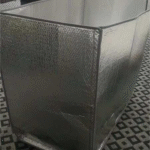
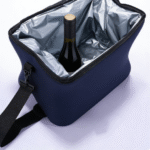
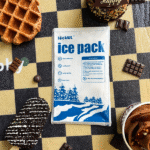
Pilih kemasan berdasarkan jenis produk, jarak dan moda transportasi. Lapisi makanan laut segar dengan es di dalamnya kotak yang diresapi lilin atau tas jinjing dengan lubang drainase; paket gel lebih baik untuk jarak jauh. Produk beku harus memiliki lapisan es dan dibungkus dengan polietilen. Bahan isolasi—kotak busa, pelapis foil/gelembung atau panel berisolasi vakum—membantu menjaga suhu. Pilih kemasan anti bocor untuk melindungi produk jika terjadi pencairan dan pertimbangkan bahan yang ramah lingkungan.
Mengangkut: Kendaraan Berpendingin dan Sirkulasi Udara
Sebelum memuat, memastikan bahwa sistem pendingin beroperasi dengan benar dan didinginkan terlebih dahulu hingga mencapai suhu pengangkutan. Matikan unit pendingin saat memuat untuk mencegah intrusi udara hangat. Kemas produk untuk memungkinkan sirkulasi udara—jangan menumpuk kotak rata dengan langit-langit atau dinding. Untuk makanan laut beku, bungkus wadah rapat-rapat tetapi sisakan a 9–12 inci ruang udara antara langit-langit dan muatan. Tentukan suhu penyimpanan dengan pembawa: 30–32 °F (–1 sampai 0 ° C.) untuk makanan laut segar dan –10 hingga –20 °F (–23 hingga –29 °C) untuk produk beku.
Sanitasi dan Penanganan
Jaga kebersihan kapal, area pemrosesan dan peralatan untuk menghindari kontaminasi. Bilas ikan dan pastikan kondisi sanitasi di kapal, peternakan dan fasilitas. Gunakan ruang terpisah untuk makanan laut mentah dan olahan dan ikuti Praktik Manufaktur yang Baik (GMP) Dan Prosedur Operasi Standar Sanitasi (SSOP).
Pemantauan Berkelanjutan dan Pencatatan
Lengkapi setiap pengiriman dengan pencatat suhu, Sensor IoT Dan Pelacak GPS. Pemantauan berkelanjutan memberikan peringatan real-time ketika suhu menyimpang dan membuktikan kepatuhan selama audit. Berdasarkan aturan transportasi sanitasi FSMA dan Peraturan UE 853/2004, operator harus mencatat dan memverifikasi suhu melalui instrumen yang dikalibrasi, menyimpan catatan setidaknya selama satu tahun. Gunakan perangkat yang disertifikasi dengan standar seperti DI DALAM 12830/13485/13486 dan putuskan apakah Anda memerlukan pencatatan data sederhana atau peringatan waktu nyata.
Inovasi dan Tren Perangkat Makanan Laut Rantai Dingin (2026)
Rantai pendingin makanan laut berkembang pesat. Di dalam 2025 pasar logistik rantai dingin global dinilai $436 miliar dan diproyeksikan untuk mencapai $1.36 triliun sebesar 2034, tumbuh di a 13.5 % tarif tahunan. Penyebab perubahan suhu 14 % makanan untuk merusak sebelum mencapai pengecer, mengarah ke a $400 miliar kerugian tahunan. Inovasi di bawah ini bertujuan untuk mengurangi kerugian tersebut dan memenuhi permintaan konsumen akan transparansi dan keberlanjutan.
IoT dan Pemantauan Waktu Nyata
Sensor yang terhubung kini menyediakan data suhu dan kelembapan secara terus menerus, mengirimkan peringatan ketika pelanggaran terjadi. Pemantauan prediktif yang digerakkan oleh AI mendeteksi kegagalan peralatan dan memprediksi perubahan suhu sebelum terjadi. Sensor dapat mengirimkan data kapan saja 1–5 menit melalui seluler, satelit, Jaringan BLE atau LoRaWAN. Menurut StartUs Insight, startup seperti segarX Dan peta x menawarkan platform untuk pemesanan instan pengiriman barang dengan suhu terkendali dan manajemen armada waktu nyata, memungkinkan pengirim untuk membandingkan operator, menjadwalkan penjemputan dan menerima peringatan ketika suhu menyimpang. Sensor BLE Naturelink mencatat suhu, kelembaban dan status pintu, memberikan peringatan suara selama kejadian yang tidak pantas.
Optimalisasi Rute Berbasis AI dan Pendinginan Listrik
Kecerdasan buatan mengoptimalkan rute pengiriman, mengurangi waktu transit dan penggunaan bahan bakar sekaligus meminimalkan perubahan suhu. Voltair.ai membangun platform pendingin transportasi listrik bertenaga AI yang menghemat biaya, emisi dan limbah energi untuk armada berpendingin. Sistemnya kompatibel dengan truk pembakaran internal dan truk listrik serta mengurangi biaya kepemilikan dibandingkan dengan unit reefer diesel. AI juga mendukung pemeliharaan prediktif dan memungkinkan armada beralih dari manajemen rantai dingin reaktif ke proaktif, mengurangi kerugian dengan 45–60 %.
Kemasan Berkelanjutan dan Solusi yang Dapat Digunakan Kembali
Permintaan konsumen akan kemasan ramah lingkungan mengubah perangkat rantai dingin. Bahan berkelanjutan seperti bantalan miselium jamur Dan stretch film berbahan dasar rumput laut mendapatkan daya tarik. Sistem yang dapat digunakan kembali mengurangi limbah sekali pakai dan mengurangi jejak karbon; 74 % orang Amerika lebih memilih format isi ulang jika tersedia. Paket Kering DS Smith kotak makanan laut adalah a wadah berbasis serat yang sepenuhnya dapat didaur ulang yang membuat ikan tetap di bawah 40 ° f (4.4 ° C.) untuk lebih 40 jam dan dapat dikirim rata, membutuhkan 81 % lebih sedikit ruang daripada wadah busa. Ini memiliki sertifikasi dari USDA, CFIA, FDA dan FBA serta membantu pengolah mengurangi biaya dan limbah rantai pasokan.
Solusi Bertenaga Surya dan OffGrid
Meningkatnya biaya energi dan tidak dapat diandalkannya pasokan listrik di daerah terpencil mendorong penerapan teknologi ini bertenaga surya penyimpanan dingin. Startup seperti Dingin sekali menyediakan freezer bertenaga surya menggunakan bahan perubahan fase (PCMS) bagi nelayan dan petani, menawarkan 200 Unit L dengan pemantauan IoT dan cadangan baterai. Disesuaikan kontainer pengiriman dapat diubah menjadi pintar, hub penyimpanan dingin bertenaga surya, mengurangi kerugian pascapanen dan meningkatkan pendapatan masyarakat pedesaan.
Tag Bebas Baterai dan IoT Ambien
Kemajuan terkini memungkinkan tag IoT sekitar untuk memanen energi dari gelombang radio, memungkinkan pemantauan suhu dan kelembapan berbiaya rendah tanpa baterai. Tag ini mengurangi pemeliharaan dan diharapkan menjadi arus utama seiring dengan digitalisasi rantai pasokan.
Blockchain dan Ketertelusuran Digital
Penipuan masih menjadi tantangan besar: A 2025 metaanalisis menemukan itu 39.1 % dari A.S.. sampel makanan laut diberi label yang salah dan 26.2 % melibatkan substitusi spesies. Blockchain menyediakan catatan anti kerusakan, memungkinkan pelacakan transparan dari tangkapan ke konsumen. Pasar perangkat lunak penelusuran makanan laut dapat dijangkau $1.84 miliar oleh 2033. Dikombinasikan dengan kode QR dan log digital, blockchain memungkinkan penarikan yang ditargetkan; satu pemroses menelusuri penyimpangan suhu ke batch tertentu dan menghindari penarikan seluruh pengiriman.
Penyimpanan Pendinginan Super dan Medan Listrik Berdenyut (DTP) Teknologi
Pembekuan tradisional merusak tekstur dan menyebabkan hilangnya tetesan. Pendinginan super mengawetkan ikan pada suhu di bawah titik beku tanpa membentuk kristal es, menjaga rasa, tekstur dan nutrisi utuh. A 2025–Proyek 2026 didanai oleh AS. Institut Pangan dan Pertanian Nasional bertujuan untuk mengembangkan a wadah penyimpanan supercooling portabel menggunakan medan listrik berdenyut (DTP) Dan medan magnet yang berosilasi (ya tuhan) Teknologi. Pendinginan super dapat mengurangi $25 miliar hilang setiap tahunnya karena pembusukan makanan laut dan menciptakan varian kontainer untuk truk, gudang dan toko ritel. Proyek ini akan merancang unit kontrol modular yang mampu menggerakkan medan elektromagnetik dan menguji faktor kesegaran ikan yang sangat dingin.
Cold RoomsasaLayanan dan Pintu Berkelanjutan
Startup menawarkan kamar dinginasalayanan solusi. Kutub Dingin membangun hemat energi, Ruang dingin berkemampuan IoT yang disesuaikan dengan kebutuhan klien, mengatasi biaya awal yang tinggi dan masalah teknis. Sementara itu, PINTU OPTIMA memproduksi tahan lama, pintu hemat energi yang terbuat dari bahan ramah lingkungan, menawarkan opsi geser dan berengsel untuk unit perikanan dan pengolahan daging.
Wawasan Pasar dan Konsumen
Pertumbuhan eksplosif pasar logistik rantai dingin didorong oleh vaksin ultracold, 15–Janji pengiriman bahan makanan 30 menit, FSMA 204 mandat ketertelusuran dan kebangkitan toko kelontong, yang menangkap 20 % dari A.S.. pendapatan bahan pangan. Konsumen menghargai transparansi dan keberlanjutan; kode QR interaktif dan kemasan cerdas memungkinkan pembeli memeriksa riwayat suhu dan informasi asal. Pasar pengirim palet yang dapat digunakan kembali diperkirakan akan tumbuh $4.97 miliar masuk 2025 ke $9.13 miliar oleh 2034, mencerminkan pergeseran ke arah logistik sirkular.
Kerangka Peraturan dan Kepatuhan
Beberapa peraturan mengatur rantai dingin makanan laut. Itu Analisis Bahaya dan Titik Kendali Kritis (Haccp) sistem ini membentuk fondasi keamanan makanan laut; hal ini memerlukan identifikasi bahaya, menetapkan titik kendali kritis dan menerapkan prosedur pemantauan. Praktik Manufaktur yang Baik (GMP) Dan Prosedur Operasi Standar Sanitasi (SSOP) memberikan aturan kebersihan rinci untuk fasilitas dan personel.
Persyaratan FSMA
Itu Undang-Undang Modernisasi Keamanan Pangan (FSMA) memperkenalkan aturan transportasi sanitasi yang mewajibkan kendaraan dan peralatan mampu menjaga suhu aman dan mencegah kontaminasi silang. FSMA 204—itu Aturan Penelusuran Pangan—mengharuskan bisnis makanan laut untuk menyimpan catatan dengan Elemen Data Utama (KDE) pada peristiwa pelacakan penting dan untuk memberikan informasi kepada FDA di dalamnya 24 jam. Awalnya ditetapkan untuk Januari 20 2026, kepatuhan telah diperluas ke Juli 20 2028. Importir harus memverifikasi bahwa pemasok asing memenuhi persyaratan AS. standar keselamatan di bawah Program Verifikasi Pemasok Asing (FSVP).
Peraturan UE dan Standar Internasional
Itu Peraturan Uni Eropa 852/2004 memerlukan pemeliharaan rantai dingin untuk makanan yang tidak aman pada suhu kamar. Peraturan 853/2004 menentukan penyimpanan di suhu leleh untuk ikan segar dan –18 °C atau lebih dingin untuk ikan beku. Peraturan pengendalian perikanan Uni Eropa mengamanatkan pelacakan kapal, pelaporan tangkapan elektronik dan penelusuran digital bertahap untuk makanan laut domestik dan impor. Standar seperti DI DALAM 12830/13485/13486 menentukan persyaratan untuk pencatat suhu yang digunakan dalam pengangkutan dan penyimpanan barang yang mudah rusak.
Ketertelusuran dan Kesalahan Pelabelan
Ketertelusuran mengurangi penipuan dan kesalahan pelabelan. A 2025 metaanalisis menemukan kesalahan pelabelan 39.1 % dari A.S.. sampel makanan laut. Mengambil data tangkapan (tanggal, waktu, jenis, lokasi dan cara penangkapan ikan) segera setelah panen, menugaskan pengidentifikasi unik (nomor batch atau kode QR) dan standarisasi format data (MISALNYA., standar GS1) meningkatkan ketertelusuran. Sistem digital memungkinkan penarikan yang ditargetkan—satu prosesor menggunakan kode QR dan log digital untuk melacak penyimpangan suhu ke batch tertentu dan menyimpan sisa pengiriman.
Alat pengambilan keputusan yang berguna
Periksa detailnya sebelum Anda memilih kemasan
Alat cepat ini dapat membantu Anda membandingkan risiko rute, kebutuhan ukuran, pilihan pendingin, dan detail kemasan sebelum Anda meminta penawaran.
Kalkulator Es Kering
Perkirakan kebutuhan es kering untuk pengiriman beku atau sangat dingin sebelum pengepakan.
Perkirakan es keringPendingin & Referensi PCM
Bandingkan opsi cairan pendingin dan PCM ketika suatu rute memerlukan dukungan suhu tambahan.
Bandingkan pilihanPelapis Kotak & Ukuran Penutup Palet
Centang kotak logika ukuran penutup palet dan liner untuk proyek pengemasan berinsulasi.
Perkiraan ukuranTips dan Solusi Praktis untuk Pengguna
Apakah Anda seorang pemasok makanan laut, pengecer atau juru masak rumah, mematuhi praktik terbaik rantai dingin mencegah pembusukan dan memastikan keamanan pangan.
Untuk Produsen dan Pengecer
Dinginkan semuanya terlebih dahulu: Pendinginan menjaga suhu; itu tidak mendinginkan produk hangat. Ikan yang sudah didinginkan sebelumnya, bubur es, kompartemen pengemasan dan truk.
Gunakan zat pendingin yang tepat: Es yang mencair merupakan alat yang efektif untuk mendinginkan ikan segar; pastikan jumlah es yang cukup dan wadah berinsulasi terpelihara 0 ° C..
Kalibrasi peralatan: Periksa termometer dan sensor setidaknya setiap empat jam. Perangkat yang dikalibrasi memastikan pencatatan audit yang akurat.
Dokumentasikan semuanya: Pertahankan log suhu digital, data pembersihan dan ketertelusuran. Otomatisasi mengurangi kesalahan dan menyederhanakan persiapan audit.
Pisahkan bagian segar dan beku: Jaga agar produk beku tetap terisolasi sehingga membuka pintu untuk ikan segar tidak menaikkan suhunya.
Untuk Konsumen dan Usaha Kecil
Beli makanan laut terakhir dan jaga agar tetap dingin: Pindahkan makanan laut ke tempat yang lebih dingin dan kubur ikan di dalam es atau lumpur es agar tetap dingin.
Simpan makanan laut di bagian terdingin lemari es Anda pada suhu yang mendekati 32 ° f (0 ° C.) mungkin. Tempatkan ikan segar di atas es, disegel dalam kantong atau wadah plastik.
Bekukan dengan benar: Bungkus ikan dengan rapat dalam kantong kedap air atau bungkus plastik dan aluminium foil sebelum dibekukan.
Menjaga kebersihan: Jaga tangan, area kerja dan peralatan bersih dan hindari kontaminasi silang.
Perkembangan Terkini dan Tren Pasar (2026)
Ikhtisar Tren
Rantai dingin makanan laut dipengaruhi oleh teknologi, tren peraturan dan konsumen. Pasar makanan laut beku global diperkirakan akan tumbuh $24.78 miliar masuk 2025 ke $42.58 miliar oleh 2034. Perkembangan utama meliputi:
IoT dan pemantauan prediktif: Sensor yang terhubung dan AI mengurangi perubahan suhu dan kegagalan peralatan.
Blockchain dan ketertelusuran digital: Catatan anti rusak memungkinkan transparansi dan penarikan yang ditargetkan.
IoT ambien dan sensor bebas baterai: Tag berdaya rendah mengumpulkan energi dari gelombang radio untuk pemantauan yang hemat biaya.
Pendinginan bertenaga surya: Unit penyimpanan dingin bertenaga surya mengurangi ketergantungan pada bahan bakar fosil dan mendukung komunitas di luar jaringan listrik.
Kemasan berkelanjutan: Kotak yang dapat didaur ulang seperti DryPack DS Smith menggantikan busa polistiren, mengurangi limbah dan menjaga kualitas ikan.
Pengoptimalan rute AI: Sistem bertenaga AI mengoptimalkan rute dan mengurangi penggunaan bahan bakar.
Teknologi pendinginan super dan PEF: Wadah pendingin super portabel mengawetkan ikan tanpa kristal es dan dapat mengurangi pembusukan secara signifikan.
Kemajuan terbaru sekilas
Startup yang sedang berkembang: Platform seperti FreshX, peta x, VOX Keren, Kutub Dingin, PINTU OPTIMA dan Voltair.ai memperkenalkan pemesanan instan, manajemen armada waktu nyata, Teknologi Baterai Dingin, kamar dinginasalayanan, pintu ramah lingkungan dan pendingin bertenaga AI【459043413551136†L260-L432】.
Titik-titik pasar: StartUs Insights mengidentifikasi Eropa Barat dan Amerika Serikat sebagai wilayah dengan aktivitas startup tertinggi dalam manajemen rantai dingin, dengan London, Dubai, Singapura, New York dan Mumbai menjadi hub utama.
FSMA yang diperluas 204 garis waktu: FDA mengusulkan untuk memperpanjang tanggal kepatuhan Aturan Penelusuran Makanan menjadi Juli 20 2028, memberi bisnis lebih banyak waktu untuk menerapkan ketertelusuran digital.
Pengirim palet yang dapat digunakan kembali: Pasar untuk pengirim palet yang dapat digunakan kembali diperkirakan akan tumbuh $4.97 miliar masuk 2025 ke $9.13 miliar oleh 2034, mencerminkan pergeseran ke arah logistik sirkular.
Harapan konsumen: Survei menunjukkan hal itu 74 % orang Amerika lebih memilih format isi ulang, mendorong perusahaan untuk mengadopsi kemasan berkelanjutan.
Pertanyaan yang sering diajukan
Q1: Mengapa makanan laut harus disimpan di antara keduanya 0 °C dan 5 ° C.? Menyimpan makanan laut di dekat es yang mencair akan memperlambat aktivitas bakteri dan enzimatik serta mencegah pembentukan histamin. Suhu di atas 5 °C memungkinkan bakteri seperti Salmonella dan E. coli menjadi dua kali lipat setiap 20 menit dan secara dramatis memperpendek umur simpan.
Q2: Kemasan apa yang paling cocok untuk pengiriman makanan laut? Ikan segar harus dilapisi es dalam waktu yang kuat, kotak atau tas jinjing yang diresapi lilin dengan lubang drainase; paket gel ideal untuk jarak jauh. Kotak busa, pelapis foil dan panel berisolasi vakum menjaga suhu, sedangkan kemasan anti bocor melindungi produk selama pencairan.
Q3: Bagaimana pemantauan berkelanjutan membantu kepatuhan? Pencatat suhu dan sensor IoT mencatat suhu udara dan produk, memberikan bukti untuk peraturan FSMA dan UE. Peringatan waktu nyata memungkinkan operator memperbaiki perjalanan dengan cepat dan mendokumentasikan kondisi untuk audit.
Q4: Apa itu pengendalian histamin dan mengapa itu penting? Histamin adalah racun yang dihasilkan ketika ikan seperti tuna atau mahimahi disimpan pada suhu tinggi. Mempertahankan waktu dan suhu yang tepat dan memastikan pendinginan segera mencegah pembentukan histamin.
Q5: Apakah opsi pengemasan berkelanjutan efektif untuk makanan laut rantai dingin?? Ya. Kotak berbahan dasar serat yang dapat didaur ulang Paket Kering simpan ikan di bawah 40 °F selama lebih dari 40 jam dan dikirim rata, memotong ruang penyimpanan sebesar 81 % sambil mengganti busa EPS yang tidak dapat didaur ulang.
Ringkasan dan Rekomendasi
Menjaga kualitas makanan laut di 2026 memerlukan perangkat dan solusi makanan laut rantai dingin yang menjaga ikan dalam kisaran suhu yang ketat, memastikan ketertelusuran dan memanfaatkan teknologi inovatif. Poin-poin penting yang dapat diambil meliputi: (1) ikan segar harus tetap berada di antara keduanya 0 °C dan 5 ° C., sedangkan ikan beku harus tetap di –18 °C atau lebih dingin; (2) perangkat penting termasuk ruangan dingin, freezer, kotak terisolasi, sistem es bubur dan sensor IoT; (3) inovasi seperti pengoptimalan rute AI, blockchain, pendinginan super dan pendinginan bertenaga surya mengubah rantai dingin; (4) Peraturan FSMA dan UE mewajibkan pengendalian suhu dan penelusuran digital; Dan (5) pengemasan berkelanjutan dan tag IoT ambien mengurangi limbah dan jejak karbon.
Langkah yang dapat ditindaklanjuti
Nilai peralatan Anda: Audit perangkat rantai dingin Anda saat ini dan identifikasi kesenjangannya. Berinvestasilah pada pencatat suhu bersertifikat, Sensor IoT dan freezer yang tervalidasi.
Menerapkan ketertelusuran digital: Gunakan kode QR atau tag RFID untuk menangkap data tangkapan dan melacak batch. Gunakan perangkat lunak yang mendukung blockchain untuk mencegah kesalahan pelabelan dan memungkinkan penarikan yang ditargetkan.
Latih tim Anda: Mengembangkan prosedur operasi standar untuk penerimaan, pendinginan yang cepat, pengemasan dan transportasi. Memberikan pelatihan tentang kepatuhan FSMA/EU dan pemantauan suhu.
Jelajahi inovasi: Uji pengoptimalan rute yang digerakkan oleh AI dan unit bertenaga surya untuk mengurangi biaya dan emisi. Pertimbangkan teknologi pendinginan super untuk makanan laut bernilai tinggi.
Merangkul keberlanjutan: Transisi dari kotak busa polistiren ke kemasan yang dapat didaur ulang atau digunakan kembali. Berinteraksi dengan pemasok yang menawarkan bahan ramah lingkungan dan pengirim palet yang dapat digunakan kembali.
Tentang Tempk
Tempk adalah spesialis dalam pengemasan dengan pengatur suhu dan solusi rantai dingin. Kami merancang dan memproduksi kotak terisolasi, Gel Ice Packs, penutup palet termal dan panel berinsulasi vakum untuk menjaga barang yang mudah rusak tetap aman. R&D center terus berinovasi dengan produk ramah lingkungan yang dapat digunakan kembali dan didaur ulang. Kami juga memberikan panduan tentang kepatuhan FSMA dan UE, membantu klien menavigasi peraturan dan menerapkan sistem penelusuran digital. Dengan memilih Tempk, Anda mendapatkan akses ke kinerja tinggi Kemasan rantai dingin yang menyeimbangkan keberlanjutan, efisiensi dan biaya.
Hubungi kami
Siap untuk meningkatkan rantai dingin Anda? Hubungi pakar kami untuk penilaian yang dipersonalisasi, atau jelajahi rangkaian kotak berinsulasi kami, paket gel dan perangkat pemantauan waktu nyata. Mari kita bekerja sama untuk menjaga kesegaran, memastikan kepatuhan dan mengurangi pemborosan.