Apa Itu Kontrol Suhu Rantai Dingin dan Mengapa Penting?
Kontrol suhu rantai dingin mengacu pada mempertahankan kisaran suhu tertentu selama penanganan, penyimpanan dan pengangkutan barang yang sensitif terhadap suhu. Berbeda dengan logistik ambien, sistem rantai dingin harus menjaga kondisi yang tepat di seluruh manufaktur, pergudangan, transportasi dan pengiriman last mile. Zona suhu yang umum meliputi suhu ruangan terkontrol (20–25 °C), rentang berpendingin (0–8 ° C.), rentang beku (–20 °C) Dan suhu sangat rendah (–60 °C hingga –150 °C) untuk biologi dan terapi sel.
Mengapa Kontrol Suhu Penting
Menjaga produk dalam kisaran suhu yang disyaratkan akan mencegah pembusukan, hilangnya potensi dan pelanggaran peraturan. Di dalam 2025, kegagalan rantai dingin tetap memakan biaya:
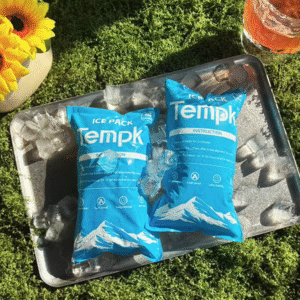
Kehilangan makanan: AS. Departemen Pertanian memperkirakan hingga sepertiga makanan terbuang sia-sia di Amerika Serikat.
Limbah farmasi: Perubahan suhu sekecil apa pun dapat membuat vaksin tidak valid; beberapa obat biologis kehilangan potensinya setelah satu jam berada di luar ruangan +8 ° C., menyebabkan penarikan kembali yang mahal.
Dampak ekonomi: Kerugian global akibat rantai dingin mengakibatkan terbuangnya barang senilai miliaran dolar setiap tahunnya. Program perdagangan internasional seperti Program Ekspor Susu Inggris menekankan nilai ekspor USD 2.47 miliar setiap tahun, menggarisbawahi nilai menjaga barang-barang yang mudah rusak.
Dengan peraturan yang lebih ketat dan melonjaknya permintaan terhadap barang-barang yang mudah rusak, pengendalian suhu telah menjadi keharusan strategis dan bukan fungsi khusus.
Bagaimana Cara Kerja Sistem Kontrol Suhu?
Sistem rantai dingin yang kuat menggabungkan perangkat keras, perangkat lunak dan proses untuk memantau dan menjaga integritas suhu dari asal hingga tujuan. Komponen utamanya meliputi:
| Komponen | Tujuan | Contoh Teknologi | Apa artinya bagimu |
| Peralatan pendingin | Menyediakan pendinginan untuk penyimpanan dan transportasi. Termasuk kompresor, kondensor dan evaporator. | milik Copeland Kompresor gulir ZB dan CF menawarkan efisiensi tinggi dan menangani zat pendingin GWP rendah. | Peningkatan ke kompresor modern dapat menghasilkan hingga 8 % kapasitas lebih tinggi dan efisiensi energi lebih baik. |
| Sensor suhu & Data Loggers | Catat suhu dan kelembapan dari waktu ke waktu. Pencatat data menyediakan catatan sejarah; Sensor IoT mengaktifkan peringatan waktu nyata. | Pelacak GO dan logger nirkabel memantau suhu, lokasi dan kelembapan serta mengkonsolidasikan data di portal cloud. | Peringatan waktu nyata membantu Anda melakukan intervensi sebelum pembusukan terjadi. |
| Kemasan cerdas | Melindungi barang selama pengangkutan dan mengisolasi terhadap suhu sekitar. | Panel terisolasi vakum (VIP), bahan pengubah fase dan paket gel mempertahankan suhu yang disetel tanpa daya terus menerus. | Mengurangi ketergantungan pada pendinginan mekanis selama transit. |
| Platform pemantauan | Konsolidasikan data sensor, menyediakan dasbor dan menghasilkan laporan kepatuhan. | Portal cloud yang terintegrasi dengan AI menghadirkan pemeliharaan prediktif dan dokumentasi otomatis. | Menyederhanakan kepatuhan terhadap HACCP dan PDB dan menyediakan laporan siap audit. |
| Sistem tenaga | Menyediakan energi untuk peralatan pendingin; penting untuk unit jarak jauh atau bergerak. | Tenaga surya dan penyimpanan baterai mengurangi ketergantungan pada listrik jaringan. | Menurunkan biaya pengoperasian dan memastikan ketahanan selama pemadaman. |
Tips dan nasihat praktis
Pilih sensor berdasarkan kebutuhan data Anda: Pencatat data terjangkau untuk audit historis, sementara sensor IoT menawarkan peringatan waktu nyata. Dalam pengiriman bernilai tinggi, menggabungkan keduanya untuk menyeimbangkan biaya dan cakupan.
Petakan zona suhu Anda: Identifikasi tahapan mana yang memerlukan pendinginan, kondisi beku atau sangat dingin. Gunakan truk dan gudang multi-zona untuk menghindari pendinginan berlebihan.
Investasikan pada kompresor modern: Ganti unit pendingin usang dengan efisiensi tinggi, kompresor GWP rendah seperti seri ZB dan CF Copeland untuk meningkatkan kapasitas dan menurunkan emisi.
Contoh kasus: Di fasilitas penyimpanan dingin seluas 268.000 kaki persegi di Maryland, operator memasang panel surya yang memproduksi lebih 2.5 juta kWh energi terbarukan setiap tahunnya. Proyek ini mengurangi ketergantungan jaringan listrik dan memangkas biaya energi sekaligus mempertahankan suhu freezer yang konsisten.
Teknologi Canggih yang Membentuk Kontrol Suhu di 2025
Optimasi Rute Bertenaga AI
Kecerdasan buatan sedang mengubah logistik dengan menganalisis pola lalu lintas, kondisi cuaca dan jendela pengiriman untuk menyesuaikan rute secara real time. Pengoptimalan rute yang didukung AI meningkatkan efisiensi, mengurangi konsumsi bahan bakar dan meningkatkan keandalan pengiriman. Dikombinasikan dengan sensor IoT, Algoritme AI mendeteksi potensi perubahan suhu dan merekomendasikan tindakan perbaikan sebelum barang rusak.
Blockchain untuk Peningkatan Ketertelusuran
Blockchain menciptakan catatan yang tidak dapat diubah perjalanan produk, memberikan visibilitas ujung ke ujung dan mencegah gangguan data. Dengan menyimpan pembacaan suhu dan data lokasi pada buku besar yang didistribusikan, blockchain memastikan transparansi, kepatuhan terhadap peraturan keamanan pangan dan kepercayaan konsumen.
Pemantauan yang Diaktifkan IoT & Analisis Prediktif
Sensor IoT terus melacak suhu, kelembaban, guncangan dan kejadian pintu di seluruh truk dan gudang. Data real-time memungkinkan tindakan perbaikan segera ketika terjadi penyimpangan, sementara analitik prediktif menggunakan pola historis untuk mengantisipasi kegagalan peralatan dan mengarahkan risiko.
Refrigeran GWP Rendah & Inovasi Pendinginan
Peraturan menghapuskan potensi pemanasan global yang tinggi secara bertahap (GWP) pendingin. Sistem modern mengadopsi Co₂ (R 744), propana (R 290) dan refrigeran A2L baru untuk mengurangi dampak lingkungan. Kompresor seri CF Copeland mendukung zat pendingin A2L dan A3, memberikan kapasitas tinggi dengan pengurangan emisi. Kompresor sentrifugal bebas minyak menghilangkan minyak pelumas, meningkatkan efisiensi lebih lanjut.
Ruang Dingin Bertenaga Surya & Energi terbarukan
Intensitas energi merupakan tantangan besar—pendinginan dapat menjadi penyebabnya hingga 70 % dari total penggunaan energi dalam fasilitas penyimpanan dingin. Kamar dingin bertenaga surya dengan gulir teknologi inverter menyediakan energi terbarukan di daerah terpencil, memastikan pendinginan yang konsisten sekaligus mengurangi biaya energi. Sistem penyimpanan baterai memperlancar fluktuasi dan menyediakan cadangan selama periode permintaan puncak.
Kontainer Pengiriman Cerdas & Kemasan Berkelanjutan
Ringan, kontainer pengiriman terisolasi yang dilengkapi dengan sensor IoT melacak suhu, kelembaban dan lokasi secara real time. Solusi pengemasan berkelanjutan menggunakan bahan-bahan yang dapat didaur ulang untuk meminimalkan dampak lingkungan sekaligus menjaga isolasi. Bahan pengubah fase dan monitor es kering menjaga kondisi sangat dingin (–80 °C hingga –150 °C) untuk biologi dan terapi sel.
Meja: Membandingkan Teknologi Kontrol Suhu
| Teknologi | Manfaat Utama | Keterbatasan | Penggunaan Dunia Nyata |
| Sensor IoT & dasbor cloud | Pemantauan waktu nyata terus menerus; analitik prediktif; peringatan otomatis | Ketergantungan pada konektivitas jaringan; masalah keamanan data | Pengiriman bernilai tinggi dan logistik lintas batas |
| Blockchain | Catatan suhu dan lokasi yang tidak dapat diubah; meningkatkan ketertelusuran | Membutuhkan adopsi pemangku kepentingan; biaya transaksi | Obat-obatan membutuhkan kepatuhan yang ketat |
| Kamar dingin bertenaga surya | Mengurangi biaya energi; memberikan pendinginan di daerah terpencil | Investasi awal yang tinggi; bergantung pada sinar matahari | Pertanian atau klinik di pedesaan dengan jaringan listrik yang tidak dapat diandalkan |
| Sistem pendingin GWP rendah | Menurunkan emisi rumah kaca; bukti masa depan terhadap peraturan | Mungkin memerlukan penggantian peralatan; ketersediaan terbatas di beberapa wilayah | Gudang baru dan retrofit |
| Wadah pintar & kemasan berkelanjutan | Menyediakan data waktu nyata dan mengurangi limbah kemasan | Biaya yang lebih tinggi; mungkin memerlukan penanganan khusus | Pengiriman obat-obatan atau makanan laut internasional |
Tip Seleksi
Evaluasi dampak lingkungan: Pilih bahan pendingin dengan GWP rendah dan kemasan berkelanjutan untuk memenuhi sasaran ESG perusahaan.
Gunakan pemantauan hibrid: Gabungkan pencatat data dengan sensor IoT untuk menyeimbangkan biaya dan visibilitas waktu nyata.
Carilah integrasi AI: Pemeliharaan prediktif mengurangi waktu henti yang tidak direncanakan dan memperpanjang umur peralatan.
Prioritaskan keamanan data: Gunakan enkripsi, kontrol akses dan pembaruan rutin untuk melindungi data suhu dan lokasi sensitif.
Menavigasi Persyaratan Peraturan
Kontrol suhu diatur oleh tambal sulam internasional, peraturan khusus regional dan industri. Memahami kerangka kerja ini sangat penting untuk kepatuhan dan akses pasar.
Internasional & Peraturan Daerah
HACCP dan Peraturan Keamanan Pangan: Peraturan UE EC 852/2004 mengamanatkan tugas kebersihan dan prosedur berbasis HACCP. Komisi Eropa 2022 panduan tentang Sistem Manajemen Keamanan Pangan (FSMS) menanamkan budaya keamanan pangan dan menyelaraskan implementasinya.
Praktek Distribusi yang Baik (PDB): Pedoman PDB UE mewajibkan pengendalian suhu berbasis risiko, perencanaan rute untuk meminimalkan risiko termal, dan perangkat pemantauan yang dikalibrasi dengan catatan yang aman. Pengiriman obat-obatan harus menunjukkan pengendalian suhu yang berkelanjutan dan menyediakan dokumentasi untuk audit.
Perjanjian ATP: Kerangka kerja UNECE ATP menetapkan kelas kinerja untuk peralatan jalan berinsulasi dan berpendingin, menentukan kinerja termal untuk rute multi-perhentian dan pergerakan lintas batas.
Energi & Arahan Keberlanjutan: Peraturan gas F UE (UE 2024/573) mempercepat penurunan fase refrigeran GWP tinggi, mendorong penyimpanan dingin menuju CO₂ dan hidrokarbon. Petunjuk Kinerja Energi Bangunan mensyaratkan “bangunan tanpa emisi” dan kesiapan tenaga surya untuk gudang baru, sedangkan Petunjuk Efisiensi Energi menyematkan prinsip “efisiensi energi yang utama”..
CSRD & Pelaporan ESG: Petunjuk Pelaporan Keberlanjutan Perusahaan (CSRD) menuntut granular, data energi dan iklim yang diaudit dari operasi logistik, dimulai dengan perusahaan-perusahaan besar yang terdaftar.
Praktik Terbaik Kepatuhan
Validasi peralatan: Lakukan instalasi (IQ), operasional (oke) dan kinerja (PQ) kualifikasi untuk semua peralatan yang dikontrol suhu.
Pemetaan suhu: Melakukan studi pemetaan untuk mengidentifikasi titik panas dan dingin di ruangan dingin, freezer dan truk.
Dokumentasikan semuanya: Menyimpan catatan pemantauan terus menerus, investigasi penyimpangan dan tindakan perbaikan.
Mitra yang memenuhi syarat: Audit penyedia logistik dan vendor pengemasan untuk memastikan mereka memenuhi persyaratan kontrol suhu dan memiliki rencana darurat.
Staf kereta: Mengembangkan SOP dan melatih personel tentang pengendalian suhu, protokol pemantauan dan prosedur darurat.
Nasihat praktis
Gunakan dasbor cloud untuk menghasilkan laporan siap audit dan berbagi catatan suhu dengan regulator dan klien.
Rencanakan redundansi: Menyebarkan generator cadangan, unit pendingin sekunder dan rencana pemulihan bencana untuk menjaga suhu selama pemadaman.
Tetap diperbarui: Memantau peraturan yang berkembang, termasuk transisi zat pendingin GWP rendah dan mandat kinerja energi.
Keberlanjutan & Strategi Efisiensi Energi
Energi menyumbang bagian terbesar dari biaya operasional penyimpanan dingin. Pendinginan menghabiskan hingga 70 % dari total penggunaan energi, dan fasilitas yang dapat digunakan sekitar 25 kWh per kaki persegi per tahun untuk pendinginan. Dengan meningkatnya biaya energi, operator mengadopsi strategi untuk mengurangi konsumsi dan emisi.
Energi terbarukan & Integrasi Surya
Memasang panel surya mengurangi ketergantungan pada jaringan listrik dan memberikan biaya energi yang dapat diprediksi. Di Proyek Tenaga Surya Penyimpanan Dingin Jessup, fasilitas seluas 268.000 kaki persegi menghasilkan lebih dari 2.5 juta kWh energi terbarukan setiap tahun. Penyimpanan tenaga surya plus baterai memungkinkan fasilitas untuk mengelola permintaan puncak dan berpartisipasi dalam program respons permintaan, mendapatkan insentif hingga $100 per kW setiap tahunnya.
Pendinginan Efisiensi Tinggi & Teknologi Inverter
Kompresor modern menggunakan teknologi inverter untuk mengatur keluaran berdasarkan beban, meningkatkan efisiensi energi musiman. Teknologi inverter gulir Copeland menawarkan hingga 8 % keunggulan kapasitas dan terintegrasi dengan tenaga surya untuk ruangan dingin terpencil.
Kontrol Suhu Terzonasi & Desain Fasilitas Cerdas
Zonasi memastikan hanya area yang membutuhkan pendinginan saja yang diberi pendingin, mengurangi pemborosan energi. Sistem HVAC efisiensi tinggi, slotting yang dioptimalkan dan pengurangan waktu tunggu di gudang mengurangi konsumsi energi. Sistem manajemen gedung pintar secara otomatis menyesuaikan aliran udara, penerangan dan pendinginan berdasarkan kondisi waktu nyata.
Kemasan Berkelanjutan & Bahan yang dapat didaur ulang
Pengemasan berkelanjutan tidak hanya melindungi barang tetapi juga mengurangi dampak terhadap lingkungan. Produsen mengadopsi wadah berinsulasi yang dapat didaur ulang, pembungkus termal biodegradable dan palet yang dapat digunakan kembali untuk meminimalkan limbah. Beberapa perusahaan bereksperimen dengan menaikkan suhu freezer standar dari –18 °C menjadi –15 °C untuk mengurangi konsumsi energi tanpa mengorbankan keamanan pangan.
Saran untuk Efisiensi Energi
Melakukan audit energi: Identifikasi inefisiensi dan prioritaskan peningkatan.
Retrofit peralatan lama: Ganti unit pendingin lama dengan GWP rendah, model efisiensi tinggi.
Memanfaatkan insentif: Jelajahi insentif negara bagian atau regional untuk energi terbarukan dan peningkatan efisiensi energi.
Ukuran & laporan: Gunakan metrik keberlanjutan untuk melacak kemajuan dan memenuhi persyaratan pelaporan CSRD dan ESG.
Tren pasar & Proyeksi Pertumbuhan
Sektor rantai dingin berkembang pesat di berbagai segmen:
Pasar logistik rantai dingin: Dinilai di USD 341 miliar masuk 2024, diperkirakan akan tercapai USD 1.19 triliun sebesar 2034 (CAGR 15.3 %).
Pasar pemantauan rantai dingin: Diperkirakan pada USD 45.19 miliar masuk 2025, diproyeksikan untuk dicapai USD 266.66 miliar oleh 2034 (CAGR 21.88 %). Komponen perangkat keras bertanggung jawab 79 % pendapatan, sementara perangkat lunak berkembang 23.72 %.
Pasar rantai dingin makanan: Diharapkan demikian USD 65.8 miliar masuk 2025 dan mencapai USD 205.3 miliar oleh 2032 (CAGR 17.5 %). Jumlah makanan beku lebih dari itu 59.7 % volume rantai dingin makanan, menekankan perlunya kontrol suhu rendah.
Operasi intensif energi: Fasilitas rantai dingin menggunakan energi sekitar 4–5 kali lebih banyak dibandingkan bangunan komersial standar, dengan pendinginan mewakili hingga 70 % penggunaan energi. Operator berinvestasi besar-besaran pada energi terbarukan, penyimpanan baterai dan efisiensi energi agar tetap kompetitif.
Penggerak Pasar
perdagangan elektronik & toko kelontong online: Pasar logistik e-commerce tercapai USD 426.2 miliar masuk 2023, tumbuh lebih dari 14 % setiap tahun. Penjualan bahan makanan online meningkat sebesar 14.2 %, mendorong permintaan rantai dingin jarak jauh.
Perdagangan global & ekspor: Perdagangan internasional barang-barang yang mudah rusak semakin meluas; itu Ekspor makanan panggang Amerika mencapai USD 4.21 miliar masuk 2022, naik dari USD 3.73 miliar masuk 2021. Program pemerintah Inggris mendukung ekspor susu senilai lebih dari USD 2.47 miliar.
Urbanisasi & pertumbuhan QSR: Urbanisasi yang pesat dan munculnya Restoran Layanan Cepat (QSR) mempercepat permintaan rantai dingin di pasar seperti India, dimana rata-rata konsumsi susu harian 427 g per kapita, jauh di atas rata-rata global. Sektor QSR India diperkirakan akan tumbuh 20–25 % pada tahun fiskal 2024.
Tekanan regulasi: Undang-undang keamanan pangan dan persyaratan PDB yang lebih ketat memaksa dunia usaha untuk menerapkan solusi pemantauan dan penelusuran secara real-time.
Pemain Kunci & Inovasi
Perusahaan rantai dingin besar seperti Americold Logistics, Logistik Silsilah, Nichirei, Burris Logistics dan A.P. Moller Maersk berinvestasi dalam pemantauan digital, energi terbarukan dan kendaraan rendah emisi. Penyedia teknologi seperti Copeland meluncurkan kompresor dengan diagnostik AI, aplikasi seluler dan zat pendingin GWP rendah untuk mendorong efisiensi.
Tantangan & Solusi dalam Kontrol Suhu
Tantangan
Biaya energi yang tinggi: Fasilitas penyimpanan dingin mengkonsumsi listrik 4–5 kali lebih banyak dibandingkan bangunan standar. Volatilitas energi menghadapkan operator pada risiko biaya yang signifikan.
Kesenjangan infrastruktur: Daerah-daerah terpencil sering kali kekurangan listrik atau infrastruktur jalan yang dapat diandalkan, menyebabkan 25 % perjalanan suhu selama pengiriman mil terakhir.
Biaya implementasi: Sistem pemantauan IoT yang komprehensif memerlukan biaya lebih dari USD 50,000 per pusat distribusi. Usaha kecil mungkin kesulitan untuk membenarkan investasi tersebut.
Kompleksitas peraturan: Standar yang terfragmentasi di seluruh wilayah meningkatkan biaya kepatuhan sebesar 15–20 %.
Keamanan data: Perangkat IoT dan platform cloud menimbulkan risiko keamanan siber jika tidak diamankan dengan benar.
Solusi
Strategi pemantauan hibrida: Gunakan kombinasi pencatat data dan sensor IoT untuk mengontrol biaya sekaligus menangkap data waktu nyata.
Komputasi tepi: Memproses data secara lokal di perangkat untuk memicu peringatan di area dengan konektivitas buruk.
Pemeliharaan prediktif: Gunakan AI untuk memperkirakan kegagalan peralatan dan menjadwalkan pemeliharaan secara proaktif.
Penyimpanan dingin modular: Terapkan portabel, ruang dingin bertenaga surya dengan refrigeran GWP rendah untuk melayani daerah terpencil.
Pelatihan & manajemen perubahan: Memberikan pelatihan staf tentang menafsirkan dasbor, menanggapi peringatan dan memelihara peralatan.
Contoh dunia nyata: Sebuah koperasi susu skala menengah memasang sensor IoT di truk berpendingin. Selama gelombang panas musim panas, sensor mendeteksi penyimpangan suhu; sistem mengirimkan peringatan instan, memungkinkan pengemudi untuk menyesuaikan pendinginan dan mencegah pembusukan. Koperasi melaporkan a 15 % pengurangan kehilangan produk dan peningkatan dokumentasi kepatuhan.
Inovasi yang Muncul & Kasus Dunia Nyata
Ruang Dingin Bertenaga Surya & Peternakan Terpencil
Daerah terpencil seringkali kekurangan pasokan listrik, membahayakan kontrol suhu. milik Copeland gulir teknologi inverter memungkinkan ruangan dingin bertenaga surya yang menghasilkan efisiensi energi tinggi dan suhu stabil. Di pedesaan India, ruang pendingin tenaga surya yang dilengkapi dengan kompresor Copeland memungkinkan petani menyimpan produk secara lokal, mengurangi pembusukan dan meningkatkan pendapatan.
Pendinginan GWP Rendah & Diagnostik AI
Beralih ke zat pendingin dengan GWP rendah seperti CO₂ dan propana mengurangi emisi dan memastikan kepatuhan di masa depan. Diagnostik AI tertanam dalam aplikasi seluler (MISALNYA., AI Pramuka Copeland) memungkinkan teknisi memindai produk dan menerima panduan pemecahan masalah secara instan, mengurangi downtime dan pemborosan energi.
Freezer Kriogenik Portabel
Freezer portabel mempertahankan suhu sangat rendah di antaranya –80 °C dan –150 °C untuk biologi dan terapi sel. Desainnya yang ringkas memfasilitasi transportasi yang aman ke klinik atau lokasi penelitian terpencil.
Kemasan Berkelanjutan & Sistem yang dapat digunakan kembali
Bahan kemasan ramah lingkungan dan wadah berinsulasi yang dapat digunakan kembali mengurangi limbah dan mendukung tujuan ESG. Inovasi dalam wadah pintar mengintegrasikan sensor suhu langsung ke dalam kemasan, memungkinkan pemantauan waktu nyata tanpa perangkat tambahan.
Dasbor Digital & Visibilitas Klien
Gudang modern menampilkan dasbor berbasis web yang memberikan visibilitas inventaris langsung, pelacakan kedaluwarsa, FEFO (Kedaluwarsa Pertama, Keluar Pertama) logika dan peringatan otomatis. Klien dapat mengakses data dari jarak jauh, meningkatkan transparansi dan kepercayaan.
Dampak Pasar
Inovasi ini membantu mengurangi limbah, meningkatkan kepatuhan dan mendorong keberlanjutan. Mereka juga memungkinkan model bisnis baru, seperti layanan pemantauan berbasis langganan dan ruang pendingin bayar per penggunaan untuk produsen kecil.
2025 Perkembangan dan Tren Terkini
Ikhtisar Tren
2025 menandakan pergeseran ke arah prediktif, sistem kontrol suhu yang berkelanjutan dan terintegrasi. Perkembangan utama meliputi:
Ai & optimasi rute prediktif: AI waktu nyata menyesuaikan rute pengiriman berdasarkan lalu lintas dan cuaca, mengurangi konsumsi bahan bakar dan mencegah perubahan suhu.
Ketertelusuran Blockchain: Rantai pasokan mengadopsi blockchain untuk catatan bukti kerusakan, memastikan kepatuhan dan kepercayaan konsumen.
Solusi bertenaga surya: Unit pendingin tenaga surya dan penyimpanan baterai tenaga surya memangkas biaya energi dan meningkatkan ketahanan, khususnya di daerah terpencil.
Kendaraan rendah emisi: Truk berpendingin listrik dan hibrida, bersama dengan unit pendingin transportasi hemat energi (eTRU), mendukung kepatuhan terhadap target pengurangan CO₂.
Kemasan berkelanjutan: Bahan ramah lingkungan memenuhi permintaan konsumen dan persyaratan peraturan.
Pertumbuhan pemenuhan mikro: Kecil, gudang multi suhu di dekat pusat kota mempercepat pengiriman e-commerce.
Kemajuan terbaru sekilas
Sensor komposit mengintegrasikan suhu, data kelembaban dan guncangan dengan algoritma AI, menawarkan wawasan yang lebih dalam dan pemeliharaan prediktif.
Komputasi tepi mengurangi latensi dengan memproses data sensor secara lokal, memungkinkan reaksi yang lebih cepat terhadap penyimpangan suhu di wilayah dengan konektivitas yang buruk.
Materi tingkat lanjut: Bahan isolasi baru seperti aerogel dan busa berbasis bio memberikan kinerja termal yang unggul dengan dampak lingkungan yang lebih rendah.
Perubahan kebijakan: Peraturan gas Uni Eropa dan Petunjuk Kinerja Energi mempercepat penerapan zat pendingin dengan GWP rendah dan bangunan tanpa emisi.
Wawasan pasar
Pertumbuhan regional: Asia Pasifik adalah pasar rantai dingin dengan pertumbuhan tercepat karena meningkatnya pendapatan, urbanisasi dan investasi pemerintah. Amerika Utara mempertahankan pangsa pasar terbesar 2025.
Perangkat keras vs. perangkat lunak: Perangkat keras menyumbang 79 % pendapatan pemantauan rantai dingin tetapi adopsi perangkat lunak meningkat seiring dengan menjadi standarnya AI dan analitik.
Makanan beku & perdagangan elektronik: Jumlah makanan beku lebih dari itu 59.7 % Volume rantai pendingin pangan dan pertumbuhan e-commerce memperkuat permintaan logistik rantai pendingin jarak jauh.
Tabel Prakiraan Pasar
| Segmen | 2025 Nilai | 2034/2032 Ramalan | Penggerak Pertumbuhan |
| Logistik rantai dingin | USD 341 miliar | USD 1.19 triliun sebesar 2034 | perdagangan elektronik, perdagangan global, farmasi |
| Pemantauan rantai dingin | USD 45.19 miliar | USD 266.66 miliar oleh 2034 | Sensor IoT & Ai |
| Rantai makanan dingin | USD 65.8 miliar | USD 205.3 miliar oleh 2032 | Meningkatnya permintaan makanan beku & makanan segar |
| Berbagi makanan beku | 59.7 % volume | Tumbuh dengan makanan beku & hidangan laut | Perlunya kontrol suhu rendah yang tepat |
Pertanyaan yang sering diajukan
Kisaran suhu apa yang menentukan kontrol suhu rantai dingin? Tergantung pada produknya, zona suhu rantai dingin berkisar dari suhu ruangan terkendali (20–25 °C) untuk didinginkan (0–8 ° C.), beku (–20 °C) dan suhu sangat rendah untuk biologi (–60 °C hingga –150 °C).
Bagaimana sensor IoT meningkatkan kontrol suhu? Sensor IoT memberikan kontinuitas, pemantauan suhu secara real-time, kelembaban, kejutan dan lokasi. Mereka mengirimkan data ke platform cloud, di mana AI menganalisis pola dan memprediksi kegagalan, memungkinkan intervensi proaktif dan kepatuhan terhadap peraturan.
Mengapa pengoptimalan rute yang didukung AI itu penting? AI dapat menyesuaikan rute pengiriman berdasarkan lalu lintas dan cuaca secara real time, mengurangi waktu transit, konsumsi bahan bakar dan risiko perubahan suhu.
Peran apa yang dimainkan oleh blockchain? Teknologi Blockchain menciptakan catatan suhu dan lokasi yang tidak dapat diubah, meningkatkan ketertelusuran, kepatuhan dan kepercayaan konsumen.
Bagaimana bisnis dapat mengurangi biaya energi rantai dingin? Dengan memasang panel surya, menggunakan kompresor inverter, mengadopsi kontrol suhu yang dikategorikan dan mengintegrasikan penyimpanan baterai, dunia usaha dapat mengurangi konsumsi energi dan memitigasi volatilitas harga.
Apa itu refrigeran GWP rendah? Refrigeran GWP rendah seperti CO₂ (R 744), propana (R 290) dan campuran A2L memiliki dampak iklim yang jauh lebih rendah dibandingkan HFC tradisional. Peralihan ke bahan pendingin ini membantu memenuhi peraturan lingkungan dan mengurangi emisi karbon.
Apakah freezer kriogenik portabel tersedia? Ya. Freezer portabel yang ringkas dapat mempertahankan suhu sangat rendah (–80 °C hingga –150 °C) untuk biologi dan terapi sel, menjadikannya ideal untuk klinik terpencil dan pengiriman penelitian.
Ringkasan & Rekomendasi
Kontrol suhu rantai dingin adalah fondasi logistik yang aman dan efisien. Pasar sedang booming—logistik rantai dingin diperkirakan akan melampauinya USD 1 triliun sebesar 2034—dan peraturan semakin ketat. Teknologi yang sedang berkembang seperti sensor IoT, Ai, blockchain, tenaga surya dan zat pendingin dengan GWP rendah mengubah cara kita memantau dan menjaga suhu.
Untuk tetap menjadi yang terdepan 2025:
Audit rantai pasokan Anda: Identifikasi lokasi terjadinya perubahan suhu dan prioritaskan investasi pemantauan.
Terapkan pemantauan waktu nyata: Gunakan sensor IoT dan dasbor cloud untuk menangkap data berkelanjutan.
Manfaatkan AI: Menerapkan analitik prediktif untuk memperkirakan kegagalan peralatan dan mengoptimalkan rute.
Mengadopsi solusi berkelanjutan: Berinvestasilah pada sistem pendingin yang hemat energi, tenaga surya dan refrigeran GWP rendah.
Pastikan kepatuhan: Dokumentasikan riwayat suhu, memvalidasi peralatan dan melatih staf untuk memenuhi HACCP, Standar PDB dan ATP.
Rencanakan ketahanan: Menyiapkan rencana darurat dengan daya cadangan, unit pendingin sekunder dan prosedur pemulihan bencana.
Dengan merangkul teknologi, keberlanjutan dan kepatuhan, Anda dapat melindungi kualitas produk, kurangi pemborosan dan posisikan bisnis Anda agar sukses dalam lanskap rantai dingin yang berkembang pesat 2025.
Tentang tempk
Tempk adalah pemimpin dalam manajemen termal dan solusi rantai dingin. Kami mengkhususkan diri dalam merancang kompresor hemat energi, Sensor Cerdas, kemasan yang dapat digunakan kembali dan platform cloud yang menjaga barang-barang yang sensitif terhadap suhu tetap aman. Produk kami menggunakan refrigeran GWP rendah, Diagnostik AI Dan integrasi energi terbarukan untuk memberikan efisiensi dan keandalan yang tinggi. Dengan pengalaman puluhan tahun di bidang makanan, sektor farmasi dan bioteknologi, Tempk membantu bisnis mengurangi limbah, mencapai kepatuhan terhadap peraturan dan memenuhi tujuan keberlanjutan.
Panggilan untuk bertindak
Siap mengoptimalkan kontrol suhu rantai dingin Anda? Kontak Tempk hari ini untuk penilaian yang disesuaikan. Pakar kami akan membantu Anda menerapkan pemantauan IoT, analitik AI, pendinginan hemat energi dan pengemasan berkelanjutan yang disesuaikan dengan operasi Anda. Lindungi produk Anda dan kurangi biaya—bermitralah dengan Tempk.