Apakah Anda lelah membuka tas makan siang Anda hanya untuk menemukan makanan Anda rusak? Kantong es kering adalah solusi efektif untuk menjaga makanan Anda tetap segar lebih lama tanpa berantakan karena es yang meleleh. Dalam panduan ini, we’ll explore how dry ice bags for lunch bags work, manfaat mereka, bagaimana menggunakannya dengan aman, dan opsi pendinginan alternatif yang selaras dengan yang terbaru 2025 tren pendinginan kotak makan siang.
-
Apa itu dry ice bag for lunch bags Dan bagaimana cara kerjanya?
-
Apa manfaat menggunakan kantong es kering untuk kantong bekal?
-
Cara aman menggunakan kantong es kering di kantong bekal?
-
Apa itu 2025 tren dalam solusi pendinginan kotak makan siang?
-
Apa alternatif terbaik selain kantong es kering untuk menjaga makan siang tetap segar?
Apa itu Kantong Es Kering untuk Tas Makan Siang?
Kantong es kering adalah kantong yang dirancang khusus untuk menampung karbon dioksida padat, atau es kering, untuk menjaga makanan pada suhu yang sempurna. Tidak seperti paket es tradisional, es kering tidak meleleh ke dalam air; itu menyublim langsung menjadi gas, tidak meninggalkan kelembaban. This unique feature helps maintain a dry and cool environment inside your lunch bag, ideal for preventing sogginess and keeping food fresh.
How Do Dry Ice Bags Work?
Dry ice sublimates at a temperature of -78.5°C (-109.3° f), absorbing heat from its surroundings to keep the contents cool. As dry ice turns into carbon dioxide gas, it doesn’t leave behind liquid water, making it a mess-free option for food preservation. This makes dry ice bags perfect for keeping perishable items, like dairy, daging, and salads, fresh until lunchtime.
| Metode pendinginan | Kisaran suhu | Pelepasan CO₂ | Suitability for Lunch Bags | Pertimbangan utama |
|---|---|---|---|---|
| Balok Es Kering | –78.5 ° C. (–109,3°F) | Releases CO₂ gas | Not suitable for sealed bags | Membutuhkan ventilasi, adult supervision |
| Micro Dry Ice Sheet | -78.5° C. (–109,3°F) | Pelepasan CO₂ minimal | Suitable for limited use | Use with gel packs, venting necessary |
| Paket Es Gel | 0°C to –5°C | Releases cold water | Highly suitable for lunch bags | Aman, dapat digunakan kembali, tahan bocor |
| Frozen Water Bottle | 0° C. | Meleleh ke dalam air | Suitable for lunch bags | Economical and effective |
Benefits of Using Dry Ice Bags for Lunch Bags
-
Durasi pendinginan yang lebih lama
Dry ice keeps food cold for extended periods, making it ideal for long days at work, sekolah, atau saat bepergian. -
Tidak ada air lelehan
Dry ice sublimates into gas rather than melting into water, keeping your lunch bag dry and preventing any mess. -
Kompak dan Ringan
These bags are lightweight and easy to store, offering a space-efficient cooling solution for your lunch bag. -
Dapat digunakan kembali dan ramah lingkungan
Many dry ice bags are designed for multiple uses, providing a sustainable option compared to single-use ice packs. -
No Sogginess or Spoilage
The dry environment maintained by dry ice prevents food from becoming soggy, preserving its texture and freshness.
How to Safely Use Dry Ice Bags for Lunch Bags
1. Persiapan: Always Handle with Care
Before using dry ice in your lunch bag, ensure it’s properly prepared. Wear insulated gloves to avoid frostbite, and always handle dry ice with care. You should never touch dry ice directly.
2. Sedang mengemas: Keep Your Food Safe
Place the dry ice bag at the bottom of the lunch bag to allow cold air to rise. Arrange perishable items like dairy products, daging, or salads on top of the dry ice. Avoid placing food directly on the dry ice to prevent freezer burn.
3. Ventilasi adalah Kuncinya
Es kering menyublim menjadi gas, and proper ventilation is essential. Leave the lunch bag slightly unzipped or use a breathable bag to ensure that carbon dioxide gas can escape. This will help avoid any pressure buildup that could damage your bag or create hazardous conditions.
4. Penyegelan: Keep It Tight
Seal the lunch bag properly to minimize air exchange, which can affect the cooling efficiency. Namun, ensure the bag isn’t airtight, as this could prevent the escape of carbon dioxide gas.
2025 Trends in Lunchbox Cooling Solutions
Saat kita pindah 2025, several innovations are shaping how we keep our lunches fresh. Here are some key trends to look out for:
-
Bahan isolasi lanjutan
New fold-flat aerogels and reflective foils are offering better thermal resistance, keeping your lunch cooler for longer without adding bulk. -
Bahan perubahan fase (PCMS)
PCMs absorb heat at specific temperatures, providing a steady and controlled cooling effect, perfect for foods that need to be kept at a precise temperature. -
Sistem Pendinginan Hibrida
A combination of gel packs and dry ice sheets is becoming more common, allowing for subzero cooling without the risks of dry ice alone. -
Smart Cooling Solutions
Smart temperature sensors are being integrated into lunch bags, allowing users to monitor their lunch’s temperature via smartphone, ensuring optimal food safety. -
Keberlanjutan dalam Pengemasan
The demand for eco-friendly refrigerants and carbon-negative dry ice solutions is on the rise, pushing manufacturers to develop sustainable alternatives to traditional cooling methods.
Alternative Cooling Options for Lunch Bags
While dry ice offers excellent cooling power, it’s not always necessary or safe for everyone. Here are some safer and more practical alternatives:
-
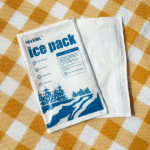
Gel Ice Packs
Gel ice packs are sealed pouches that contain a water-based gel that freezes and slowly melts. They are nontoxic, tahan bocor, and ideal for keeping food safe and cold for several hours. -
Botol air beku
A frozen water bottle is a cost-effective and easy way to keep food cool. Not only does it act as a cold source, but it also serves as a drink once it melts. -
Bahan perubahan fase (PCM) Paket
PCMs are becoming popular for their ability to maintain specific temperatures without using ice or water. These packs are eco-friendly and reusable, making them an excellent choice for sustainable lunchbox cooling.
FAQs About Dry Ice Bags for Lunch Bags
Q1: Can I use dry ice in my child’s lunch bag?
TIDAK. Dry ice is not safe for children’s lunch bags due to the risks of frostbite, penumpukan karbon dioksida, and pressure explosions. Use gel packs or frozen water bottles for safe lunch cooling.
Q2: How long can dry ice keep food cold?
Dry ice can keep food cold for 6 ke 12 jam, depending on the lunch bag’s size and insulation. Larger quantities of dry ice can extend cooling time.
Q3: Is it safe to use dry ice with hot foods?
TIDAK, dry ice is designed for keeping food cold. For hot foods, consider insulated lunch bags or containers designed to retain heat.
Q4: Bagaimana cara menangani es kering dengan aman?
Always wear insulated gloves when handling dry ice and ensure your lunch bag is well-ventilated. Avoid sealing dry ice in an airtight container to prevent pressure buildup.
Kesimpulan
Dry ice bags for lunch bags are a practical and efficient way to keep food fresh, especially for long days away from refrigeration. Namun, it’s crucial to use them correctly to avoid safety hazards. For most everyday scenarios, safer alternatives like gel packs or frozen water bottles offer a more practical solution. Saat kita pindah 2025, the cooling industry will continue to innovate, bringing smarter, more sustainable options for keeping our meals safe and fresh.