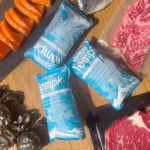
Gel Packs vs PCM Packs Pharma: Cara Memilih Pendingin yang Tepat
Cara paling aman untuk mengevaluasi Paket gel and PCM packs for pharma is to begin with the product requirement and work outward to the route, paket, rencana pemantauan, dan dokumentasi. Both gel packs and phase change material packs can be used in passive pharma packaging, but their suitability depends on the required temperature range, pengkondisian paket, risiko rute, muatan, and qualification data. Paketnya mungkin terlihat sederhana, tapi keputusannya tidak. Pilihan yang dapat diandalkan bergantung pada apakah bukti pemasok cocok dengan muatan Anda, jalur Anda, margin penundaan Anda, dan cara pengiriman akan dibuka dan diterima setelah pengiriman.
Practical approval note: If procurement wants to standardize one coolant across several products, QA should first group the routes by temperature range, membekukan sensitivitas, Durasi Pengiriman, and receiving control. Standardization can reduce complexity, but only when each approved packout has evidence for the product group and lane where it will be used.
A coolant is only useful inside a defined packout
Gel packs and PCM packs are often discussed as if they can be judged on their own. Dalam logistik farmasi, that is risky. The same coolant can perform differently depending on the kotak terisolasi, massa muatan, pengatur jarak, keadaan pengkondisian, musim, dan pola penanganannya. A buyer should evaluate the finished packout and the resulting payload temperature profile, not the component name.
Paket gel, paket air, Paket es, and PCM packs are coolant components. They are not validated packaging systems until they are used in a defined packout and tested against acceptance criteria. This distinction protects buyers from overclaiming. A PCM pack is not automatically a validated solution. A gel pack is not automatically too basic. Each can be useful when the evidence matches the product and route.
Use product sensitivity to choose the starting direction
If the product can be harmed by freezing, start by reviewing cold-side risk. Frozen gel packs may need barriers, jarak, or a different conditioning method. PCM may be useful if its intended range reduces the chance of local overcooling, but the actual packout still needs review. If the product is primarily heat-sensitive and has a less narrow range, gel packs may remain practical for controlled short routes.
If the product has a narrow controlled range, longer transport time, or unpredictable handovers, PCM becomes more interesting because it can buffer around a selected phase-change zone. The buyer should still ask whether the warehouse can condition the packs correctly and whether the supplier has data for the proposed route.
Decision table for QA and procurement
| Pertanyaan | If the answer points to gel packs | If the answer points to PCM packs |
|---|---|---|
| How narrow is the product range? | Wider range or lower sensitivity. | Narrower range or higher sensitivity. |
| Is freezing a major concern? | Use only with proven separation and conditioning. | Consider targeted phase-change buffering with evidence. |
| How complex can the warehouse process be? | Familiar conditioning may be easier to repeat. | Stricter conditioning can be controlled by trained teams. |
| What is the route risk? | Pendek, langsung, and predictable route. | Lebih lama, variabel, or delay-prone route. |
| What evidence is available? | Full packout data supports the gel configuration. | Full packout data supports the PCM configuration. |
The table does not produce an automatic answer. It helps the buyer choose which option deserves deeper testing. The final approval should still be based on the full system, termasuk pengirim, pendingin, muatan, logger, dan prosedur operasi.
Look beyond component price
Component price is easy to compare, but it can be misleading. A lower-cost gel pack may require more coolant, a larger shipper, or more investigations if the route is marginal. A higher-cost PCM pack may lower risk or improve payload space in the right lane, but it may also add conditioning time and inventory complexity. Total cost includes labor, limbah, kembali, berat pengiriman, penyimpanan, ulasan kualitas, and the cost of product loss.
This is why commercial and quality teams should review the decision together. Procurement can compare cost and supply reliability. Operations can judge packout complexity. QA can review evidence and excursion handling. A coolant decision made by only one department can miss the constraints faced by the others.
Evidence checklist before routine use
Before approving either option, ask for a packout diagram, instruksi pengkondisian, spesifikasi komponen, ringkasan tes termal, asumsi muatan, penempatan probe, dan kriteria penerimaan. Confirm whether the supplier has a change-control process for material or dimension changes. Confirm that production components will match samples. If the supplier cannot provide data for your exact lane, decide whether additional testing or a more conservative packout is needed.
Untuk produk berisiko tinggi, test data should show both heat and cold-side performance. A temperature profile that hides a local cold spot can create false confidence. Selama kualifikasi, probe placement should include the areas most likely to experience thermal stress. Routine monitoring can then be designed around the risk revealed during testing.
A practical selection scenario
Imagine two products using the same parcel carrier. Product A has a wider allowed range, travels overnight, and is received by a trained warehouse team. Product B is freeze-sensitive, travels over a weekend, and has variable receiving times. Gel packs may be reasonable for Product A if the packout is supported. Product B may need PCM, a different route, or tighter monitoring. The carrier is the same, but the packaging decision is not.
This example shows why buyers should not standardize too aggressively. A single coolant policy can simplify purchasing but create quality risk. A better approach is to define approved packouts by product group, jenis rute, dan musim, then train teams to use the right kit.
How to avoid weak conclusions
Avoid saying that PCM is always better, that gel packs are always cheaper, or that a data logger makes either option safe. These statements are too broad. A stronger conclusion is conditional: paket ini, using this coolant, with this payload and route profile, has evidence that meets the product limits accepted by the quality team.
That wording may sound less dramatic, but it is more useful. It keeps the decision inside the real rantai dingin, where product requirements, paparan rute, and repeatable process matter more than the name of the coolant.
Pembelian ekstra melakukan pengecekan sebelum pengiriman rutin
Sebelum pengiriman rutin dimulai, bandingkan paket dengan cara kerja operasi sebenarnya. Pastikan area pengepakan memiliki cukup ruang, bahwa kapasitas pengkondisian cairan pendingin tersedia, label komponennya jelas, dan waktu pementasan dikontrol. gel packs and PCM packs for pharma should not depend on one experienced packer remembering informal steps. Hal ini harus dapat diulangi oleh tim yang terlatih dengan menggunakan materi yang sama dan instruksi yang sama setiap saat.
Alat pengambilan keputusan yang berguna
Periksa detailnya sebelum Anda memilih kemasan
Alat cepat ini dapat membantu Anda membandingkan risiko rute, kebutuhan ukuran, pilihan pendingin, dan detail kemasan sebelum Anda meminta penawaran.
Ketahanan Jatuh Bahan Isolasi
Tinjau ketahanan jatuh dan faktor penanganan sebelum memilih bahan insulasi.
Periksa resistensiPemilih Kemasan
Bandingkan opsi kemasan berinsulasi berdasarkan produk, rute, dan kebutuhan suhu.
Temukan kemasannyaPemeriksa Risiko Rute
Tinjau kondisi jalur sebelum memilih kemasan untuk mengetahui kebutuhan pengoperasian sebenarnya.
Periksa risiko ruteTinjau juga bagaimana pengecualian akan ditangani. Jika kurir datang terlambat, dapatkah paket yang tertutup dikembalikan ke penyimpanan terkontrol, atau harus dikemas ulang? Jika ada komponen yang hilang, apakah substitusi diperbolehkan? Jika alarm suhu terjadi, siapa yang memutuskan apakah produk tersebut dapat digunakan? Detail ini mudah dilewati saat pembelian, namun merekalah yang menentukan seberapa baik kinerja kemasan di bawah tekanan.
Menerima cek adalah bagian dari keputusan paket
Rantai dingin tidak berakhir ketika paket sampai di pintu tujuan. Staf penerima harus tahu ke mana harus memindahkan muatan, kapan harus membaca atau mengunduh catatan suhu, cara memeriksa paket, dan siapa yang harus dihubungi jika muncul alarm atau kerusakan yang terlihat. Jika paket belum dibuka di area yang tidak terkendali sementara dokumen diselesaikan, paket yang dirancang dengan baik masih bisa kehilangan margin keamanannya.
Untuk pembeli, ini berarti pemilihan pemasok harus mencakup kegunaan di tempat tujuan. Hapus label, langkah pembukaan sederhana, urutan komponen yang terlihat, dan titik pengambilan logger yang ditentukan mengurangi kebingungan. Sistem pengemasan yang memerlukan interpretasi khusus oleh pengirim mungkin tidak cocok untuk klinik distribusi, apotek, depot, atau penerima internasional dengan tingkat pelatihan berbeda.
Bagaimana membandingkan sampel tanpa terlalu mempercayainya
Pengiriman sampel dapat menunjukkan apakah komponen mudah ditangani dan apakah muatannya sesuai secara fisik, tetapi bukti tersebut tidak boleh dianggap sebagai bukti akhir kecuali jika diuji dalam kondisi yang relevan. Pembeli harus mencatat versi sampel, daftar komponen, persiapan pendingin, dan perubahan apa pun yang diminta sebelum produksi. Jika sampel dimodifikasi untuk biaya, branding, atau ukuran, asumsi termal awal mungkin tidak berlaku lagi.
Tinjauan sampel yang berguna mencakup umpan balik gudang. Tanyakan kepada pengepak apakah instruksinya jelas, apakah ada bagian yang bisa dibingungkan, apakah penutupannya terasa aman, dan apakah paket rakitan praktis untuk layanan pengangkut. Masalah penanganan kecil menjadi lebih besar ketika paket diulangi setiap hari atau di beberapa lokasi.
Seasonal review should not be an afterthought
A package approved in mild weather may need review before summer heat, musim dingin yang dingin, or a new trade lane. Seasonal exposure affects both the external challenge and the way coolant should be conditioned. A configuration that protects against heat may create cold-side risk in winter, while a winter packout may not have enough thermal buffer for hot staging or delayed delivery.
The safest approach is to define when review is triggered: a new carrier, waktu tinggal lebih lama, different product load, changed coolant, different destination climate, or repeated temperature alarms. This turns packaging control into a living process instead of a one-time purchasing decision.
What not to assume from a supplier quotation
A quotation may list a box size, a coolant type, and an estimated duration, but it may not define the tested payload, profil sekitar, or the acceptance criteria. Buyers should not assume that unstated details match their shipment. If the quote says suitable for pharmaceutical use, ask suitable under what conditions. If it says reusable, ask how damage inspection and cleaning are controlled.
The best supplier conversations are specific. They turn a broad request into a defined packout with stated limits. That helps procurement compare options fairly, helps QA review evidence, and helps operations repeat the process without improvising.
FAQ
Should I replace gel packs with PCM packs for all pharma shipments?
Belum tentu. Some routes and products do not need PCM. Review product sensitivity, durasi rute, membekukan risiko, kapasitas pengkondisian, dan bukti. A lane-by-lane or product-group approach is usually safer than a blanket replacement.
Can PCM packs prevent all temperature excursions?
TIDAK. PCM can improve thermal buffering in suitable packouts, but it cannot overcome every delay, wrong conditioning step, poor insulation choice, or receiving error. It still needs testing and controlled handling.
Bukti apa yang paling penting untuk diminta?
Request evidence for the full packout: pengirim, pendingin, muatan, pengkondisian, profil eksternal, probe positions, lamanya, dan lulus kriteria. Component datasheets help, but they do not prove shipment performance on their own.
How should I involve QA in the decision?
QA should review product limits, excursion procedures, bukti kualifikasi, penempatan logger, dan ekspektasi pengendalian perubahan pemasok. Procurement and operations should provide cost, tersedianya, and packout repeatability information.
Kesimpulan
The gel packs vs PCM packs pharma decision is best made by asking what the product needs, what the route exposes it to, and what the packout evidence proves. Gel packs can be suitable and efficient. PCM packs can add valuable control. Neither is a shortcut around qualification, pemantauan, or disciplined warehouse work.
Tentang Tempk
Tempk can help buyers compare coolant choices in the context of the whole packout, not as isolated accessories. The useful starting point is the product temperature range, durasi rute, massa muatan, pack conditioning workflow, and the evidence needed by QA after delivery.
Diskusikan Kiriman Anda Dengan Tempk
Bagikan rentang target Anda, Durasi Pengiriman, rincian muatan, and current packout with Tempk to compare whether gel packs, Paket PCM, or another configuration makes better operational sense.