Bagaimana Logistik Rantai Dingin Vaksin Dapat Berkembang 2025?
Mempertahankan potensi vaksin memerlukan lebih dari sekadar pendinginan – hal ini memerlukan rantai dingin yang tangguh. Di dalam 2025, itu logistik rantai dingin vaksin pasar diperkirakan akan terus tumbuh, namun negara ini menghadapi tekanan iklim dan tuntutan teknologi yang terus berkembang. Anda akan mempelajari mengapa suhu penting, inovasi apa yang harus diperhatikan dan bagaimana memastikan fasilitas Anda tetap patuh. Pada akhirnya Anda akan memiliki peta jalan praktis untuk menjalankan logistik rantai dingin vaksin, didukung oleh sumber resmi dan contoh dunia nyata.
Why the vaccine rantai dingin matters and how the market is evolving – kami memeriksa nilai global dan proyeksi pertumbuhannya.
Tantangan apa saja yang mengancam logistik rantai dingin vaksin? 2025 – perubahan iklim, kesenjangan infrastruktur dan kekurangan tenaga kerja.
How to build a reliable rantai dingin – pedoman penyimpanan, pemantauan suhu dan pelatihan praktik terbaik.
Inovasi dan tren manakah yang dapat meningkatkan efisiensi – otomatisasi, IoT, Ai, keberlanjutan dan model penyampaian baru.
Pertanyaan yang sering diajukan – jawaban cepat tentang suhu penyimpanan, mencegah pembekuan dan menerapkan strategi rantai suhu terkendali.
Mengapa logistik rantai dingin vaksin penting? 2025?
Vaksin dapat menyelamatkan nyawa hanya jika vaksin tersebut tetap ampuh mulai dari pembuatan hingga pemberiannya. Rantai dingin yang kuat melindungi potensi ini dengan mempertahankan rentang suhu yang sempit selama penyimpanan dan pengangkutan. Pasar logistik rantai dingin layanan kesehatan global menggambarkan pentingnya hal ini: itu dihargai sekitar USD 65.14 miliar masuk 2025 dan diproyeksikan untuk mencapai USD 137.13 miliar oleh 2034 dengan sebuah 8.63 % tingkat pertumbuhan tahunan gabungan (CAGR). Meningkatnya permintaan akan produk biologis, terapi berbasis gen dan sel serta kesiapsiagaan menghadapi pandemi telah mendorong perluasan ini. Memastikan integritas produk mengurangi pemborosan, mencegah vaksinasi ulang yang mahal dan menjaga kesehatan masyarakat.
Evolusi logistik vaksin: dari peti es hingga jaringan pintar
Secara historis, vaksin dibawa dalam pendingin sederhana yang diisi es. Sistem yang ada saat ini mencakup lemari es kelas farmasi, terisolasi kotak transportasi, sensor suhu dan pencatat data digital. Rantai dingin terdiri dari tiga komponen yang saling bergantung – peralatan transportasi dan penyimpanan, personel yang terlatih dan prosedur manajemen yang efisien. Masing-masing komponen harus bekerja secara harmonis untuk menjaga kelestarian lingkungan hidup 2 °C–8°C kisaran yang direkomendasikan untuk sebagian besar vaksin. Tanpa kontrol ini, perubahan suhu dapat menghancurkan vaksin, menelan biaya jutaan dan melemahkan kampanye imunisasi.
| Aspek | 2025 status | Pentingnya bagi Anda |
| Ukuran pasar | Pasar logistik rantai dingin layanan kesehatan sangat berharga USD 65.14 miliar masuk 2025 dan mulai tumbuh 8.63 % CAGR. | Menandakan meningkatnya permintaan akan logistik yang suhunya terkendali dan peluang investasi. |
| Pertumbuhan farmasi | ~20 % Salah satu obat baru adalah terapi berbasis gen dan sel yang memerlukan kontrol suhu yang ketat. | Indicates that robust rantai dingin capabilities will become nonnegotiable for modern medicines. |
| Segmentasi pasar | Layanan termasuk penyimpanan, pengemasan dan transportasi; wadah diklasifikasikan menjadi aktif atau pasif. | Membantu Anda memilih peralatan dan penyedia layanan yang sesuai untuk berbagai jenis vaksin. |
| Dominasi regional | Amerika Utara memimpin pasar, sementara Asia Pasifik adalah kawasan dengan pertumbuhan tercepat. | Mendorong dunia usaha di seluruh wilayah untuk melakukan tolok ukur terhadap praktik terbaik dan mengadopsi inovasi. |
Signifikansi dunia nyata
Bayangkan menjalankan klinik kesehatan di daerah terpencil. Vaksin yang tiba di klinik Anda telah melalui beberapa tahapan yang dikontrol suhunya: pabrik, gudang nasional, depo regional dan akhirnya sesi penjangkauan. Setiap penyerahan menghadirkan risiko. Di beberapa negara, hanya satu dari lima anak menerima vaksinasi lengkap karena penyampaiannya yang kurang optimal ke daerah terpencil. Dengan memahami tren dan tantangan pasar, Anda dapat melakukan advokasi untuk investasi dan mengadopsi teknologi yang membuat distribusi lebih dapat diandalkan.
Tantangan apa yang mengancam logistik rantai dingin vaksin??
Perubahan iklim dan cuaca ekstrem. Meningkatnya suhu global dan kejadian cuaca yang semakin tidak terduga membahayakan penyimpanan dan transportasi vaksin. Studi BMJ Global Health baru-baru ini mencatat bahwa perubahan iklim mengancam potensi rantai dingin karena variabilitas suhu lingkungan menyebabkan kerusakan peralatan dan gangguan transportasi, terutama di negara-negara dengan listrik yang tidak dapat diandalkan. Peserta dalam penelitian ini mengamati bahwa lemari es bertenaga surya terkadang rusak karena pasokan energi yang terputus dan kerusakan peralatan.
Kesenjangan infrastruktur dan keandalan listrik. Banyak daerah kekurangan listrik yang dapat diandalkan, jalan yang berkualitas atau fasilitas penyimpanan yang sesuai. Di Afrika, jaringan jalan yang buruk dan banjir musiman membatasi akses ke masyarakat terpencil. Itu perkiraan pemanasan global 1.5 °C pada tahun 2030–2052 berarti kontrol suhu hanya akan menjadi lebih sulit. Kondisi ini meningkatkan biaya, menunda imunisasi dan mengurangi potensi vaksin.
Kekurangan tenaga kerja dan pelatihan. Sistem rantai dingin bergantung pada personel yang terampil. Studi BMJ menemukan hal itu staf yang kurang terlatih dan prosedur manajemen yang tidak memadai berkontribusi terhadap kerusakan vaksin. Kekurangan tenaga kerja, kurangnya pengetahuan teknis dan tidak adanya keterlibatan masyarakat semakin melemahkan pemberian vaksin. Tanpa pelatihan terus menerus, personel mungkin tidak menyadari perubahan suhu atau kegagalan peralatan.
Fragmentasi pasar dan kepatuhan terhadap peraturan. Rantai dingin vaksin melibatkan banyak pemangku kepentingan – produsen, Penyedia Logistik, kementerian kesehatan dan klinik. Jika standar berbeda antar yurisdiksi, menjaga kepatuhan menjadi rumit. Itu alat pemetaan suhu dikembangkan oleh Manajemen Vaksin Efektif WHO (EVM) Inisiatif ini menyoroti bahwa suhu di dalam area penyimpanan dapat bervariasi sebanyak 10°C; Oleh karena itu, WHO memerlukan ruang dingin dan freezer harus dipetakan suhunya setiap dua tahun. Mengkoordinasikan audit semacam itu di seluruh jaringan pasokan yang terfragmentasi merupakan suatu tantangan namun perlu.
Perubahan iklim dan gangguan pasokan
Permasalahan yang disebabkan oleh iklim dapat menyebabkan kerusakan akibat panas dan beku. Suhu lingkungan yang tinggi mempercepat degradasi vaksin, sedangkan suhu beku dapat menonaktifkan antigen tertentu. Studi BMJ melaporkan hal itu kerusakan peralatan dan kondisi transportasi yang sulit karena cuaca yang tidak dapat diprediksi merupakan hambatan besar. Kebijakan merekomendasikan penggantian segera peralatan yang rusak, pelatihan pekerja berkelanjutan dan pemantauan yang lebih baik disorot sebagai hal yang penting.
Pelatihan tenaga kerja dan keterbatasan sumber daya
Tingkat pelatihan yang rendah merupakan risiko tersembunyi. Beberapa staf kurang memiliki kesadaran akan rantai suhu yang terkendali (CTC) protokol atau pentingnya penempatan vaksin yang tepat di dalam lemari es. Seorang responden menyatakan bahwa tidak ada upaya keterlibatan khusus mengenai dampak perubahan iklim terhadap penyimpanan vaksin. Mengatasi kesenjangan ini memerlukan prosedur operasi standar (Sops), latihan rutin dan audit kinerja.
Bagaimana memperkuat logistik rantai dingin vaksin
Pedoman penyimpanan penting
Ikuti rentang suhu yang disarankan. Kebanyakan vaksin rutin harus disimpan di lemari es pada suhu yang sama 2 ° C ke 8 ° C. (36 °F – 46 ° f). Diperlukan vaksin beku −50 °C hingga −15 °C (−58 °F – 5 ° f), dan vaksin ultracold seperti yang dibutuhkan formulasi COVID19 tertentu −90 °C hingga −60 °C (−130 °F – −76 °F). AAAHC menguraikan bahwa vaksin hidup yang dilemahkan sering kali memerlukan penyimpanan beku dan vaksin tidak boleh ditempatkan di kompartemen pintu lemari es atau wadah sayuran., dimana suhu paling berfluktuasi.
Atur dan pantau secara berkala. Vaksin sebaiknya disimpan secara terpusat di rak yang memiliki ruang untuk sirkulasi udara. Catatan suhu harus diperiksa setidaknya dua kali sehari. Pencatat data digital dengan probe buffer mengukur suhu minimum dan maksimum; CDC merekomendasikan kalibrasi rutin untuk memastikan keakuratan. Staf harus mencatat perubahan suhu dan segera mengambil tindakan perbaikan.
| Satuan penyimpanan | Kisaran suhu | Contoh vaksin | Kesimpulan Anda |
| Lemari es | 2 °C – 8 ° C. | DTaP, HepA, HPV, influensa, MMR (lemari es atau freezer) dan banyak vaksin rutin | Gunakan lemari es kelas farmasi khusus; menghindari kepadatan yang berlebihanKASUS. |
| Freezer | −50 °C – −15 °C | Varivax, Jynneo (cacar monyet), MMRV dan vaksin COVID19 pilihan | Kompartemen freezer pada lemari es rumah tangga tidak disarankan. |
| Freezer yang sangat dingin | −90 °C – −60 °C | PfizerBioNTech dan beberapa vaksin penelitian | Membutuhkan unit ultracold khusus dan pemantauan berkelanjutan. |
Latih tim Anda dan tetapkan SOP. Panduan ABS menekankan bahwa pelatihan staf dan SOP yang jelas sangat penting untuk keamanan vaksin. Pelatihan harus mencakup aturan penyimpanan, pemantauan suhu, penggunaan logger digital, prosedur darurat dan pengenalan vaksin yang dikompromikan. Penghitungan inventaris bulanan dan rotasi stok mencegah kedaluwarsa.
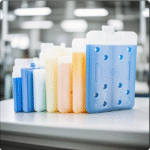
Rencanakan keadaan darurat. Pemadaman listrik dan kegagalan peralatan tidak bisa dihindari. Fasilitas harus memiliki lemari es cadangan dan rencana darurat untuk mengangkut vaksin ke lokasi alternatif. Simpan wadah pengangkut yang terisolasi dan paket dingin siap. Kembangkan pohon komunikasi sehingga personel mengetahui siapa yang harus dihubungi selama keadaan darurat.
Rantai Suhu Terkendali (CTC) dan pembawa pencegah pembekuan
Tidak semua vaksin harus tetap berada di dalam vaksin 2 °C – 8 °C selama pengiriman lastmile. Itu Rantai Suhu Terkendali (CTC) adalah pendekatan yang didukung WHO yang memperbolehkan vaksin tertentu disimpan di atas tradisional +2 ° C ke +8 kisaran °C untuk jangka waktu terbatas. Di bawah CTC:
Vaksin dapat menoleransi suhu lingkungan setidaknya +40 °C selama minimal tiga hari.
Setiap vaksin harus disertai dengan a monitor botol vaksin (AMDAL) dan a indikator ambang batas puncak.
Hanya vaksin yang mendapat izin CTC dari regulator nasional yang boleh digunakan.
CTC sangat berguna dalam sesi penjangkauan ketika alat pendingin tidak tersedia. Ini telah diprioritaskan untuk human papillomavirus (HPV), kolera mulut, vaksin tetanus toksoid dan hepatitis B dosis lahir. CTC mengurangi peluang vaksinasi yang terlewatkan dengan menyederhanakan pemberian vaksin lastmile.
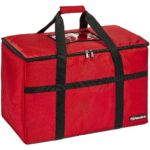
Pembawa vaksin pencegah pembekuan adalah inovasi lain. Pembawa vaksin standar berisiko membekukan vaksin jika Paket es tidak dikondisikan dengan baik. Panduan terbaru WHO mencatat bahwa membekukan pembawa virus yang bersifat preventif memiliki penghalang yang memisahkan kompartemen vaksin dari kemasan air beku. Desain ini memungkinkan kemasan beku untuk digunakan langsung dari freezer tanpa pengkondisian, menghemat waktu persiapan sekaligus mencegah pembekuan yang tidak disengaja. Memilih operator yang tepat bergantung pada durasi sesi, suhu lingkungan dan sensitivitas vaksin.
Alat pemetaan dan pemantauan suhu
Mempertahankan suhu yang seragam lebih sulit dari yang terlihat. Inisiatif EVM WHO mensyaratkan hal tersebut ruangan dingin dan freezer dipetakan suhunya setiap dua tahun. Pemetaan suhu mencatat variasi dalam ruang penyimpanan; perbedaan bisa tercapai 10 ° C. antar lokasi. Alat pemetaan yang diperbarui dirilis pada 2024 menyertakan panduan pengguna bawaan untuk membantu staf melakukan pemetaan bahkan dengan pengetahuan komputer yang terbatas. Pemetaan rutin mengidentifikasi titik-titik panas dan dingin sehingga vaksin dapat disimpan di zona paling stabil dan peralatan dapat dikalibrasi dengan tepat.
Inovasi apa yang mengubah logistik rantai dingin 2025?
Otomatisasi, robotika dan penambahan tenaga kerja
Otomatisasi menjadi pusat perhatian. Di dalam 2025, kekurangan tenaga kerja dan kebutuhan akan efisiensi mendorong penerapan sistem penyimpanan dan pengambilan otomatis (AS/RS) dan penanganan robot. Robot beroperasi terus menerus, mengurangi kesalahan manual dan memberikan kontrol suhu yang tepat. Penelitian menunjukkan hal itu sekitar 80 % gudang belum terotomatisasi, menyoroti potensi pertumbuhan yang besar. Otomatisasi membantu Anda memenuhi persyaratan peraturan sekaligus mengurangi biaya tenaga kerja dan kesalahan manusia.
Pelacakan waktu nyata dan visibilitas IoT
Visibilitas ujung ke ujung sangat penting untuk mencegah pembusukan. Perangkat pelacakan berkemampuan IoT tingkat lanjut memantau lokasi, suhu dan kelembaban secara real time. Pelacakan waktu nyata memungkinkan perusahaan untuk melakukannya mengoptimalkan rute, menghindari kemacetan dan memastikan pengiriman tepat waktu. Hal ini juga mengurangi limbah dengan mendeteksi kunjungan lebih awal dan memberikan catatan yang dapat diverifikasi untuk kepatuhan terhadap peraturan. Di dalam 2022, solusi perangkat keras diwakili lebih 76.4 % pasar pelacakan dan pemantauan rantai dingin, menunjukkan investasi besar pada sensor dan logger.
Kecerdasan buatan dan analisis prediktif
AI transforms rantai dingin planning by analysing historical and realtime data. Analisis prediktif dapat memperkirakan permintaan, mengoptimalkan rute dan memprediksi kebutuhan pemeliharaan peralatan. Misalnya, AI dapat mengidentifikasi faktor risiko perubahan suhu dan menyarankan intervensi proaktif, mengurangi pemborosan vaksin. Perkiraan permintaan yang digerakkan oleh AI juga membantu menyesuaikan tingkat inventaris untuk menghindari kelebihan stok atau kekurangan.
Keberlanjutan dan energi terbarukan
Logistik rantai dingin berkontribusi terhadap perubahan iklim dan harus menjadi lebih berkelanjutan. Rantai pendingin pangan global bertanggung jawab atas hal ini 2 % emisi CO₂ global. Untuk mengurangi jejak ini:
Pendinginan hemat energi Dan sumber energi terbarukan (MISALNYA., tenaga surya) sedang dikerahkan. Penggerak langsung tenaga surya (SDD) lemari es dan freezer kini telah memenuhi prakualifikasi WHO dan memberikan pilihan yang dapat diandalkan di wilayah tanpa listrik yang stabil. Namun, keberhasilan tergantung pada instalasi dan pemeliharaan yang baik.
Kemasan berkelanjutan penggunaan bahan yang dapat terurai secara hayati atau dapat didaur ulang semakin mendapat perhatian. Insulasi yang lebih baik mengurangi kebutuhan es dan limbah.
Modernisasi infrastruktur termasuk meningkatkan isolasi, sistem pendingin dan pembangkit energi terbarukan di lokasi.
Alat pengambilan keputusan yang berguna
Periksa detailnya sebelum Anda memilih kemasan
Alat cepat ini dapat membantu Anda membandingkan risiko rute, kebutuhan ukuran, pilihan pendingin, dan detail kemasan sebelum Anda meminta penawaran.
Kalkulator Es Kering
Perkirakan kebutuhan es kering untuk pengiriman beku atau sangat dingin sebelum pengepakan.
Perkirakan es keringKalkulator Ice Pack
Perkirakan jumlah paket es gel untuk pengiriman dingin dan perencanaan rute yang praktis.
Perkirakan kantong esPemilih Kemasan
Bandingkan opsi kemasan berinsulasi berdasarkan produk, rute, dan kebutuhan suhu.
Temukan kemasannyaPertumbuhan pasar dan kolaborasi
Itu rantai dingin farmasi terus berkembang. Pasar global diproyeksikan akan mencapai USD 1454 miliar pada 2029 dengan CAGR sebesar 4.71 %. Sekitar 20 % Salah satu obat baru adalah terapi berbasis gen dan sel yang memerlukan kontrol suhu yang ketat. Itu Pasar Logistik Rantai Dingin Makanan Amerika Utara diperkirakan akan tercapai USD 86.67 miliar oleh 2025, didorong oleh permintaan akan produk segar dan makanan nabati. Kemitraan strategis antar produsen, pemasok pengemasan dan penyedia teknologi meningkatkan visibilitas dan ketahanan; oleh 2025, tentang 74 % data logistik diharapkan terstandarisasi, memungkinkan integrasi yang mulus.
2025 BARU logistik rantai dingin vaksin
Lanskap rantai dingin di 2025 dibentuk oleh konvergensi teknologi, aksi iklim dan pertumbuhan pasar. Perkembangan utama meliputi:
Perluasan pasar: Pasar logistik rantai dingin vaksin sangat berharga USD 3.5 miliar masuk 2024 dan diproyeksikan untuk mencapai USD 5.9 miliar oleh 2034 pada 5.3 % CAGR. Logistik rantai dingin layanan kesehatan sangat bermanfaat USD 65.14 miliar masuk 2025 dan akan tumbuh menjadi USD 137.13 miliar oleh 2034.
Alat pemetaan suhu: WHO 2024 alat pemetaan suhu dan panduan pengguna mendukung manajer rantai dingin dalam mengidentifikasi variasi suhu dan memastikan kepatuhan.
Adopsi Rantai Suhu Terkendali: Penggunaan CTC meluas melampaui vaksin HPV dan tetanus, termasuk vaksin konjugat tifoid; itu mentolerir suhu lingkungan hingga 40 °C setidaknya selama tiga hari.
Otomatisasi dan penetrasi AI: Semakin banyak gudang yang mengadopsi sistem AS/RS dan analisis prediktif untuk mengurangi biaya tenaga kerja dan mencegah kesalahan.
Fokus pada keberlanjutan: Industri berinvestasi pada sistem energi terbarukan dan pengemasan berkelanjutan untuk mengurangi jejak karbon rantai dingin. Kulkas bertenaga surya directdrive kini semakin banyak digunakan.
Wawasan
Konsumen menuntut produk yang lebih segar dan kampanye vaksinasi yang cepat, membutuhkan efisiensi dan ketahanan terakhir. Di Amerika Utara, pasar logistik rantai makanan dingin diperkirakan akan meningkat USD 86.67 miliar oleh 2025 mencerminkan permintaan ini. Perluasan ecommerce dan distribusi langsung ke konsumen mendorong gudang dan pengecer untuk memikirkan kembali strategi lastmile mereka. Sementara itu, investasi berkelanjutan dalam modernisasi infrastruktur – isolasi, pengumpulan data, otomatisasi dan energi terbarukan – mengurangi paparan terhadap biaya energi yang mudah berubah. Bisnis yang mengadopsi AI, IoT and sustainability practices will differentiate themselves by offering reliable and ecofriendly rantai dingin services.
KASUS
Untuk klinik pedesaan: Gunakan pembawa pencegah pembekuan untuk menyederhanakan pengangkutan vaksin. Paket es beku dapat ditempatkan langsung ke dalam wadah tanpa pengkondisian. Gabungkan hal ini dengan vaksin yang telah terbukti CTCap untuk memperluas sesi penjangkauan.
Untuk rumah sakit perkotaan: Berinvestasilah pada lemari es dan freezer tingkat farmasi dengan pencatat data digital. Pertahankan SOP untuk memastikan bahwa catatan suhu ditinjau pada awal dan akhir setiap hari kerja.
Untuk manajer program: Lakukan pemetaan suhu setiap dua tahun dan atur ulang posisi vaksin berdasarkan analisis titik api. Jadwalkan pemeliharaan peralatan secara berkala dan pelatihan penyegaran staf.
Untuk penyedia logistik: Terapkan perangkat pelacakan IoT untuk memantau pengiriman secara real-time. Gunakan analisis prediktif untuk mengoptimalkan rute dan mengantisipasi penundaan.
Bagi para pengambil kebijakan: Berinvestasi dalam infrastruktur energi terbarukan dan lemari es SDD di wilayah dengan pasokan listrik yang tidak dapat diandalkan. Mendukung protokol data terstandarisasi untuk memungkinkan interoperabilitas di seluruh rantai dingin.
KASUS: Selama kampanye vaksinasi di Afrika Barat, lemari es solar directdrive dipasang di pos kesehatan pedesaan. Dengan menggabungkan unit SDD dengan pembawa vaksin pencegah pembekuan dan vaksin HPV yang telah terbukti CTCap, pemberi vaksin menyelesaikan sesi penjangkauan tanpa khawatir akan pemadaman listrik atau pengondisian kantong es. Catatan suhu menunjukkan bahwa vaksin tetap berada dalam kisaran aman meskipun suhu lingkungan melebihi batas aman 35 ° C..
FAQ
Pada suhu berapa sebagian besar vaksin sebaiknya disimpan?
Sebagian besar vaksinasi rutin harus dilakukan di antara waktu-waktu tersebut 2 °C dan 8 ° C. (36 °F – 46 ° f) di lemari es khusus. Beberapa vaksin memerlukan pembekuan (–50 °C – –15 °C), dan vaksin ultracold membutuhkan –90 °C – –60 °C. Selalu konsultasikan label produk.
Bagaimana cara mencegah vaksin membeku selama pengangkutan?
Menggunakan membekukan pembawa vaksin pencegah, yang memisahkan kompartemen vaksin dari kantong es. Kondisikan kantong es saat menggunakan wadah standar dengan membiarkannya meleleh hingga permukaannya mulai licin. Hindari menempatkan vaksin secara langsung pada kantong es dan pantau suhu selama pengangkutan.
Apa yang dimaksud dengan Rantai Suhu Terkendali (CTC)?
CTC adalah metode yang disetujui WHO yang memungkinkan vaksin tertentu disimpan pada suhu ruangan hingga 100 derajat Celsius +40 °C setidaknya selama tiga hari sebelum pemberian. Hanya vaksin yang diberi label CTC oleh pihak berwenang yang boleh digunakan. Setiap vial harus memiliki monitor vial vaksin dan indikator ambang batas puncak.
Mengapa pemetaan suhu diperlukan?
Pemetaan suhu mengidentifikasi titik panas dan dingin di dalam unit penyimpanan. WHO memerlukan pemetaan setiap dua tahun karena perbedaan suhu di dalam ruangan dingin bisa mencapai 10 ° C.. Pemetaan membantu Anda memilih zona paling stabil dan menyesuaikan peralatan.
Bagaimana perubahan iklim mempengaruhi logistik vaksin?
Perubahan iklim meningkatkan suhu lingkungan, kejadian cuaca ekstrem dan pemadaman listrik, mengancam penyimpanan dan transportasi vaksin. Sebuah studi dari Nigeria melaporkan bahwa variabilitas suhu merusak peralatan dan mengganggu sistem distribusi. Kebijakan difokuskan pada penggantian peralatan yang rusak, melatih staf dan meningkatkan pemantauan sangatlah penting.
Saran
Di dalam 2025, logistik rantai dingin vaksin tetap penting bagi kesehatan global, dengan pasar yang berkembang pesat dan terapi baru yang memerlukan kontrol yang lebih ketat. Perubahan iklim, kesenjangan infrastruktur dan kekurangan tenaga kerja menimbulkan tantangan yang signifikan. Namun, praktik terbaik seperti mematuhi 2 °C – 8 ° C. penyimpanan, menggunakan operator pembekuan dan strategi CTC, melakukan pemetaan suhu secara teratur dan melatih staf dapat mengurangi risiko ini. Teknologi yang sedang berkembang – otomatisasi, IoT, AI dan energi terbarukan – menjanjikan peningkatan efisiensi dan keberlanjutan.
Untuk memperkuat rantai dingin Anda:
Audit dan tingkatkan peralatan Anda – berinvestasi pada lemari es tingkat farmasi, pencatat data digital dan freezer ultradingin jika diperlukan.
Latih dan berdayakan tim Anda – mengembangkan SOP, melakukan latihan dan memastikan bahwa staf memahami protokol CTC dan pencegahan pembekuan.
Rangkullah teknologi – menyebarkan pelacak IoT, mengotomatisasi gudang, mengadopsi analitik prediktif dan menjadwalkan pemetaan suhu secara teratur.
Rencanakan ketahanan – membangun solusi daya cadangan, prosedur transportasi darurat dan strategi adaptasi iklim.
Advokasi untuk praktik berkelanjutan – mempertimbangkan energi terbarukan, kemasan ramah lingkungan dan standar data kolaboratif.
Dengan menerapkan langkah-langkah ini dan tetap mendapat informasi tentang pedoman yang terus berkembang, Anda dapat memastikan bahwa vaksin tetap ampuh dan mudah diakses – melindungi komunitas Anda dan berkontribusi terhadap kesehatan global.
Tentang Tempk
Tempk is a technology company specializing in rantai dingin management solutions for the healthcare and lifesciences sector. Kami mengembangkan kemasan cerdas yang dikontrol suhunya, pencatat data digital dan platform pelacakan berkemampuan IoT yang membantu klien menjaga vaksin dalam kisaran suhu yang diperlukan. Peralatan kami memenuhi standar internasional dan menggunakan bahan ramah lingkungan. Dengan pengalaman puluhan tahun dalam desain rantai dingin dan pemahaman tentang persyaratan peraturan, kami menawarkan layanan pelatihan dan konsultasi untuk meningkatkan efisiensi operasional.
Tim kami terus meneliti inovasi terbaru – mulai dari pendingin bertenaga surya hingga perencanaan rute yang digerakkan oleh AI – memastikan Anda menerima solusi mutakhir. Untuk mempelajari lebih lanjut tentang bagaimana kami dapat membantu mengamankan rantai pasokan vaksin Anda, hubungi Tempk untuk konsultasi pribadi.